
Reviewed · ULURU TOURS
Uluru, Kata Tjuta & Kings Canyon Camping Tour
The Red Centre rewards early risers. This three-day outback camping trip links Uluru, Kata Tjuta, and Kings Canyon without asking you to arrange a car, campsites, meals, or park fees. I like the strong mix of walking and culture, especially the Uluru base walk and Kings Canyon rim walk. I also like the simple swag camping, where you sleep under the stars beside a campfire. The main drawback is the pace: long drives, very early starts, basic camping, and plenty of heat.
Guides make a real difference here. Guides such as Elyse, Greg, Simon, Ryan, Sophie, and Wayne have been praised for their care, cooking, cultural explanations, and ability to keep a group moving. Still, this is an active trip, not a comfortable coach holiday. Food portions have occasionally disappointed, flies can be relentless, and the 15-kilogram luggage limit takes planning.
In This Review
- Key points to know before booking
- What the $548 price really buys you
- Day 1: Walpa Gorge and Uluru at sunset
- Sleeping in a swag under the Central Australian sky
- Day 2: Uluru sunrise, cultural sites, and the full base walk
- Day 3: The Kings Canyon rim walk earns its place
- Choosing between the two-night and three-night versions
- Food, transport, and group life
- Packing for heat, cold, flies, and strict luggage limits
- Who will enjoy this Red Centre trip most?
- Should you book the Uluru, Kata Tjuta and Kings Canyon tour?
- FAQ
- How much does the tour cost?
- How long does the tour last?
- Where can I join the tour?
- What walks are included?
- Is camping equipment included?
- What luggage can I bring?
- Can dietary requirements be accommodated?
Key points to know before booking
- Three major Red Centre sights in one trip: You see Kata Tjuta, Uluru, and Kings Canyon rather than choosing only one.
- Sunrise and sunset are built into the schedule: The timing helps you see Uluru in changing light and avoid some of the worst daytime heat.
- The Kings Canyon rim walk is the physical highlight: Expect steep sections, rock steps, and long views across Watarrka National Park.
- Swag camping is simple but memorable: A sleeping bag and Australian swag are provided, but you need warm layers, a torch, and a pillow.
- The tour covers serious distances: Alice Springs to Yulara takes about four and a half hours, followed by more long road sections.
- The price includes the costly essentials: Transport, park fees, meals, guide service, walks, camping, and sleeping equipment are included for $548 per person.
What the $548 price really buys you
At $548 per person, this tour is not cheap in the usual backpacker sense. It becomes much better value when you add up what is included: an all-terrain vehicle, an experienced English-speaking guide, two or three nights of camping, sleeping bag hire, meals, national park entry fees, and the main guided or self-guided walks.
You also avoid hiring a car for vast distances. That matters in Central Australia, where fuel, vehicle hire, accommodation, and park access can quickly push an independent trip beyond the tour price. You avoid doing all the driving too, which is a major benefit after a sunrise start and a long hike.
The value is strongest if you want to see all three major sites in a short visit. It is weaker if you dislike shared facilities, group meals, early alarms, or long hours on the road. Optional activities in Yulara, such as Field of Light, Sounds of Silence, a sunset camel cruise, or the Wintjiri Wiru drone display, cost extra.
A few more options to weigh up in Yulara
- Uluru: Field of Light Sunrise Tour with Hot Drinks
★ 4.6 · 572 reviews - Uluru 15-Minute Helicopter Experience
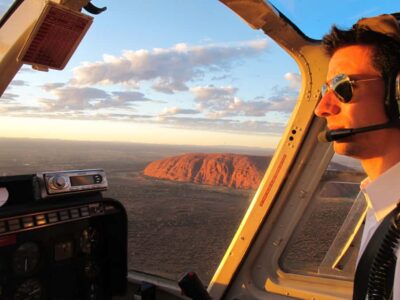
★ 4.9 · 548 reviews - Yulara: Uluru & Kata Tjuta 25-Minute Helicopter Experience
★ 4.8 · 536 reviews
Day 1: Walpa Gorge and Uluru at sunset
If you start in Alice Springs, the day begins at about 6 am. The drive to Yulara takes roughly four and a half hours, so bring water, a small snack, and patience. Lunch is provided after arriving in the Yulara area, but the road time is still a substantial part of the day.
If you start in Yulara or arrive at Uluru Airport, pickup is usually between 1:40 and 2 pm. Your flight must arrive before 1:45 pm, and lunch is not included for this departure. There are no food shops or cafes at Ayers Rock Airport, so eat before pickup and arrive ready in walking shoes.
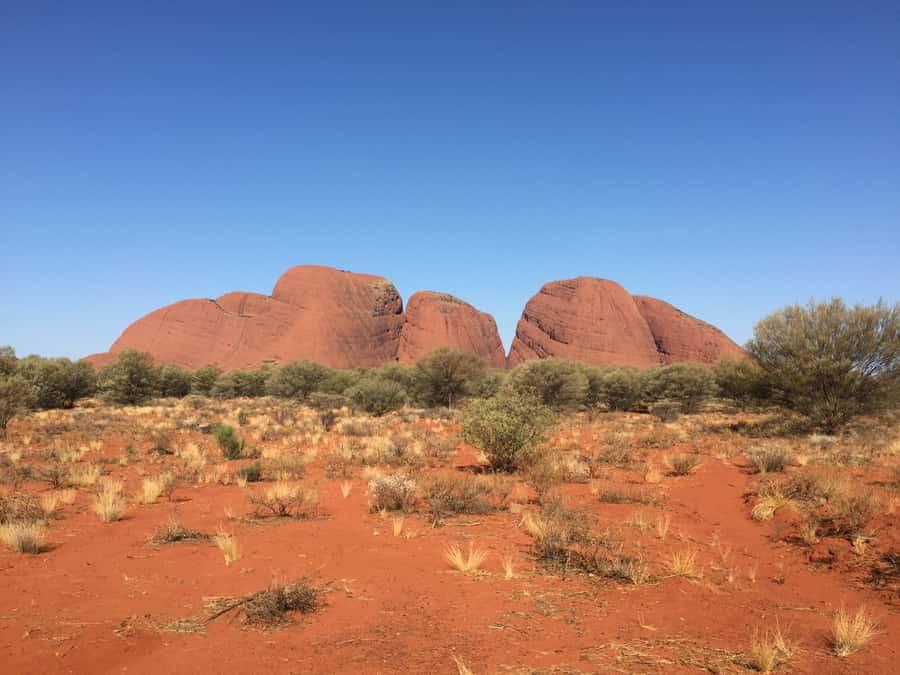
Kata Tjuta, also called the Olgas, is the first major walk. Its 36 rounded domes create a very different scene from Uluru. Instead of one huge monolith, you move among a cluster of weathered red rock formations, with narrow passages and broad views opening between them.
The included Walpa Gorge Walk is a good first introduction because it gets you close to the domes without demanding the full physical effort of the Kings Canyon rim walk. The afternoon timing is useful, though conditions can still be hot. Take the supplied water recommendation seriously and carry at least 1.5 litres.
The group then heads to Ewings Lookout, a sunset viewing area. Uluru changes tone as the light fades, shifting through earthy reds and oranges. You should expect a shared viewing experience rather than solitude, but the changing colours make this one of the trip’s essential moments.
Back at camp, dinner is prepared for the group. The evening is built around an Australian swag, a sleeping bag, and the open sky. The basic facilities are shared, although campsite facilities have been described as better than expected, with clean toilets and hot showers at some camps.
Sleeping in a swag under the Central Australian sky
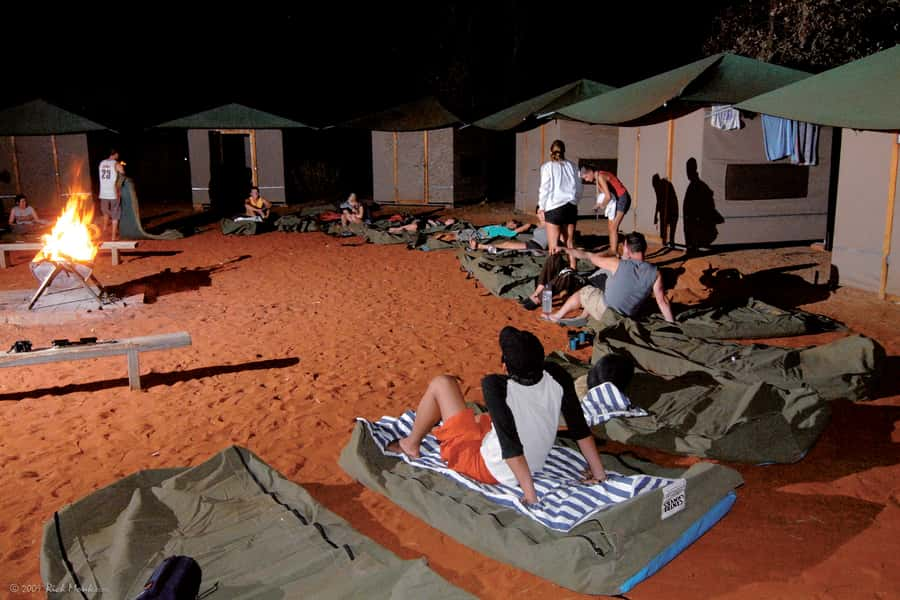
A swag is a practical Australian bedroll with a built-in mattress area. Your sleeping bag hire is included, but a pillow is not. Many people find the swag warmer and more comfortable than expected, especially in winter, when dry air and cold nights make good insulation important.
This is not hotel camping. You may sleep outside, use shared facilities, and hear the natural sounds of the outback. One camper described hearing dingoes growling during the night, an experience that captures the wild setting, though you should follow your guide’s instructions around camp.
Bring warm clothing in winter, even if the days are mild. Insects are another issue, so pack repellent and a fly net or insect net. The flies can be intense, especially around food and during walks. A fly-net hat is not listed as included, so bring one rather than hoping to buy one later.
There is limited power at camp, and the vehicle does not necessarily provide charging points. A power bank is one of the most useful items you can pack. Keep it in your small daypack, along with sunscreen, a hat, water, and any personal medication.
Day 2: Uluru sunrise, cultural sites, and the full base walk
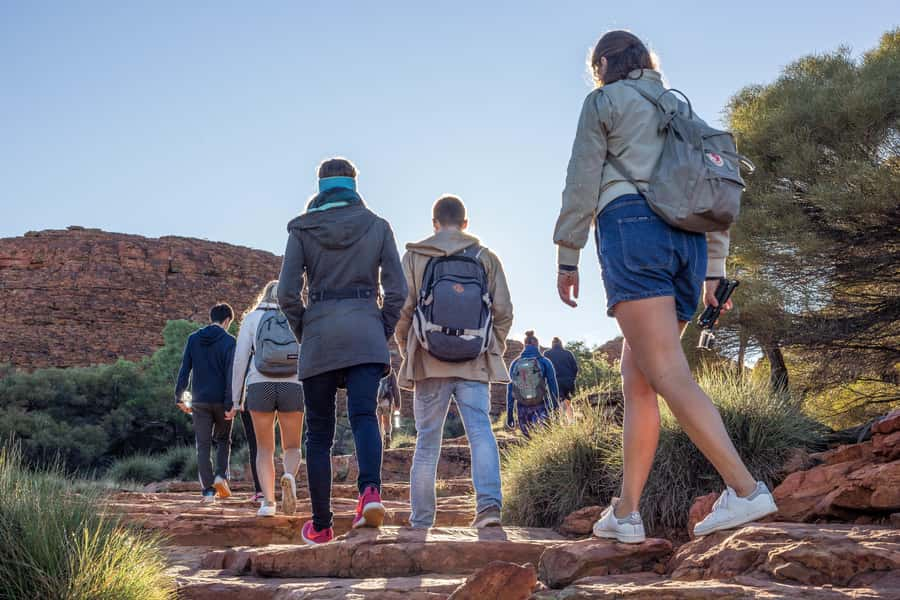
Day two begins early, often before dawn, but the payoff is Uluru at sunrise. The rock gradually separates from the darkness, and the morning light gives you a different view from the previous evening’s sunset.
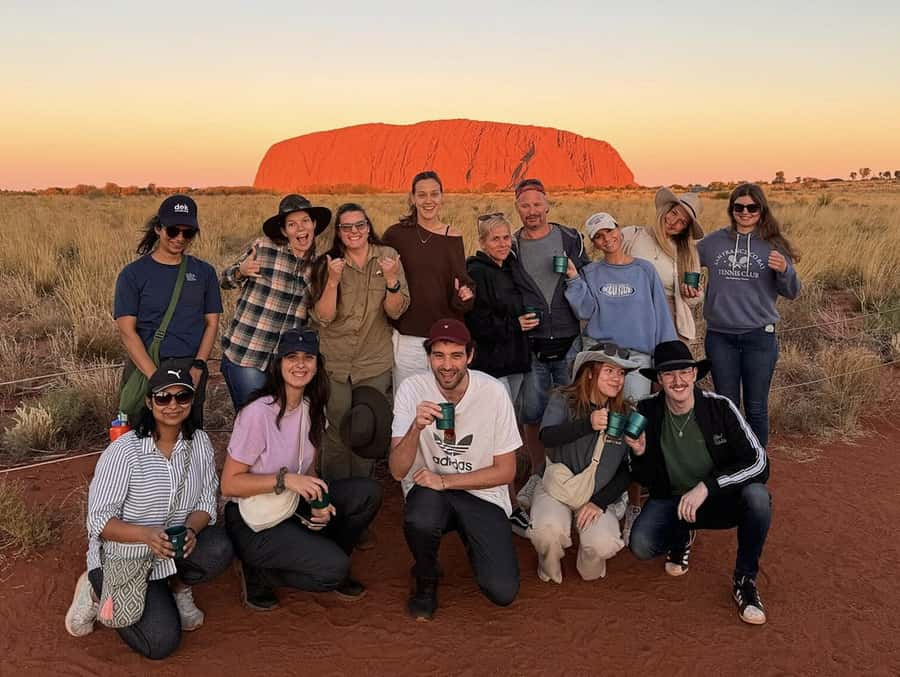
Your guide takes you to a significant cultural site, points out Anangu rock art, and explains one of the area’s creation stories. This part matters because Uluru is not simply a scenic rock. It is a living cultural place for the Anangu people, the traditional owners of the area. Listen carefully, stay on marked paths, and treat the stories and sites with respect.
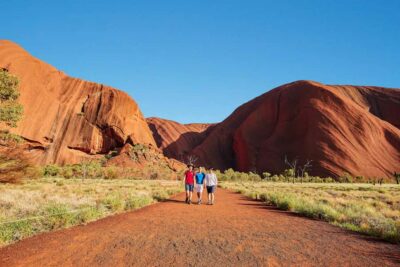
You then complete a self-guided full base walk around Uluru. The route gives you a close view of the rock’s folds, caves, colours, and water-related features. It also helps you understand its scale. From a distant lookout, Uluru can seem like a single smooth shape. At ground level, its surface is full of texture and detail.
The base walk is a serious outing because it takes time and exposes you to sun and heat. The schedule aims to place it in the cooler part of the day, but you still need sturdy shoes, sunscreen, a hat, and water. The walk is not suitable for people with mobility impairments, and children under eight cannot join the tour.
After lunch, you visit the Uluru Cultural Centre. This is one of the most valuable stops for putting the region’s natural features into context. You can see hand-crafted art made by First Nations people from the Western and Central Deserts, while the cultural displays add depth to what you have seen on foot.
The group then travels toward an exclusive camp near Watarrka National Park. Expect another long road section. Dinner, shared camp tasks, and time beneath the stars make this a quieter evening, although you will probably be ready for sleep after the early start.
A completely different kind of day out:
- Yulara: Uluru Sunrise and Kata Tjuta Day Trip by Bus
★ 4.5 · 469 reviews - Uluru: Sacred Sites & Sunset Tour with Wine & Cheeseboard
★ 4.5 · 450 reviews - Uluru Base Segway Tour at Sunrise
★ 4.9 · 378 reviews - Uluru: National Park Astronomy Tour with Telescope and Photo
★ 4.4 · 357 reviews
Day 3: The Kings Canyon rim walk earns its place
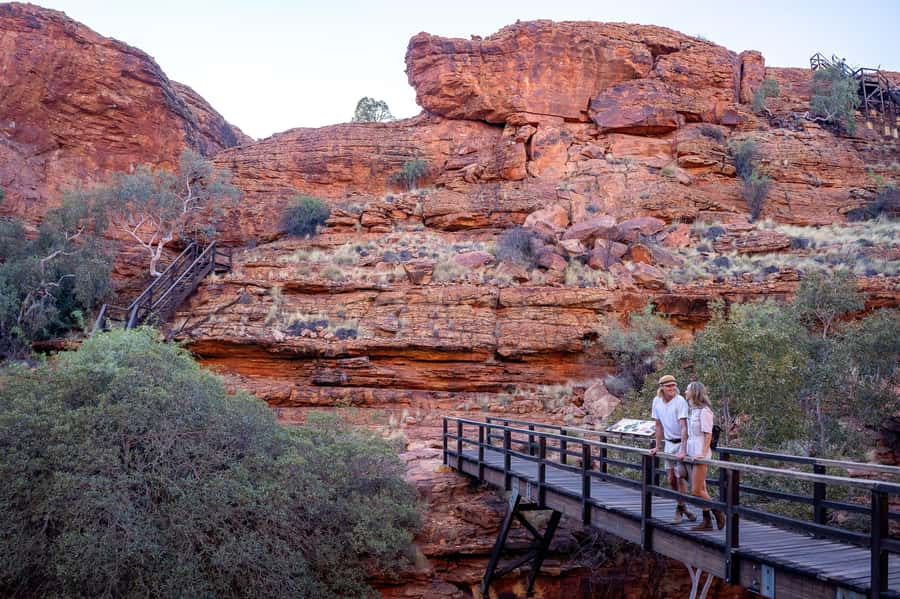
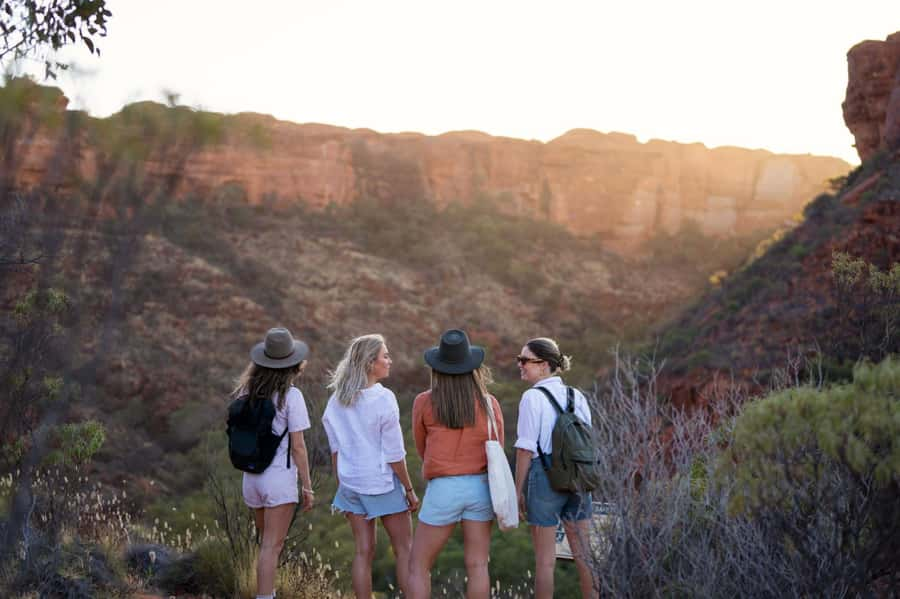
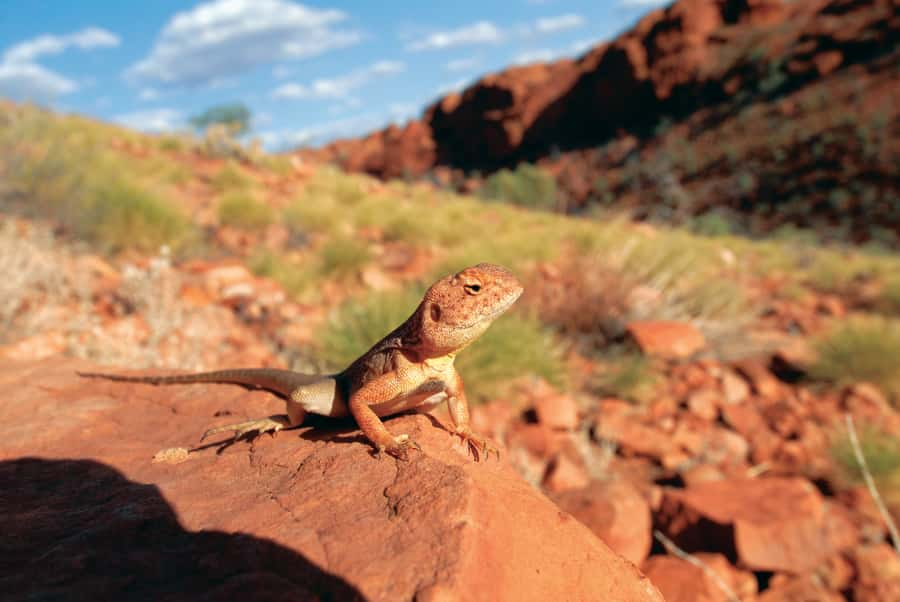
Kings Canyon is the tour’s biggest physical challenge and, for many people, its finest walk. Watarrka National Park protects a huge gorge with sheer rock walls, high viewpoints, natural amphitheatres, rocky chasms, and pockets of plant life.
The rim walk takes you through the Lost City, the Amphitheatre, and the Garden of Eden, as well as along the canyon’s North and South Walls. The names are not empty labels. Each section offers a distinct view of the gorge, from weathered rock formations to a greener oasis below.
You need to be ready for steep sections and uneven ground. One section is commonly described as a tough climb, so do not judge the walk by the easy feel of the first few minutes. Your guide will set the pace and point out the main formations, but wear proper walking shoes and carry your own water.
Early timing is especially important here. Guides have been praised for starting around 3:30 am in hot periods so the group can walk before the strongest heat. That alarm may feel cruel at the time. Once you are looking across the canyon in the soft morning light, it makes sense.
After lunch, the vehicle returns to Yulara, with about three hours of driving in the late afternoon. This is where the tour can feel compressed. You have already walked a demanding route, and the road seems long. The benefit is that the trip covers a huge amount of Central Australia in only a few days.
The two-night version continues to Alice Springs and arrives at about 6 pm on day three. The three-night version returns to Yulara, where you can pay for an optional evening activity or enjoy Uluru at sunset from another free viewing point.
Choosing between the two-night and three-night versions
The finish point matters as much as the sights. The two-night tour is practical if you need to return to Alice Springs. It packs the main sights into a tight schedule and ends there at roughly 6 pm on day three.
The three-night option finishes in Yulara at about 9 am on day four. After breakfast and a short sleep-in, you can take the free 10-minute transfer to Desert Gardens Hotel or Uluru Airport. If your flight is later, you can leave luggage at the hotel and spend time in the resort. Free airport shuttles run from Desert Gardens Hotel to the airport.
The extra night gives you more time around Yulara and allows optional evening experiences, but those activities are not included in the $548 price. Check the exact departure and arrival details before booking flights. The tour information uses a three-day, 84-hour duration while also describing a day-four finish for the three-night option, so confirm which version you are selecting.
Food, transport, and group life
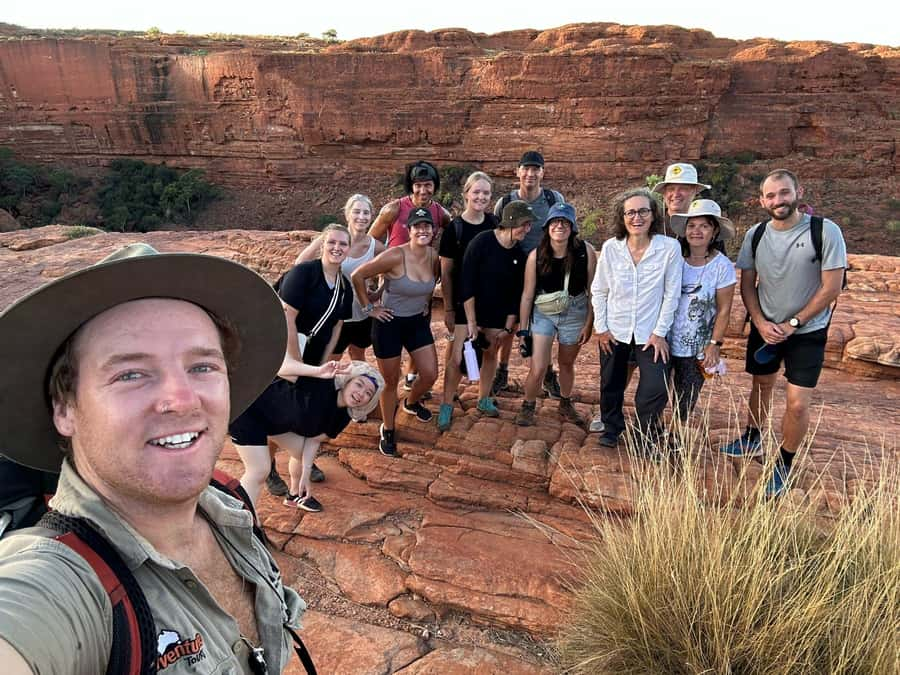
Your guide is driver, cook, walking leader, and group manager. That combination explains why guides such as Simon, Elyse, Greg, Ryan, and Sophie receive such warm praise. Good guides make the early mornings easier, explain plants and cultural stories, watch group safety, and keep dinner moving after a long day.
Meals are included, and dietary requirements can be catered for if you provide notice at least 48 hours before departure. The food is camp-style rather than restaurant dining. Some meals have been praised, including a particularly good curry, while other portions and menu choices have drawn criticism.
Bring personal snacks. One important practical complaint involved not having enough food left for people who ate later in the serving line. That may partly reflect group members misjudging quantities, but you should still pack compact snacks within the luggage limit.
The vehicle is an all-terrain vehicle, but do not expect luxury transport. One account described an older bus and noisy air conditioning. Long drives are unavoidable, and the group may spend several hours seated between walks. On the positive side, the vehicle removes the stress of navigating remote roads and lets you rest between major stops.
Shared tasks are part of the experience. You may help with meals or camp routines. That is not a flaw if you want an active, social trip. It may irritate you if you expect staff to handle every detail.
Packing for heat, cold, flies, and strict luggage limits
A strict 15-kilogram limit applies. Pack one small or medium soft bag or backpack, plus a small daypack that fits inside the vehicle. Oversize luggage is not allowed.
Your essential kit should include:
- Sturdy walking shoes
- A hat, sunscreen, and a 1.5-litre water bottle
- Warm clothing for winter nights
- Toiletries and insect repellent
- A torch and power bank
- A fly net or insect net
- Personal snacks
- A small travel pillow, since pillows are not provided
Wear your walking shoes at pickup because the first walk begins soon afterward. Alcohol and personal items are not included, and optional Yulara activities cost extra.
The tour is not suitable for children under eight or people with mobility impairments. Weather extremes, seasonal conditions, and national park or traditional owner requirements can change the schedule or replace an attraction. That flexibility is sensible in the outback, where heat and access rules can change quickly.
Who will enjoy this Red Centre trip most?
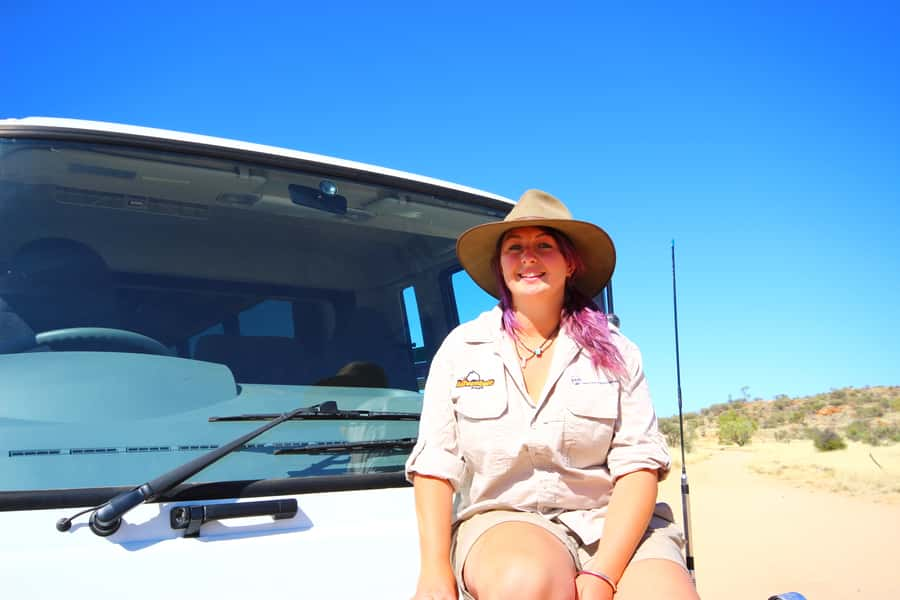
I would choose this tour if you want the major Central Australian sights but do not want to drive huge distances yourself. It suits solo visitors, couples, and friends who are happy to meet a group, share meals, and sleep outdoors.
It also works well for people who value cultural context. The rock art, Anangu creation stories, and Cultural Centre visit keep the trip from being only a series of scenic stops. Guides who explain local plants, geology, and First Nations culture can make a large difference.
I would hesitate if you need private accommodation, late mornings, generous personal space, or predictable restaurant meals. The program is busy, and the heat can make the walks harder than their names suggest. You should also think carefully about the luggage limit and your ability to sleep in a swag.
Should you book the Uluru, Kata Tjuta and Kings Canyon tour?
Book it if you want a concentrated, active introduction to the Red Centre and you are willing to trade comfort for access. The combination of Uluru sunrise and sunset, the Uluru base walk, Walpa Gorge, the Cultural Centre, and Kings Canyon is hard to match in a short visit.
The strongest reasons to go are the excellent timing, the included major walks, and the chance to sleep under the stars without arranging every camp detail yourself. The main cautions are the long drives, basic conditions, early starts, flies, and uneven food portions.
At $548, I consider it fair value for the transport, park fees, meals, camping, equipment, and guiding. Pack light, bring snacks and a fly net, choose the finish point carefully, and expect a real outback trip rather than a polished resort holiday. If that sounds like your kind of adventure, this is a very good way to meet Uluru, Kata Tjuta, and Kings Canyon in one memorable run.
FAQ
How much does the tour cost?
The tour costs $548 per person. The price includes transport, an experienced English-speaking guide, meals, camping, sleeping bag hire, an Australian swag, the listed walks, and national park entry fees.
How long does the tour last?
The experience is described as three days and 84 hours, with two-night and three-night versions available. The two-night option finishes in Alice Springs at about 6 pm on day three. The three-night option finishes in Yulara at about 9 am on day four.
Where can I join the tour?
You can depart from Alice Springs, Yulara, or Uluru Airport. Alice Springs pickup is approximately 6 am. Yulara and airport pickup is usually between 1:40 and 2 pm, and flights must arrive before 1:45 pm.
What walks are included?
The tour includes the Kata Tjuta Walpa Gorge Walk, the Uluru base walk, and the Kings Canyon rim walk. It also includes an Uluru cultural site visit and entry to the Uluru Cultural Centre.
Is camping equipment included?
A swag, sleeping bag hire, and basic shared camping facilities are included. You need to bring your own pillow, warm clothing, torch, toiletries, insect protection, and other personal items.
What luggage can I bring?
The luggage limit is 15 kilograms. Bring one small to medium soft bag or backpack and a small daypack that can fit inside the vehicle. Oversize luggage is not allowed.
Can dietary requirements be accommodated?
Yes. Dietary requirements can be catered for if you notify the operator at least 48 hours before departure. Alcohol and personal items are not included.
Just added in Yulara
- Uluru: Sunset, Sparkling Wine, Cheeseboard & Gourmet BBQ★ 4.4 · 193 reviews
- Uluru: Small Group Sunset Tour with Sparkling Wine★ 4.5 · 82 reviews
- Uluru: Guided Walking Tour at Sunrise with Light Breakfast★ 4.6 · 256 reviews
- Uluru: Small Group Guided Tour with Sunset Refreshments★ 4.8 · 190 reviews
- Uluru Highlights Small Group Morning Tour + Picnic Breakfast★ 4.8 · 212 reviews
- Uluru: National Park Astronomy Tour with Telescope and Photo★ 4.4 · 357 reviews
- Uluru: Guided Trek of Uluru’s Base in a Small Group★ 4.8 · 182 reviews
- Uluru 1.5-Hour Sunset Tour with Sparkling Wine & Cheeseboard★ 4.3 · 226 reviews
Uluru Tours, compared.
Ayers Rock Day Trip from Alice Springs Including BBQ Dinner
Read our review →
Uluru: Field of Light Sunrise Tour with Hot Drinks
Read our review →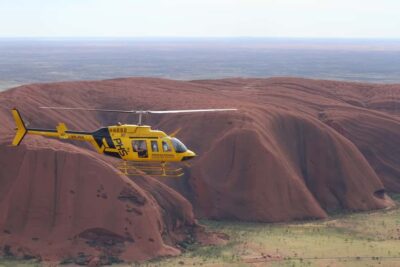
Uluru & Kata Tjuta 25-Minute Helicopter Experience
Read our review →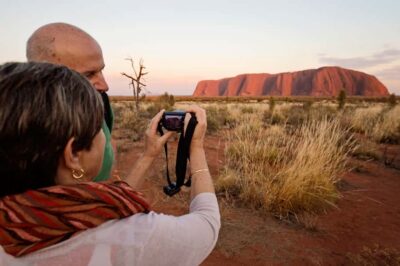
Uluru: Sacred Sites & Sunset Tour with Wine & Cheeseboard
Read our review →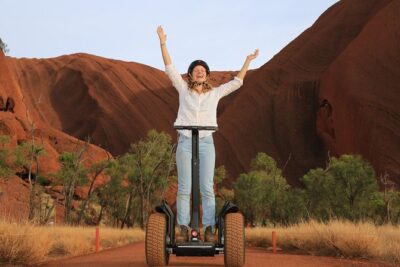
Browse the lists this tour appears in