
Reviewed · ULURU TOURS
3 Day Red Centre Kata Tjuta Kings Canyon Outback ex.Alice Springs
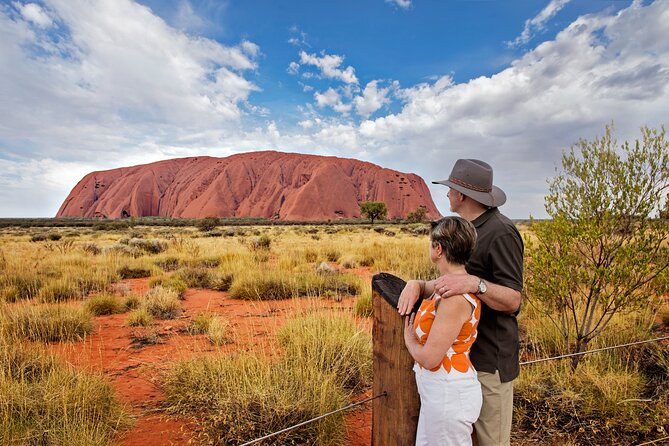
Red Centre days are long, but the rewards are huge. This three-day trip packs Uluru, Kata Tjuta, and Kings Canyon into one outback run from Alice Springs, with guided walks, campfires, meals, and two nights outdoors. I like the choice between a safari tent and a traditional swag, and I like that an accredited guide handles the driving while explaining the country along the way. The main catch is simple: this is a physical, early-start tour, not a gentle sightseeing loop.
I also like the social side. You help with meals, loading, and cleanup, which can turn a group of strangers into a cheerful road crew by the second night. Guides such as Ben, Lea, Jemima, Donk, Jenn, Josie, Marie, and Ash have been praised for being friendly, well organized, and informative. Still, you need moderate to advanced fitness, tolerance for long days, and a willingness to sleep outdoors.
In This Review
- What makes this Red Centre trip worth considering
- Alice Springs to Mount Connor on day one
- Uluru sunrise and Kata Tjuta on day two
- Campfires, safari tents, and sleeping under the stars
- Kings Canyon and the 100-metre cliffs on day three
- What the $570.93 price includes
- The fitness, timing, and packing reality
- Who should book this three-day outback trip?
- Should you book the Red Centre tour?
- FAQ
- How long is the tour?
- Where does the tour start?
- Which major sights are included?
- Is camping included?
- Are meals and park fees included?
- Can I finish the tour at Uluru or Yulara?
What makes this Red Centre trip worth considering
- Two kinds of outback camping: Choose a safari tent with mattress, pillow, and linen, or sleep in a traditional single swag under the stars.
- Three major Red Centre sights: The route includes Uluru, Kata Tjuta, and Kings Canyon, rather than asking you to choose just one.
- Guided walks of roughly 6 to 8 kilometres: You see the parks on foot, with the exact walking demands shaped by your fitness and the day’s plan.
- A real camp routine: Meals, campfires, unpacking, and cleanup give the trip a friendly small-group feel.
- Maximum group size of 23: That is large enough for company but still manageable for a guided bush experience.
- Good practical value: Park entry, 2 breakfasts, 2 dinners, 3 lunches, bedding, and drinking water are included.
Alice Springs to Mount Connor on day one
Your morning begins at about 6am from the Alice Springs Hotel on Leichhardt Terrace. That early start matters. The Red Centre is vast, and reaching Uluru, Kata Tjuta, and Kings Canyon in three days requires plenty of road time as well as time on foot.
The first day takes you toward Uluru, with a short stop at Mount Connor. Often called False Uluru, Mount Connor gives you a useful first look at the region’s giant red rock formations. It is not Uluru, and that is part of the fun. You get a scenic pause before the main event and a reminder that the outback contains more than one famous monolith.
Expect a full day, listed at about 12 hours. The vehicle becomes your moving base, so pack water, sunscreen, a hat, and something easy to reach during the ride. Drinking water is supplied on board, but you need to bring your own bottle.
The exact details of the first day can depend on the guide, conditions, and timing. The tour includes Uluru and an opportunity to learn about Aboriginal culture, so listen closely during the commentary. The guide’s explanations are one of the reasons this trip is more rewarding than simply arranging a transfer between the sights.
By evening, the outback camp changes the mood. You can sit near a campfire, share dinner, and settle into your chosen sleeping arrangement. The camp routine is part of the experience, but it also means you are asked to help prepare food, clean up, and load or unload the vehicle. I see that as a fair trade for a more communal trip, though anyone expecting hotel-style service should know what they are signing up for.
More Outback Tours in Alice Springs:
- Alice Springs Desert Park General Entry Ticket
★ 5.0 · 150 reviews - From Alice Springs/Yulara: 4-Day Red Centre 4WD Camping Tour
★ 4.6 · 68 reviews - Alice Springs Desert Park Nocturnal Tour
★ 5.0 · 45 reviews
Uluru sunrise and Kata Tjuta on day two
Day two starts before dawn. That can feel brutal after a long first day, but the early hour serves a purpose: you have the chance to see sunrise in Uluru-Kata Tjuta National Park before the heat builds.
Uluru is not just a photo stop. The tour includes time at Uluru and discussion of Aboriginal culture, helping you understand why the area matters beyond its famous shape and color. The park pass is included, which removes one extra cost and keeps the day moving.
Kata Tjuta, also known as the Olgas, brings a different look and feel. Uluru is a single massive rock formation. Kata Tjuta is a group of rounded domes, with walking routes that let you see the folds and passages between them. The guided bush walk is about more than exercise. Your guide can point out plants, animals, and details in the rock that are easy to miss when you rush through with a camera.
The walking total across the trip is approximately 6 to 8 kilometres, subject to fitness level and the route used. That figure is important, but it does not tell the whole story. Heat, uneven ground, early starts, and the need to keep moving can make a moderate distance feel demanding. The operator asks for a moderate to advanced level of fitness, and you should take that warning seriously.
Several guides have earned warm praise for their approach. Jemima, often called Jem, has been praised for her knowledge of Alice Springs, outback survival, and care for the group. Ben was singled out for being professional, organized, and friendly, while Lea was praised for clear information and a calm, capable manner. Other strong guide names include Donk, Jenn, Josie, Marie, and Ash.
Guide quality matters here. You are spending long hours together, and a good guide affects safety, timing, food, commentary, and group mood. The strongest part of this experience may not be a single viewpoint. It may be having someone who keeps the day organized while making the long drives feel worthwhile.
Campfires, safari tents, and sleeping under the stars
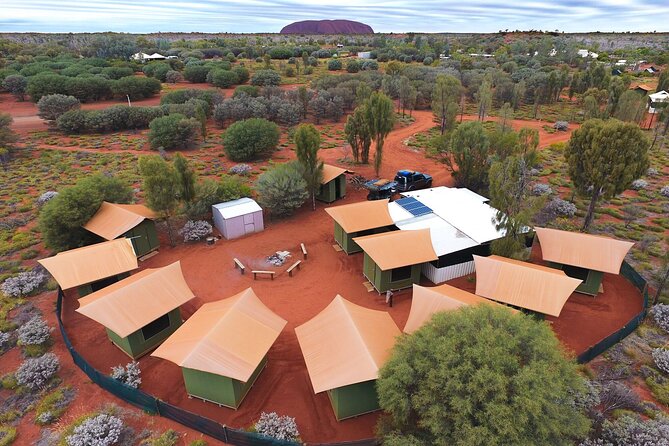
You get two nights at permanent outback campsites, one around Uluru and one around Kings Canyon. The accommodation is basic but thoughtfully set up for an active trip.
The safari tent option includes a mattress, pillow, and bed linen. This is the sensible pick if you want outdoor atmosphere without sleeping directly in a swag. It is still camping, so do not expect a private room or hotel facilities, but it gives you a little more structure at the end of a full day.
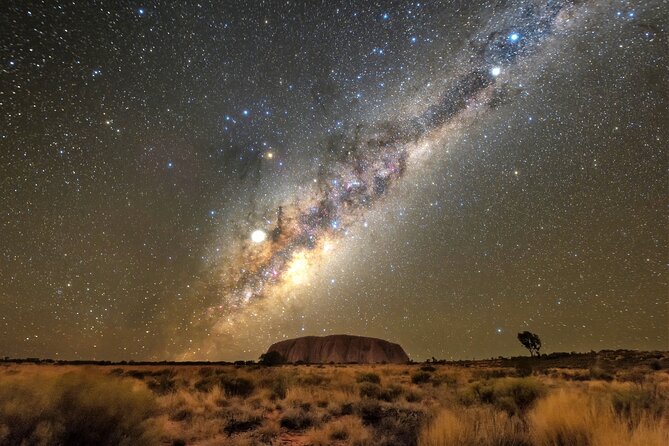
The traditional bush swag is the more memorable choice. A swag is a sturdy sleeping bedroll designed for outdoor use. You sleep beneath the sky, with the possibility of seeing stars away from city lights. One person specifically described the unspoiled skies and lack of light pollution as a major highlight. If you like the idea of hearing the night around you and waking outdoors, this is the option to choose.
A sleeping bag is not included, but you can hire one for A$40 per person, including cleaning. Ask for it when booking. Bring a headlamp, too. One useful packing tip from the trip is to bring both a headlamp and toiletries, items that are easy to overlook when your attention is fixed on the big sights.
Food is included in a practical way: two breakfasts, two dinners, and three lunches. Drinking water is supplied, and bedding depends on your sleeping choice. You must tell the booking agent about dietary needs before departure because supplies are limited once the group leaves for remote areas.
Helping with meals and camp chores can sound like work, but it has a benefit. People eat together, pitch in together, and get to know one another quickly. Groups have included people from several countries and a wide age range, from children to older adults. The shared routine seems to be a strong part of the fun, provided everyone arrives ready to cooperate.
Kings Canyon and the 100-metre cliffs on day three
The final day focuses on Kings Canyon in Watarrka National Park. You start early again and tackle the area’s famous Rim Walk, where cliffs rise roughly 100 metres above the surrounding country.
This is the day to judge your fitness honestly. The Rim Walk is described as the high point of Watarrka National Park, but the tour requires a medium to high level of fitness and mobility overall. You should be comfortable walking several kilometres on uneven ground, handling heat, and getting up early after two active days.
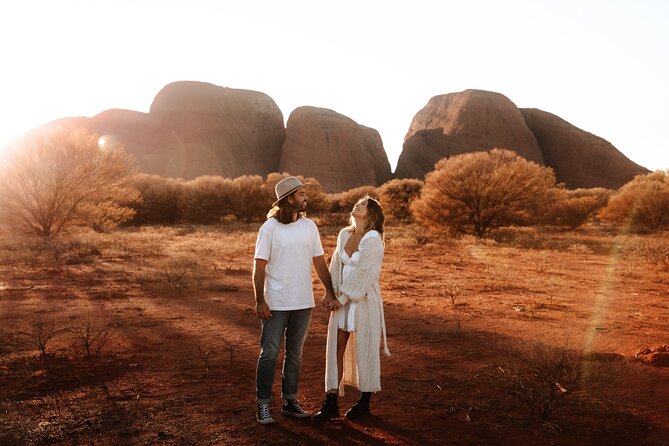
Kings Canyon rewards the effort with dramatic sandstone formations and broad views. The shapes and colors change as you move, so this is not a walk where the best view comes only at the end. Your guide’s commentary adds useful context about the plants, animals, and outback setting.
The drawback is the schedule. Three 12-hour days leave little room for slow mornings or unplanned stops. You will see a lot, but you will not linger everywhere. For many people, that is a fair exchange because the tour connects three major places without requiring them to organize remote transport, park entry, food, and camping on their own.
After Kings Canyon, the trip can finish in Alice Springs or, on selected days and subject to shuttle availability, at Uluru, Ayers Rock, or Yulara. Confirm your preferred drop-off when booking. Do not assume both endings operate every day.
A few more options to weigh up in Alice Springs
- From Alice Springs: Day Trip to Uluru with BBQ Dinner
★ 4.6 · 761 reviews - Ayers Rock Day Trip from Alice Springs Including BBQ Dinner
★ 4.5 · 639 reviews - Early Morning Ballooning in Alice Springs
★ 5.0 · 426 reviews - Alice Springs Camel Tour
★ 4.5 · 404 reviews
What the $570.93 price includes
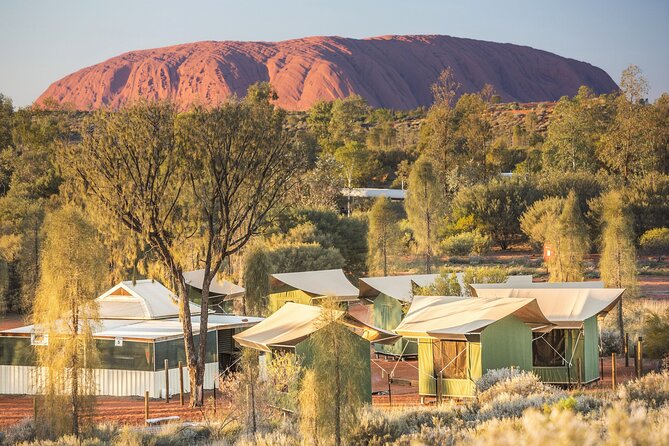
At $570.93 per person, the tour is not a bare-bones bus transfer. Your price includes two nights of permanent campsite accommodation, the Uluru-Kata Tjuta National Park pass, guided bush walks, drinking water, bedding, three lunches, two breakfasts, and two dinners.
That package gives the price reasonable value, especially if you choose the safari tent and would otherwise need to arrange camping equipment, park admission, meals, and transport between three remote areas. The tour also includes an accredited outback driver-guide, which is a major practical advantage. Driving these distances yourself can add vehicle costs, fuel, navigation, campsite planning, and the stress of managing a tight schedule.
You still need to budget for personal expenses, any meals not listed, travel insurance, and a sleeping bag if you hire one. The price also does not buy comfort in the usual sense. You pay for access, guidance, logistics, and an active outdoor experience, not a polished resort stay.
The strongest value comes when you use the whole package. If you only want to see Uluru from a lookout and spend the rest of your time relaxing, this trip may feel too intense. If you want to walk through Kata Tjuta and Kings Canyon, sleep outside, and let someone else handle the major logistics, the cost is easier to justify.
The fitness, timing, and packing reality
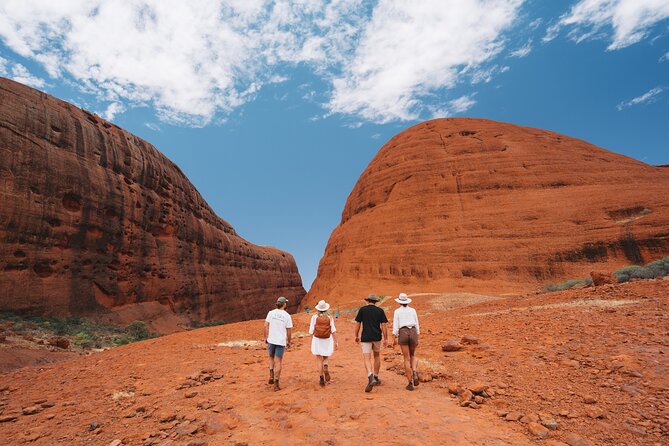
This trip demands preparation. The published start time is 6am, and each day is listed at around 12 hours. You need to be ready for early wake-ups, long vehicle stretches, heat, and guided walks of approximately 6 to 8 kilometres.
The operator asks about medical conditions at booking. Anyone over 75 needs a doctor’s certificate provided 30 days before travel. Service animals are allowed, but the broader physical demands remain significant.
Pack light but carefully:
- Refillable water bottle
- Hat and sun protection
- Comfortable walking shoes
- Headlamp
- Toiletries
- Suitable clothes for hot days and cool nights
- Sleeping bag, or arrange the A$40 hire
- Personal items for two nights of camping
The group can reach a maximum of 23 people. That is not a private tour, and you should expect to share the vehicle, campsite duties, and walking pace with others. The upside is the social atmosphere. Several people found that the group became close, sometimes feeling more like a road trip with friends than a formal excursion.
Fitness is the deciding factor. I would not book this as a casual add-on after a tiring arrival in Alice Springs. Give yourself enough rest beforehand, and be honest about how you handle heat, hills, and early starts.
Who should book this three-day outback trip?
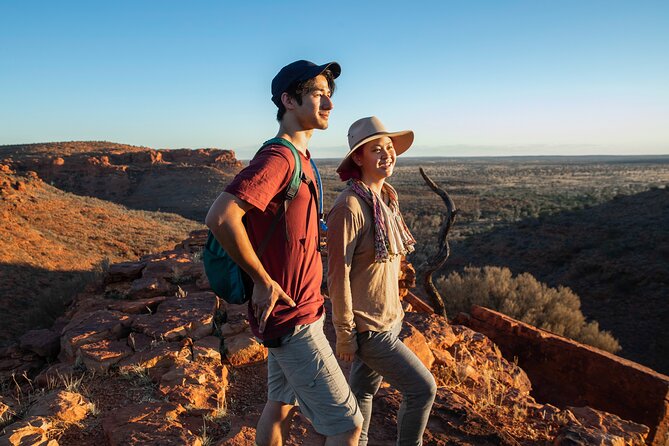
I would recommend it to you if you want the main Red Centre sights in a short period and prefer an organized outdoor trip to independent planning. It suits people who enjoy walking, simple camping, shared meals, and learning from a guide.
It is especially good for solo visitors who want company without arranging a group themselves. The shared chores and campfires create easy chances to meet people, and the group can include a mix of ages and nationalities.
Families and older participants may also enjoy it, but only if everyone can meet the fitness requirements. The tour is not designed around a slow pace or long periods of rest.
I would hesitate if you need private accommodation, dislike early mornings, or want flexible time at each site. I would also think twice if you are not comfortable helping with cooking, cleanup, and vehicle duties. Those tasks are part of the way this trip works.
Should you book the Red Centre tour?
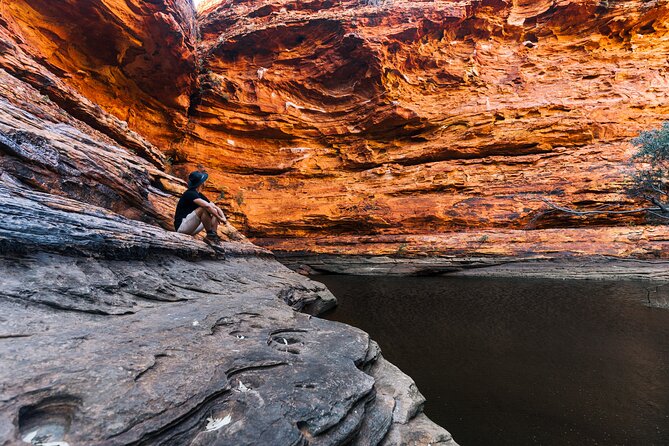
Book it if you want three major sights, guided walking, and real camping in one tightly planned journey from Alice Springs. The combination of Uluru, Kata Tjuta, and Kings Canyon is the big draw, while the meals, park pass, bedding, and guide keep the planning simple.
Choose the safari tent if you want a more comfortable night, or the swag if sleeping under star-filled skies is part of your Australian dream. Bring a headlamp, arrange a sleeping bag early if needed, and confirm your return point before paying.
Skip it if you want a relaxed holiday. This is a full-on outback adventure with long days, early starts, shared chores, and physical walks. For the right person, that is exactly why it works.
FAQ
How long is the tour?
The experience lasts approximately three days, with each day listed at around 12 hours.
Where does the tour start?
It starts at the Alice Springs Hotel, 11 Leichhardt Terrace, Alice Springs, at about 6am.
Which major sights are included?
The tour includes Uluru, Kata Tjuta, also called the Olgas, and Kings Canyon.
Is camping included?
Yes. Two nights at permanent outback campsites are included. You can choose a traditional bush swag or a safari tent. The safari tent option includes a mattress, pillow, and bed linen.
Are meals and park fees included?
Yes. The package includes two breakfasts, two dinners, three lunches, drinking water, and the Uluru-Kata Tjuta National Park pass. Bring your own water bottle.
Can I finish the tour at Uluru or Yulara?
The tour normally ends in Alice Springs, but selected departures may finish at Uluru, Ayers Rock, or Yulara, subject to shuttle availability. Confirm your preferred drop-off when booking.
Just added in Alice Springs
- From Alice Springs: West MacDonnell Ranges Half Day Trip★ 4.4 · 44 reviews
- From Alice Springs: West MacDonnell Ranges Day Trip★ 4.7 · 296 reviews
- Uluru: 4-Day Rock to Rock Adventure Tour★ 4.9 · 141 reviews
- Alice Springs to Uluru (Ayers Rock) Coach Transfer★ 4.5 · 39 reviews
- Uluru, Kata Tjuta and Kings Canyon Camping Safari from Alice Springs★ 5.0 · 162 reviews
- West MacDonnell Ranges & Standley Chasm Day Trip from Alice Springs★ 5.0 · 67 reviews
- 1 Day Alice Explorer★ 4.5 · 80 reviews
- West MacDonnell Ranges Day Trip from Alice Springs★ 4.5 · 364 reviews
Uluru Tours, compared.
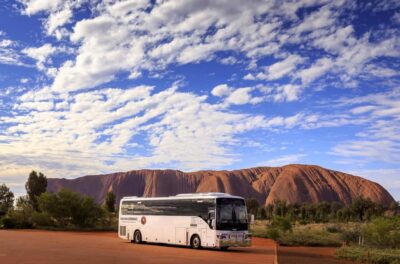
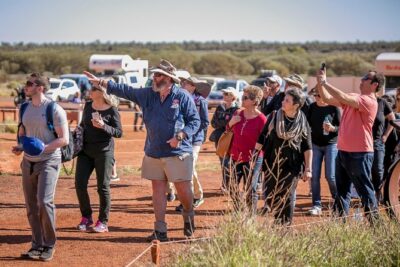
Ayers Rock Day Trip from Alice Springs Including BBQ Dinner
Read our review →
Uluru: Field of Light Sunrise Tour with Hot Drinks
Read our review →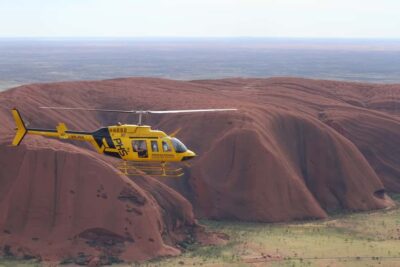
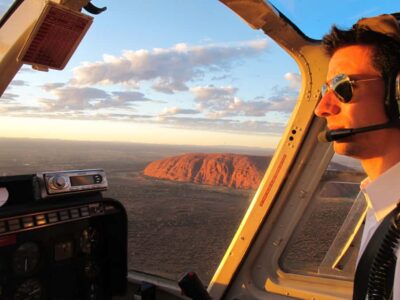
Uluru & Kata Tjuta 25-Minute Helicopter Experience
Read our review →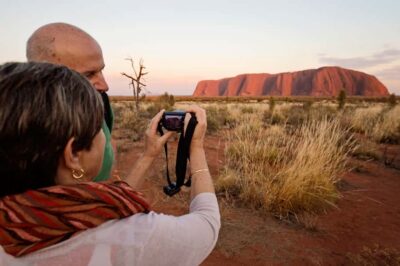
Uluru: Sacred Sites & Sunset Tour with Wine & Cheeseboard
Read our review →
Browse the lists this tour appears in