
Reviewed · ULURU TOURS
Uluru: 4-Day Rock to Rock Adventure Tour
The desert rewards early risers. This four-day Red Centre trip combines Uluru sunsets and Kata Tjuta sunrises with serious walks, campfire meals, and nights spent in a swag beneath the stars. I like the mix of iconic sights and hands-on bush camping, especially the Valley of the Winds hike and Kings Canyon Rim Walk. The main drawback is the schedule: early starts, long drives, heat, flies, and sleeping on the ground demand a willing body and a flexible attitude.
At $516 per person, the price covers camping, park fees, transport, an English-speaking guide, and every meal, including dietary requirements. That makes the cost fair for a four-day Outback trip, though you still need to budget for a sleeping bag rental, personal expenses, and a fly net. Guides vary by departure, but names praised include Sophie, Phoebe, Liv, Nat, Tim, CJ, Rachel, and Lachie.
In This Review
- What makes this Outback trip worth considering
- Day 1: Alice Springs, Uluru, and a sunset toast
- Day 2: Kata Tjuta, the Valley of the Winds, and Kings Creek Station
- Day 3: The Kings Canyon Rim Walk and Curtin Springs
- Day 4: A slow breakfast and the final Uluru view
- What the $516 price really includes
- The physical effort, heat, and sleeping arrangements
- The guide can shape the whole four days
- Is the transport comfortable enough?
- Who should book this Uluru tour?
- Final call: book it for the stars and the walks
- FAQ
- How much does the Uluru Rock to Rock tour cost?
- How long does the tour last?
- Where can I be picked up?
- Is a sleeping bag included?
- What walks are included?
- Is the tour suitable for children?
- Can dietary requirements be accommodated?
What makes this Outback trip worth considering
- Swag camping under the Milky Way: You sleep outdoors rather than in a tent, with campfires and wide desert skies overhead.
- Three major walks: The program includes a guided Uluru walk, the Valley of the Winds, and Kings Canyon’s Rim Walk.
- Sunrise and sunset timing: The early starts and evening stops are planned around the desert light, not convenient lie-ins.
- Real camp participation: You may collect firewood, help cook, and share meals around the fire.
- Small-group spirit: Some departures have had groups of only six, creating room for conversation and occasional extra walks.
- A practical all-inclusive price: Meals, transport, camping, and national park fees are included in the $516 rate.
Day 1: Alice Springs, Uluru, and a sunset toast
The Alice Springs pickup begins around 6:00 to 6:15 in the morning. That gives you a full day on the road and makes this option useful if you are starting in Alice Springs rather than flying straight to Uluru. Pickup from Ayers Rock Airport is listed for around 1:00 or 2:00 in the afternoon, while airport-area accommodation pickups run around 12:30 to 1:00.
Once the group is together, the bus heads toward Uluru. The air-conditioned vehicle matters here. Outback distances are large, and the heat can be intense, with one departure reporting temperatures around 40 degrees Celsius. You will spend time riding between sites, so a cool bus and a good playlist can make the long stretches far easier.
The first major activity is a guided walk around Uluru. This is not simply a photo stop. Your guide provides context about Anangu culture, local plants, animals, and the significance of places around the rock. Some areas may not allow photography, so prepare to put the camera away and pay attention. That restriction is part of respectful visiting, not an inconvenience to work around.
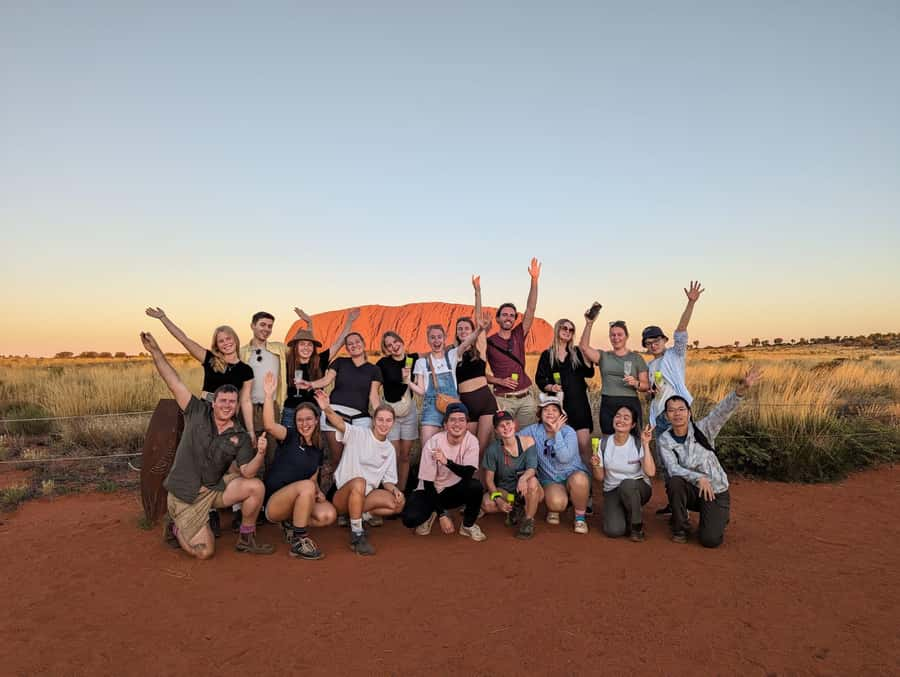
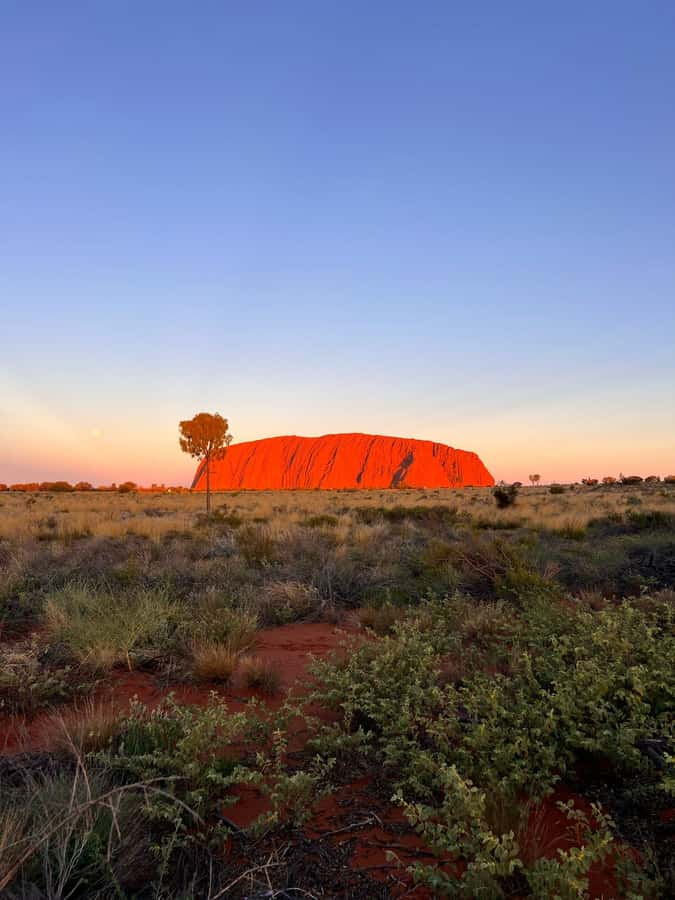
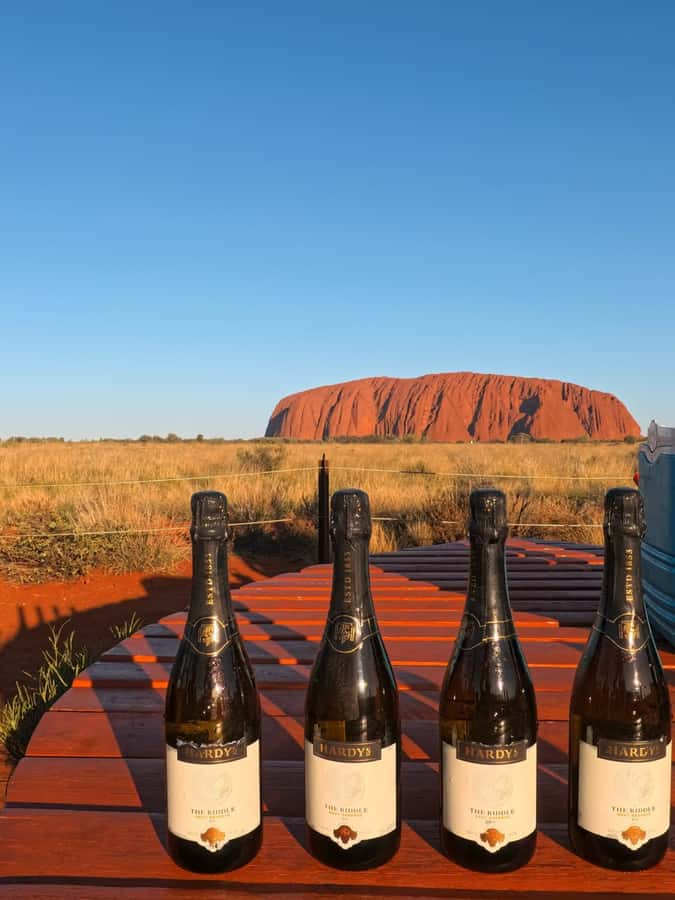
Uluru changes character as the day fades. The sunset stop gives you time to watch the rock shift through warm shades while enjoying a glass of sparkling wine. It is a polished touch in an otherwise earthy trip, and it helps mark the transition from sightseeing to bush camping.
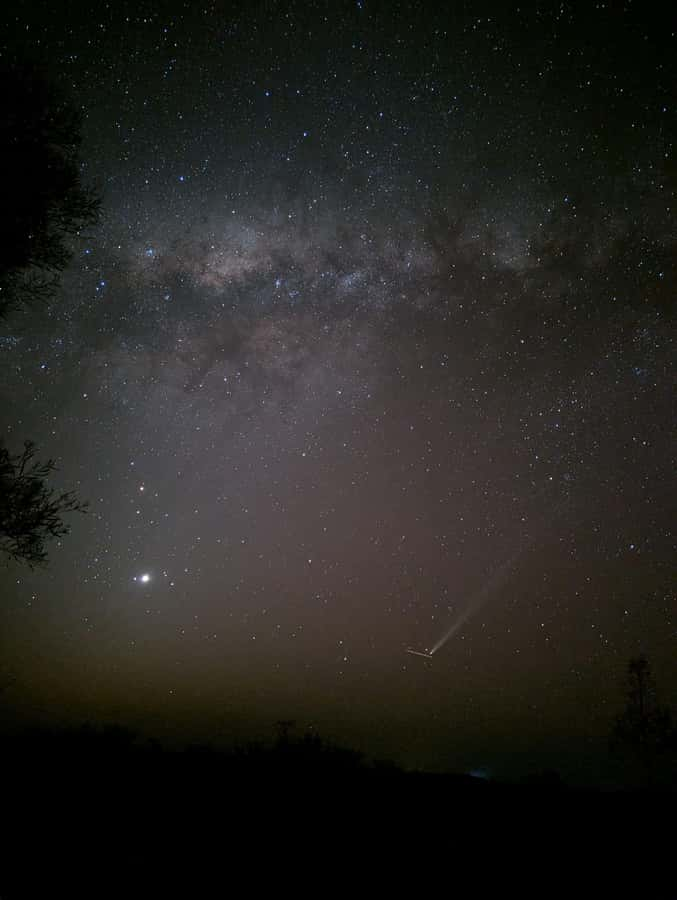
After sunset, you return to camp for a hot shower and a substantial meal. Then comes one of the defining parts of the tour: sleeping in a swag under the night sky. A swag is closer to a sturdy outdoor bedroll than a conventional tent. You are on the ground, exposed to the open sky, and much closer to the sounds and temperature of the desert.
That sounds romantic, and it can be. It is also worth taking seriously. Bring warm layers, a small pillow, and a suitable sleeping bag. You can rent a sleeping bag on arrival for $30 AUD, but the packing list asks you to bring one, so check the arrangements before departure.
A few more options to weigh up in Alice Springs
- From Alice Springs: Day Trip to Uluru with BBQ Dinner
★ 4.6 · 761 reviews - Ayers Rock Day Trip from Alice Springs Including BBQ Dinner
★ 4.5 · 639 reviews - Early Morning Ballooning in Alice Springs
★ 5.0 · 426 reviews
Day 2: Kata Tjuta, the Valley of the Winds, and Kings Creek Station
Day two begins early. Very early starts are part of the deal because sunrise is one of the central rewards of visiting the Red Centre. You head toward Kata Tjuta for the morning light, with views that also take in Uluru and the surrounding desert.
Kata Tjuta, also known as the Olgas, feels different from Uluru. Instead of one massive monolith, you see a group of rounded rock domes with deep valleys between them. The change in form gives the morning walk a different mood, and the low light makes the red stone especially striking.
The main walk is through the Valley of the Winds. Expect a proper hike rather than a flat stroll. Some sections have steep inclines, and you will need comfortable shoes, plenty of water, sunscreen, and a hat. Wear layers because desert temperatures can swing sharply between the cool morning and hot middle of the day.
Your guide sets the pace and shares information about the area, Aboriginal culture, geology, plants, and animals. The strongest guides appear to add a lot to the day. Sophie was praised for her careful explanations and attention to small details, while CJ was noted for combining stories with a good eye for the best viewpoints. Guides vary, so treat those names as examples rather than a promise.
After the walk and lunch, the bus continues through the Outback toward Kings Creek Station. Along the way, you see the George Gill Range and the broad, open country around it. This part of the journey is less about one headline attraction and more about watching the country change from the bus window.
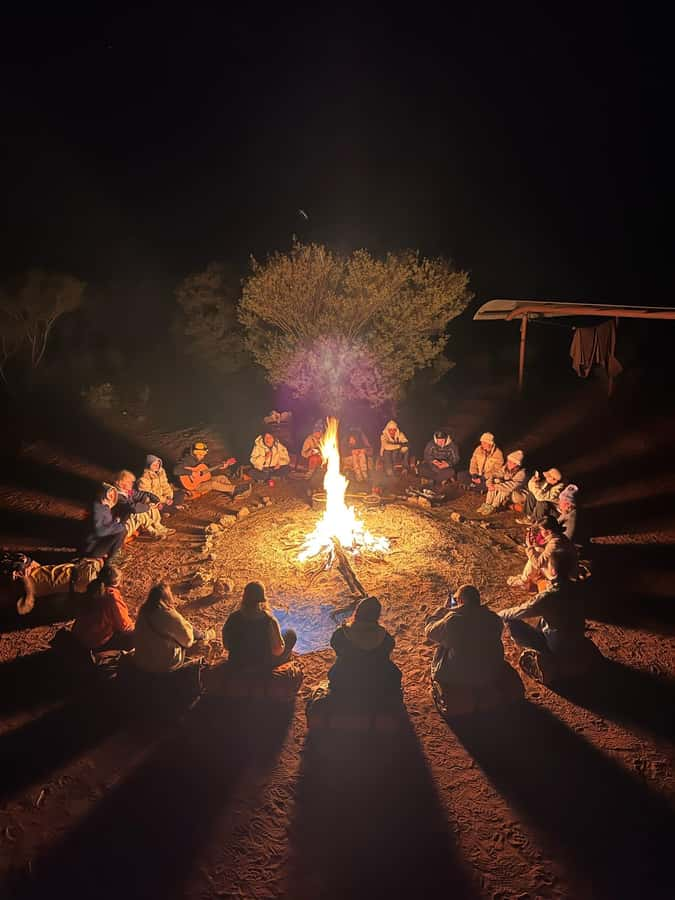
Kings Creek Station is the setting for an Aussie barbecue beneath the stars. You help with the practical side of camp life, which can include collecting firewood and preparing food. This shared work helps the group settle into a rhythm. It also means you should not expect a fully catered restaurant experience every night.
The food receives strong praise, including from people with vegan diets. Meals are included, and dietary requirements can be accommodated, but you should provide those details when booking. Dinner around the fire is one of the tour’s most authentic touches. You eat, talk, and look up at the sky without a roof between you and the stars.
Day 3: The Kings Canyon Rim Walk and Curtin Springs
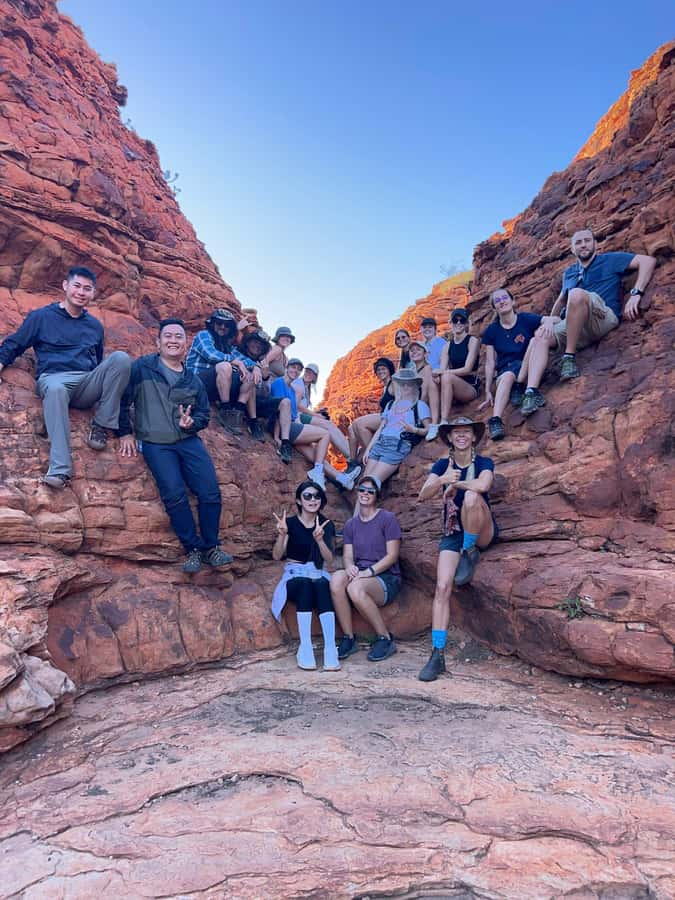
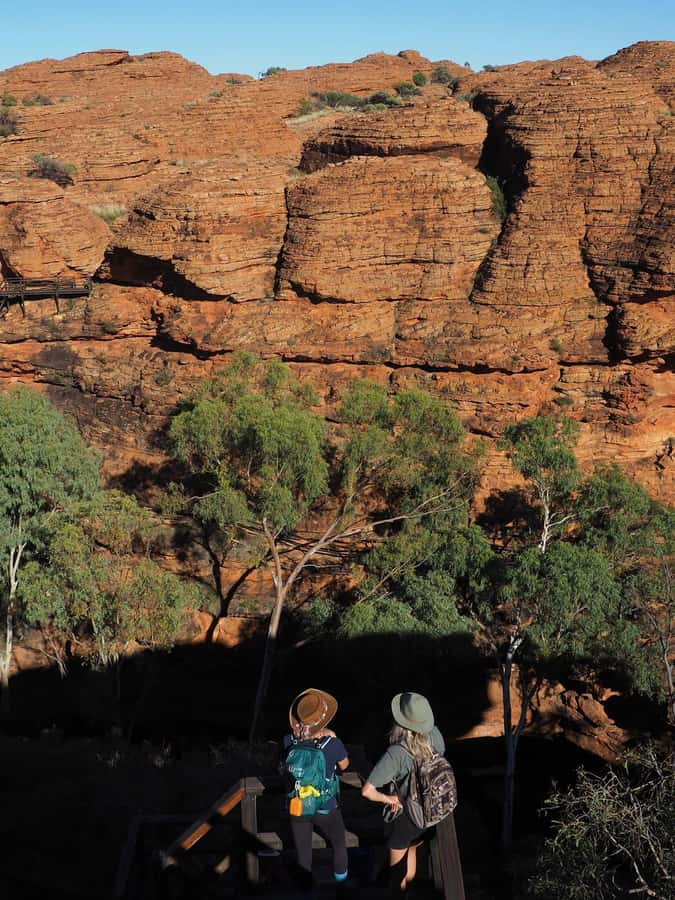
The third day focuses on Kings Canyon in Watarrka National Park. The Rim Walk is the physical centerpiece of the trip. It gives you high views across the canyon and takes you through some of the Red Centre’s most dramatic rock formations.
You need to be ready for a demanding morning. The walk includes uneven ground and steep sections, so hiking shoes are a sensible choice. The tour is not designed for someone seeking a gentle sightseeing circuit. If you have back or heart problems, are pregnant, or are unsure about your fitness, this is not the right type of activity.
One especially appealing stop is the Garden of Eden. This sheltered area offers a calmer contrast to the exposed rock and dry country around the canyon. After the effort of the Rim Walk, it provides a place to slow down and take in the setting.
You return to Kings Creek Station for downtime and lunch before moving on. This pause is useful because three major walks in four days can catch up with you. The trip keeps moving, but it does not fill every minute with another scheduled attraction.
That evening, the group heads to a private bush camp at Curtin Springs Station. You can photograph sunset views of Mount Conner before settling in for another night outdoors. Mount Conner is sometimes mistaken for Uluru from a distance, so this stop adds a useful visual reminder that the Red Centre contains several huge and distinctive formations.
The second bush night is where the camping experience either wins you over or tests your patience. You may get a clearer sense of how well you sleep in a swag, how you handle the cold, and how much you enjoy the simple routine of fire, food, stars, and conversation. Several guides have added small personal touches here, from music and jokes to a pasta dinner or even a chocolate cake by the fire.
Day 4: A slow breakfast and the final Uluru view
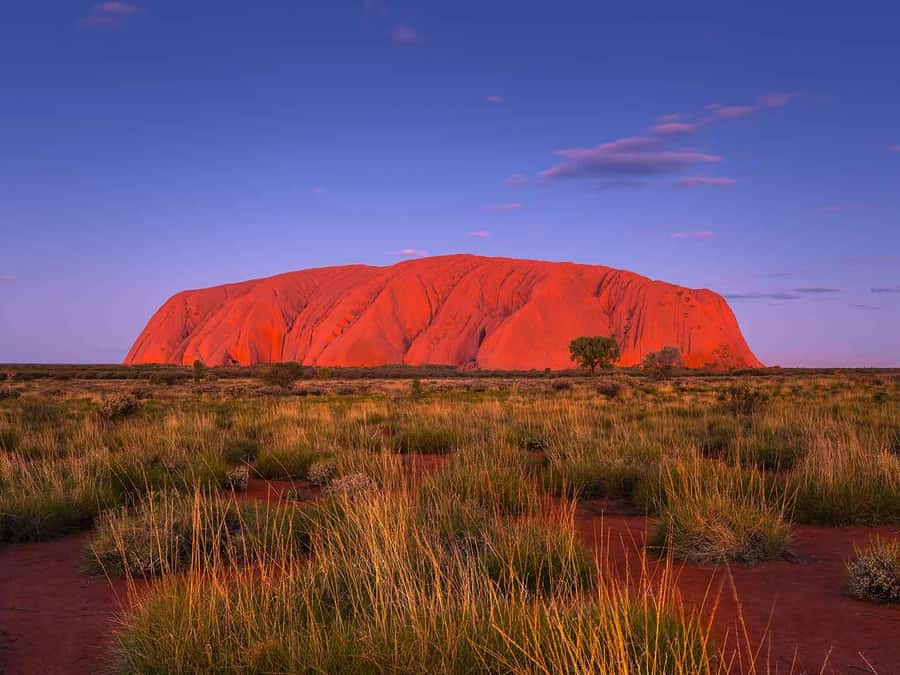
After several pre-dawn starts, day four allows a sleep-in. That slower morning is welcome. You have a cooked breakfast, pack up, and make one final photo stop at Uluru.
The tour ends at the airport around 10:00 in the morning. One practical point matters here: the advertised finish has been close enough for some people to consider a 10:00 flight, but the activity information does not promise a guaranteed connection. If you are booking onward air travel, allow a sensible margin for road delays and the needs of the group.
The short final morning also explains why this trip works best as a focused Red Centre circuit rather than a relaxed resort holiday. You see a lot in four days, but the schedule is built around movement, walking, and outdoor activity.
A completely different kind of day out:
- Alice Springs Camel Tour
★ 4.5 · 404 reviews - West MacDonnell Ranges Day Trip from Alice Springs
★ 4.5 · 364 reviews - From Alice Springs: West MacDonnell Ranges Day Trip
★ 4.7 · 296 reviews - Alice Springs: Early Morning Hot Air Balloon Flight
★ 4.9 · 243 reviews
What the $516 price really includes
The headline price is $516 per person. For four days, that works out to $129 per day before considering the included transport, meals, accommodation, and national park fees.
The package includes:
- Camping
- National Park fees
- Breakfast, lunch, and dinner as listed for each day
- Air-conditioned bus transport
- An experienced Australian tour guide
- Dietary requirements within the meal arrangements
That bundle gives the price real value. Independent planning would require you to arrange transport across large distances, pay park entry costs, buy several meals, and organize camping. The tour also handles the route and timing around sunrise and sunset, which is useful in a remote region where poor planning can waste hours.
You still need to pay for personal expenses and possibly a $30 AUD sleeping bag rental. Fly nets are not included, and the packing information specifically asks you to bring a face fly net. Take that advice seriously. Flies are part of Outback life, and your enjoyment will improve if you can eat, walk, and take photos without constant swatting.
The physical effort, heat, and sleeping arrangements
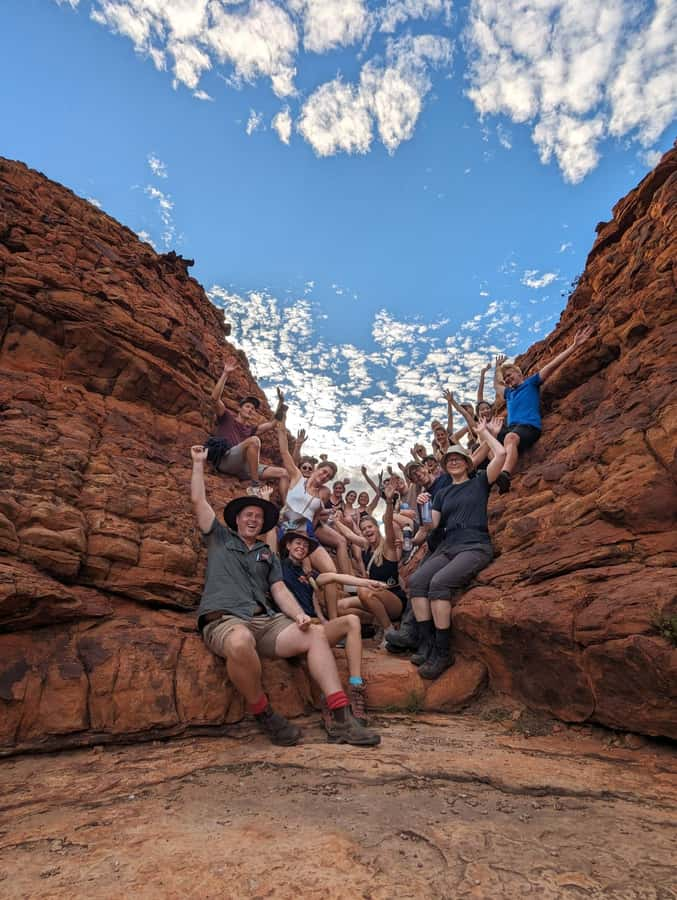
This is an adventure tour in a practical sense, not just a marketing label. You hike at Uluru, walk through the Valley of the Winds, complete the Kings Canyon Rim Walk, carry a daypack, sleep on the ground, and may help gather firewood and cook meals.
You should pack comfortable walking shoes or hiking shoes, water, a reusable bottle, sunscreen, sunglasses, a hat, warm clothing, swimwear, a towel, and a small pillow. Layers are important. The desert can be cold before sunrise and very hot later in the day.
The age guidance is unusually specific. The tour is recommended for people aged 18 to 49, with insurance coverage listed up to age 59. Anyone under 18 is not allowed to join, and children, pregnant women, and people with back or heart problems are not suitable for this trip.
The age range also shapes the social side. Guides work to bring strangers together, and shared camp duties make that easier. If you enjoy meeting people, music on the bus, group meals, and campfire conversation, you will probably like the tone. If you prefer private rooms, quiet mornings, and control over the daily pace, choose a different Uluru option.
The guide can shape the whole four days
A good guide matters greatly on a trip like this. You are not only being driven from one rock formation to another. You rely on the guide for walking pace, timing, cultural explanation, meal preparation, camp organization, and the group mood.
The strongest examples include Sophie, who was praised for her stories about Anangu people, animals, and plants; Phoebe, who brought warmth and energy; Liv, who created a friendly group atmosphere and handled vegan meals well; and Nat, who adjusted plans when weather interfered. Tim was remembered for wake-up music, geographical facts, and bringing a full bus together.
Other praised guides include CJ, Rachel, James, Alex, and Lachie. Their personalities differ, but the common thread is care, humor, and clear explanations. You cannot choose your guide from the supplied information, so book this trip for the overall style rather than for one specific person.
Is the transport comfortable enough?
The air-conditioned bus is a major practical benefit, but it does not turn the trip into a luxury coach holiday. You spend substantial time traveling between Alice Springs, Uluru, Kata Tjuta, Kings Creek Station, Kings Canyon, and Curtin Springs Station.
The long rides are balanced by walks, meals, and stops. A small daypack, refillable water bottle, snacks if you prefer them, and layers for changing temperatures will make the bus time easier. Music has been part of the fun on some departures, but the social atmosphere depends on your group and guide.
The transport score is strong, with 89 percent of ratings giving it a perfect mark. That suggests the vehicle and driving side of the trip generally work well, though the heat can still be tiring and no bus can make Outback distances short.
Who should book this Uluru tour?
I would choose this trip if you want to see the Red Centre’s three major walking areas in one organized route. It suits a fit adult who likes early mornings, open-air camping, group cooking, and a full schedule.
It is especially useful if you are starting in Alice Springs or arriving through Ayers Rock Airport and want one package to connect the main sights. The included food and park fees remove much of the planning burden, while the guide adds cultural and natural context that you might miss on a self-drive visit.
I would hesitate if your priority is comfort. There are no hotel nights listed, and swag camping means sleeping on the ground. I would also hesitate if you need a slow pace, dislike group activities, or are not comfortable hiking in heat and on uneven tracks.
Free cancellation is available up to 14 days before departure for a full refund. Check the exact start time and airport arrangements when booking, since pickup times vary by location.
Final call: book it for the stars and the walks
You should book the Rock to Rock Adventure Tour if you want an active, social, all-in-one Red Centre experience. The strongest reasons are the three major walks, the sunset and sunrise timing, the campfire meals, and the chance to sleep beneath the Milky Way instead of inside a standard room.
The price is reasonable for what is included, and the guides appear to be a major part of the experience. Pack for heat, cold, flies, steep tracks, and basic camping. If that sounds exciting rather than inconvenient, this four-day route gives you a memorable way to meet Uluru, Kata Tjuta, and Kings Canyon properly.
FAQ
How much does the Uluru Rock to Rock tour cost?
The tour costs $516 per person. Camping, national park fees, all listed meals, air-conditioned transport, and an English-speaking guide are included.
How long does the tour last?
The tour lasts four days. It begins with pickup in Alice Springs at around 6:00 to 6:15 in the morning, or with afternoon pickup options near Ayers Rock Airport and selected accommodation.
Where can I be picked up?
Pickup is available from Alice Springs accommodation, Ayers Rock Airport, Outback Pioneer Lodge, and Sails in the Desert. The listed times vary by location, so check the specific pickup time when booking.
Is a sleeping bag included?
No. You can rent one on arrival for $30 AUD, or bring your own. A small pillow is also recommended.
What walks are included?
The program includes a guided walk around Uluru, the Valley of the Winds hike at Kata Tjuta, and the Kings Canyon Rim Walk, including the Garden of Eden.
Is the tour suitable for children?
No. Participants must be at least 18 years old. The tour is recommended for ages 18 to 49, and insurance coverage is listed up to age 59.
Can dietary requirements be accommodated?
Yes. All meals are included, and dietary requirements can be accommodated. Provide your needs when arranging the booking.
Just added in Alice Springs
- From Alice Springs: West MacDonnell Ranges Half Day Trip★ 4.4 · 44 reviews
- From Alice Springs: West MacDonnell Ranges Day Trip★ 4.7 · 296 reviews
- Alice Springs to Uluru (Ayers Rock) Coach Transfer★ 4.5 · 39 reviews
- Uluru, Kata Tjuta and Kings Canyon Camping Safari from Alice Springs★ 5.0 · 162 reviews
- West MacDonnell Ranges & Standley Chasm Day Trip from Alice Springs★ 5.0 · 67 reviews
- 1 Day Alice Explorer★ 4.5 · 80 reviews
- West MacDonnell Ranges Day Trip from Alice Springs★ 4.5 · 364 reviews
- 4 Day Uluru Kings Canyon West MacDonnell NP from Alice Springs★ 4.5 · 59 reviews
Uluru Tours, compared.
Ayers Rock Day Trip from Alice Springs Including BBQ Dinner
Read our review →
Uluru: Field of Light Sunrise Tour with Hot Drinks
Read our review →
Uluru & Kata Tjuta 25-Minute Helicopter Experience
Read our review →
Uluru: Sacred Sites & Sunset Tour with Wine & Cheeseboard
Read our review →
Browse the lists this tour appears in