
Reviewed · ULURU TOURS
4 Day Uluru Kings Canyon West MacDonnell NP from Alice Springs
The Red Centre rewards early risers. This four-day small-group trip links Uluru, Kata Tjuta, Kings Canyon and the West MacDonnell Ranges without making you arrange separate transport, campsites, park passes or meals. I like the broad sweep of the route and the chance to walk through places that feel far removed from the usual sightseeing circuit. The guided bush walks, simple camp life and air-conditioned 4×4 bus add real value.
I also like that the tour includes both famous sights and quieter stops such as Mt Connor lookout, Ochre Pits, Ellery Creek Big Hole and Ormiston Gorge. The main catch is the pace: you may walk up to 10 to 12 kilometres, rise around 4 am on some mornings, help with meals and spend long hours on the road. This suits an active visitor who can trade comfort for access to the Red Centre at a reasonable $791.84 per person.
In This Review
- Four things to know before booking
- Why this four-day Red Centre route works
- Day 1: Alice Springs to Uluru, with Mt Connor on the way
- Day 2: Uluru, Kata Tjuta and the Valley of the Winds
- Day 3: Kings Canyon and the Watarrka country
- Day 4: Ormiston Gorge, Ochre Pits and Ellery Creek
- Sleeping in a safari tent or a swag
- Food, transport and the real cost of $791.84
- Group size, guides and the shared-work bargain
- Who should book this Alice Springs adventure?
- FAQ
- Where does the tour start and finish?
- How many people can join the tour?
- What sleeping choices are available?
- How much walking is involved?
- Are meals included?
- Is park entry included?
- Should you book it?
Four things to know before booking
- Uluru is only one part of the route: You also reach Kata Tjuta, Watarrka, Standley Chasm and the Tjoritja, or West MacDonnell, country.
- The first day is long: Pick-up is at 6 am from the Stay at Alice Springs Hotel, followed by a substantial drive toward Uluru.
- Walking is central to the trip: The program calls for moderate to advanced fitness, with walks of up to 10 to 12 kilometres.
- Camping comes in two forms: Choose a twin-share safari tent with a mattress, pillow and linen, or sleep in a traditional bush swag.
- You help run the camp: Meal preparation, washing dishes and loading or unloading the vehicle are shared jobs.
- The group can reach 21 people: That keeps the price down, but it can feel busy when one guide is driving, cooking and leading walks.
Why this four-day Red Centre route works
Many Alice Springs visitors face a choice between seeing one major site slowly or covering a large part of Central Australia with a lot of planning. This tour takes the second path. In four days, you reach the major red-rock sites and spend nights at permanent outback campsites near Uluru, Kings Canyon and the West MacDonnell area.
That saves time and removes several awkward transport gaps. You do not need to rent a vehicle, work out the long distances or book separate accommodation at each stop. The accredited driver-guide handles the route and provides commentary, while the air-conditioned 4×4 bus is built for both sealed roads and off-road tracks.
The trade-off is a full schedule. The tour is not a relaxed base-and-explore holiday. You will leave early, drive for hours, walk in heat and return to camp with practical chores still to do. The structure works best if you value seeing a lot and do not mind simple arrangements.
The overall rating is 4.7 from 59 ratings, with 93 percent recommending the experience. The strongest praise goes to the guides, food, organization, scenery and the sense of being outdoors. That pattern matters because a trip like this depends heavily on the person behind the wheel. Guides named in the feedback include Damien, Adam, Jordan, Alex, Mitch and Sheanna, with particular praise for their safety, humor, local knowledge and care for different walking speeds.
A few more options to weigh up in Alice Springs
- From Alice Springs: Day Trip to Uluru with BBQ Dinner
★ 4.6 · 761 reviews - Ayers Rock Day Trip from Alice Springs Including BBQ Dinner
★ 4.5 · 639 reviews - Early Morning Ballooning in Alice Springs
★ 5.0 · 426 reviews
Day 1: Alice Springs to Uluru, with Mt Connor on the way
Your pick-up is scheduled for 6 am at the Stay at Alice Springs Hotel, 11 Leichhardt Terrace. Confirm your Alice Springs accommodation when you book, since the tour starts and finishes there only.
The first day is mainly about reaching Uluru. The distance takes time, and one detailed account described the first day as roughly 7.5 hours in the bus, including hotel and airport pick-ups. Another noted that Alice Springs to Uluru is about five hours of direct driving, before stops and collection time are added.
That sounds like a lot because it is. Still, the bus has air conditioning, drinking water is available on board, and guides stop at intervals for a stretch and toilet break. This is one reason to bring your own refillable bottle rather than relying on disposable water.
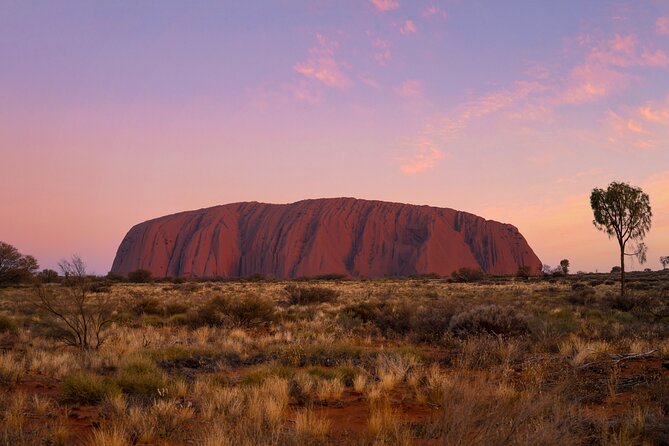
The first notable stop is Mt Connor lookout. Mt Connor is often mistaken for Uluru from a distance, so this viewpoint gives you a useful visual lesson before reaching the real thing. It also breaks up the drive and lets you take in a broad red-rock view without the crowds and formal arrival feeling of a major landmark.
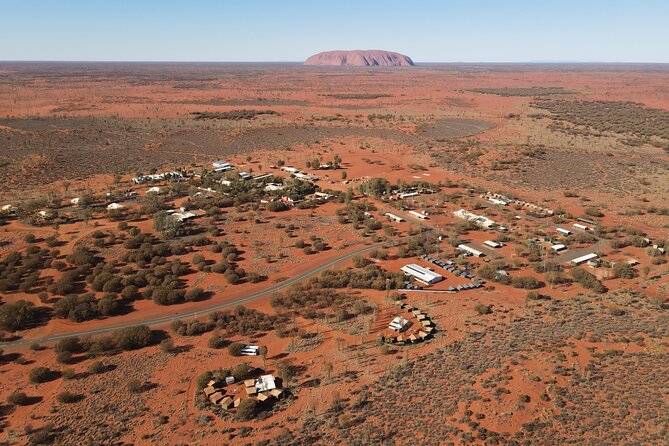
After the drive, you settle into the first permanent campsite near Uluru. Three nights of accommodation are included across the route, with safari tents or swags depending on your selected option. A safari tent gives you a mattress, pillow and bed linen. The swag option is the more traditional outback choice, a canvas-covered bedroll that puts you closer to the open-air camping experience.
Dinner is included, but camp life is shared. You may help unpack the vehicle, prepare part of the meal, wash your dishes and assist with the next morning’s set-up. That can sound like work after a long day, but it also helps the group function and gives you a direct part in the trip rather than leaving all camp duties to the guide.
Day 2: Uluru, Kata Tjuta and the Valley of the Winds
Day two begins early with breakfast and sunrise in Uluru-Kata Tjuta National Park. The park is protected for its striking geological forms, rare plants and natural beauty, and it has UNESCO World Heritage status. You are not simply checking off a famous rock. You are entering a place with strong cultural meaning and a very old physical story.
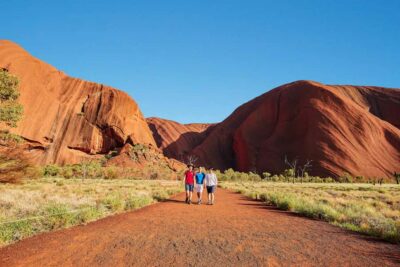
The Uluru area includes walks to Mutitjulu Waterhole, Kuniya Piti and Kantju Gorge. Each gives you a different view of the monolith and its surrounds. Mutitjulu Waterhole brings you into a sheltered setting at the base, while Kantju Gorge is especially suited to seeing how light and shadow change the rock walls. Kuniya Piti is another culturally important place along the base route.
Your guide adds context as you walk. The quality of that commentary can shape the day, and this is where the tour’s guide-led format earns its keep. Damien was praised for explaining details and managing the many small parts of the trip, while Adam was singled out for stories about the country and his own experiences. You should expect interpretation, not just directions to the next viewpoint.
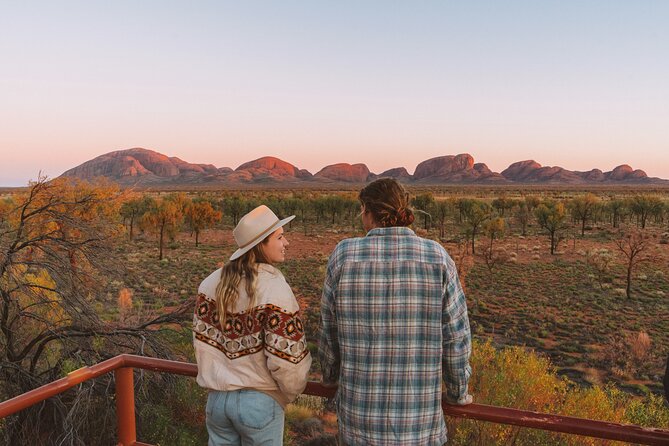
Later, Kata Tjuta changes the mood completely. Also called the Olgas, these huge rounded domes feel more enclosed and rugged than Uluru. The usual walk here is the Valley of the Winds, although Walpa Gorge may be used depending on conditions and the planned route.
The Valley of the Winds is a demanding walk in places. You need sturdy shoes, water and enough fitness for uneven ground, steps and exposure to heat. One of the tour’s most important practical points is that the walks can total 10 to 12 kilometres, though the exact amount depends on the route and your fitness level.
This is also the day when the early start makes sense. In January, one account described hiking very early to avoid the worst heat. The Red Centre is not gentle simply because the walk is popular. Bring sun protection, expect flies and listen carefully to the guide’s instructions about water and pace.
Day 3: Kings Canyon and the Watarrka country
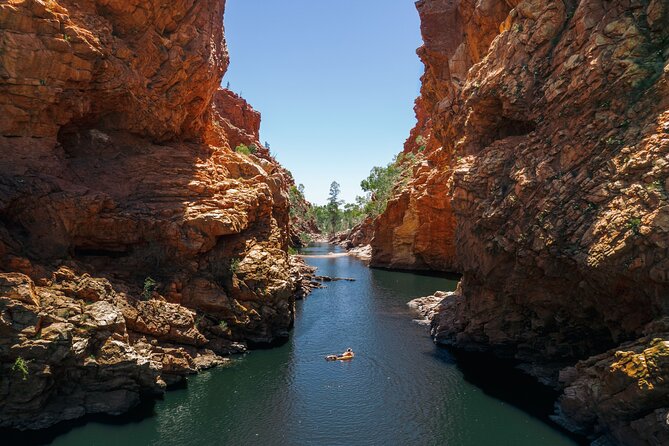
The third morning begins early again, this time with Kings Canyon, or Watarrka. The canyon is part of the country associated with the Ulpanyali and Lilla people, and the walk passes through an ancient setting of cliffs, sandstone and changing vegetation.
The main attraction is the Kings Canyon Rim Walk. You need hiking shoes and a full water bottle. The walk is one of the physical highlights of the trip, but the effort brings broad views and close contact with the canyon walls and upper rim. It is the sort of place where a guide can make the difference between simply seeing red cliffs and understanding how the land formed and why it matters.
Do not book this tour expecting every walk to be short and flat. Some participants have finished sections later than the main group, and one complaint involved feeling left behind during a hike. The operator responded that the concern was taken seriously, but the practical lesson is clear: tell your guide early if your pace is slower, and be honest about your fitness before booking.
The schedule allows walks of roughly two to three hours on some days, but the total walking requirement can be higher. You need moderate to advanced fitness and good mobility. People over 75 need a doctor’s certificate issued within 30 days of travel, and you must tell the operator about medical conditions when booking.
After the walk, you return to the campsite for another included dinner. Food is described as simple but plentiful. The guide often prepares the main meal, while the group helps with clean-up. This is not restaurant dining, but it is practical camp food after a hot day outside.
A completely different kind of day out:
- Alice Springs Camel Tour
★ 4.5 · 404 reviews - West MacDonnell Ranges Day Trip from Alice Springs
★ 4.5 · 364 reviews - From Alice Springs: West MacDonnell Ranges Day Trip
★ 4.7 · 296 reviews - Alice Springs: Early Morning Hot Air Balloon Flight
★ 4.9 · 243 reviews
Day 4: Ormiston Gorge, Ochre Pits and Ellery Creek
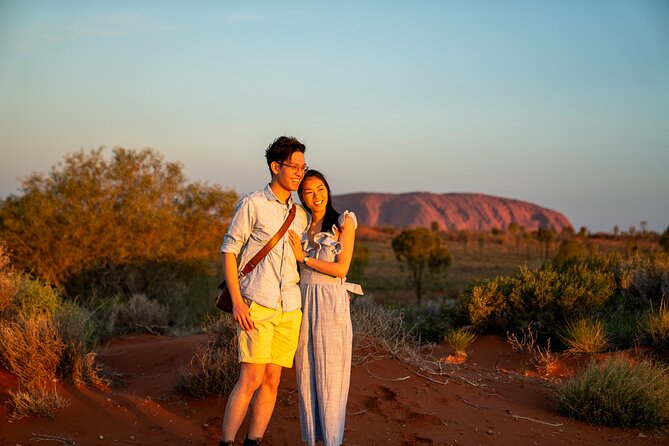
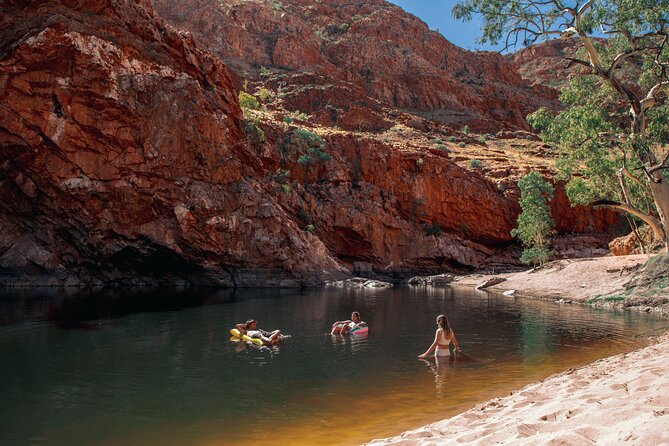
The final day turns north toward Tjoritja, or West MacDonnell National Park. The scenery changes again, with long red walls, gorges, pools and colorful rock formations. The stop at Ormiston Gorge is a strong finale because it combines scale with a more peaceful feel than the major Uluru viewpoints.
Breakfast is taken around the gorge, and the morning can include time to appreciate the rock formations and local wildlife. One memorable account described sitting quietly at Ormiston Gorge while black-footed rock-wallabies appeared and budgerigars flashed through the light. You might find the same stillness here, though wildlife sightings can never be promised.
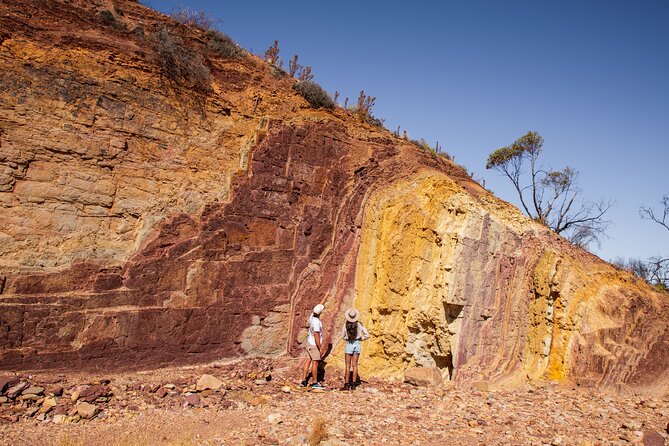
The route also includes the Ochre Pits, where natural mineral colors mark the rock faces, and Ellery Creek Big Hole, a well-known waterhole in the West MacDonnell area. These stops give the last day variety. You are not looking at the same type of red rock for four straight days.
Standley Chasm is included as a pass, adding another narrow gorge experience to the route. The listed admission for the West MacDonnell National Park stop itself is not included, so check the exact fee details before departure. The park pass for Uluru-Kata Tjuta National Park is included.
At the end of the day, the bus returns to the Alice Springs meeting point. Do not schedule a tight onward flight or long-distance connection unless you have confirmed the finishing time with the operator. The advertised duration for each day is about 12 hours, and road conditions, pick-ups, weather and walking pace can affect the return.
Sleeping in a safari tent or a swag
The accommodation is permanent outback camping, not a hotel with a few decorative tents. The safari tent option includes a mattress, pillow and bed linen, and it is the better choice if you want some separation from the ground and a little more structure at night.
The swag option is more basic. A swag is a canvas-covered bedroll, and it suits you if sleeping outdoors is part of the appeal. Ask about hiring a sleeping bag when you book if you need one, since this is not automatically listed as included.
Camping quality can vary by site. One person found the first campsite underwhelming, with dirty toilets a distance from the tents and a tent light that did not work well. That last point matters when you are packing up at 4 am. Bring a small personal torch or headlamp, even though the tour may provide basic camp lighting.
The upside is the night sky and the outdoor setting. Several parts of the trip are built around sunrise, sunset and stargazing rather than indoor comfort. If you love the idea of sleeping near the Red Centre’s open spaces, the campsites add something a hotel cannot.
Food, transport and the real cost of $791.84

The price includes three nights of camping, four lunches, three dinners and three breakfasts. It also includes the Uluru-Kata Tjuta National Park pass, the Standley Chasm pass, on-board drinking water, bed linen for the safari tent option and guided walks.
At $791.84, that is about $198 per day before allowing for the included meals, transport, accommodation and park entry. I consider that solid value for the amount of ground covered, especially because a self-drive version would require fuel, vehicle hire, campsites, food planning and separate entry costs.
The price does not include every meal or personal spending. You should also budget for practical items such as suitable walking gear, sun protection and any sleeping bag hire you request. The included food is simple fare, not a dining experience, but it is enough to keep the trip moving and avoids the need to shop in remote places.
The 4×4 bus is air-conditioned, which is a major comfort in this climate. It can also use off-road tracks, helping the group reach places beyond the most direct road stops. Still, you will spend significant time seated. If you dislike long drives, the four-day route may feel tiring despite the quality of the destinations.
Group size, guides and the shared-work bargain
The maximum group size is 21 people. That is small compared with a large coach tour, but it is not an intimate four-person expedition. Twenty-one people can also mean different walking speeds, varied camping experience and a bus that feels full on long drives.
There is a useful social side to the format. Shared cooking, washing dishes and loading the vehicle give you a reason to talk with the group. A particularly successful guide can turn those chores into part of the fun. Damien, Jordan, Alex, Mitch and Sheanna were all praised for different strengths, including humor, patience, safe driving, local stories and good organization.
The concern is workload. With up to 21 people, one guide may be driving, cooking and leading walks. That can put pressure on the day, especially if weather closes a road or flooding changes the walking plan. Heavy rain once caused flooded trails and dirt roads, forcing the guide and group to adapt.
That flexibility is part of outback travel. Conditions can change, and a scheduled walk may need to be shortened or replaced. You should see the itinerary as a strong plan, not a promise that every path will be open.
Who should book this Alice Springs adventure?
I would recommend this tour if you want the major Red Centre sights but do not want to drive between them yourself. It suits hikers, first-time visitors to Central Australia, solo visitors who like meeting a group and anyone who values a guide’s stories as much as the viewpoints.
It is also a good fit if you want to see more than Uluru. Kata Tjuta and the Valley of the Winds, Kings Canyon’s rim and the West MacDonnell gorges each feel different, so the route avoids becoming a single-landmark trip.
I would hesitate if you need private rooms, late mornings, flexible meal times or smooth hotel-style service. The early starts can be around 4 am, heat and flies are part of the setting, and you will be expected to help with camp tasks. A moderate to advanced fitness level is not a suggestion here. It is central to enjoying the tour safely.
The cancellation terms allow a full refund when you cancel at least six full days before the start time. A cancellation two to six full days ahead receives 50 percent, while cancellations less than two full days ahead are not refunded. All times use local time.
FAQ
Where does the tour start and finish?
It starts at 6 am from the Stay at Alice Springs Hotel at 11 Leichhardt Terrace, Alice Springs. The tour ends back at the same Alice Springs meeting point.
How many people can join the tour?
The maximum group size is 21 people.
What sleeping choices are available?
You can choose a twin-share safari tent with a mattress, pillow and bed linen, or a traditional bush swag. Ask about sleeping bag hire when booking if you need one.
How much walking is involved?
Guided bush walks may total up to 10 to 12 kilometres, depending on your fitness level and the route. A moderate to advanced level of fitness and mobility is required.
Are meals included?
Four lunches, three dinners and three breakfasts are included. Any meal not listed in the itinerary, along with personal expenses, is not included.
Is park entry included?
The Uluru-Kata Tjuta National Park pass and Standley Chasm Gorge pass are included. The West MacDonnell National Park stop is listed with admission not included, so check the applicable fee before departure.
Should you book it?
Book this tour if you want a full, active introduction to the Red Centre and are happy to sleep simply, rise early and share the work. The best value comes from the combination of long-distance transport, four major areas, meals, camp equipment, park entry and strong guide support.
Skip it if your ideal outback trip includes hotel beds, short walks and plenty of free time. For everyone else, this is a practical way to see Uluru, Kata Tjuta, Kings Canyon and the West MacDonnell Ranges in one concentrated journey, with enough camp character to make the trip feel like more than a string of bus stops.
Just added in Alice Springs
- From Alice Springs: West MacDonnell Ranges Half Day Trip★ 4.4 · 44 reviews
- From Alice Springs: West MacDonnell Ranges Day Trip★ 4.7 · 296 reviews
- Uluru: 4-Day Rock to Rock Adventure Tour★ 4.9 · 141 reviews
- Alice Springs to Uluru (Ayers Rock) Coach Transfer★ 4.5 · 39 reviews
- Uluru, Kata Tjuta and Kings Canyon Camping Safari from Alice Springs★ 5.0 · 162 reviews
- West MacDonnell Ranges & Standley Chasm Day Trip from Alice Springs★ 5.0 · 67 reviews
- 1 Day Alice Explorer★ 4.5 · 80 reviews
- West MacDonnell Ranges Day Trip from Alice Springs★ 4.5 · 364 reviews
Uluru Tours, compared.
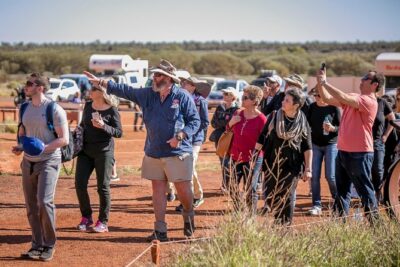
Ayers Rock Day Trip from Alice Springs Including BBQ Dinner
Read our review →
Uluru: Field of Light Sunrise Tour with Hot Drinks
Read our review →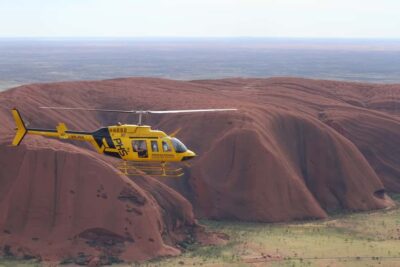
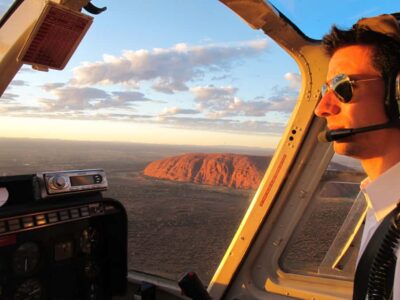
Uluru & Kata Tjuta 25-Minute Helicopter Experience
Read our review →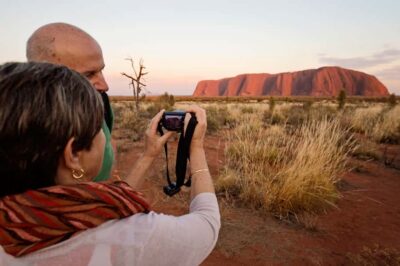
Uluru: Sacred Sites & Sunset Tour with Wine & Cheeseboard
Read our review →
Browse the lists this tour appears in