
Reviewed · ULURU TOURS
Uluru Morning Guided Base Walk
Uluru rewards a slower look. This morning tour pairs an 11-kilometre base walk with stories of the Anangu people, giving you far more than a quick photo stop. I like the excellent local guiding and the chance to see Mutitjulu Waterhole and Aboriginal rock art up close. I also like the early start, which helps you walk before the heat builds. The main drawback is the length: the route is mostly flat, but it can be hot, dusty, windy, and tiring.
The tour costs $142.73 per person, plus the Uluru-Kata Tjuta National Park entry fee of AUD38 for adults. That is a fair price if you want transport, a guide, breakfast, and cultural context in one booking. Just do not expect a café-style meal. The food is basic, and some walkers found the pace brisk.
In This Review
- Key things to know before you book
- Why the Uluru base walk is worth your morning
- The early coach ride to Kuniya Walk
- The 11-kilometre walk around Uluru
- Kantju Gorge and its seasonal waterfall
- Mutitjulu Waterhole and the Kuniya and Liru story
- Breakfast: welcome fuel, not a gourmet meal
- Heat, flies, dust, and the right walking kit
- Price, group size, and overall value
- Who should book the morning walk
- Should you book the Uluru Morning Guided Base Walk?
- FAQ
- How long is the Uluru Morning Guided Base Walk?
- Is hotel pickup included?
- Is the Uluru-Kata Tjuta National Park entry fee included?
- What stops are included on the walk?
- What food and drinks are provided?
- How fit do I need to be?
- Can I cancel for a full refund?
Key things to know before you book
- The walk covers about 11 kilometres: Plan on four hours or more of walking, with stops at Kuniya Walk, Kantju Gorge, and Mutitjulu Waterhole.
- The morning timing matters: You begin early, often around the 5am period, so you can make progress before Central Australia becomes hotter.
- The guides make the experience: Guides such as Glen, Chloe, Michelle, Mitch, Emily, Diane, Tess, and Hayley have been praised for clear explanations, humour, patience, and strong storytelling.
- The walk is mainly flat: You do not need technical hiking skills, but you do need moderate fitness and the ability to keep walking for several hours.
- Breakfast is useful but simple: Expect tea, coffee or hot chocolate, biscuits, cereal, fruit, and snack bars rather than a cooked breakfast.
- Bring water, sun protection, and a fly net: Red dust, heat, and flies are part of the Central Australian morning.
Why the Uluru base walk is worth your morning
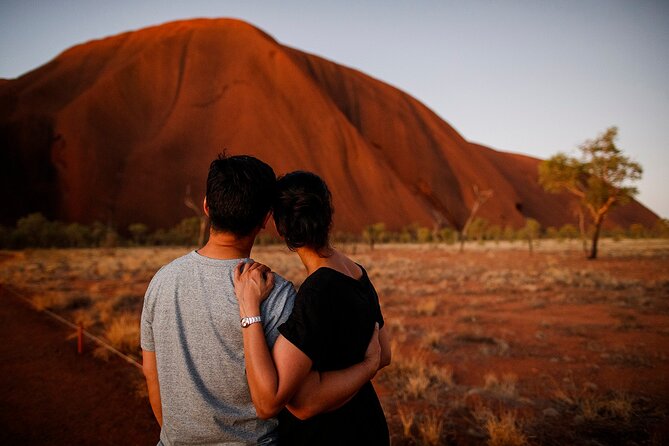
A short stop at Uluru can leave you with a grand photograph but little sense of the place. Walking around the base changes that. The rock shifts shape as you move, and each section offers a different view of its caves, cliffs, gullies, markings, and changing colours.
I like this tour because it does not treat Uluru as a single lookout. You spend time close to the rock, hearing stories tied to particular places. That makes the visit more meaningful and helps explain why this is a sacred site for the Anangu.
The guiding is the strongest part of the experience. Glen is often praised for his humour, warmth, and ability to keep spirits up during an early start. Chloe has been singled out for clear storytelling and a steady, professional approach. Michelle is praised for setting a good pace, while Mitch and Emily have been especially patient with questions.
Guides can make a long walk feel purposeful. Here, the commentary covers Uluru’s geology, Aboriginal culture, Tjukurpa stories, and the connection between people and country. You are not simply told what you are looking at. You are given reasons to pause and pay attention.
The small group size also helps. The maximum is 20 people, and groups of 17 have been described as comfortable. A smaller group gives the guide more room to answer questions and makes it easier to hear stories without a crowd pressing in.
A few more options to weigh up in Uluru
- From Alice Springs: Day Trip to Uluru with BBQ Dinner
★ 4.6 · 761 reviews - Ayers Rock Day Trip from Alice Springs Including BBQ Dinner
★ 4.5 · 639 reviews - Uluru: Field of Light Sunrise Tour with Hot Drinks
★ 4.6 · 572 reviews
The early coach ride to Kuniya Walk
Hotel pickup and drop-off are included, with transport in an air-conditioned coach. This is a real benefit at Uluru, where distances between accommodation, the national park, and the base walk can make independent timing awkward.
The morning begins early, with some departures close to 5am. You may not be at your most alert when you board the coach, but the timing is sensible. By late morning, the sun can make an 11-kilometre walk much harder.
At Kuniya Walk, you can have tea, coffee, or hot chocolate before setting out. This is also where the main walk begins. The setting is a sacred place for the Anangu, and the guide introduces the Tjukurpa stories of the Mala people.
Take this opening talk seriously. It gives you a cultural frame for the rest of the morning. Uluru is not just a natural formation or a famous Australian symbol. It is a living cultural place, and the stories are connected to specific rocks, water sources, paths, and events.
The first section can feel brisk. One participant found it difficult to keep up, while another described parts of the route as faster during the first half. If you walk slowly, tell the guide early. The team has been praised for supporting different abilities, but you should still be ready for a steady pace.
The 11-kilometre walk around Uluru
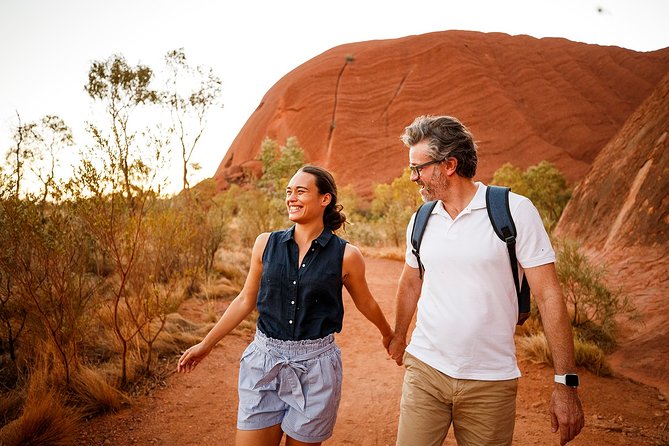
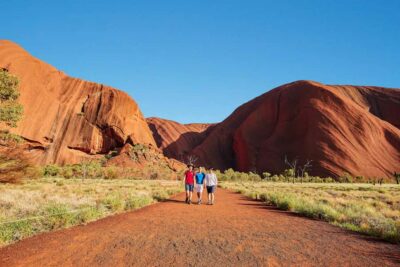
The route is generally flat, but flat does not mean easy. Eleven kilometres is a serious morning walk, especially in heat, dust, and direct sun. You need moderate physical fitness, comfortable footwear, water, and enough energy to keep going after the excitement of the first hour fades.
The red dust is one of the small details that defines the walk. It can cover your shoes and socks, so wear footwear that you do not mind getting dirty. The dust also makes a water bottle, hat, and spare tissues useful.
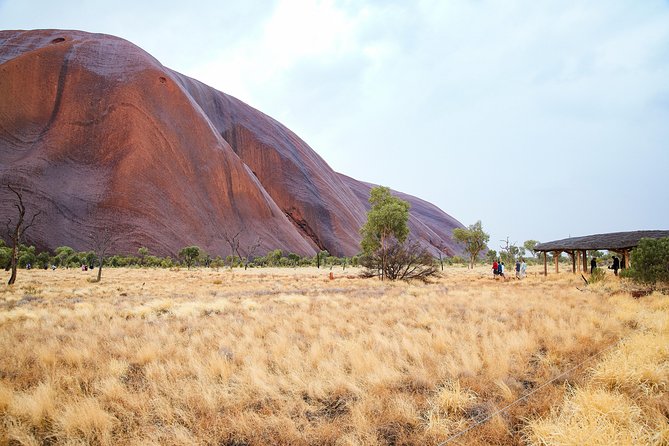
The route offers constant changes in scale. At some points, Uluru feels close enough to touch. In other places, the full size of the rock becomes clear only when you look back along the route. The views are a major reward, but the real value comes from learning what you are seeing.
The tour works best for people who prefer explanation over a quick scenic stop. Your guide points out geological features and connects them with Anangu stories. The commentary can turn a plain-looking crease in the rock into a place with cultural meaning.
You should also expect pauses rather than a race from one attraction to the next. The walk includes stops for commentary, a light breakfast, a toilet break, and the main sights. One person wanted more time during the breakfast and toilet stop, so do not expect a leisurely café break.
Kantju Gorge and its seasonal waterfall
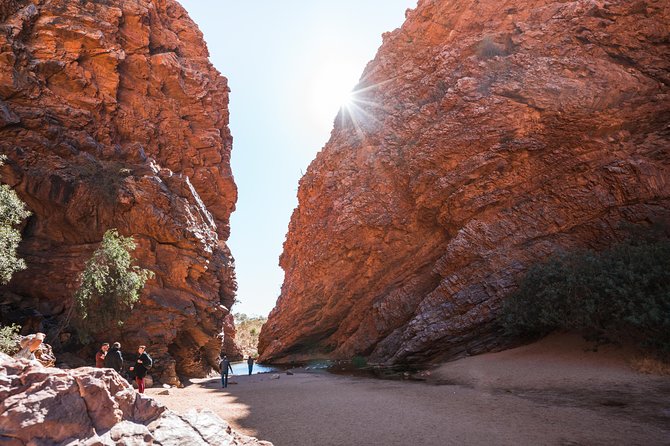
Kantju Gorge is one of the major stops, with about 30 minutes set aside. It is described as the site of the tallest waterfall in Central Australia. The waterfall is not guaranteed to be flowing, so your experience will depend on recent rain and conditions.
Even without running water, the gorge gives the walk a change of mood. You move from the open base route into a more enclosed area, where the rock walls and shadows show another side of Uluru.
The stop is also a useful point to slow down. Four hours and 30 minutes can pass quickly when you are moving, so a proper pause helps you take in the setting. Ask questions here if you want more detail about the rock’s formation or the local stories.
The admission ticket for Kantju Gorge is not included as a separate item, but the national park fee covers your entry to the park. The important extra cost is the adult park pass, not a separate charge at each stop.
A completely different kind of day out:
- Uluru 15-Minute Helicopter Experience
★ 4.9 · 548 reviews - Yulara: Uluru & Kata Tjuta 25-Minute Helicopter Experience
★ 4.8 · 536 reviews - Yulara: Uluru Sunrise and Kata Tjuta Day Trip by Bus
★ 4.5 · 469 reviews - Uluru: Sacred Sites & Sunset Tour with Wine & Cheeseboard
★ 4.5 · 450 reviews
Mutitjulu Waterhole and the Kuniya and Liru story
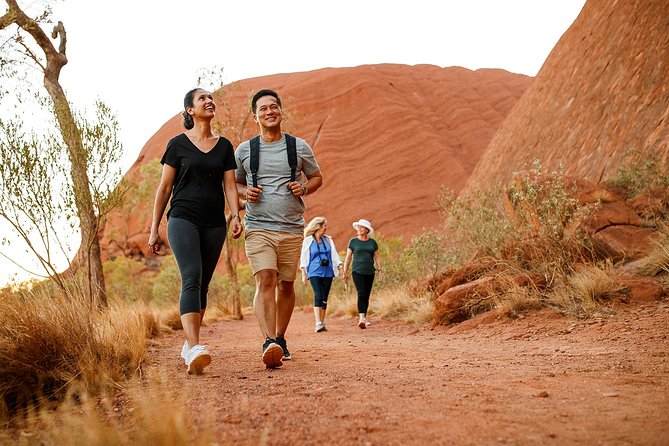
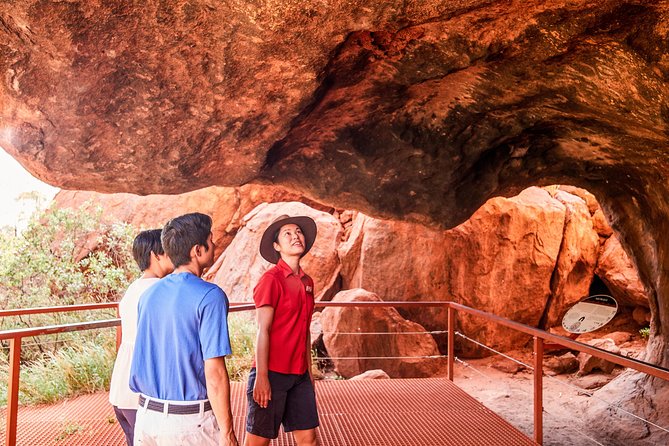
Mutitjulu Waterhole is the most culturally focused stop on the route. You see Aboriginal rock art and hear the story of Kuniya and Liru, two important figures in the local Anangu story tradition.
The waterhole also shows why water is so important in Central Australia. A place with water, shade, and shelter carries practical value as well as cultural meaning. Your guide’s explanation helps you understand why this area is treated with care.
The rock art adds another layer. Rather than viewing marks on the rock as decoration, you learn to see them as part of a long record of teaching and communication. Listen closely, and give the site the respect expected at a sacred place.
This stop is listed at about 30 minutes, followed by a return to Kuniya Piti to mark the completion of the base walk. The exact amount of time you spend looking may feel short if you want to photograph every detail, but the tour needs to keep the group moving to finish within the morning schedule.
Breakfast: welcome fuel, not a gourmet meal
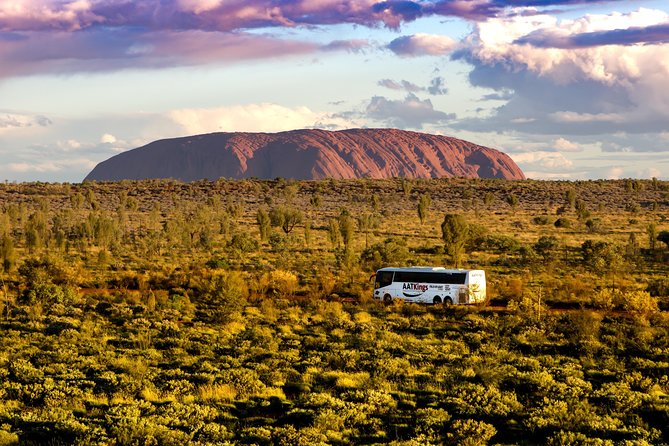
The included breakfast is practical. You can expect a light spread that may include fruit, cereal, biscuits, fruit bars, and a hot drink. Some people appreciated the plentiful snacks and the chance to have tea, coffee, or hot chocolate during the walk.
Others felt the meal was too basic for such a long hike. Muesli bars, cereal, and packaged biscuits do not provide the same satisfaction as a bacon and egg roll or sandwich. You should treat breakfast as a useful top-up, not your only food plan for the day.
The operator has accommodated dietary restrictions, including gluten-free food. If you have a specific need, state it when booking and confirm it before departure. Bring your own walking snack if you know you will need something more substantial.
The timing is sensible because the food arrives during the route rather than only at the start. Still, a few people wanted more time for eating and the toilet break. If you are a slow eater, be ready to keep the stop efficient.
Heat, flies, dust, and the right walking kit
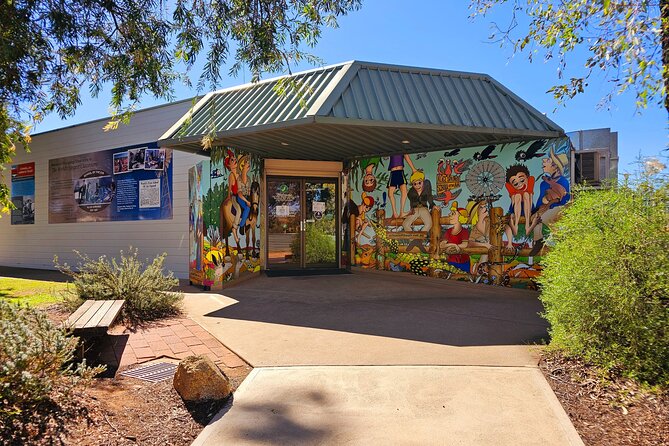
The early departure reduces the heat, but it does not remove the desert conditions. You should bring plenty of water, even though the tour provides refreshments. Also pack a hat, sunscreen, sunglasses, and sturdy walking shoes.
A fly net is worth considering. One family found the flies to be the worst part of the morning and wished they had brought one. You may not need it every day, but it is small, light, and useful if insects are active.
The route is mainly flat, yet the distance can be demanding for older walkers, young children, or anyone unused to long walks. A stroller helped one family with children aged one and three, and the guides supported that choice. The supplied information does not promise a particular stroller setup, so ask the operator if this matters to you.
Rain can change the feel of the outing. A wet morning was described as magical, with the guides handling the conditions well. Still, pack clothing that works in shifting weather and understand that a rainy day may bring mud, wet surfaces, or reduced visibility.
Price, group size, and overall value
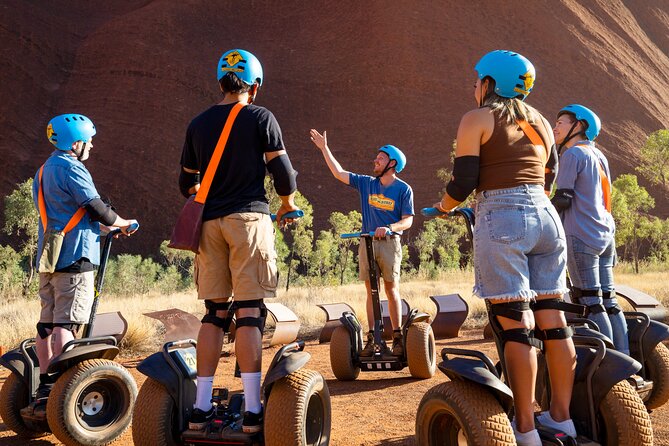
At $142.73 per person, the price includes hotel pickup and drop-off, air-conditioned transport, an experienced local guide, commentary, hot drinks, biscuits, and a light breakfast. The national park entry fee is extra: AUD38 for an adult, valid for three consecutive days. Children enter free according to the supplied details.
I consider the cost reasonable if this is your first visit and you want the day organised for you. Transport alone is useful, but the guide is the real reason to pay for a group tour. Without the stories, you could walk around Uluru and miss much of what gives the place meaning.
A self-guided walk may suit you better if you already have transport, have visited before, or want to set your own pace. This tour is better value if you want cultural interpretation, help with timing, and someone watching the group during a long walk.
The 20-person maximum keeps the group from becoming unwieldy. Smaller groups of around 17 have felt comfortable, and the best guides make the group feel friendly without turning the walk into a performance.
Who should book the morning walk
I would recommend this experience to first-time visitors who want a proper introduction to Uluru. It suits adults and families with a moderate fitness level, provided everyone can manage a long, mostly flat walk.
It is also a good choice if you care about Aboriginal stories and want to hear them at the places connected to them. Guides such as Glen, Chloe, Michelle, and Hayley have been praised for making the culture and geology clear without losing the human side of the visit.
You may want another option if you dislike early starts, cannot walk 11 kilometres, or need a slow and highly flexible schedule. The tour has a steady structure, and some sections can feel fast.
Book with care around your wider Uluru plans. The national park pass lasts three consecutive days, so the extra fee may be useful if you plan to see more of the area during the same visit.
Should you book the Uluru Morning Guided Base Walk?
Book it if you want the most meaningful first look at Uluru, not just the quickest view. The long walk, strong guides, Aboriginal stories, and stops at Kantju Gorge and Mutitjulu Waterhole make this a substantial introduction.
Skip it if a basic breakfast, desert dust, flies, or four hours of walking sound like deal-breakers. For most reasonably fit visitors, though, the early start and steady pace are a fair trade for seeing Uluru from every side and learning why the place matters.
FAQ
How long is the Uluru Morning Guided Base Walk?
The experience lasts approximately 4 hours and 30 minutes. The base walk covers about 11 kilometres, although one itinerary reference describes the distance as 10.5 kilometres.
Is hotel pickup included?
Yes. Hotel pickup and drop-off are included, with transport provided in an air-conditioned coach.
Is the Uluru-Kata Tjuta National Park entry fee included?
No. The adult entry fee is AUD38 per person and is valid for three consecutive days. Children enter free according to the supplied tour information.
What stops are included on the walk?
The walk begins at Kuniya Walk, continues to Kantju Gorge and Mutitjulu Waterhole, then returns to Kuniya Piti to finish the Uluru base walk.
What food and drinks are provided?
The tour includes a light breakfast, tea, coffee or hot chocolate, and biscuits. Breakfast may also include fruit, cereal, and snack bars. It is not described as a cooked meal.
How fit do I need to be?
You should have a moderate level of physical fitness and be able to complete a mostly flat walk of about 11 kilometres. Some parts may be walked at a brisk pace.
Can I cancel for a full refund?
Yes, you can cancel up to 24 hours before the experience start time for a full refund. Cancellations or changes made less than 24 hours before the start time are not refunded or accepted.
Just added in Uluru
- From Alice Springs: West MacDonnell Ranges Half Day Trip★ 4.4 · 44 reviews
- From Alice Springs: West MacDonnell Ranges Day Trip★ 4.7 · 296 reviews
- Uluru: Sunset, Sparkling Wine, Cheeseboard & Gourmet BBQ★ 4.4 · 193 reviews
- Uluru: Sacred Sites Tour + Sparkling at Sunset & BBQ Dinner★ 4.5 · 82 reviews
- Uluru: Small Group Sunset Tour with Sparkling Wine★ 4.5 · 82 reviews
- Uluru: Guided Walking Tour at Sunrise with Light Breakfast★ 4.6 · 256 reviews
- Uluru: Small Group Guided Tour with Sunset Refreshments★ 4.8 · 190 reviews
- Uluru Highlights Small Group Morning Tour + Picnic Breakfast★ 4.8 · 212 reviews
Uluru Tours, compared.
Ayers Rock Day Trip from Alice Springs Including BBQ Dinner
Read our review →
Uluru: Field of Light Sunrise Tour with Hot Drinks
Read our review →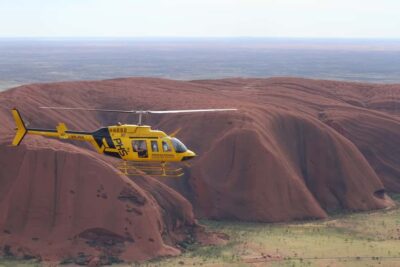
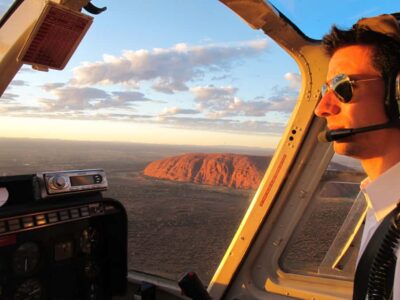
Uluru & Kata Tjuta 25-Minute Helicopter Experience
Read our review →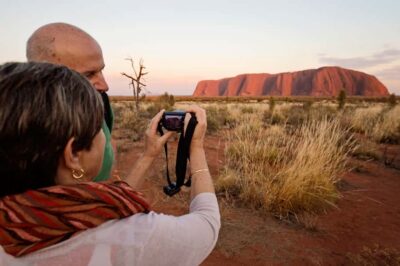
Uluru: Sacred Sites & Sunset Tour with Wine & Cheeseboard
Read our review →
Browse the lists this tour appears in