
Reviewed · ULURU TOURS
Kata Tjuta Sunset Half Day Trip
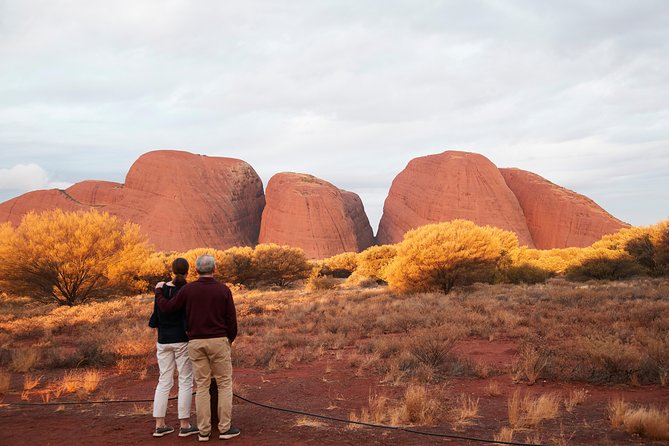
Desert light does the talking here. This short outing carries you from Ayers Rock Resort into Uluru-Kata Tjuta National Park, where the 36 domes of Kata Tjuṯa change color as the sun drops. I like the easy hotel pickup and the chance to pair the view with sparkling wine and nibbles. I also like the local stories and Aboriginal cultural context shared by the driver guide. The main drawback is that you watch from a designated sunset area, not from close beside the domes, and some people find the food and setup less polished than the price suggests.
At $121.21 per person, this is a convenient way to see Kata Tjuṯa without arranging your own transport. The roughly two-and-a-half-hour outing gets you back to the resort in time for dinner, but the title can make it sound like a longer exploration than it is. Bring a fly net, especially in warm weather, and double-check your pickup time carefully.
In This Review
- Key points to know before you book
- From Ayers Rock Resort to the domes of Kata Tjuṯa
- Kata Tjuṯa: a different face of the Red Centre
- Sunset at the Kata Tjuṯa viewing area
- How the guide shapes the experience
- Flies, weather, and small comforts
- Is $121.21 good value?
- Who should book this sunset outing?
- Booking and cancellation details
- Should you book the Kata Tjuta Sunset Half Day Trip?
- FAQ
- How long does the Kata Tjuta Sunset Half Day Trip last?
- Where does the tour begin?
- What is included in the price?
- Is the national park entry fee included?
- Does the tour include a walk through Kata Tjuṯa?
- How many people can join the tour?
- Are other drinks available besides sparkling wine?
- Can most people participate?
- What is the cancellation policy?
Key points to know before you book
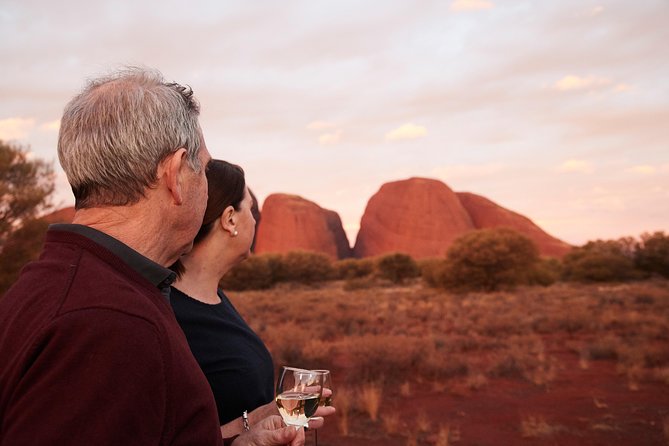
- The sunset colors are the main event: Kata Tjuṯa can shift from muted red to orange and fiery tones as the light fades.
- You stay at a viewing area: This is a sunset stop, not a walking tour into the domes.
- A guide can make or break the drive: Guides such as Andrew, Haley, Lucy, Tony, Debbie, Dylan, and others have been praised for strong local and Aboriginal commentary.
- Sparkling wine and nibbles are included: The spread is generally appreciated, though the serving style has drawn some criticism.
- Hotel pickup keeps things simple: Transport is by air-conditioned coach, with pickup and drop-off at Ayers Rock Resort.
- Flies are a real issue: A head net or handheld fan can make the sunset far more comfortable.
From Ayers Rock Resort to the domes of Kata Tjuṯa
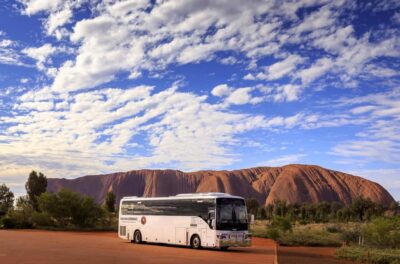
The trip begins with pickup at Ayers Rock Resort. That is a useful feature in a place where distances are large and independent transport can be awkward. The coach is air-conditioned, and the maximum group size is 32 people, so you get an organized outing without the scale of a huge sightseeing bus.
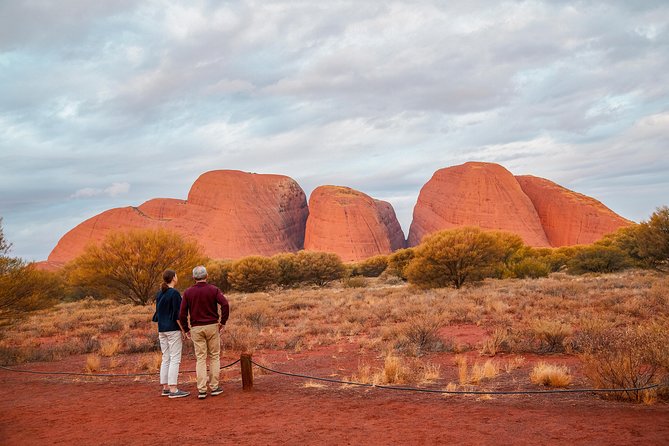
The drive takes you toward Kata Tjuṯa, also called the Olgas, inside Uluru-Kata Tjuṯa National Park. The domes are formed from 36 steep-sided rock formations, and their shape gives this place a different feel from Uluru. Instead of one large monolith, you see a cluster of rounded, powerful forms spread across the desert.
Your driver guide is meant to provide an introduction to the area, including its history, plants, animals, and Aboriginal culture. This part varies with the guide. I would put real weight on that point because the strongest experiences came from guides who treated the drive as part of the tour, not just a transfer.
Andrew was praised for careful driving and for sharing extensive information about Indigenous history and culture. Haley was remembered for her local connection and clear explanations. Lucy brought humor as well as information, while Tony and Dylan were also singled out for strong commentary. Debbie handled the driving, drinks, and food service while sharing her personal connection to the country.
That range of feedback tells you something practical. The route itself is fixed, but the quality of the afternoon can depend heavily on the person at the wheel. Some outings have had detailed commentary from pickup onward. At least one passenger found the drive unusually quiet and felt the tour offered little explanation about Kata Tjuṯa on the way there or back.
More Day Trips in Uluru:
- From Alice Springs: Day Trip to Uluru with BBQ Dinner
★ 4.6 · 761 reviews - Ayers Rock Day Trip from Alice Springs Including BBQ Dinner
★ 4.5 · 639 reviews - Yulara: Uluru Sunrise and Kata Tjuta Day Trip by Bus
★ 4.5 · 469 reviews
Kata Tjuṯa: a different face of the Red Centre
The first stop is listed as about one hour, including the drive and time in the Kata Tjuṯa area. Admission to the stop is included in the tour, but the Uluru-Kata Tjuṯa National Park entry fee is not included in the advertised price.
The guide explains the importance of Kata Tjuṯa and some legends connected with the local Anangu people. That cultural setting matters. You are not simply looking at dramatic rocks and waiting for a sunset. Kata Tjuṯa has sacred significance, and a good guide helps you understand why the place deserves respect.
Do not expect a long walk here. The experience is built around reaching a lookout or sunset viewing area. You are not taken right up beside the domes, and you do not spend the afternoon hiking through the valleys. One person specifically found the distance from the formations disappointing and suggested a hop-on, hop-off option for those who want to get closer and walk.
That is not a flaw for everyone. If your day already includes a longer Kata Tjuṯa walk, or if you simply want a comfortable sunset outing, the lookout can be exactly right. If your main goal is close contact with the rock formations, this tour may feel too limited.
Sunset at the Kata Tjuṯa viewing area
The second stop lasts about one hour. The coach reaches the sunset viewing area, and the staff set out sparkling wine and nibbles while you find a place to watch the changing light.
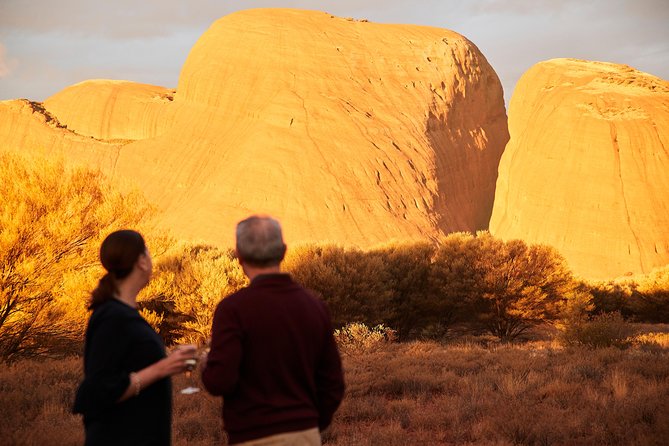
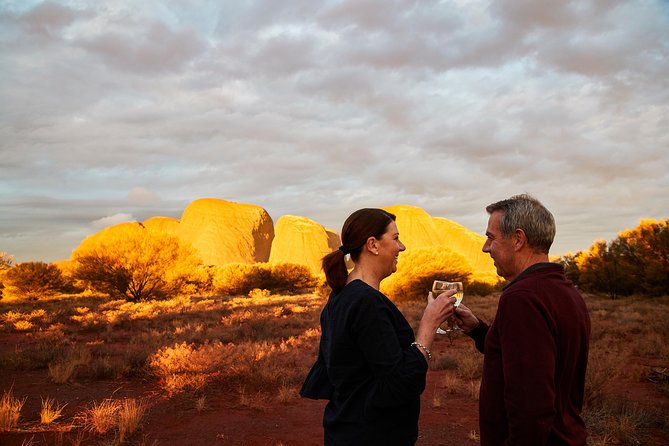
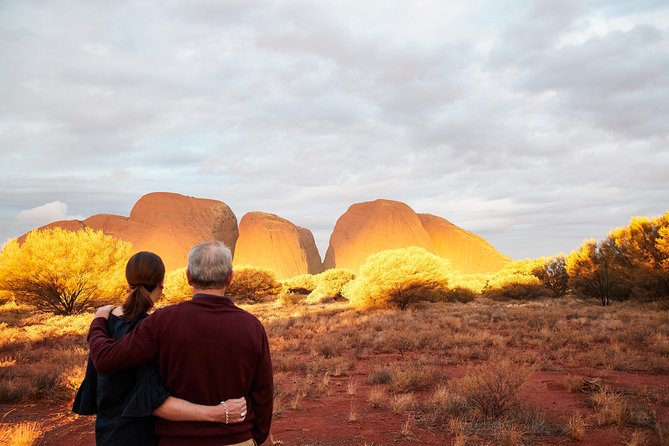
The best part is the gradual shift in color. As the sun lowers, the domes can take on orange, red, and glowing copper tones. The final moments are often the most striking, when the last light catches the rock and the desert quiet settles in.
This is also a very good photo stop. One group found it especially enjoyable when numbers were low, since there was room to spread out. Your view depends on where you stand and on the exact direction of the sunset. One important criticism was that the sun can set behind you from the viewing area, meaning you may need to turn away from the domes to see the sunset itself.
That point is worth checking against your expectations. You are not guaranteed a single postcard view with the sun dropping directly behind Kata Tjuṯa. The sky may glow in one direction while the domes catch the fading light in another. The changing color on the rock is often the real show.
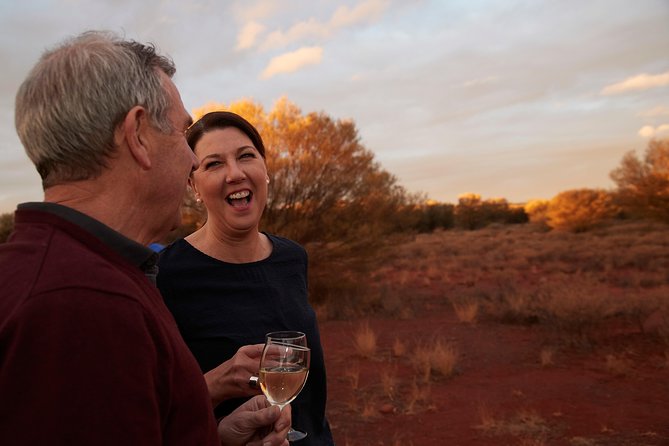
The staff serve sparkling wine along with other drinks, including beer, lemonade, and water. The nibbles have been described as plentiful and enjoyable, with canapés, cheese, dips, chips, cucumber, and carrots mentioned. Several people felt the food and bubbles were a pleasant way to finish the day.
The setup is informal. Food may be placed in shared bowls and on communal plates. One person found this unhygienic and felt there should have been small plates and napkins for each person. That complaint is useful to keep in mind if you expect a polished private dining service. Think of it as a casual outdoor aperitif, not a full meal or formal tasting.
How the guide shapes the experience
The guide is the most important human element of this trip. A friendly, well-informed driver can turn a simple coach ride into a useful introduction to the Red Centre. The best commentary covers more than basic facts. It connects the formations, local wildlife, native plants, Aboriginal traditions, and the continuing significance of the country.
The strongest guide feedback included specific praise for patience, humor, careful driving, photo help, and personal knowledge of the area. That combination is valuable because the guide often handles several jobs at once: driving, explaining, setting up drinks, and helping the group settle in.
Still, you should allow for an uneven level of commentary. The advertised service includes an experienced driver guide and detailed explanations, but the actual amount of information may vary. If cultural learning is your main reason for booking, it is worth asking at pickup about the planned commentary and listening closely during the drive.
This is not a private tour, so the guide must balance different interests. Some people want facts about geology and wildlife. Others care most about Anangu stories and sacred places. A good guide keeps both strands connected without treating Kata Tjuṯa as just a scenic backdrop.
More Sunset Tours in Uluru:
- Uluru: Sacred Sites & Sunset Tour with Wine & Cheeseboard
★ 4.5 · 450 reviews - Uluru (Ayers Rock) Sunset + Outback Barbecue Dinner & Star Talk
★ 4.0 · 426 reviews - From Yulara: Uluru Tour and Sunset BBQ
★ 4.6 · 320 reviews - Uluru 1.5-Hour Sunset Tour with Sparkling Wine & Cheeseboard
★ 4.3 · 226 reviews
Flies, weather, and small comforts
The flies are the most repeated practical warning. They can be troublesome in June and are often worse in the heat of summer. A head net is the most useful tip here. A small fan can also help, and you will be glad to have one when you are trying to hold a drink, take photographs, and keep insects away from your face.
The tour runs outdoors at sunset, so conditions can affect comfort. The coach is air-conditioned, but the viewing area is exposed. Wear sensible shoes and bring whatever sun and insect protection you normally use in the Australian outback. The supplied information does not promise particular seating, shade, or special equipment at the lookout, so plan for a straightforward outdoor stop.
A warm-season sunset can be beautiful but buggy. A cool-season sunset may be more comfortable for standing outside, though conditions can change quickly after dark. The timing also shifts through the year, which explains why pickup times vary. Read the confirmed pickup details carefully rather than relying on a general time seen during booking.
There has been an unfortunate report of a missed pickup after conflicting times were provided. Another complaint involved a cancellation that was not communicated before the scheduled pickup. Those cases appear to be exceptions, but they point to a simple rule: confirm your pickup with the resort and operator, and be waiting at the stated location early.
Is $121.21 good value?
The price makes sense if you value convenience. You receive hotel pickup and drop-off, an air-conditioned coach, a guide, commentary, sparkling wine, snacks, and access to the sunset stop. For a visitor based at Ayers Rock Resort, that removes the need to arrange transport and lets you return in time for dinner.
The value is less clear if you are comparing it with a simple transfer or a self-guided visit. The outing lasts about two and a half hours, despite being called a half-day trip, and the actual sunset stop is about one hour. You are paying for the transport, organization, guide, and refreshments as much as for time at Kata Tjuṯa.
The national park entry fee is extra, so include that in your budget. You should also ask yourself what you want from Kata Tjuṯa. If you want a relaxed sunset with a drink in hand and no driving duties, the price is fair. If you want a long walk, close views of the formations, or a substantial meal, your money may be better spent elsewhere.
The overall rating of 4.4 from 87 ratings suggests a generally positive experience with some real reservations. The most praised parts are consistent: the sunset, the scenery, the guides, the comfortable transport, and the drinks and snacks. The weaker points are also consistent: flies, food presentation, limited access to the formations, pickup organization, and the occasional lack of commentary.
Who should book this sunset outing?
I would recommend it to first-time visitors who want a simple introduction to Kata Tjuṯa after seeing Uluru at another time of day. It works especially well for people who prefer not to drive, families who want a short outing, and anyone who likes scenic stops without a strenuous walk.
It also suits visitors who have already spent the day sightseeing and want something easy before dinner. The coach ride, sunset viewing, and light refreshments create a pleasant change of pace.
I would be more cautious if you are a keen hiker. This outing does not provide a close walking experience, and the viewing area may leave you wanting more. It is also not ideal for anyone expecting a refined outdoor meal. The food is generally welcomed, but the presentation can be basic.
Finally, if flies bother you greatly, bring protection or choose a cooler period. The view can be unforgettable, but it is hard to enjoy it while constantly swatting at your face.
Booking and cancellation details
Confirmation is provided at booking. Most people can take part, but you should contact AAT Kings with any accessibility questions.
You can cancel up to 24 hours before the start time for a full refund. Changes made less than 24 hours before departure are not accepted, and cancellations inside that window are not refunded. The outing requires a minimum number of participants. If that minimum is not reached, you are offered another date or experience, or a full refund.
Should you book the Kata Tjuta Sunset Half Day Trip?
Book it if you want easy transport, strong sunset views, and a guided cultural introduction in a compact evening outing. The domes glowing in the last light, paired with sparkling wine and a few snacks, can be a memorable way to experience Kata Tjuṯa without adding a demanding walk to your day.
Skip it if you want to explore close to the formations or if shared snack bowls and an informal setup would annoy you. Also reconsider if the sunset direction matters greatly to you, since the viewing area may require you to turn away from Kata Tjuṯa to watch the sun itself.
My practical verdict: it is a good choice for convenience and atmosphere, not for depth of exploration. Bring a fly net, confirm pickup, budget for the park fee, and treat the food as a bonus. The sunset and the guide are the reasons to go.
FAQ
How long does the Kata Tjuta Sunset Half Day Trip last?
The experience lasts approximately 2 hours and 30 minutes. It returns to Ayers Rock Resort in time for dinner.
Where does the tour begin?
Pickup is offered from Ayers Rock Resort. Hotel pickup and drop-off are included.
What is included in the price?
The tour includes an experienced driver guide, air-conditioned coach transport, commentary, sparkling wine, and nibbles.
Is the national park entry fee included?
No. The Uluru-Kata Tjuṯa National Park entry fee is not included.
Does the tour include a walk through Kata Tjuṯa?
The tour visits Kata Tjuṯa and a sunset viewing area, but it is not described as a walking tour into the domes.
How many people can join the tour?
The maximum group size is 32 people.
Are other drinks available besides sparkling wine?
Yes. Beer, lemonade, and water have also been provided, along with sparkling wine.
Can most people participate?
Most people can participate. For specific accessibility questions, contact AAT Kings before booking.
What is the cancellation policy?
You can cancel at least 24 hours before the start time for a full refund. Cancellations or changes made less than 24 hours before the start time are not accepted for a refund.
Just added in Uluru
- From Alice Springs: West MacDonnell Ranges Half Day Trip★ 4.4 · 44 reviews
- From Alice Springs: West MacDonnell Ranges Day Trip★ 4.7 · 296 reviews
- Uluru: Sunset, Sparkling Wine, Cheeseboard & Gourmet BBQ★ 4.4 · 193 reviews
- Uluru: Small Group Sunset Tour with Sparkling Wine★ 4.5 · 82 reviews
- Uluru: Guided Walking Tour at Sunrise with Light Breakfast★ 4.6 · 256 reviews
- Uluru: Sacred Sites Tour + Sparkling at Sunset & BBQ Dinner★ 4.5 · 82 reviews
- Uluru: Small Group Guided Tour with Sunset Refreshments★ 4.8 · 190 reviews
- Uluru Highlights Small Group Morning Tour + Picnic Breakfast★ 4.8 · 212 reviews
Uluru Tours, compared.
Ayers Rock Day Trip from Alice Springs Including BBQ Dinner
Read our review →
Uluru: Field of Light Sunrise Tour with Hot Drinks
Read our review →
Uluru & Kata Tjuta 25-Minute Helicopter Experience
Read our review →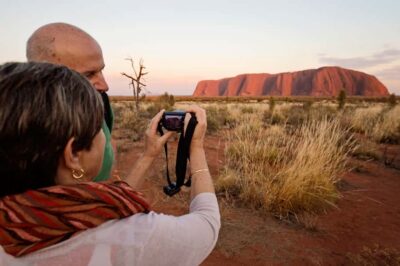
Uluru: Sacred Sites & Sunset Tour with Wine & Cheeseboard
Read our review →
Browse the lists this tour appears in