
Reviewed · ULURU TOURS
From Alice Springs/Yulara: 2 Day Uluru Kata Tjuta Rock Tour
Uluru is best understood on foot. This 36-hour Red Centre trip combines Uluru’s sunset, a sunrise at Kata Tjuta, guided walks, Aboriginal rock art, and one night at a permanent outback campsite. I like the careful timing, which can get you to major stops before other groups, and I like the mix of cultural explanation and physical activity. The main catch is that this is a demanding, tightly packed outing with basic camping.
The tour works especially well if you need transport from Alice Springs to Yulara, or if you are already staying near Ayers Rock and want an organized way to see both major rock formations. I also appreciate that guides such as Donk, Aaron, and Uel have been praised for clear commentary and a good sense of humor. Still, you should know that the sleeping arrangements are simple, the walks can be harder than expected, and the bus returns to Yulara only, not Alice Springs.
In This Review
- Key points to know before you book
- Why this 36-hour trip makes sense
- The long road from Alice Springs to Uluru
- First afternoon at Uluru, culture before the walk
- Uluru sunset and dinner at camp
- Sleeping under the Red Centre sky
- Sunrise and the strange shapes of Kata Tjuta
- Guides, pacing, and the small-group bus
- Who should book this tour
- My verdict on the $421 cost
- Should you book the Uluru and Kata Tjuta tour?
- FAQ
- How long does the Uluru and Kata Tjuta tour last?
- Does the tour return to Alice Springs?
- Can I join the tour from Ayers Rock?
- What accommodation is included?
- Is a sleeping bag included?
- Which meals are included?
- How much walking is involved?
- Can children join the tour?
- What happens if I need to cancel?
Key points to know before you book
- One-way route from Alice Springs to Yulara: This is useful if you are continuing your trip at Ayers Rock, but inconvenient if Alice Springs is your base for the return journey.
- Uluru on foot, not just from a lookout: You visit Mutitjulu Waterhole, Kuniya Piti, Kantju Gorge, and Aboriginal rock art areas.
- Sunset and sunrise are built into the plan: The timing gives you two different moods of the Red Centre, though early starts and a long first day require stamina.
- Kata Tjuta offers two walk options: Your guide may take you through Walpa Gorge or the Valley of the Winds, with the choice affected by conditions and fitness.
- Camping is practical but spartan: You sleep in a bush swag or safari-style setup, and a sleeping bag costs an extra $40 AUD to hire.
- Meals are part of the experience: Breakfast, dinner, and two lunches are included, but special diets and snack choices need advance planning.
Why this 36-hour trip makes sense
At $421 per person, this is not a cheap transfer with a sightseeing stop. You are paying for transport, a guide, park entry, meals, accommodation, and two days of organized access to Uluru and Kata Tjuta. For someone without a car, that package can be good value because distances in the Red Centre are huge and independent transport can become expensive quickly.
The price makes more sense if you want a guide to handle the route and explain what you are seeing. It includes an accredited outback driver guide, air-conditioned small-group bus travel, National Park entry, and local commentary. You are also spared the work of planning where to stop between Alice Springs and Uluru.
The tradeoff is flexibility. This is a set program, not a private tour. You will follow the group schedule, help with meals and camp setup, and accept changes caused by weather, seasonal conditions, or park closures. If you prefer long, quiet periods at one viewpoint, the timetable may feel rushed.
The trip lasts roughly 36 hours, despite being described as a one-day activity in some booking details. That wording can confuse people. In practical terms, you leave early on the first day, sleep one night near Uluru, visit Kata Tjuta the next morning, and finish around midday in Yulara.
A few more options to weigh up in Uluru
- From Alice Springs: Day Trip to Uluru with BBQ Dinner
★ 4.6 · 761 reviews - Ayers Rock Day Trip from Alice Springs Including BBQ Dinner
★ 4.5 · 639 reviews - Uluru: Field of Light Sunrise Tour with Hot Drinks
★ 4.6 · 572 reviews
The long road from Alice Springs to Uluru
The Alice Springs departure begins early, so you should be ready before the Red Centre heat builds. The drive is part of the experience, but it is also a lot of time in a vehicle. The air conditioning matters, especially in the warmer months.
The first notable stop is Mt Connor, often called the false Uluru. From the lookout, you get a useful introduction to the region’s huge scale and learn why first-time visitors can mistake this broad, flat-sided formation for Uluru. It is a good photographic stop and breaks up the drive without pretending to be the main event.
Curtin Springs provides a toilet break before you continue toward the campground. This is a small but important detail. Outback touring works better when you use every available facility, since stops are limited and the distances are long.
If you are starting from the Uluru area, complimentary pickup is available from Ayers Rock Airport or Ayers Rock Campground, depending on the option you choose. Hotel transfers before or after the scheduled route are not included, so check your exact pickup point rather than assuming door-to-door service.
First afternoon at Uluru, culture before the walk
After lunch at camp, the group visits the interpretive cultural center. This gives you context before you approach the rock itself. The center helps explain the area’s Aboriginal significance and the continuing connection between place, law, stories, and ceremony.
That order is important. Uluru is not simply a large red rock waiting for photographs. The cultural information gives meaning to the names and sites you hear later, including Mutitjulu Waterhole, Kuniya Piti, and Kantju Gorge.
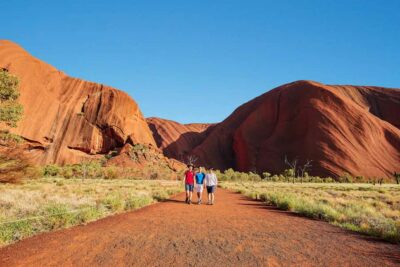
You then get close to Uluru on a guided base walk. The total walking distance is listed at about 5 kilometers for the guided walks, but the broader activity information warns that routes can range from 2 to 15 kilometers depending on the option and conditions. Ask your guide exactly which walk is planned that day.
At Mutitjulu Waterhole, the rock feels less like a distant monument and more like a living place. Water, shade, and shelter have shaped how people used the area for generations. Your guide explains creation stories and points out Aboriginal rock art sites connected with the park’s UNESCO World Heritage status.
The walk also includes Kuniya Piti and Kantju Gorge. Kantju Gorge is associated with an elders’ cave and Central Australia’s highest waterfall, although water flow depends on weather. Do not arrive expecting a permanent cascade. The gorge is still worthwhile for its scale, shade, rock walls, and cultural importance.
A guide adds real value here. The rock’s folds and markings can look abstract if you do not know what you are looking at. Good commentary helps you notice water channels, caves, art, and places that would otherwise pass as red stone.
Uluru sunset and dinner at camp
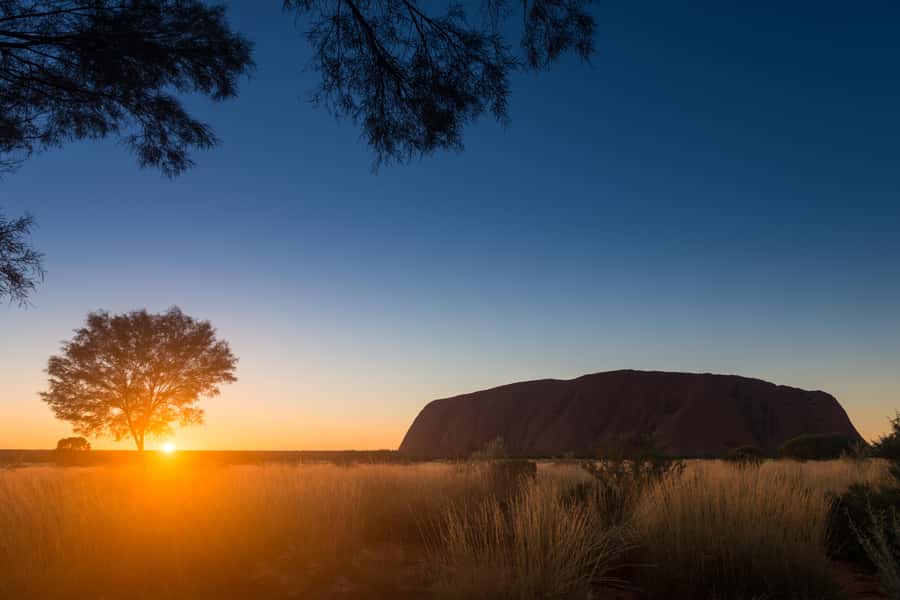
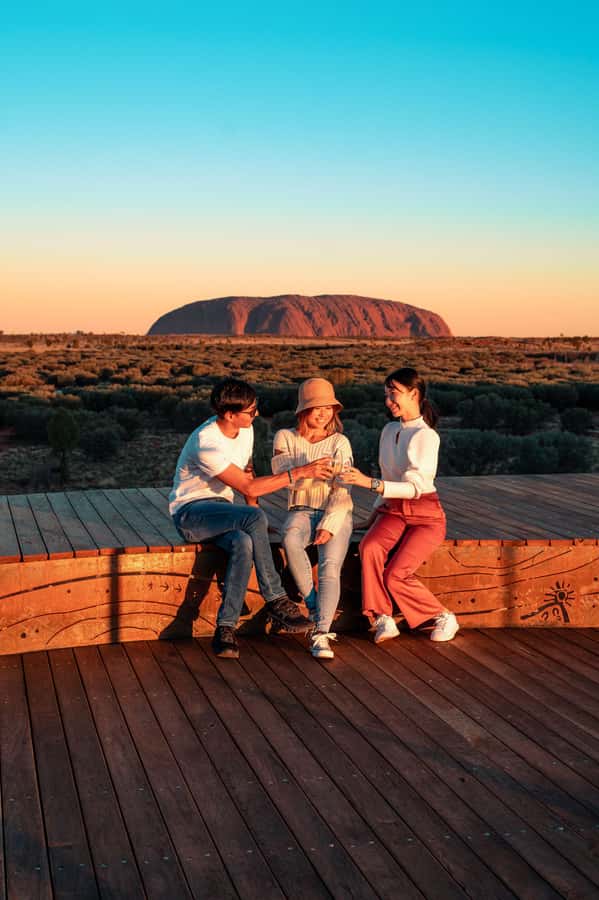
The day ends at an Uluru lookout for sunset. This is the classic moment, but it earns its place in the schedule. As the light shifts, the monolith changes color and texture, giving you a final view after you have already walked beside it.
Your guide’s timing can make a difference. One guide may position the group before other vehicles arrive, while another may leave more room for unhurried viewing. Feedback about guides named Donk and Aaron points to a strong mix of practical timing, useful information, and humor, though your guide will depend on the departure.
Dinner follows sunset, with the group eating together at camp. Shared meals are part of the social side of this trip. Food is described as varied and satisfactory, and the meal service has earned especially warm praise. Still, outback catering has limits. If you need a special diet, tell the operator ahead of time and bring extra snacks because choices can be limited.
One memorable meal detail is camel, which may appear as part of the food selection. It is a fun outback touch, but not everyone will be thrilled by the smell or taste. If your palate is cautious, bring something familiar.
A completely different kind of day out:
- Uluru 15-Minute Helicopter Experience
★ 4.9 · 548 reviews - Yulara: Uluru & Kata Tjuta 25-Minute Helicopter Experience
★ 4.8 · 536 reviews - Yulara: Uluru Sunrise and Kata Tjuta Day Trip by Bus
★ 4.5 · 469 reviews - Uluru: Sacred Sites & Sunset Tour with Wine & Cheeseboard
★ 4.5 · 450 reviews
Sleeping under the Red Centre sky
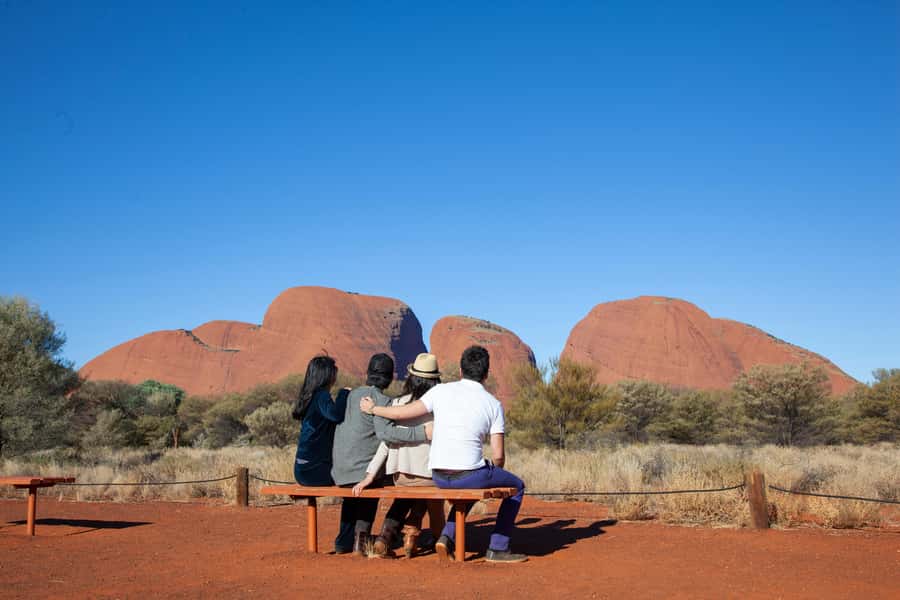
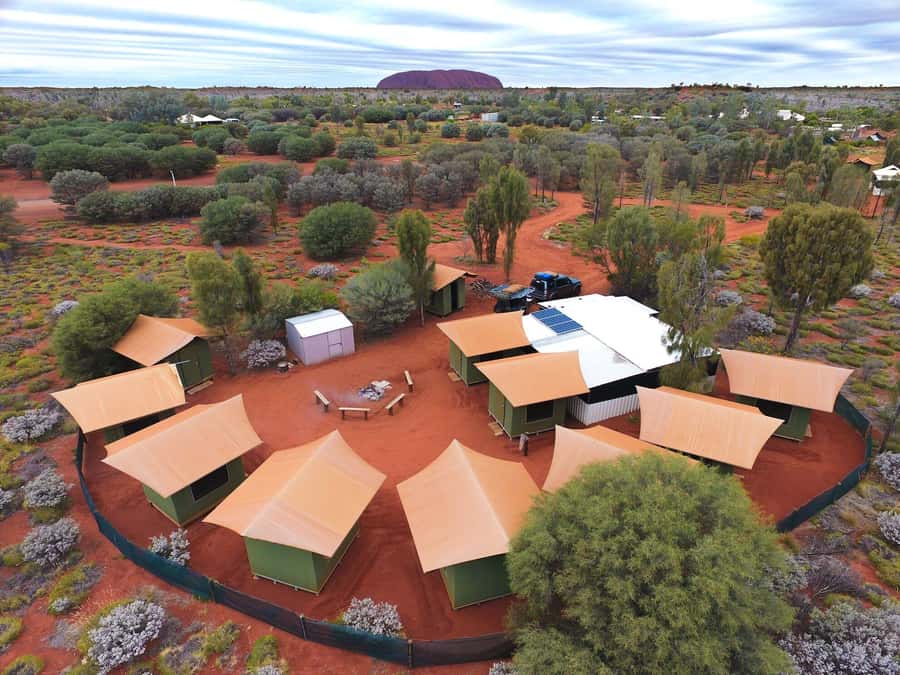
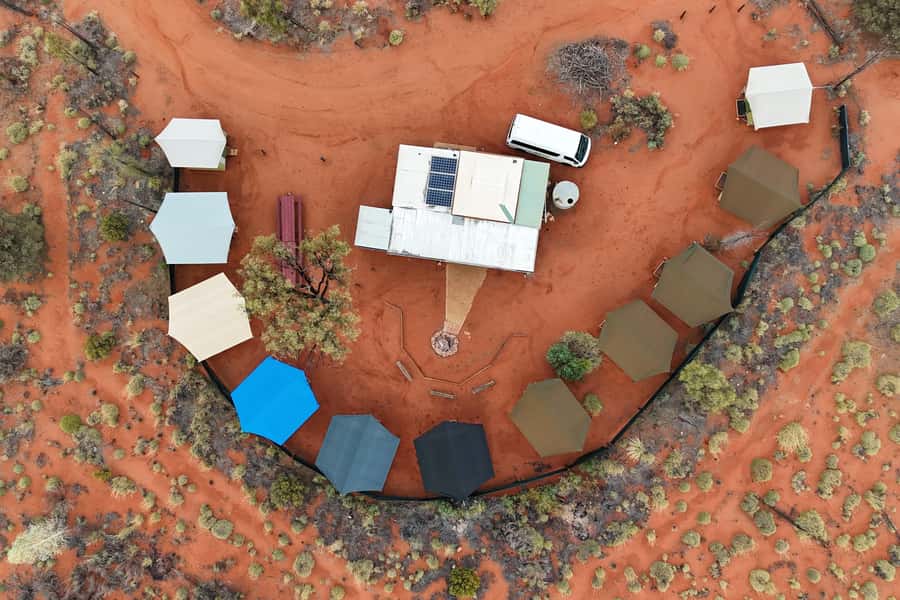
You spend one night at a permanent outback campsite near Uluru. This is not a hotel stay, and you should choose your sleeping option with care.
The bush swag is a canvas-covered bed roll designed for outdoor sleeping. The safari tent option provides a mattress, pillow, pillowcase, and fitted top sheet. Sleeping bags are not included, but you can hire one onboard for $40 AUD, including cleaning, or bring your own.
The setup is functional rather than polished. You may need to help prepare the camp and meals, and some bedding may not be fully arranged when you arrive. Bring toiletries, a flashlight, outdoor clothing, and a power bank. A reusable water bottle is essential, even though drinking water is available onboard.
Night temperatures can differ sharply from daytime conditions. Pack light, but do not pack carelessly. You are limited to one 15-kilogram bag and one 5-kilogram daypack, so use clothing that works across warm days and cooler nights.
The real reward is the open sky. One night outside Uluru can be a powerful part of the trip, especially if you enjoy simple camping and the quiet of the outback. If you need a comfortable bed, private facilities, and hotel-level cleanliness, this arrangement may disappoint you.
Sunrise and the strange shapes of Kata Tjuta
Day two begins early with a light breakfast and a drive into Uluru-Kata Tjuta National Park. Sunrise gives Kata Tjuta a different character from Uluru. Instead of one huge monolith, you see a group of rounded domes rising from the plain.
The early start is worth it for the changing light, but it can be hard after a full first day and a night outdoors. Eat breakfast, drink water, and keep your daypack light. You will need energy for the walk that follows.
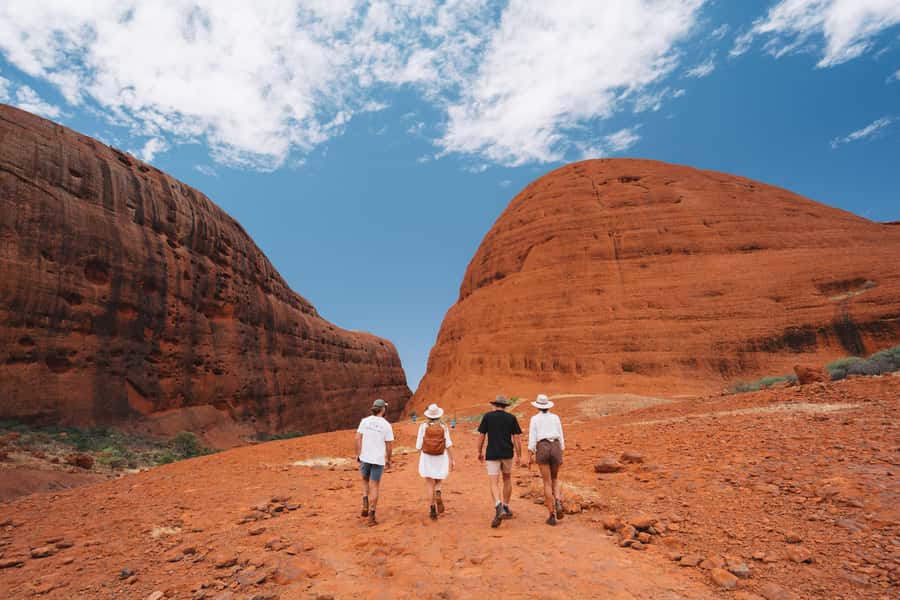
The main choice is between Walpa Gorge and the Valley of the Winds. Walpa Gorge is generally the more manageable option, while the Valley of the Winds can be more strenuous. The exact route may depend on weather, park conditions, and your group’s fitness.
The rock formations at Kata Tjuta are made from conglomerate, a mix of rock fragments bound together over geological time. Look closely and the surfaces appear different from Uluru’s broad sandstone walls. The rounded domes, narrow paths, and exposed views make Kata Tjuta feel less predictable underfoot.
Do not assume that all walks are gentle sightseeing strolls. Moderate to high fitness is required, and the stated walking range reaches as high as 15 kilometers. One person had to turn back after finding the walk harder than expected, which is a useful warning. Ask about distance, slope, heat, and rest stops before you set out.
You need closed-toe shoes, hiking pants, a hat, sunglasses, sunscreen, insect repellent, and water. Bring a reusable bottle rather than relying on disposable supplies. Biodegradable insect repellent is recommended, and a power bank is sensible because long days outside can drain your phone.
Guides, pacing, and the small-group bus
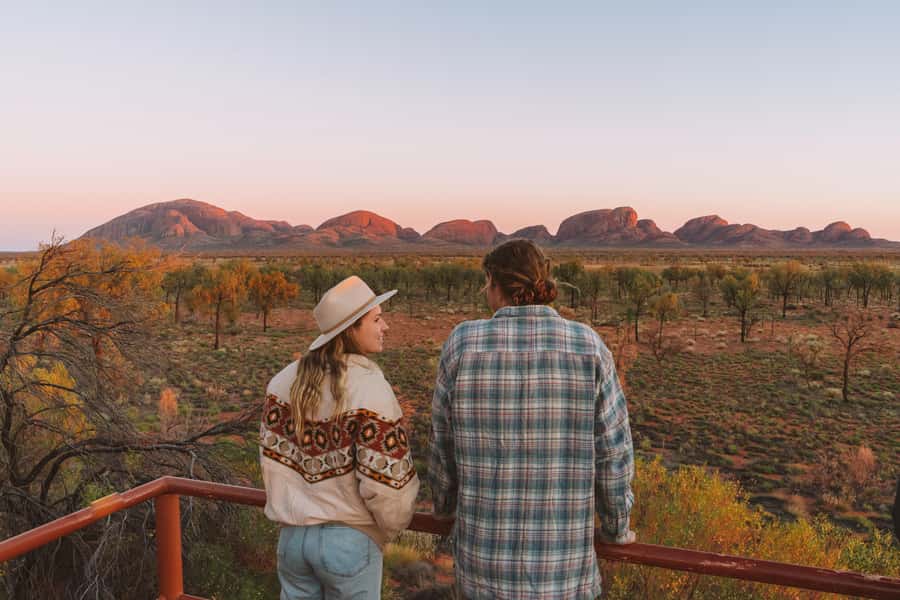
The guide can shape this trip more than any single viewpoint. You are spending long hours in the bus and relying on one person for timing, safety, cultural explanation, and camp organization.
The strongest guide feedback points to people who keep the group moving without losing the fun. Donk was praised for combining information with jokes and using years of experience to reach viewpoints before other groups. Aaron was remembered for clear explanations and a calm presence. Uel was praised for enthusiasm and the ability to share a real passion for the area.
That does not mean every minute will feel perfectly paced. There can be waiting between activities, particularly when the group is gathering, eating, or preparing for the next stop. If you want to sit quietly and think about the rocks, you may need to claim that time for yourself rather than expecting an extended pause in the schedule.
The small-group bus is more personal than a large coach, and air conditioning is a major comfort. Group size is not specified, so do not book this expecting a private outing. You should be ready to share seats, camp tasks, meals, and walking time with other people.
Who should book this tour
I would recommend this trip to you if you want to see both Uluru and Kata Tjuta without renting a car, and if you enjoy a full schedule. It suits active adults who are comfortable walking on uneven ground, sleeping outdoors, and helping with basic camp duties.
It is also a good match if you want cultural context rather than a quick photo stop. The cultural center, rock art areas, creation stories, waterhole, gorge, and named sites give the visit more substance.
I would be cautious if you have limited mobility, are recovering from surgery, are pregnant, or dislike outdoor sleeping. The tour is not suitable for wheelchair users, children under seven, or people over 95. Anyone over 70 needs a doctor’s note, and you should disclose medical conditions in advance.
The tour is not suitable for anyone who needs to return to Alice Springs. The route finishes in Yulara, with an estimated drop-off around midday. That can be a useful feature if you are continuing at Ayers Rock, but it requires a separate plan if your next stop is Alice Springs.
Free cancellation is available up to 14 days before departure for a full refund. Check the exact meeting point because it can vary with the option booked.
My verdict on the $421 cost
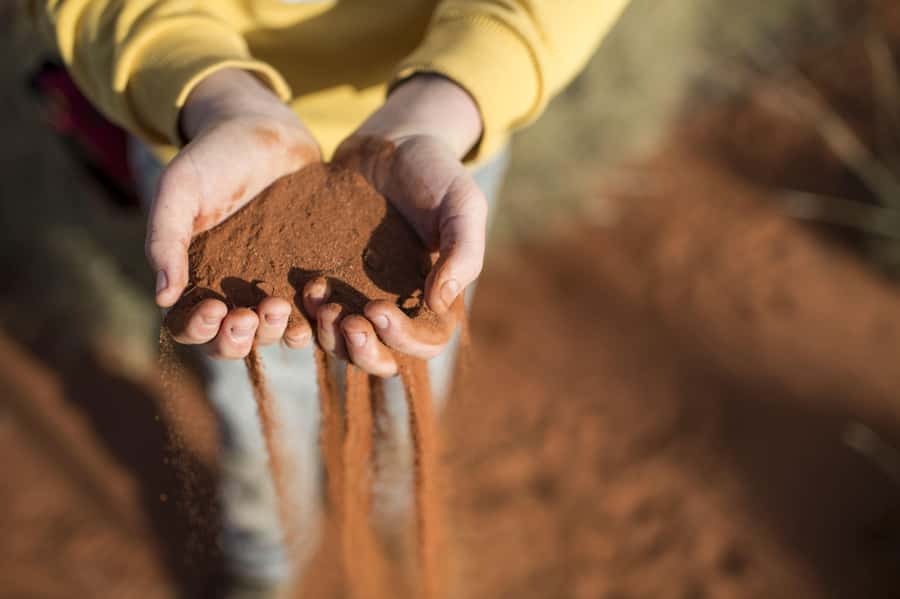
The $421 price is fair for a packed one-night program that includes park fees, transport, meals, a guide, and accommodation. It is especially useful for people who would otherwise need to arrange a costly one-way transfer and separate Uluru and Kata Tjuta visits.
The value drops if you do not want the included walks or if you expect hotel comfort. You may also spend extra on a sleeping bag, snacks, transfers to a nominated pickup point, and personal expenses. Those additions are small beside the total trip cost, but they should be part of your budget.
I would think of this as a practical Red Centre expedition, not a luxury escape. The best parts are the access to major sites, the guide’s local explanations, the sunrise and sunset timing, and the chance to sleep beneath the stars. The weakest parts are the basic camp, possible waiting, limited food choices, and demanding walks.
Should you book the Uluru and Kata Tjuta tour?
Book it if you want a well-organized, active route from Alice Springs or the Uluru area to Yulara, with both major rock formations included. The combination of Uluru’s cultural sites, sunset, Kata Tjuta’s sunrise, and guided walks gives you far more than a single lookout visit.
Skip it if you need an easy stroll, a soft bed, a return to Alice Springs, or a slow schedule. Before paying, confirm your pickup point, sleeping option, walking route, dietary needs, and onward transport from Yulara. If those details fit, the $421 package offers a sensible way to experience the Red Centre without managing its enormous distances yourself.
FAQ
How long does the Uluru and Kata Tjuta tour last?
The experience lasts about 36 hours. It includes an early departure on day one, one night at a permanent outback campsite, and a midday finish in Yulara on day two.
Does the tour return to Alice Springs?
No. The tour ends in Yulara, also called Ayers Rock, at around midday. You need to arrange your own onward plans from there.
Can I join the tour from Ayers Rock?
Yes. Pickup is available from Ayers Rock Airport or Ayers Rock Campground, depending on the option booked.
What accommodation is included?
One night at a permanent outback campsite is included. You can use an Australian bush swag or select the safari tent option, which includes a mattress, pillow, pillowcase, and fitted top sheet.
Is a sleeping bag included?
No. You can bring your own sleeping bag or hire one onboard for $40 AUD. The fee includes cleaning costs and is paid directly to the tour operator.
Which meals are included?
The tour includes one breakfast, two lunches, and one dinner. Extra food is not included, and people with special dietary needs are advised to bring snacks because outback choices can be limited.
How much walking is involved?
The guided walks are about 5 kilometers, while the wider activity information gives a possible range of 2 to 15 kilometers depending on the route, fitness level, and conditions. Moderate to high fitness is required.
Can children join the tour?
Children under seven cannot join. Unaccompanied minors are also not allowed.
What happens if I need to cancel?
You can cancel up to 14 days before departure for a full refund. Check the booking conditions for your specific option before confirming.
Just added in Uluru
- Best of Uluru – Segway and Walking Tour★ 4.8 · 204 reviews
- King’s Canyon: 15-minute Scenic Helicopter Tour★ 4.9 · 78 reviews
- Kata Tjuta: Small Group Sunrise Tour with Picnic Breakfast★ 4.7 · 113 reviews
- Yulara: Uluru and Kata Tjuta Sunset Helicopter Tour★ 4.9 · 148 reviews
- From Yulara: Uluru Tour and Sunset BBQ★ 4.6 · 320 reviews
- From Yulara: 3-Hour Small Group Kata Tjuta Afternoon Tour★ 4.7 · 101 reviews
- Uluru: Uluru Base Segway Tour★ 4.6 · 112 reviews
- From Alice Springs/Yulara: 4-Day Red Centre 4WD Camping Tour★ 4.6 · 68 reviews
Uluru Tours, compared.
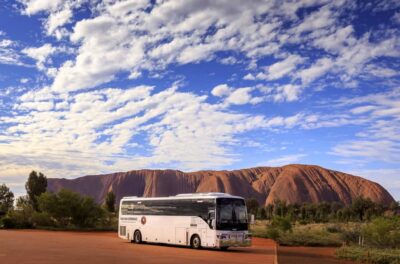
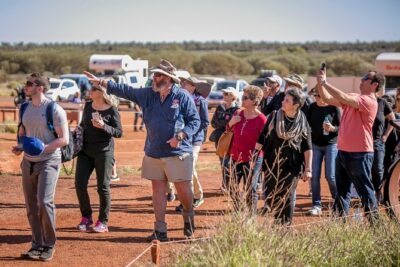
Ayers Rock Day Trip from Alice Springs Including BBQ Dinner
Read our review →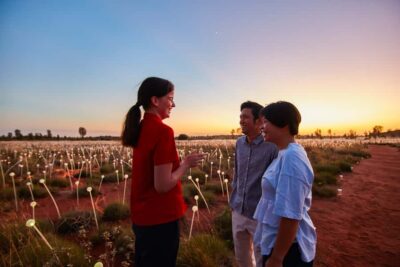
Uluru: Field of Light Sunrise Tour with Hot Drinks
Read our review →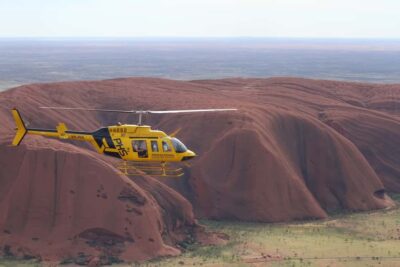
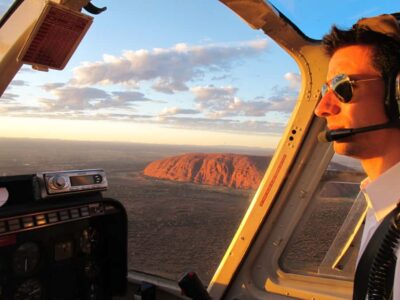
Uluru & Kata Tjuta 25-Minute Helicopter Experience
Read our review →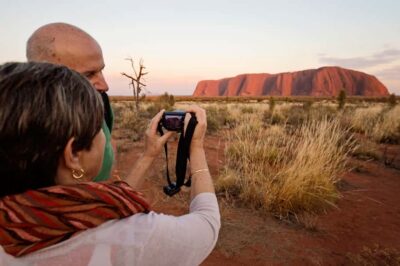
Uluru: Sacred Sites & Sunset Tour with Wine & Cheeseboard
Read our review →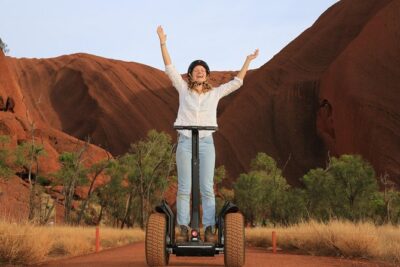
Browse the lists this tour appears in