
Reviewed · ULURU TOURS
4 Day Uluru Kata Tjuta Kings Canyon West MacDonnell ex.Ayers Rock
Red rock, big skies, real adventure. This four-day small-group trip links Uluru, Kata Tjuta, Kings Canyon and the West MacDonnell Ranges in one well-packed route. I like the mix of famous sights and less-traveled roads, and I especially like that your guide adds cultural stories, local detail and practical help along the way.
I also like the choice of a twin safari tent or a traditional single swag, plus three included breakfasts, lunches and dinners. The main catch is the physical demand: you may walk up to 6 to 8 kilometres a day, help with camp jobs and sleep in the outback, so this is not a sightseeing bus ride with occasional photo stops.
In This Review
- Key things to know before booking
- What this four-day Red Centre route really delivers
- Day one: from Ayers Rock Airport to Uluru’s base
- Day two: sunrise, Kata Tjuta and an outback sunset
- Day three: the main walk at Kings Canyon
- Day four: waterholes and red walls in the West MacDonnells
- Sleeping in a safari tent or a swag
- Food, transport and the group routine
- The best reasons to book, and the reasons to pause
- Who should book this Red Centre camping trip?
- FAQ
- Where does the tour start?
- Where does the tour finish?
- How many people can join the tour?
- Is accommodation included?
- Are sleeping bags included?
- How much walking is involved?
- Should you book it?
Key things to know before booking

- Uluru begins on day one: You visit the Cultural Centre, Mutitjulu Waterhole and sacred sites around the base before returning for an early sunrise the next morning.
- Kata Tjuta gets serious walking time: You hike either the Valley of the Winds or Walpa Gorge, depending on conditions and the group.
- Kings Canyon is a major highlight: The five-hour visit gives you time to see the canyon’s central waterhole and ancient rock formations.
- The Mereenie Loop adds adventure: The route leaves the main road and heads toward the West MacDonnell Ranges by an off-road tourist drive.
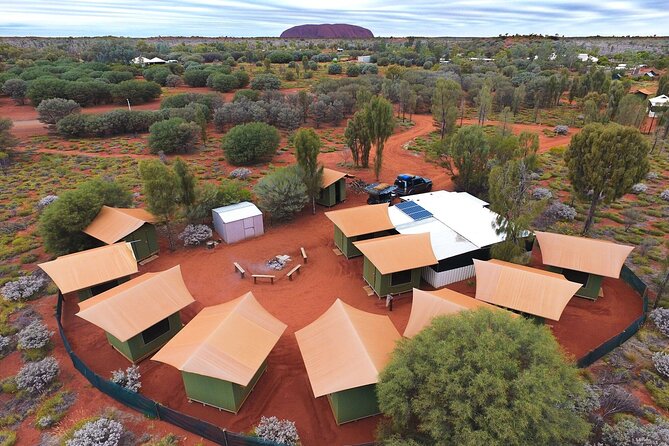
- Camping is part of the experience: You can sleep in a safari tent with a mattress, pillow and linen, or use a traditional bush swag.
- Alice Springs is the only finish: The tour returns around 6:00 to 6:30 pm on day four, so do not book a flight that evening.
What this four-day Red Centre route really delivers
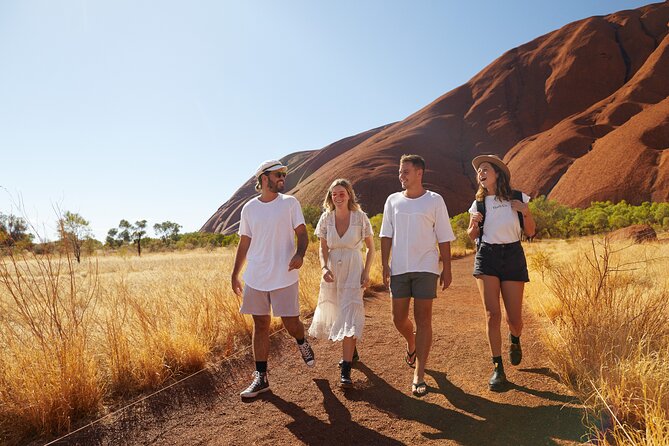
At $791.84 per person, this is a substantial purchase, but the price covers far more than transport. You receive three nights at permanent outback campsites, park admission, guided walks, an accredited driver-guide, air-conditioned 4×4 transport, and nine included meals.
That matters in Central Australia. Distances are long, roads can be rough, and the best stops are spread across three major areas. Organizing Uluru, Kata Tjuta, Kings Canyon and the West MacDonnell Ranges separately could mean arranging several transfers, park passes, meals and nights away from town.
The group can include up to 21 people. That is small enough to feel more personal than a large coach, but it is still a group tour. You will need to keep to the schedule and share tasks such as meal preparation, washing up, and loading the vehicle.
I see that shared work as part of the deal, not just an extra chore. After a hot walk, cooking and cleaning may sound less appealing than sitting down, but it helps the group function and gives you a chance to connect with the people around you.
A few more options to weigh up in Uluru
- From Alice Springs: Day Trip to Uluru with BBQ Dinner
★ 4.6 · 761 reviews - Ayers Rock Day Trip from Alice Springs Including BBQ Dinner
★ 4.5 · 639 reviews - Uluru: Field of Light Sunrise Tour with Hot Drinks
★ 4.6 · 572 reviews
Day one: from Ayers Rock Airport to Uluru’s base
The tour starts at Ayers Rock Airport at 1:30 pm. If you are beginning in Yulara, you join people who have come from Alice Springs before the group heads to camp. The airport pickup is useful, but you need to provide your flight details when booking.
Your first meaningful stop is the Uluru-Kata Tjuta Cultural Centre. Give this visit your attention. It explains the cultural, ecological, historical and geological importance of the national park, and it gives useful context before you walk around Uluru.
For me, this is one of the most valuable stops on the trip because Uluru is not simply a large rock to photograph. The area includes sacred places, living Aboriginal culture and stories connected to the Anangu people. A visit to the centre helps you understand why certain areas are treated with respect and why your guide may ask you to look at the monolith in a particular way.
Next comes Mutitjulu Waterhole, where the scale of Uluru becomes easier to grasp. Close to the base, the rock changes character. You see caves, shaded areas and details that disappear when you view Uluru only from a distance.
The group then travels around the base toward Kantju Gorge. The route includes sacred sites, an elders cave and a place associated with Central Australia’s highest waterfall when rain has filled the gorge. Rain is not guaranteed, of course, but if it has recently fallen, the gorge can become an especially memorable stop.
Day one finishes at camp. The schedule gives you about two hours at several stops, which is enough for a proper walk and time to listen, but not enough for endless wandering. That structure works well if you want to see a lot in a short visit.
Day two: sunrise, Kata Tjuta and an outback sunset
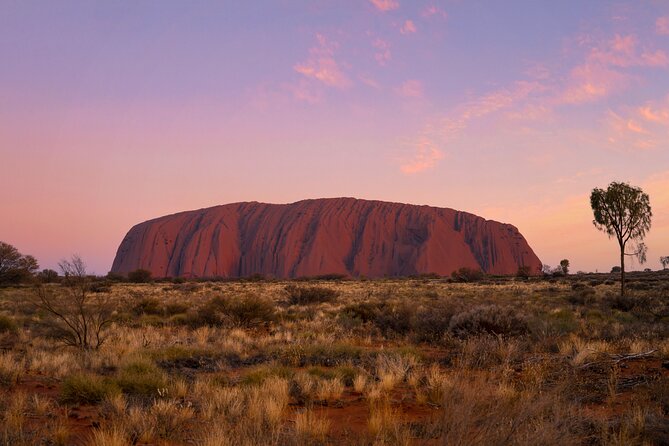
An early start gets you into Uluru-Kata Tjuta National Park for sunrise. This is one of the tour’s strongest choices. You see Uluru in changing light before the heat of the day builds, and the quiet morning setting gives the monolith a different mood from the previous afternoon.
After breakfast, the group heads to Kata Tjuta, also called the Olgas. The rounded conglomerate domes have a different form from Uluru, and the approach gives you a strong sense of their size. It is easy to think the trip will peak at Uluru, then find Kata Tjuta just as impressive in its own way.
The walking choice is the Valley of the Winds or Walpa Gorge. The Valley of the Winds offers a more demanding route and broader views, while Walpa Gorge is the alternative when conditions or group ability make that the better option. The information supplied for the tour does not promise one specific walk, so you should be ready for either.
This is where the fitness warning matters. The walking can total 6 to 8 kilometres, and the tour asks for a moderate to advanced level of fitness. You need enough stamina for uneven ground, sun and several active days in a row. People over 75 need a doctor’s certificate 30 days before travel, and you must disclose known medical conditions at booking.
After Kata Tjuta, the vehicle travels toward Kings Canyon. The group reaches Kings Creek Station in time for an outback sunset, followed by a meal around the campfire. Breakfast, lunch and dinner are included on this day.
The long drive is part of the experience, but it can also be tiring. You spend substantial time in the bus, even though it is air-conditioned and built for off-road routes. Bring patience, a refillable water bottle and something useful for quiet time between stops.
Day three: the main walk at Kings Canyon
The third day begins early at Kings Canyon, also known as Watarrka. You spend around five hours exploring this dramatic area, which gives the canyon more attention than a rushed photo stop.
The walk takes you into country connected with the Ulpanyali and Lilla people. That cultural connection is important. The canyon is not just a collection of cliffs and rock pools, and your guide’s commentary helps you see the place as both a natural and cultural site.
The central waterhole is described as the jewel of the canyon. The area around it brings together the canyon walls, ancient formations and changing colours of the sandstone. Five hours allows time for a substantial walk, pauses and views, though the precise route will depend on the group and conditions.
This is likely the toughest day for many people. The tour does not give a detailed route grade, so you should not assume that every part will be easy. If you have knee, balance, heart or mobility concerns, discuss them with the operator before booking.
After Kings Canyon, you rest in the vehicle while the group travels north via the Mereenie Loop Tourist Drive. This off-the-beaten-track route leads toward the West MacDonnell Ranges and gives the trip a stronger sense of journey. You are not simply returning to Alice Springs by the most direct road.
The day ends with stargazing at a bush camp. The supplied details do not promise a formal astronomy program, so think of this as time outdoors under the night sky rather than a guided observatory session. The remote camp setting is a fine contrast to the busy sightseeing hours earlier in the day.
A completely different kind of day out:
- Uluru 15-Minute Helicopter Experience
★ 4.9 · 548 reviews - Yulara: Uluru & Kata Tjuta 25-Minute Helicopter Experience
★ 4.8 · 536 reviews - Yulara: Uluru Sunrise and Kata Tjuta Day Trip by Bus
★ 4.5 · 469 reviews - Uluru: Sacred Sites & Sunset Tour with Wine & Cheeseboard
★ 4.5 · 450 reviews
Day four: waterholes and red walls in the West MacDonnells
The final morning begins at Ormiston Gorge. Towering red walls make this one of the most scenic stops in the West MacDonnell Ranges. The group has breakfast here, giving you a chance to eat before more walking and to appreciate the setting rather than simply stopping for a quick photograph.
Next comes Ellery Creek Big Hole, known as Udepata in Arrernte. Its permanent waterhole offers the chance for a refreshing swim, surrounded by cliffs and sandy creek banks.
Pack swimwear and a towel if you want to take advantage of this stop. The information confirms that you can swim, but conditions can vary, and you should follow the guide’s direction on safety. Even if you do not enter the water, the stop provides a welcome pause after several active days.
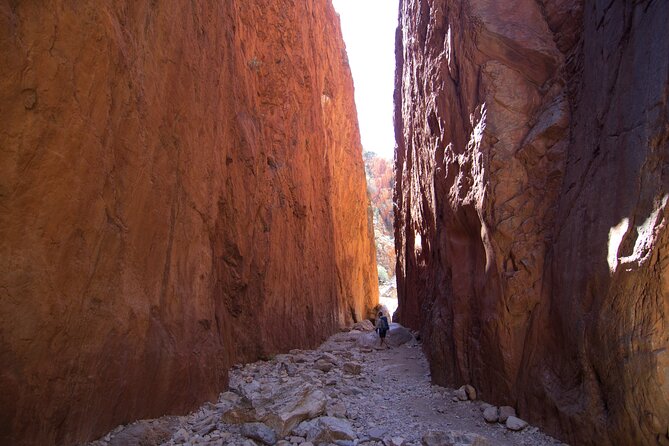
Standley Chasm, or Angkerle Atwatye, is the next major feature. The gorge is about three metres wide and 80 metres high, giving you a strong sense of enclosure. The narrow walls create a very different experience from the open views around Uluru and Kata Tjuta.
The last stop is Simpsons Gap, a culturally important place in the Tjoritja West MacDonnells. Its permanent waterhole attracts wildlife, and the site provides a calm final look at the range before the return to Alice Springs.
The tour reaches Alice Springs around 6:00 to 6:30 pm. Delays are possible, so I would not schedule a flight on the final day. If you need to fly onward, book the following day and treat the extra night as part of the safety margin.
Sleeping in a safari tent or a swag
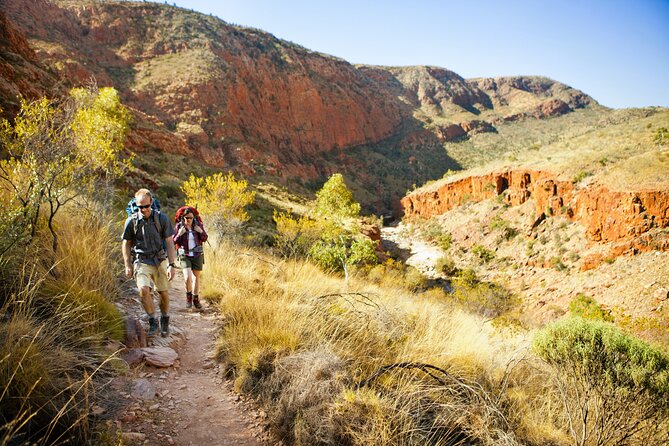
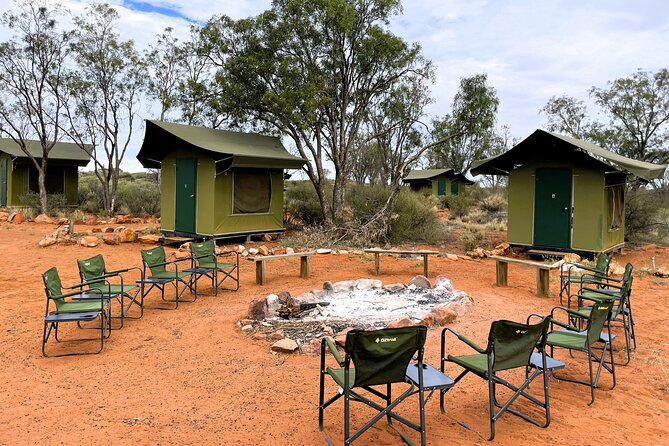
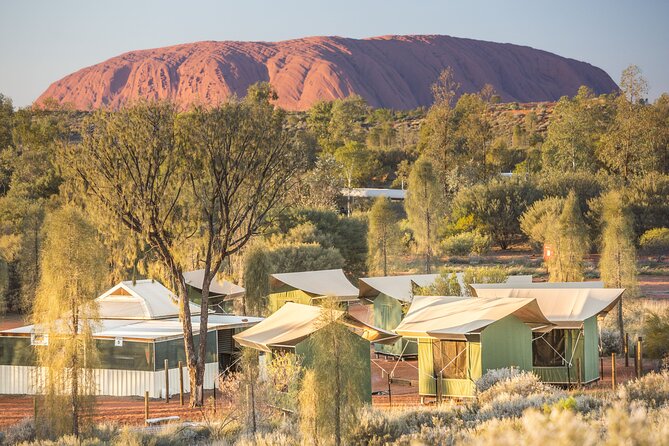
You get two sleeping choices. The safari tent option includes a mattress, pillow and bed linen. The swag option uses a traditional bush single swag, which is a canvas-covered bedroll.
The safari tent is the more comfortable pick if you want a little separation from the elements and a proper bed setup. The swag is better for you if the appeal lies in sleeping closer to the open-air camp experience.
Sleeping bags are not included, but you can hire one onboard for $40 AUD, including cleaning. Ask for one when you book rather than waiting until departure.
The camps are permanent outback campsites, not an entirely improvised bush setup. Still, this is outdoor accommodation. Expect simple conditions, shared routines and a need to organize your belongings. The experience suits someone who sees camping as part of the trip, not as an inconvenience between attractions.
Food, transport and the group routine
Three breakfasts, three lunches and three dinners are included. Other food is not covered, so check what you need for snacks and personal purchases. Onboard drinking water is provided, but you must bring your own bottle.
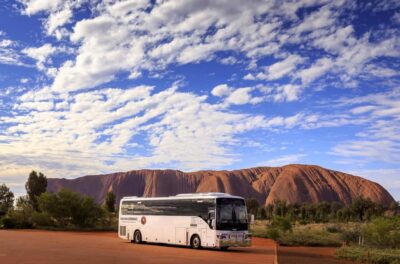
The air-conditioned 4×4 off-road bus is an important part of the package. It allows the group to use routes such as the Mereenie Loop and reach places that may not fit a standard sightseeing schedule. Air conditioning also matters after long walks in the Central Australian heat.
Your guide drives, explains the sights and manages the day. The strongest praise in the supplied feedback focuses on the guides’ attitude and organization. Jason is described as fun, organized and inclusive, while Damian is praised for keeping the group supplied with coffee and making toilet stops easy to manage.
Guide quality can shape a camping tour more than almost anything else. A good guide keeps the day moving without making it feel rushed, explains cultural boundaries clearly and helps the group work together. The feedback points to those practical strengths, but guide assignments can change, so Jason or Damian may not be your guide.
The best reasons to book, and the reasons to pause
I would choose this tour for the route. In four days, you reach four major Red Centre areas without having to arrange a rental car, long-distance transfers or separate park access.
I would also choose it for the balance of well-known sights and quieter travel. Uluru and Kata Tjuta are essential stops, but the Mereenie Loop, bush camp and West MacDonnell waterholes add variety. You get cliffs, gorges, domes, caves, waterholes, sunset and stargazing rather than four days of similar scenery.
The strongest drawback is the pace. The tour covers a great deal of ground, and some days combine early starts, long walks, long drives and camp duties. If you want lazy mornings, private accommodation or plenty of time at one place, this will feel demanding.
The second drawback is the one-way finish. You start at Ayers Rock Airport or Yulara and finish in Alice Springs only. That is convenient if Alice Springs fits your route, but less useful if you need to return to Uluru or fly out immediately.
Cancellation is flexible only if you act early. Cancel at least six full days before the start for a full refund. A cancellation two to six days before departure receives 50 percent, while a cancellation less than two days before departure receives no refund.
Who should book this Red Centre camping trip?
You should consider it if you want a practical, active way to see the Red Centre and do not want to drive the long distances yourself. It suits hikers, outdoor-minded couples, solo visitors who enjoy a group setting, and people who value a guide’s stories as much as the views.
It is also a good match if you want a real camping element without carrying out every arrangement yourself. The operator supplies beds or swags, meals, water, transport and park admission, while you contribute to camp life.
I would pause if you have limited mobility, dislike uneven walks, need private rooms or struggle with early starts. The operator requires moderate to advanced fitness for the walks, and this is a physical tour with several consecutive active days.
FAQ
Where does the tour start?
It starts at Ayers Rock Airport in Yulara at 1:30 pm. Guests can also join from Yulara, and flight details should be provided when booking.
Where does the tour finish?
The tour finishes in Alice Springs only. Arrival is expected around 6:00 to 6:30 pm on the final day.
How many people can join the tour?
The maximum group size is 21 people.
Is accommodation included?
Yes. Three nights at permanent outback campsites are included. You can choose a twin safari tent with mattress, pillow and linen, or a traditional single bush swag.
Are sleeping bags included?
No. A sleeping bag can be hired onboard for $40 AUD, including cleaning costs. You should request one when booking.
How much walking is involved?
The tour includes guided bush walks of up to 6 to 8 kilometres, depending on the route and fitness level. A moderate to advanced level of fitness is required.
Should you book it?
Book this trip if you want the Red Centre in concentrated form: Uluru at sunset and sunrise, Kata Tjuta on foot, Kings Canyon at length, and the West MacDonnell waterholes before an Alice Springs finish.
At $791.84 per person, the value comes from the amount bundled into the price: transport, campsites, meals, park fees, guiding and a route that would be difficult to manage casually on your own. Just arrive ready for physical days, shared camp duties and a firm schedule. If that sounds like part of the fun, this is a strong four-day introduction to Central Australia.
Just added in Uluru
- From Alice Springs: West MacDonnell Ranges Half Day Trip★ 4.4 · 44 reviews
- From Alice Springs: West MacDonnell Ranges Day Trip★ 4.7 · 296 reviews
- Uluru: Sunset, Sparkling Wine, Cheeseboard & Gourmet BBQ★ 4.4 · 193 reviews
- Uluru: Sacred Sites Tour + Sparkling at Sunset & BBQ Dinner★ 4.5 · 82 reviews
- Uluru: Small Group Sunset Tour with Sparkling Wine★ 4.5 · 82 reviews
- Uluru: Guided Walking Tour at Sunrise with Light Breakfast★ 4.6 · 256 reviews
- Uluru: Small Group Guided Tour with Sunset Refreshments★ 4.8 · 190 reviews
- Uluru Highlights Small Group Morning Tour + Picnic Breakfast★ 4.8 · 212 reviews
Uluru Tours, compared.
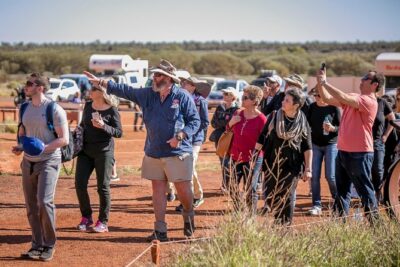
Ayers Rock Day Trip from Alice Springs Including BBQ Dinner
Read our review →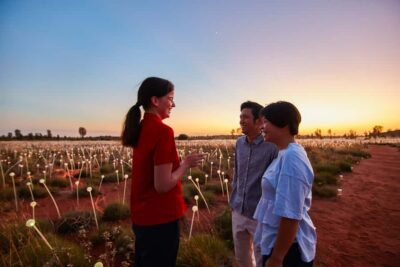
Uluru: Field of Light Sunrise Tour with Hot Drinks
Read our review →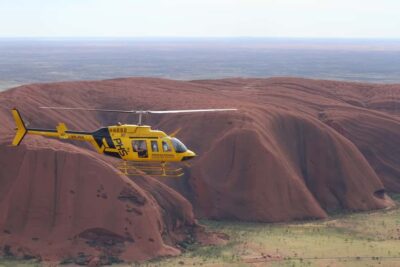
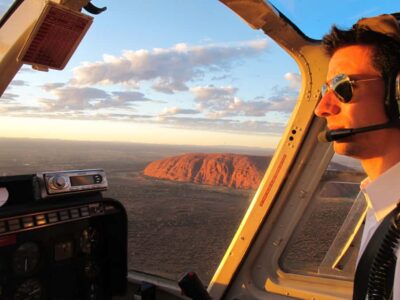
Uluru & Kata Tjuta 25-Minute Helicopter Experience
Read our review →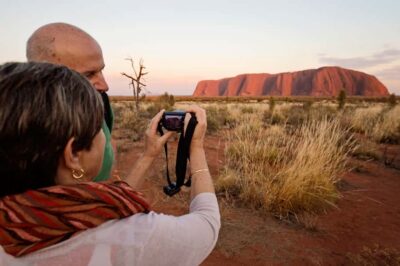
Uluru: Sacred Sites & Sunset Tour with Wine & Cheeseboard
Read our review →
Browse the lists this tour appears in