
Reviewed · ULURU TOURS
3 night Uluru, Kata Tjuta and Kings Canyon Camping Adventure
The Red Centre rewards early mornings. This four-day, three-night adventure gives you a smart route through Kata Tjuta, Uluru and Kings Canyon without arranging several separate trips. I like the mix of guided walks and open time, especially the Kata Tjuta hike and Uluru sunrise. I also like that breakfast, lunch and dinner are included, which helps justify the $857.11 price.
The main consideration is comfort. This is basic camping, not a hotel circuit, and the group can reach 24 people. One serious complaint described a cramped bus with faulty air conditioning, so vehicle comfort may vary. Bring patience, water and realistic expectations about life on the road.
In This Review
- Key details before you book
- Why this four-day route works well
- Kata Tjuta begins the adventure
- Uluru sunset brings the first day to a close
- Uluru sunrise is worth the early alarm
- The Cultural Centre adds meaning after lunch
- Kings Canyon supplies the trip’s biggest walk
- Your third evening has several optional choices
- Camping is basic, social and part of the value
- Meals and guides make a real difference
- Who should book this Red Centre adventure?
- Booking, cancellation and practical facts
- Should you book it?
- FAQ
- How long is the Uluru, Kata Tjuta and Kings Canyon tour?
- Where does the tour start?
- What meals are included?
- Are optional evening activities included?
- How large can the group be?
- What level of fitness is required?
Key details before you book
- Three major Red Centre sights in four days: You visit Kata Tjuta, Uluru and Kings Canyon in one compact trip.
- A 1 p.m. start from Yulara: The tour begins at Desert Gardens Hotel, close to Ayers Rock Airport and Uluru.
- Two strong walking days: Kata Tjuta receives about three hours, while Kings Canyon receives about four.
- Meals are built into the cost: Three breakfasts, three dinners and two lunches are included.
- Camping with a softer landing: You get an authentic outdoor stay without starting from a distant city.
- Optional evening activities cost extra: Field of Lights, Sounds of Silence, a camel cruise and other Yulara activities are not included.
Why this four-day route works well
The Red Centre is vast, and distances can make a short visit awkward. This trip solves much of that problem by beginning in Yulara, the resort settlement beside Uluru, rather than forcing you to spend the first day reaching the area from elsewhere.
You meet at Desert Gardens Hotel at 1 p.m. That is a useful start time if you arrive at Ayers Rock Airport earlier in the day. A free 10-minute transfer is also offered at the end to Desert Gardens Hotel or Ayers Rock Airport, whose code is AYQ. Those small transport details matter here because there are not many easy alternatives around the park.
The price is $857.11 per person. That is not a bargain-basement camping trip, but it covers three nights, three breakfasts, three dinners, two lunches, national park visits and guided sightseeing across four days. You are also paying for the route planning and transport between places that are spread far apart.
I would compare the price with the cost of booking accommodation, meals, park access and separate transport on your own. The value improves if you want to see all three major sights and prefer having a guide handle the timing. It is less attractive if you want a private room, a small group or the freedom to set your own pace.
The tour has a 4.9 rating from 229 ratings, with 98 percent recommending it. That points to a strong overall experience, but I would not ignore the physical side or the one detailed complaint about the bus. A maximum of 24 people is manageable for a guided trip, though it is not an intimate outing.
A few more options to weigh up in Uluru
- From Alice Springs: Day Trip to Uluru with BBQ Dinner
★ 4.6 · 761 reviews - Ayers Rock Day Trip from Alice Springs Including BBQ Dinner
★ 4.5 · 639 reviews - Uluru: Field of Light Sunrise Tour with Hot Drinks
★ 4.6 · 572 reviews
Kata Tjuta begins the adventure
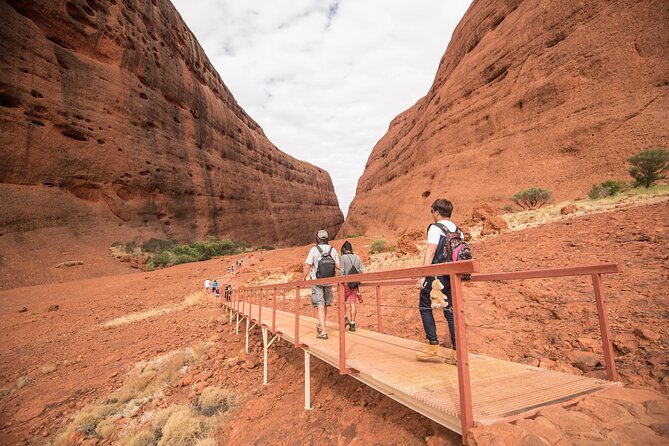
Your first major stop is Kata Tjuta, also called the Olgas. Its 36 domes create a very different sight from Uluru. Instead of one enormous rock rising from the plain, you see a broad collection of rounded formations with passages between them.
The afternoon hike lasts about three hours. This is a good opening walk because you get time to see the rock from several angles rather than making a quick photo stop. The route takes you between the domes, where the shape and color of the stone change as you move.
You should expect a moderate physical demand. The tour asks for a moderate fitness level, and three hours on foot in the Red Centre can feel substantial, especially in warm weather. Wear sturdy walking shoes, carry water and take the guide’s instructions seriously. The supplied information does not promise a particular trail, so the exact level of climbing or uneven ground may depend on conditions.
Kata Tjuta is often overshadowed by Uluru in people’s planning. That would be a mistake. The domes provide the first reminder that the Red Centre is not one single view repeated in different places. The afternoon timing also gives you a gentle start before the early morning ahead.
Uluru sunset brings the first day to a close
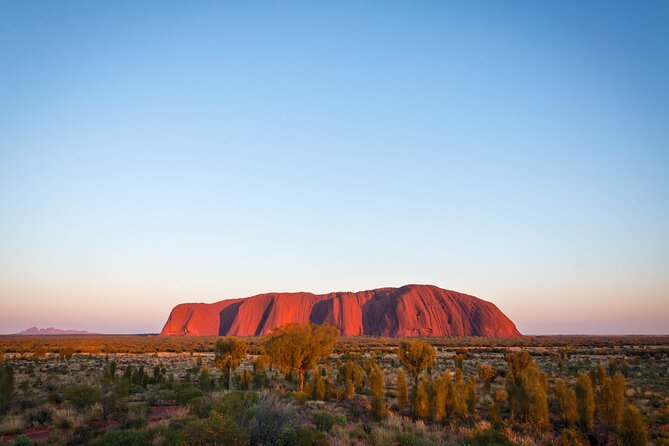
After Kata Tjuta, you head into Uluru-Kata Tjuta National Park for sunset. The viewing period lasts about an hour, with a light snack as the sun lowers and the rock changes through earthy shades.
Sunset at Uluru is not just about seeing the rock turn red. The changing light brings out different tones across its surface, and the surrounding plain helps you notice the scale of the monolith. A light snack is a welcome touch, especially after the afternoon walk.
This first sunset also gives you a useful introduction to the park before the next day’s sunrise and cultural visit. The timing is efficient, but it is not rushed into a five-minute photo stop.
The downside is that sunset is a popular time for any Uluru trip, and your experience depends on the weather and viewing conditions. Still, it is a strong first evening, especially since you do not need to arrange your own transport back to camp.
Uluru sunrise is worth the early alarm
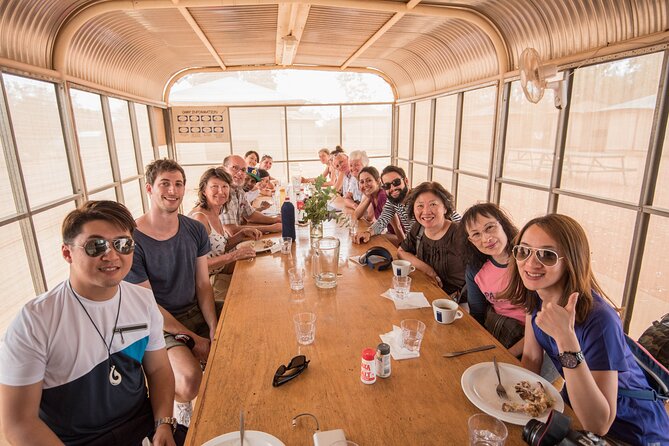
Day two starts early, but this is one of the times when an inconvenient alarm earns its keep. You watch the sun reach Uluru, first touching the rock before the light spreads across the surrounding plain.
The visit lasts about three hours and includes a stop at a significant cultural site with your guide. The cultural side of Uluru matters as much as the famous outline. A good guide can help you understand why this place carries meaning for First Nations communities, rather than treating it as only a scenic backdrop.
Sophie received especially warm praise for her guiding and cooking. Her knowledge of the area and her homemade desserts helped make the trip memorable. Usher was also described as caring, and the pair were praised for looking after the group. Those details matter on a camping trip, where a calm guide and a good meal can change the feel of the whole day.
You should expect a full morning. The sunrise, walking and cultural stop are packed into roughly three hours, so this is not a sleep-in day. If you are sensitive to early starts, plan for several demanding mornings rather than treating the first one as a one-off.
A completely different kind of day out:
- Uluru 15-Minute Helicopter Experience
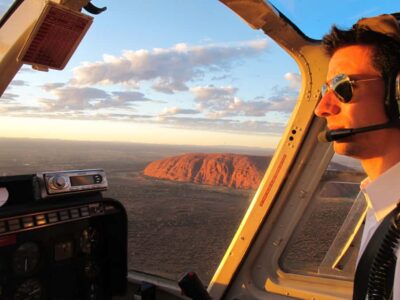
★ 4.9 · 548 reviews - Yulara: Uluru & Kata Tjuta 25-Minute Helicopter Experience
★ 4.8 · 536 reviews - Yulara: Uluru Sunrise and Kata Tjuta Day Trip by Bus
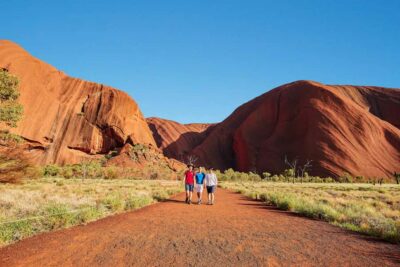
★ 4.5 · 469 reviews - Uluru: Sacred Sites & Sunset Tour with Wine & Cheeseboard
★ 4.5 · 450 reviews
The Cultural Centre adds meaning after lunch
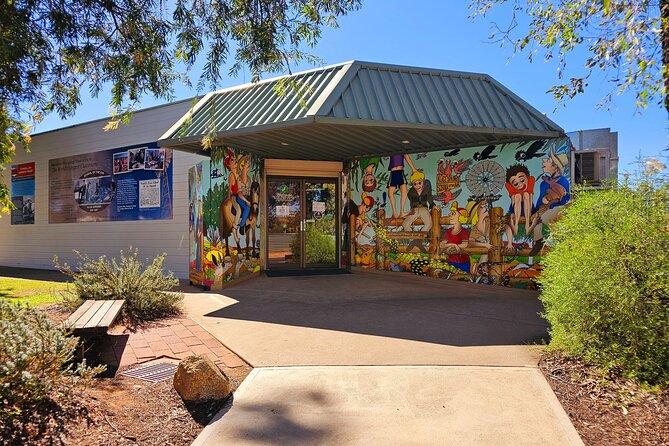
After lunch, you visit the Uluru-Kata Tjuta Cultural Centre for about an hour. This gives you time to learn more about the area and browse art made by First Nations artists from the Western and Central Deserts.
I like this stop because it adds context after the morning’s sightseeing. A visit to Uluru can feel incomplete if you only collect photographs. The Cultural Centre gives you a chance to consider the living culture connected to the area and, if you wish, buy a piece of locally made art.
The one-hour visit is long enough for a useful stop, though not long enough for an unhurried examination of everything. If you are interested in art, keep an eye on the time and decide what you want to see first.
Lunch is included on two days, and breakfast and dinner are included across all three nights. The exact menus are not specified, so do not book this expecting a particular cuisine. What you can count on is that the tour covers the main meals, reducing the need to search for food during a tightly timed route.
Kings Canyon supplies the trip’s biggest walk
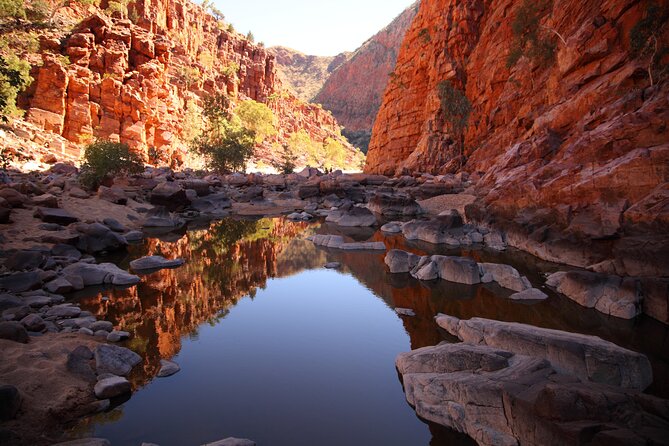
Day three takes you to Watarrka National Park and Kings Canyon. The main sight is a huge gorge framed by sheer rock walls, with sandstone, gullies and hidden rock pools shaping the view.
The visit lasts about four hours, making it the most substantial walking stop on the schedule. Kings Canyon is not a quick roadside viewpoint. You have time to see the gorge properly, but that time also means the day may feel physically demanding.
Your guide will direct the visit, but the supplied details do not specify the exact walking route. Because the tour requires moderate fitness, you should be prepared for uneven surfaces and a sustained outing. Carry water and dress for sun and heat. The park’s porous sandstone and deep gullies make the area visually striking, but they also make practical footwear important.
Kings Canyon gives the itinerary good variety. Uluru is a single monumental form, Kata Tjuta is a group of domes, and Kings Canyon is a cut through rock. Seeing all three helps you understand the Red Centre as a region with several distinct types of scenery.
Weather can affect the mood of this day. One guest described rain during much of the trip, yet still found the changing conditions added something special. Rain is not guaranteed, of course, but it is a reminder that the Red Centre does not always deliver clear skies and orange sunsets on demand.
Your third evening has several optional choices
After Kings Canyon, you return toward Ayers Rock Town Centre. You may choose an evening activity, but these cost extra. Choices include a Sunset Camel Cruise, Field of Lights, Sounds of Silence, the Wintjiri Wiru drone display or an Uluru sunset experience.
This is a useful design choice because people have different energy levels after a four-hour canyon visit. You can spend more on a special evening event, or choose a quieter option if you are tired. The tour price does not include these activities, so check the cost before committing.
Field of Lights and Sounds of Silence are not interchangeable experiences, and the camel cruise offers a different kind of evening again. The information provided does not give prices or exact start times, so you should confirm those details when booking an optional activity.
The extra choice also means the base tour can remain at its stated price. You are not forced to pay for an evening show you do not want. For many people, that flexibility is better value than an all-inclusive package with costly extras built in.
Camping is basic, social and part of the value
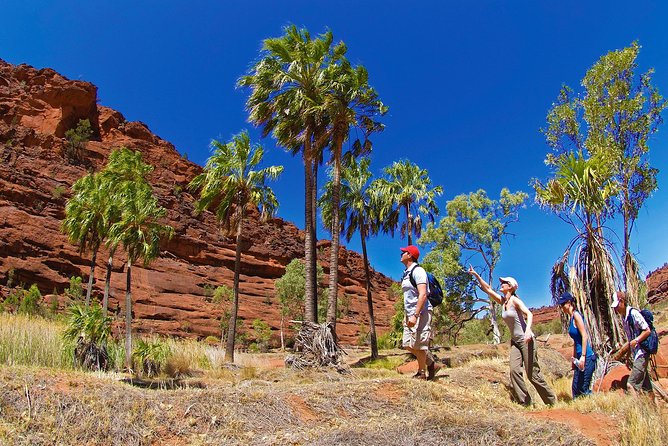
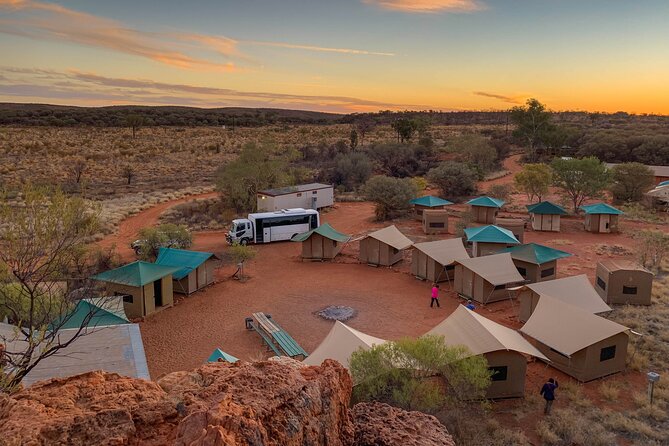
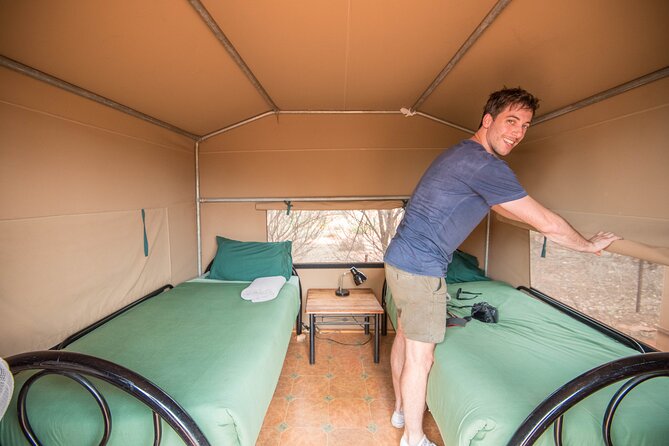
This is described as basic camping, but also as very enjoyable and rewarding. That combination is the right way to think about it. You are not booking a polished resort stay under the stars. You are choosing a practical outdoor base that lets you spend several days in the Red Centre without paying for separate hotels each night.
The camping element may be one of the best parts for you if you like shared experiences and simple routines. Three included dinners also help. A guide such as Sophie, praised for cooking and homemade desserts, can make camp life feel cared for rather than merely functional.
It may be the wrong choice if you need hotel-level comfort, privacy or a predictable quiet night. The group can include up to 24 people, and a group of that size affects meals, walking pace and time spent getting on and off the vehicle.
The bus deserves a specific note. One detailed complaint described it as too small for a large group, with poor air conditioning and worn seating. That is a serious comfort concern in a hot region. The positive feedback about the guides and overall trip is strong, but you should accept that transport quality may not be the polished part of the experience.
Meals and guides make a real difference
Included food is more important here than it might be on an ordinary city tour. You are spending long days away from regular restaurants, so three breakfasts, three dinners and two lunches remove much of the daily planning.
The strongest praise focuses on the guides. Sophie was singled out for her knowledge, warmth and cooking, while Sophie and Usher were praised for being caring. Another guide, Leonie, received praise for the hikes, sunrise and sunset.
Those comments point to the human side of the trip. The route is impressive on its own, but a guide shapes how much you understand and how supported you feel during long walks and early starts. Homemade dessert may sound like a small thing, but after a hot day outside, it is exactly the sort of detail people remember.
Who should book this Red Centre adventure?
I would choose this tour if you have four days, want the main sights in one trip and are comfortable with basic camping. It suits people who prefer a planned route, included meals and guided walks over independent driving.
It is also a good fit if you are flying into Ayers Rock Airport and want to start near Yulara. The 1 p.m. meeting time and free return transfer make the trip easier to fit around flights, though you must still check your own arrival and departure times.
You should think twice if you have limited walking ability, dislike early mornings or need reliable air conditioning and roomy transport. The tour asks for moderate fitness, and the Kings Canyon day lasts about four hours on foot.
The group size is another factor. A maximum of 24 people is not enormous, but it is larger than a private tour. You gain the social side of shared camping, while giving up some flexibility and quiet.
Booking, cancellation and practical facts
Confirmation is received when you book, and mobile tickets are offered. The tour starts and ends at Desert Gardens Hotel, with the free transfer option to Yulara or Ayers Rock Airport at the end.
Cancellation terms are firm. You can receive a full refund if you cancel at least six full days before the start time. Cancelling two to six full days ahead allows a 50 percent refund, while cancelling less than two full days before the start time receives no refund. Changes inside those cutoffs are not accepted.
The experience requires a minimum number of people. If that minimum is not reached and the tour is cancelled, you are offered another date or experience, or a full refund.
Should you book it?
Book this trip if you want the Red Centre’s big three sights without managing the logistics yourself. The route is well shaped, the meals add value, and the combination of Kata Tjuta, Uluru and Kings Canyon gives you a far better sense of the region than a single-day visit.
Go in ready for basic camping, early mornings, long walking days and a group that may approach 24 people. If that sounds enjoyable, the 4.9 rating feels understandable, especially with guides such as Sophie and Usher helping make the days personal. If you need hotel comfort or guaranteed spacious transport, choose a more comfortable style of trip instead.
FAQ
How long is the Uluru, Kata Tjuta and Kings Canyon tour?
The experience lasts approximately four days and includes three nights of camping.
Where does the tour start?
It starts at Desert Gardens Hotel, 1 Yulara Drive, Yulara, Northern Territory. The scheduled start time is 1 p.m.
What meals are included?
The price includes three breakfasts, three dinners and two lunches.
Are optional evening activities included?
No. Activities such as Field of Lights, Sounds of Silence, the Sunset Camel Cruise and the Wintjiri Wiru drone display are optional and cost extra.
How large can the group be?
The tour has a maximum group size of 24 people.
What level of fitness is required?
A moderate level of physical fitness is required. The itinerary includes a roughly three-hour hike at Kata Tjuta and about four hours at Kings Canyon.
Just added in Uluru
- From Alice Springs: West MacDonnell Ranges Half Day Trip★ 4.4 · 44 reviews
- From Alice Springs: West MacDonnell Ranges Day Trip★ 4.7 · 296 reviews
- Uluru: Sunset, Sparkling Wine, Cheeseboard & Gourmet BBQ★ 4.4 · 193 reviews
- Uluru: Small Group Sunset Tour with Sparkling Wine★ 4.5 · 82 reviews
- Uluru: Guided Walking Tour at Sunrise with Light Breakfast★ 4.6 · 256 reviews
- Uluru: Sacred Sites Tour + Sparkling at Sunset & BBQ Dinner★ 4.5 · 82 reviews
- Uluru: Small Group Guided Tour with Sunset Refreshments★ 4.8 · 190 reviews
- Uluru Highlights Small Group Morning Tour + Picnic Breakfast★ 4.8 · 212 reviews
Uluru Tours, compared.
Ayers Rock Day Trip from Alice Springs Including BBQ Dinner
Read our review →
Uluru: Field of Light Sunrise Tour with Hot Drinks
Read our review →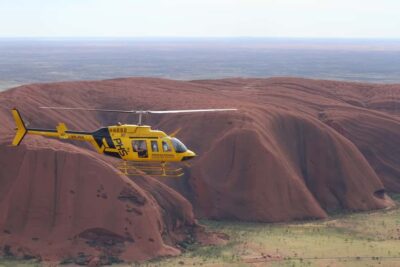
Uluru & Kata Tjuta 25-Minute Helicopter Experience
Read our review →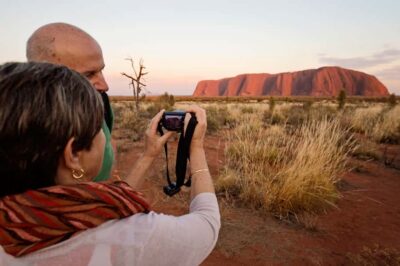
Uluru: Sacred Sites & Sunset Tour with Wine & Cheeseboard
Read our review →
Browse the lists this tour appears in