
Reviewed · DARWIN TOURS
WWII Bombing of Darwin & Royal Flying Doctor Service
Darwin’s past arrives with a headset. At the RFDS Darwin Tourist Facility, I like the way two very different Australian stories share one compact museum visit: the birth of the Royal Flying Doctor Service and the bombing of Darwin Harbour in 1942. I also like the smart use of VR, holograms, and audio translation headsets, which makes the material easier to grasp than a row of old photographs.
The main drawback is that this is a self-guided visit, not a fully narrated tour with a guide beside you. The technology adds drama, but some visitors may prefer a quieter museum with more time for long-form reading. Plan on about 1.5 hours, and do not arrive too late, since last entry is 3:00 PM on regular days and 2:00 PM on public holidays.
In This Review
- Key points to know before you go
- Two Australian stories at Stokes Hill Wharf
- Start with the staff briefing and session times
- The RFDS story and the Pilatus PC-12 aircraft
- The 1942 bombing through the Window platform
- VR and holograms make the history easier to picture
- A self-guided visit with room to set your own pace
- How long to stay and when to arrive
- Is $21 a fair price?
- Who will enjoy this Darwin experience most?
- Practical booking advice for your Darwin day
- Should you book the RFDS and Bombing of Darwin experience?
- FAQ
- Where is the RFDS Darwin Tourist Facility?
- How much does entry cost?
- How long should I allow for the visit?
- Is this a guided tour?
- What stories does the facility present?
- Are VR experiences included?
- Are holographic cinema sessions included?
- Is an RFDS aircraft on display?
- What time is the last entry?
- Is the facility wheelchair accessible?
- Can I cancel my booking?
- How long is the ticket valid?
Key points to know before you go
- Two major Darwin stories in one ticket: Learn how the RFDS began aeromedical work in the Northern Territory in 1939, then follow the story of the 1942 raids on Darwin Harbour.
- Modern technology does real work: Two VR experiences, holographic cinema sessions, and interactive displays turn difficult history into something easier to picture.
- A real Pilatus PC-12 is on display: You can see a decommissioned RFDS aircraft fitted for aeromedical work.
- Allow 90 minutes: The facility is self-guided, but the different experiences can take longer than expected.
- The visit costs $21 per person: That is fair value if you use the VR and cinema sessions rather than rushing through the exhibits.
- Book with flexibility: Tickets are valid for six months, and cancellation is free up to 24 hours before the visit.
Two Australian stories at Stokes Hill Wharf
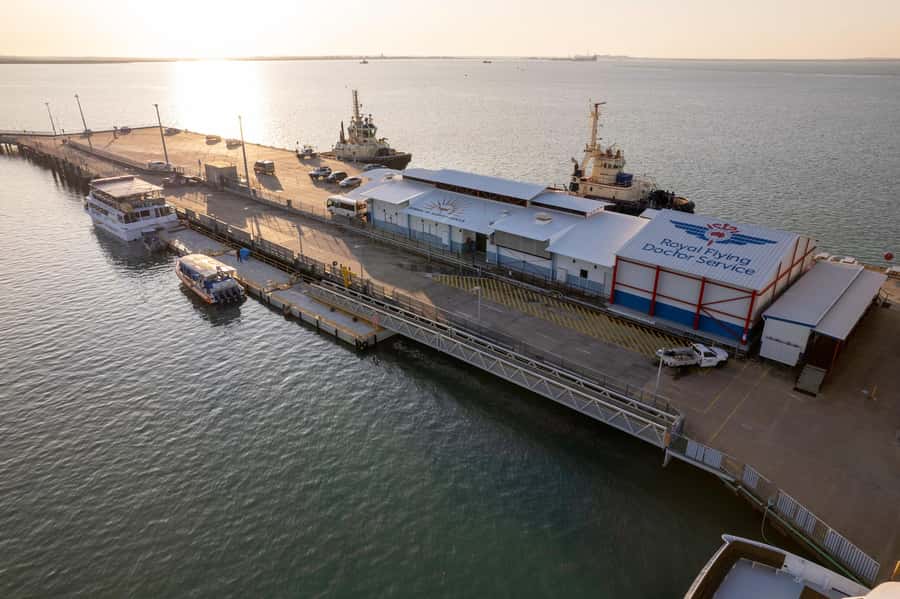
The RFDS Darwin Tourist Facility sits at 45 Stokes Hill Road, close to Stokes Hill Wharf in Darwin City. Its location matters. You are not studying these stories in an abstract gallery far from the places connected with them. The facility presents events tied closely to Darwin and to the Northern Territory.
The visit brings together the Royal Flying Doctor Service and the bombing of Darwin Harbour. These subjects share a broad theme: people facing isolation, danger, and limited medical help in a vast part of Australia.
The RFDS story begins with aeromedical operations in the Northern Territory in 1939. The display follows the service’s birth and growth, showing why aircraft became so important in a region where distance could make ordinary medical care hard to reach.
The second story moves to February 1942 and the raids that shook Australia. The exhibition focuses on the drama of the bombing, along with stories of survival and courage. You are not simply looking at a date on a wall. The presentation aims to show what the attacks meant for people who were there.
A few more options to weigh up in Darwin
- Litchfield National Park and Jumping Crocodile Cruise
★ 5.0 · 2,119 reviews - Adelaide River Cruises – Jumping Crocodile Experience
★ 5.0 · 997 reviews - Sunset 3-Hour Cruise from Darwin with Dinner and Sparkling Wine
★ 5.0 · 980 reviews
Start with the staff briefing and session times
When you arrive, a staff member gives you an outline of the facility. This is a useful first step because the visit includes timed elements. You receive information about the holographic cinema sessions and the Window of the 1942 bombing platform before setting off.
That brief orientation helps you plan the order of your visit. Since the tour is self-guided, you have freedom to move at your own speed, but the cinema and platform experiences may follow set times. Ask the staff member to explain the next available session so you do not spend too long at the first displays and miss it.
The staff are available to help during the visit. That matters if you need assistance with the technology, want clarification about the sequence, or need help using the audio translators.
There is no need to treat this like a rushed attraction. Give yourself the full 1.5 hours. Some of the interactive parts take longer than a quick look, and the facility’s different presentation styles encourage you to pause.
The RFDS story and the Pilatus PC-12 aircraft
The RFDS section tells the story of how the service began and expanded. Its start in Northern Territory aeromedical operations in 1939 gives you a clear point of reference. The aircraft was not a decorative extra. It was the practical link between medical care and people living far from major centres.
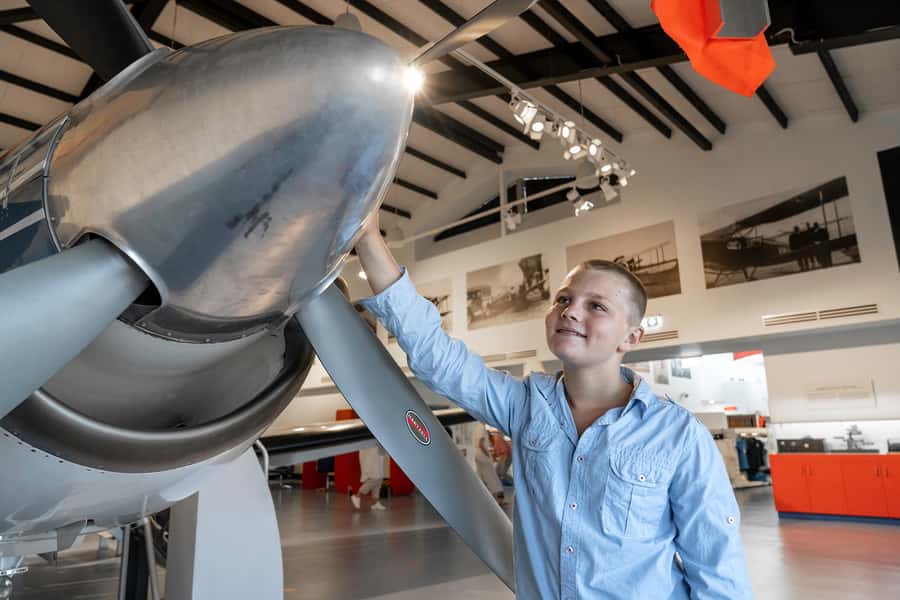
The most tangible part of this section is the decommissioned RFDS Pilatus PC-12. Seeing the aircraft helps you understand the working side of aeromedical care. You can examine a fully equipped medical plane rather than trying to picture one from a written explanation.
That physical display works well alongside the historical material. The aircraft gives the story scale and shape. It shows how a plane can function as a flying medical space, not simply as transport.
I find this especially useful for families and visitors who do not know much about the RFDS before arriving. The service can sound like a familiar Australian symbol, but the aircraft display helps explain the practical problem it was built to solve.
The RFDS section may appeal most to people interested in medicine, aviation, Australian services, or Northern Territory life. It also gives children something concrete to look at while adults spend more time with the historical information.
The 1942 bombing through the Window platform
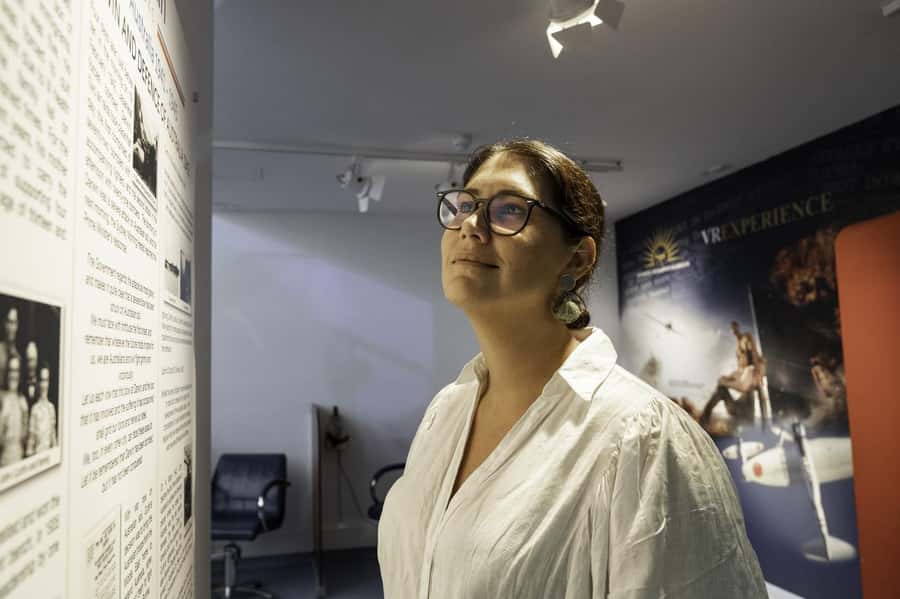
The bombing of Darwin Harbour is presented through modern technology, including the Window of the 1942 bombing platform. This experience is designed to place you close to the event through visuals and sound rather than relying only on labels.
The title itself gives you a clue to the approach. You are positioned as an observer looking into a past moment, with the technology helping recreate the tension of the raids. The display also brings forward stories of heroes and survivors, which keeps the focus on people rather than military facts alone.
This part may be the emotional centre of the visit. The subject is serious, and the presentation aims to make the bombing feel immediate. That can help younger visitors understand the human cost of the raids, though anyone who prefers a calm, traditional museum style may find the effects more intense.
The attraction does not ask you to read a long book before you can follow the story. Instead, it uses audiovisual material to set the scene and present key events. That makes it accessible, especially when you have limited time in Darwin.
A completely different kind of day out:
- From Darwin: Litchfield Park Tour & Jumping Crocodile Cruise
★ 4.9 · 829 reviews - Charles Darwin Dinner Cruise
★ 4.5 · 820 reviews - Kakadu Day Tour from Darwin with Offroad Dreaming
★ 5.0 · 776 reviews - Cape Adieu Darwin Sunset Dinner Cruise
★ 5.0 · 750 reviews
VR and holograms make the history easier to picture
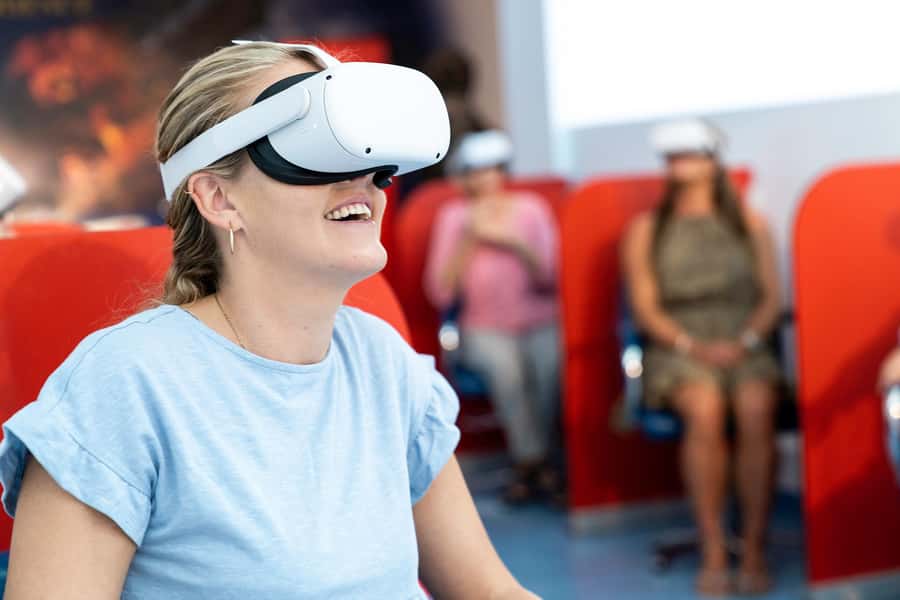
The two virtual reality experiences are included in the ticket. They give the visit a more active feel than a standard exhibition. You are not only reading about the past. You are using a digital viewpoint to see it presented in a different way.
The VR is one of the strongest reasons to choose this facility over a basic historical display. It adds a sense of place and movement that photographs cannot provide. The experience carries a 4.8 out of 5 rating from 34 ratings, and the strongest praise focuses on the audiovisual presentation.
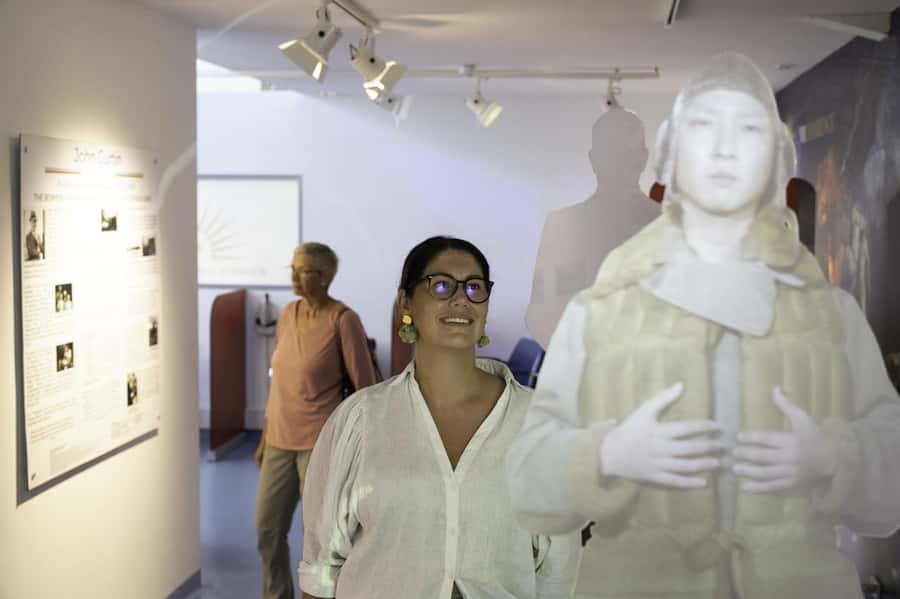
The holographic cinema sessions add another layer. Holograms can place historical figures and stories in front of you in a way that feels more direct than a printed panel. Here, the technology supports the storytelling rather than appearing as a gimmick added for its own sake.
Still, technology is not the same as depth. You will get the clearest value if you pay attention to the explanations around each presentation. The visual effects create interest, but the historical context gives them meaning.
The facility also supplies headset audio translators. English is the host language, and the available language information lists English. If you need audio support, ask the staff member how to use the headsets at the start.
A self-guided visit with room to set your own pace
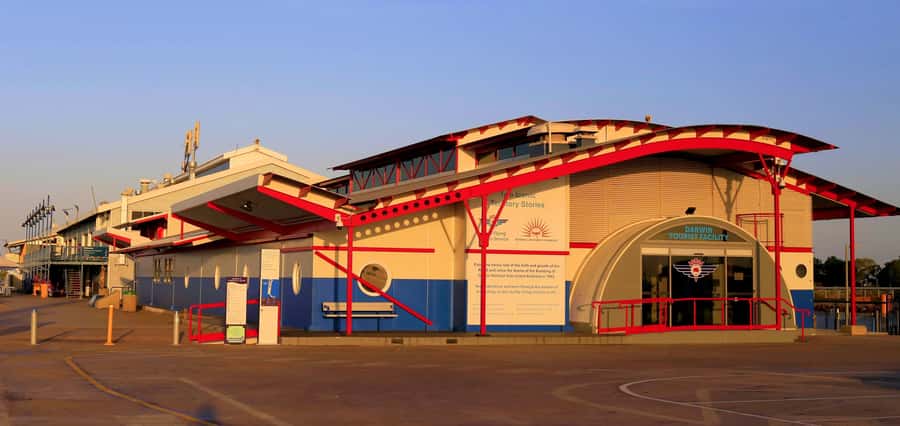
A self-guided format suits people who dislike being pushed from one stop to the next. You can spend extra time with the aircraft, move quickly through material that interests you less, and return to a display if you want another look.
The trade-off is that you must manage your own time. The staff can assist, but the visit does not appear to include a personal guide giving a continuous explanation. If you enjoy asking questions throughout a tour, speak with the staff when you arrive and use the available assistance.
The facility is wheelchair accessible, which makes the visit easier to plan for people with mobility needs. You should still allow enough time to use the interactive stations without rushing.
The experience is listed as valid for six months, which gives you flexibility when planning a Darwin stay. This is particularly helpful if your schedule depends on weather, flights, or other day trips.
How long to stay and when to arrive
The practical sweet spot is a mid-morning or early afternoon visit, provided you arrive well before the final entry time. Normal trading days allow last entry at 3:00 PM. On public holidays, the cutoff moves earlier to 2:00 PM.
I would not plan to arrive at the last minute. You need time to receive the introduction, catch a holographic cinema session, use both VR experiences, and see the RFDS aircraft. A late arrival may force you to skip the very features that make the $21 ticket worthwhile.
Allow at least 1.5 hours for the facility in its entirety. Some people may finish faster if they read only the main panels, while others may stay longer because of the different audiovisual stations. The technology can slow you down in a good way.
If you are visiting Darwin with children, build in a little patience around the VR equipment. Interactive attractions often work best when you are not watching the clock. If you are travelling alone or as a couple, the self-guided format makes it easy to keep moving.
Is $21 a fair price?
At $21 per person, this is a reasonable Darwin museum ticket, especially because the price includes the self-guided exhibition, audio translators, two VR experiences, and holographic cinema sessions. You are paying for more than entry to a room of static displays.
The value depends on how much of the facility you use. If you arrive close to closing and only see a few exhibits, the price feels less attractive. If you allow the full 90 minutes and take part in the VR and cinema sessions, the ticket becomes easier to justify.
The attraction also offers free cancellation up to 24 hours before the visit and a reserve-now, pay-later option. Those terms help if your Darwin plans are still shifting. You can book ahead without paying immediately, then adjust if your schedule changes within the stated cancellation period.
Skip-the-ticket-line entry adds a small practical benefit. It keeps your arrival simple, though you still need to check the session timing once inside.
Who will enjoy this Darwin experience most?
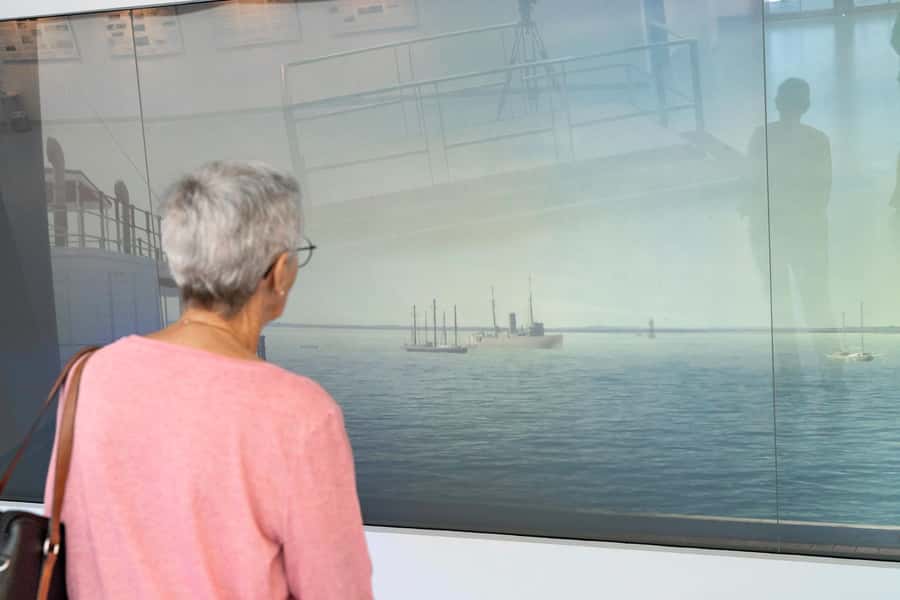
I would recommend this to anyone who wants a clear introduction to two important Northern Territory stories without committing to a full-day museum visit.
It suits:
- Families looking for history presented in an accessible way
- Visitors interested in aviation or medical services
- People curious about Darwin during World War II
- Anyone who enjoys VR and audiovisual exhibits
- Travellers with about 90 minutes to spare near Stokes Hill Wharf
- Visitors who prefer exploring independently rather than following a fixed guide
It may be less suitable if you want a long, quiet, text-heavy museum visit or a detailed specialist account of the bombing. The facility uses technology to tell its stories, so the experience is more about seeing and hearing history than reading every detail in depth.
The strong score of 4.8 from 34 ratings supports the idea that the presentation works well for most visitors. The specific praise for the audiovisual displays also points to the attraction’s main strength: its ability to make serious subjects easier to picture.
Practical booking advice for your Darwin day
Choose a time that leaves room before closing. Last entry is 3:00 PM on ordinary trading days and 2:00 PM on public holidays, so check the day carefully before setting off.
At the entrance, listen closely to the staff outline and note the cinema times. This small step can save you from waiting or missing a session.
Wear whatever is comfortable for a 1.5-hour indoor visit, and keep your schedule flexible enough to use the interactive displays at a calm pace. Since the facility is wheelchair accessible, it can fit into a day plan for visitors who need accessible attractions.
The meeting point is RFDS Darwin Tourist Facility, 45 Stokes Hill Road, Darwin City, NT 0800. The host or greeter speaks English, and headset audio translators are included.
Should you book the RFDS and Bombing of Darwin experience?
Book it if you want history with strong visual support, a genuine RFDS aircraft, and two important Darwin stories in one manageable visit. The $21 price is fair when you use the VR, holographic cinema, and interactive stations instead of treating the facility as a quick photo stop.
I would be more cautious if you prefer a traditional museum led by a personal guide. This is self-guided, and the technology does much of the storytelling. For most visitors, though, the mix works well: the RFDS aircraft gives you something real to examine, while the VR and holograms make the 1942 bombing easier to understand.
Arrive early enough for the full 1.5 hours, ask about session times, and let the displays set the pace. That is the best way to get your money’s worth and leave with a clearer sense of both the RFDS mission and Darwin’s wartime experience.
FAQ
Where is the RFDS Darwin Tourist Facility?
It is located at 45 Stokes Hill Road, Darwin City, Northern Territory, Australia.
How much does entry cost?
Entry costs $21 per person.
How long should I allow for the visit?
You should allow about 1.5 hours to view the facility in its entirety.
Is this a guided tour?
It is a self-guided tour. Staff members are available to assist, and an English-speaking host or greeter provides an outline when you arrive.
What stories does the facility present?
The facility presents the birth and growth of the Royal Flying Doctor Service and the bombing of Darwin Harbour in 1942.
Are VR experiences included?
Yes. The ticket includes two virtual reality experiences.
Are holographic cinema sessions included?
Yes. Holographic cinema sessions are included in the entry ticket.
Is an RFDS aircraft on display?
Yes. You can see a decommissioned RFDS Pilatus PC-12 equipped as an aeromedical plane.
What time is the last entry?
Last entry is at 3:00 PM on normal trading days and 2:00 PM on public holidays.
Is the facility wheelchair accessible?
Yes. The facility is wheelchair accessible.
Can I cancel my booking?
Yes. You can cancel up to 24 hours in advance for a full refund.
How long is the ticket valid?
The ticket is valid for six months. You should check availability for the available starting times.
Just added in Darwin
- LookAbout Darwin Wetlands Wildlife Premium Tour Max 6 Guests★ 4.9 · 72 reviews
- Litchfield National Park: Full-Day & Lunch from Darwin★ 4.6 · 205 reviews
- Darwin: Premium Litchfield Regional Small Group Day Tour★ 4.6 · 61 reviews
- From Darwin: Litchfield National Park Small-Group Day Trip★ 4.7 · 131 reviews
- Katherine Gorge & Edith Falls Full-Day Tour from Darwin★ 4.6 · 250 reviews
- Darwin: Kakadu & Nourlangie Day Trip Plus Billabong Cruise★ 4.3 · 166 reviews
- Jumping Crocodile Cruise from Darwin Half-Day Scenic Trip★ 4.5 · 80 reviews
- Darwin: Adelaide River Half-Day Jumping Crocs Cruise★ 4.3 · 130 reviews
Darwin Tours, compared.
Litchfield National Park and Jumping Crocodile Cruise
Read our review →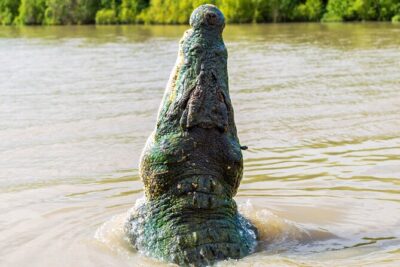
Adelaide River Cruises – Jumping Crocodile Experience
Read our review →
Sunset 3-Hour Cruise from Darwin with Dinner and Sparkling Wine
Read our review →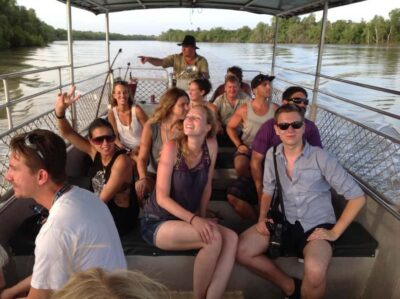
Litchfield Park Tour & Jumping Crocodile Cruise
Read our review →
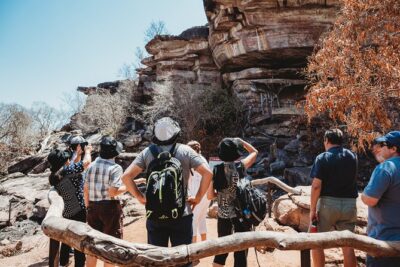
Kakadu Day Tour from Darwin with Offroad Dreaming
Read our review →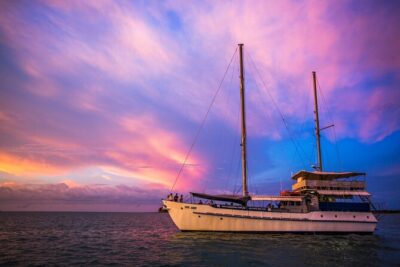
Browse the lists this tour appears in