
Reviewed · 3-DAY EXPERIENCES
Uluru Kata Tjuta & Kings Canyon 3-Day 2-Night Camping Tour
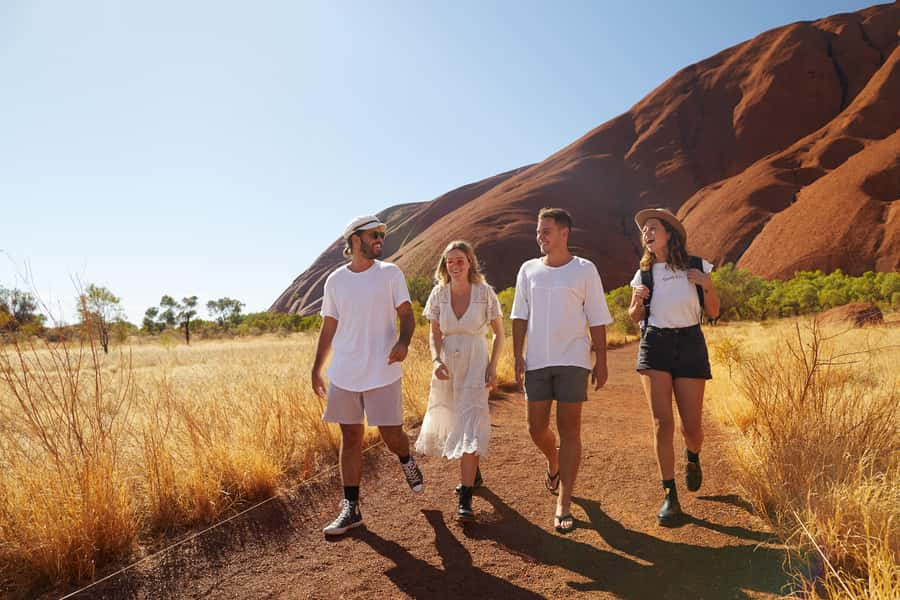
The stars may be your best campsite upgrade. This three-day Red Centre tour links Uluru, Kata Tjuta and Kings Canyon while taking you from Yulara to Alice Springs, so you see far more than one famous rock. I especially like the chance to sleep outdoors in a bush swag and the strong focus on Indigenous culture, geology and desert plants. The main catch is the pace: early starts, long drives, hot hikes and shared camp chores demand a decent level of fitness and flexibility.
I also like that the $598 price covers the big practical costs, including transport, park entry, two nights of camping, five meals and a guide. Guides such as Jim, Ewel, Adam, Tristan and Rhett have earned especially warm praise for making the long days feel safe, social and worthwhile. But one guide may be driving, cooking, organizing and leading a group of 20 or more people, so this is active camping rather than a pampered small-group escape.
In This Review
- Key points before you book
- What $598 buys you across three days
- Day one: Yulara, the Cultural Centre and Uluru
- Day two: Kata Tjuta at sunrise
- Day three: Kings Canyon and the Mereenie Loop
- Guides make or break the long days
- Food, equipment and what to pack
- Who will enjoy this Red Centre tour?
- Should you book the Uluru camping tour?
- FAQ
- How long is the Uluru, Kata Tjuta and Kings Canyon tour?
- Where does the tour begin and end?
- Are Uluru, Kata Tjuta and Kings Canyon all included?
- Is transport included?
- What accommodation is provided?
- Is a sleeping bag included?
- How difficult are the walks?
- Are meals included?
- What should I bring?
- Can children join the tour?
- Can I bring large luggage?
- Is the tour available in languages other than English?
- Can I cancel for a refund?
Key points before you book
- Sleep under the Central Australian stars: Choose a bush swag for the classic Outback night, or select a safari tent with a mattress, pillow and sheets.
- Three major sights in one route: You visit Uluru, Kata Tjuta and Kings Canyon, then continue toward Alice Springs through the West MacDonnell Ranges.
- The hiking is real: Walks cover rocky ground, steep sections, direct sun and high humidity, with one possible trek reaching 9 to 11 kilometres.
- Culture is part of the trip: Creation stories, sacred rock art, Indigenous law and the living connection of local Aboriginal communities to the land are central to the guiding.
- The route is also a transfer: Air-conditioned transport takes you from Yulara to Alice Springs, making this useful if your itinerary connects both places.
- Camp life is shared: You should expect to help with cooking, cleaning, packing and general camp jobs.
What $598 buys you across three days
At $598 per person, this tour is not simply a sightseeing bus with a campsite attached. You are paying for a long point-to-point journey, guided walks, national park entry, two nights of accommodation, two breakfasts, three lunches, two dinners, drinking water and an accredited Outback driver, guide and host.
That bundle gives the price solid value, especially if you want to see all three major Red Centre sights without arranging a vehicle, permits, camping equipment and meals yourself. The Yulara to Alice Springs transport is useful too. You can begin near Uluru and finish in Alice Springs rather than returning to your starting point.
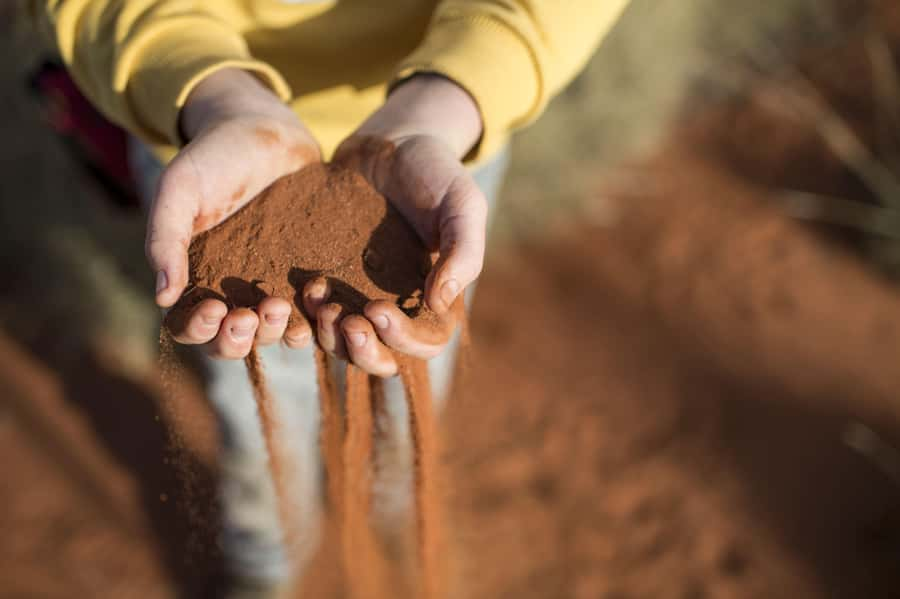
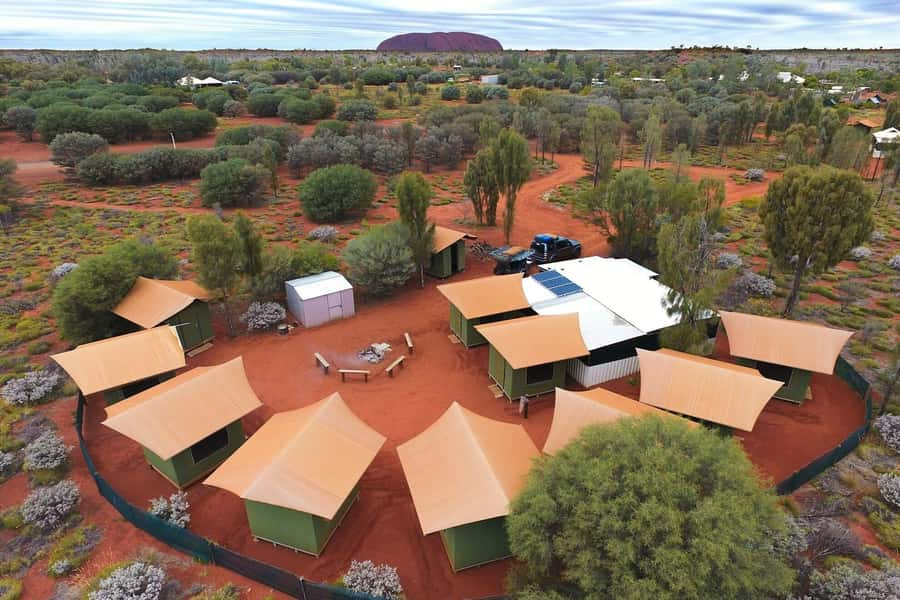
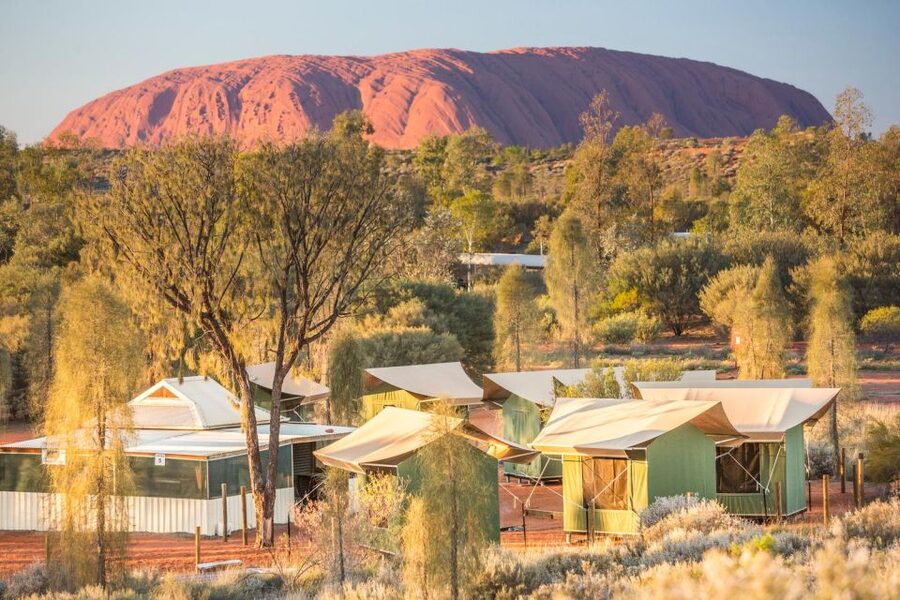
The accommodation is basic but suits the setting. The bush swag is a canvas-covered bed roll placed outdoors, usually with a sleeping bag inside. Past participants have loved the open sky and stars, but one important detail is easy to miss: a swag is not a sealed cabin. Small creatures can potentially get close, so you need to be comfortable with genuine outdoor sleeping.
The safari tent option is the more sheltered choice. It includes a mattress, pillow, pillowcase, fitted sheet and top sheet. A sleeping bag is not included, but you can rent one onsite for $40. If you choose the swag option, check exactly what bedding is supplied before departure and budget for the rental if needed.
Do not expect a resort-style camp. The setup is described as well stocked and comfortable for an Outback base, but the experience works because everyone pitches in. I would see the cooking and cleanup as part of the social side, not a flaw, provided you know about it in advance.
Other trips worth a look in Australia:
- Sydney: Opera House Guided Tour with Entrance Ticket
★ 4.8 · 8,312 reviews - All Inclusive Blue Mountain,Scenic World,Lunch,Koalas,ferry
★ 5.0 · 7,832 reviews - Great Ocean Road Small-Group Eco Tour from Melbourne
★ 5.0 · 6,607 reviews
Day one: Yulara, the Cultural Centre and Uluru
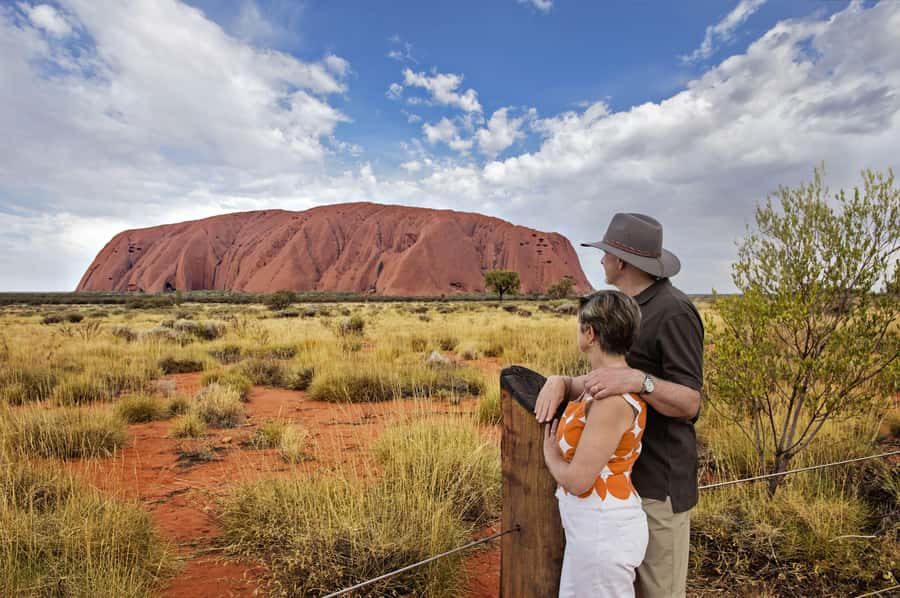
The tour begins with pickup at Ayers Rock Airport in Yulara, although the exact meeting point depends on the option you book. The first stop is the Uluṟu-Kata Tjuṯa Cultural Centre, which gives you a useful foundation before you walk around the park.
This is more than a quick visitor stop. You learn about the national park’s cultural, ecological, historical and geological importance. That context matters because Uluru is not just a spectacular sandstone formation. It is a sacred place with living cultural meaning, and the tour places Indigenous stories and local law alongside the physical features of the rock.
From the Cultural Centre, you take a short drive to Uluru’s base. The walk to Mutitjulu waterhole brings you to sacred rock art sites and the creation stories of Kuniya and Liru. Your guide then continues toward Kuniya Piti, explaining the significance of the area as you go.
I like this approach because it makes the walk feel purposeful. You are not simply circling a landmark and taking photographs. You are being asked to look at water, rock, shelter, art and routes through the country as parts of a larger story.
Next comes Kantju Gorge. The experience highlights Central Australia’s highest waterfall, an elders’ cave and what is described as the world’s oldest pantry. These details turn an apparently dry environment into a place shaped by water, food gathering and generations of knowledge.
The first day ends at camp with dinner and views across the Outback at sunset. This is likely to be one of your longest sightseeing days, and the combination of heat, walking and travel can catch up with you. Bring water, wear a hat and keep your camera handy, but do not let photography distract you from listening to the guide.
Day two: Kata Tjuta at sunrise
The second morning begins early with a light breakfast, then a sunrise experience in Uluṟu-Kata Tjuṯa National Park. Early starts are not optional decoration here. They help you experience the rock formations in cooler conditions and give the day enough time for the long transfer to Kings Canyon.
As you drive into the park, Kata Tjuta appears as a huge group of rounded conglomerate domes. The formation has a different character from Uluru, and seeing both in the same trip helps you understand the variety of Central Australia’s geology.
Your walk is usually through either the Valley of the Winds or Walpa Gorge. The exact choice can depend on conditions, timing and the guide’s judgment. Both routes bring you close to the massive conglomerate formations, but the walking can be rocky and exposed.
The Valley of the Winds option is the more demanding choice in spirit and likely requires stronger legs and better balance. Walpa Gorge can offer a shorter alternative, but you should not assume the day will be easy. The tour requires moderate to advanced fitness, with steep rocky sections, direct sunlight and high humidity listed as part of the conditions.
This is where sensible preparation pays off. Wear closed-toe hiking shoes, use biodegradable sunscreen, carry a refillable water bottle and pack a day bag with a change of clothes, rain gear and personal medication. Breathable clothes are useful in heat, while thermal clothing may be needed at night or in cooler conditions.
After Kata Tjuta, the group travels toward Kings Canyon. The day includes long stretches on the road, but that is part of the Red Centre experience. The route gives you a sense of the scale of the region, rather than reducing the Outback to a series of isolated photo stops.
You arrive at Kings Canyon in time for sunset, then return to camp for a hearty dinner around the fire. Group atmosphere matters on this night. Several departures have been praised for guides who organized meal duties well and created an easygoing team spirit, including Adam, Sharni, Tristan and the paired guides Caspar and Sophie.
Day three: Kings Canyon and the Mereenie Loop
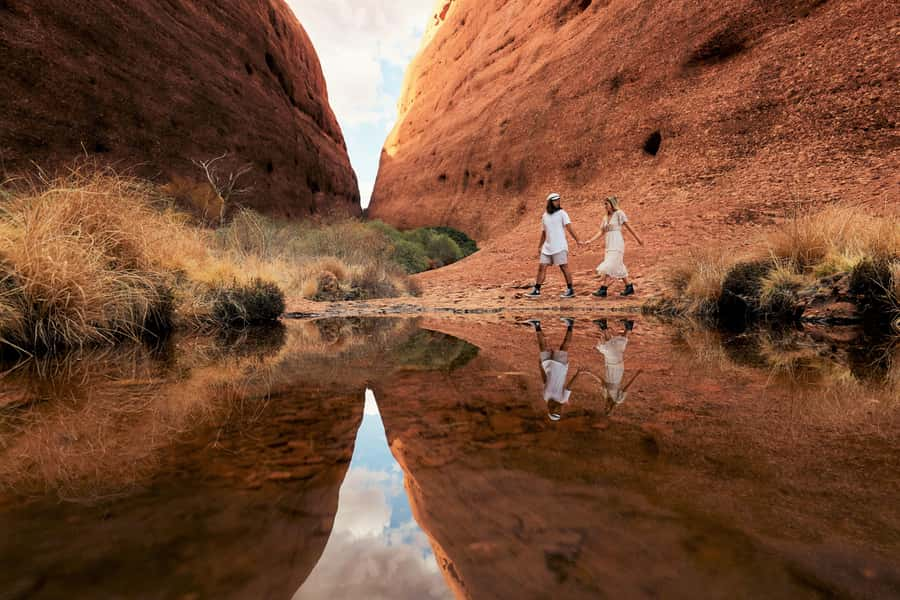
The final major walk begins early at Kings Canyon, also known as Watarrka. This is the ancient home and sacred ground of the Ulpanyali and Lilla people, and the guide helps connect the cliffs and chasms with the area’s cultural importance.
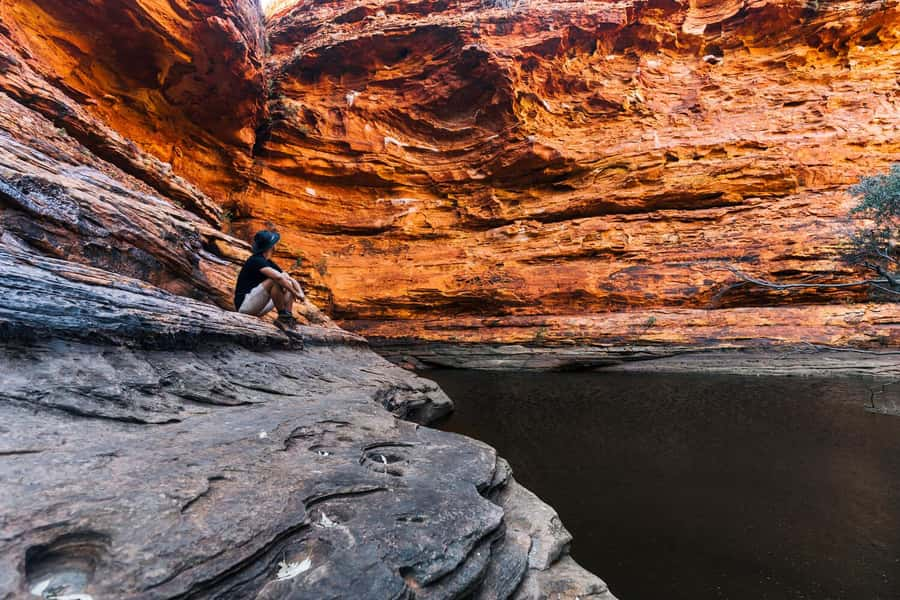
The canyon’s 100-metre cliff faces are the visual headline. From the high sections, you look across sandstone chasms and the broad country beyond. The scale is different from Uluru and Kata Tjuta, which is one reason this three-site route works so well. Each place gives you a new shape, texture and walking experience.
The hike is not a casual stroll. The tour information says at least one trek may run 9 to 11 kilometres, and participation can be left to the guide’s discretion for safety. A medium to high level of fitness is needed, and anyone over 70 requires a doctor’s certificate issued within 30 days of travel.
After the canyon walk, you get some rest before the return drive. The bus travels through the Mereenie Loop Tourist Drive and the West MacDonnell Ranges toward Alice Springs. The route is described as an off-the-beaten-track alternative, and it adds a sense of distance to the journey.
The transport time is a genuine consideration. A past participant described roughly 1,500 kilometres of driving across the full trip, including the long roads between the major sites. You will spend hours on the bus, so bring a power bank, comfortable clothing and small personal items within easy reach.
Still, this road journey is one of the tour’s strengths if you have limited time. You see the region as connected country rather than flying or driving only between headline attractions. The final destination is Alice Springs, which can make this tour a practical part of a larger Northern Territory plan.
A completely different kind of day out:
- From Melbourne: Great Ocean Road, 12 Apostles, Wildlife Tour
★ 4.7 · 6,020 reviews - Ocean Rafting: Whitehaven Beach, Snorkelling & Hill Inlet Lookout
★ 5.0 · 4,777 reviews - Laid back, Yarra Valley Wine Tour: Wine, Cider, Gin, Beer + Choc
★ 5.0 · 4,552 reviews - From Sydney: Blue Mountains Full-Day Trip
★ 4.5 · 4,471 reviews
Guides make or break the long days
The guide is responsible for much more than commentary. They may drive, plan stops, lead walks, explain culture and geology, prepare meals, organize camp duties and watch the group’s safety.
That is a heavy workload. One participant felt the company should provide a second guide because one person could become exhausted while managing around 20 people and about 1,500 kilometres of driving. This is a fair concern, especially for anyone expecting a relaxed, fully serviced holiday.
The upside is that the guides praised most warmly have made a strong impression. Aaron was described as encouraging, smart and funny. Ewel was praised for handling driving, cooking, planning and hiking with calm efficiency. Jim received repeated praise for safety, historical detail and group organization, while Rhett was singled out for explaining plants, rock formations, stars and Indigenous culture.
Guide assignments change, so those names do not guarantee who you will have. They do show the sort of experience you can hope for: practical Outback knowledge mixed with humor, storytelling and careful attention to the group.
Good guides also help people find their own pace. One departure was praised for offering a mix of casual walking, harder hiking and swimming, with room for individual preferences. That does not remove the fitness requirements, but it suggests the guide can help you make sensible choices within the day’s plan.
Food, equipment and what to pack
The tour includes two breakfasts, three lunches and two dinners. Meals are part of the camp routine, and food was praised as plentiful and good, with many dietary needs handled. If you have special dietary requirements, bring your own snacks for meals that are not included.
You should pack for several different conditions:
- Comfortable hiking shoes with closed toes
- A hat, sunglasses and biodegradable sunscreen
- A reusable water bottle
- A small daypack
- Breathable clothes and hiking pants
- A towel and swimwear
- Insect repellent
- Toiletries and personal medication
- A flashlight and power bank
- Weather-appropriate layers, including thermal clothing
- Rain gear and a change of clothes
- A sleeping bag unless you plan to rent one onsite
Large bags and baby strollers are not allowed. You may bring one small day bag and one larger bag per person, so pack with restraint. Keep the items you need during the day separate from anything stored on the vehicle.
You may also be asked to show a medical statement in relevant circumstances. The tour is not suitable for children under seven, pregnant women, wheelchair users, people with mobility impairments, people with low fitness, or those with certain medical conditions, recent surgery or high blood pressure. People over 80 are excluded, and children aged eight to 17 must stay with an adult or legal guardian.
Who will enjoy this Red Centre tour?
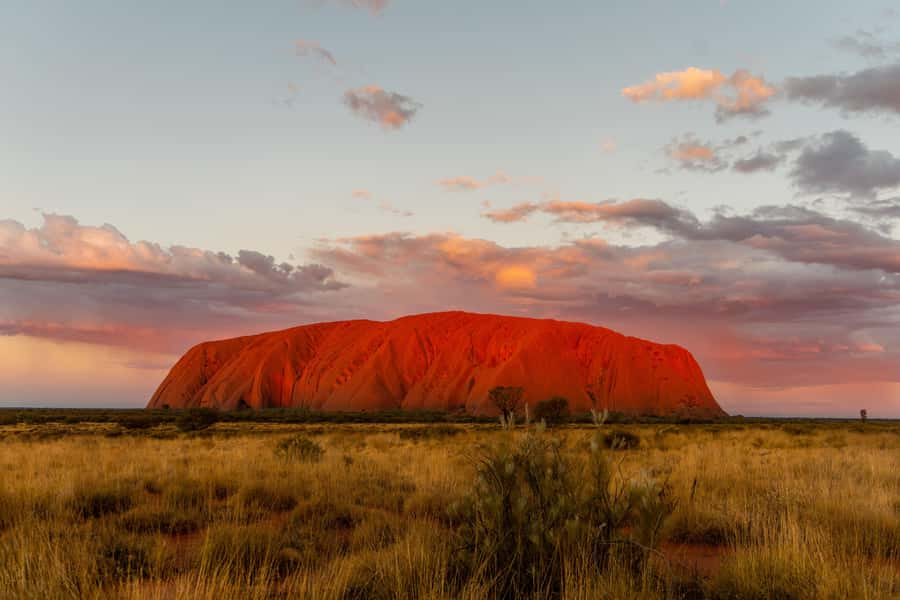
I would recommend this trip to you if you want the major Red Centre sights but do not want to self-drive, plan meals or organize park entry. It suits solo visitors particularly well because shared walks, camp cooking and evening fires naturally create a social setting.
It also works for active couples, friends and older children who can manage the physical demands. The cultural focus is a major advantage if you want more than photographs. You hear stories connected to specific places, learn about Indigenous relationships with the country and see how geology and human history meet.
I would think twice if you need private accommodation, late mornings or full hotel comfort. You should also reconsider if steep rocky walks, high heat, long road transfers or outdoor sleeping sound unpleasant. The tour is not suitable for someone looking for a gentle sightseeing circuit.
The pace can feel rushed at times because the route covers so much ground in only three days. That is the tradeoff. You gain Uluru, Kata Tjuta, Kings Canyon and the Mereenie route in one organized trip, but you give up spare time and quiet independence.
Should you book the Uluru camping tour?
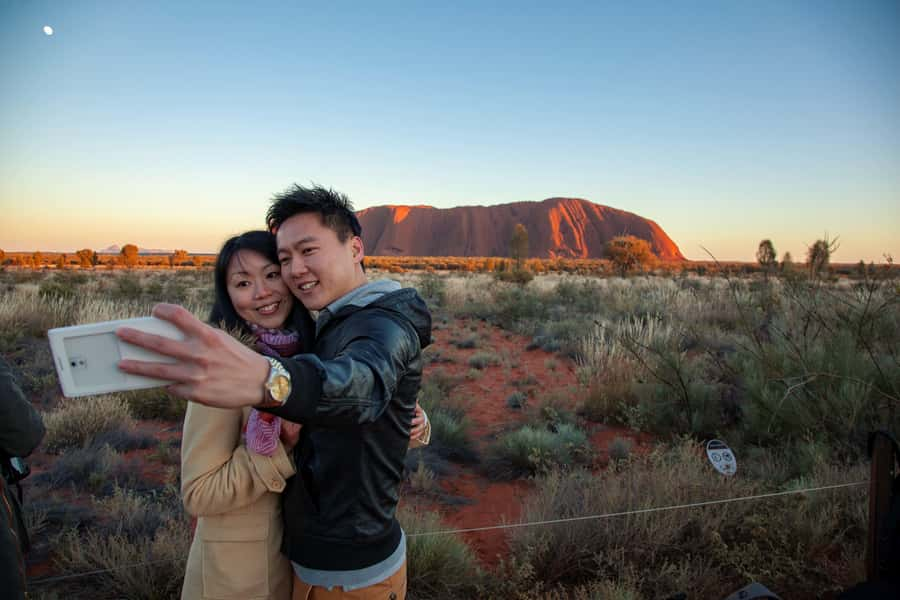
Book it if you want a high-value, active Red Centre trip that begins in Yulara and finishes in Alice Springs. The combination of three major national park areas, guided cultural interpretation, meals, park fees, transport and starry camping makes $598 a reasonable price for a tightly packed three-day journey.
Choose the swag option if sleeping under the stars is part of your dream and you can handle basic camping. Pick the safari tent if you want more structure and bedding. Either way, arrive ready to help, walk, wake early and sit through long drives.
I would not book this tour for luxury. I would book it for the chance to see the Red Centre with a capable guide, hear the stories tied to the land and experience the Outback at ground level. Pack light, train your legs, bring a sleeping bag or budget for the rental, and this could be one of the most rewarding ways to connect Yulara with Alice Springs.
FAQ
How long is the Uluru, Kata Tjuta and Kings Canyon tour?
The experience lasts 60 hours, or three days and two nights.
Where does the tour begin and end?
Pickup is from Yulara’s Ayers Rock Airport, with the exact meeting point depending on the option booked. The tour ends in Alice Springs.
Are Uluru, Kata Tjuta and Kings Canyon all included?
Yes. The route includes Uluru, Kata Tjuta in Uluṟu-Kata Tjuṯa National Park and Kings Canyon in Watarrka National Park.
Is transport included?
Yes. Air-conditioned transport from Yulara to Alice Springs is included.
What accommodation is provided?
You can stay in a permanent safari-style tented campsite. If you select the safari tent option, a mattress, pillow, pillowcase, fitted sheet and top sheet are provided. A bush swag is provided when that option is selected.
Is a sleeping bag included?
No. Sleeping bags are available to rent onsite for $40. You should bring your own if you do not want to rent one.
How difficult are the walks?
A moderate to advanced level of fitness is required. Walks may cover 2 to 4 kilometres per day over steep, rocky sections in direct sunlight and high humidity. At least one trek may cover 9 to 11 kilometres.
Are meals included?
Two breakfasts, three lunches and two dinners are included. If you have special dietary requirements, you should bring your own snacks for meals that are not included.
What should I bring?
Bring comfortable and hiking shoes, a hat, sunglasses, sunscreen, a reusable water bottle, a flashlight, insect repellent, toiletries, personal medication, weather-appropriate clothes, rain gear, a daypack, swimwear and a sleeping bag.
Can children join the tour?
Children under seven cannot join. Children aged eight to 17 must be accompanied by an adult or legal guardian at all times.
Can I bring large luggage?
No. Baby strollers, luggage or large bags are not allowed. Each person may bring one small day bag and one larger bag.
Is the tour available in languages other than English?
The live tour guide and tour information are provided in English.
Can I cancel for a refund?
You can cancel up to 14 days before the experience for a full refund.
Just added in Australia
- Yarra Valley: Hot Air Balloon Flight & Buffet Breakfast★ 4.8 · 41 reviews
- Yeppoon: Great Keppel Island Luxury Sail & Snorkel Day Tour★ 4.7 · 71 reviews
- Wirrina Cove: Coastal Sightseeing Boat Tour with Seal Colony★ 4.7 · 23 reviews
- Yarra Valley Foodies Tour with Chandon and Kangaroo Safari!★ 4.9 · 304 reviews
- Yarra Valley: Winery Tour with Lunch at Yering Station★ 5.0 · 143 reviews
- Yarra River: 1.5-Hour Scenic Sunset Public Cruise★ 4.3 · 57 reviews
- Brisbane: Sirromet Winery Tour with Tasting & 2-Course Lunch★ 4.7 · 71 reviews
- Sydney: Wildlife, Waterfalls and Wine Small Group Tour★ 5.0 · 251 reviews
3-Day Experiences, compared.
Dingos 3 Day K’Gari (Fraser Island) 4WD Tag-Along Tour
Read our review →
3-Day Kangaroo Island Adventure Tour with Camping
Read our review →
Dreamworld, WhiteWater World & SkyPoint 3-Day Ticket
Read our review →
Hervey Bay to K’gari/Fraser Island 3-Day Tour (Beach House)
Read our review →
3 Day Red Centre Kata Tjuta Kings Canyon Outback ex.Alice Springs
Read our review →
3-Day Kakadu & Litchfield 4WD Camping Adventure from Darwin
Read our review →Browse the lists this tour appears in