Reviewed · SYDNEY TOURS
Sydney Opera House Architectural Tour
Sydney’s most famous building has a story stranger than its shape. The Sydney Opera House Architectural Tour explains how a Danish architect, bold Australian planners, engineers, artists, and politicians turned an unlikely idea into a working masterpiece. I like the focus on how the building was actually made, and I like that the tour goes beyond postcard views into materials, structure, design battles, and changing plans. The main caution is the physical side: this walking tour can include more than 300 stairs.
At about $43.03 per person, the tour offers good value if you want more than a quick look around the foyers. The most praised guides have included Peter, a former Opera House architect who worked with Peter Hall, and Gaston, whose clear explanations and audio equipment helped everyone follow along. You must arrive 15 minutes early, though, because arriving more than five minutes after departure means losing the tour.
In This Review
- Key points to know before you book
- Why this Sydney Opera House tour is different
- The architectural story begins in the 1950s
- Seeing the shells as an engineering problem
- Inside the Opera House, where plans met real use
- Politics, arguments, and the cost of a bold idea
- The guides make or break the 75 minutes
- Stairs, clothing, and the 10:00 am start
- Is $43.03 good value?
- Who will enjoy this most?
- Booking, cancellation, and practical planning
- Should you book the Sydney Opera House Architectural Tour?
- FAQ
- How long does the Sydney Opera House Architectural Tour last?
- What time does the tour start?
- How early should I arrive?
- Can I join if I arrive late?
- How many stairs are on the tour?
- Can I cancel for a refund?
Key points to know before you book
- A rare look at the building process: Learn how Jørn Utzon’s 1950s design moved from bold concept to difficult construction.
- Technical details without needing an architecture degree: The tour explains engineering problems, materials, interior work, and maintenance in plain terms.
- Guides with direct professional experience: Peter has been praised for his work on the Opera House interior and his connection to architect Peter Hall.
- Inside and outside access: The experience covers the building’s form, interiors, history, use, and place on Sydney Harbour.
- A serious stair count: The route can include up to 300 or more stairs, so comfortable shoes and realistic expectations matter.
- Strict timing: Check in at the Welcome Centre 15 minutes before the 10:00 am start. Late arrivals cannot join.
Why this Sydney Opera House tour is different
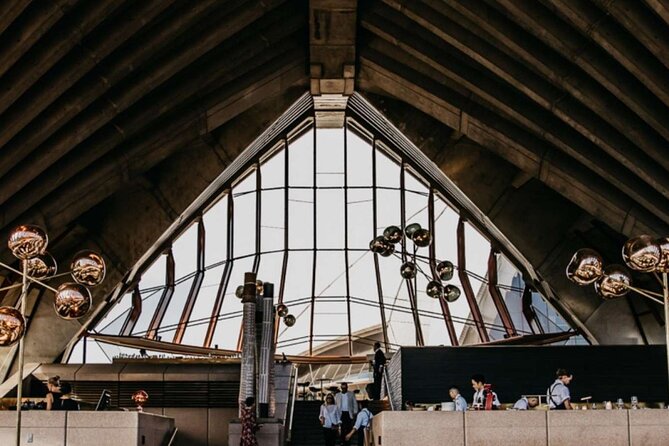
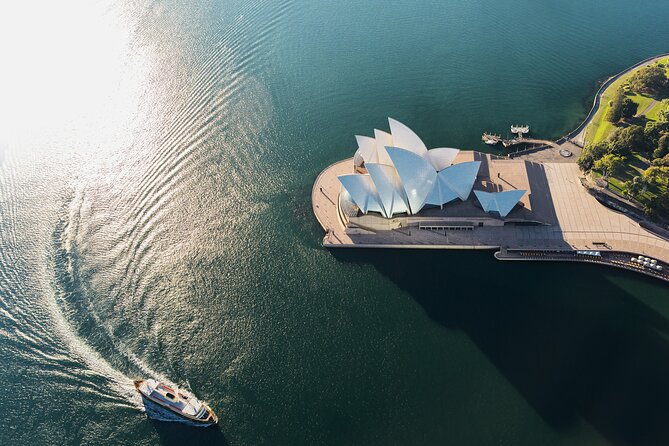
The Opera House is easy to admire and surprisingly easy to misunderstand. From the harbour, its white shells look clean and simple. The story behind them is neither. This tour gives you the useful context: the design came from Denmark, the project grew out of 1950s ambition, and the building pushed construction methods beyond what was then routine.
I like that the tour treats the Opera House as both an artistic work and a practical building. You hear about the idealism behind the original design, but also about engineering limits, political pressure, professional disagreements, and the demands of making the place usable.
That balance is the real appeal. You are not simply told that the building is beautiful. You are shown why its form caused such trouble, why construction took years, and how many different kinds of expertise were needed to finish it.
The tour also places the Opera House in a wider story. It changed how Australia was seen around the world, and its creation helped shift the course of twentieth-century architecture. That sounds grand, but the tour earns the claim by explaining the decisions and conflicts behind the finished structure.
A few more options to weigh up in Sydney
- Sydney: Opera House Guided Tour with Entrance Ticket
★ 4.8 · 8,312 reviews - All Inclusive Blue Mountain,Scenic World,Lunch,Koalas,ferry
★ 5.0 · 7,832 reviews - From Sydney: Blue Mountains Full-Day Trip
★ 4.5 · 4,471 reviews
The architectural story begins in the 1950s
The tour starts with the basic question: how did Australia end up with a building designed by a man from Denmark on Sydney Harbour?
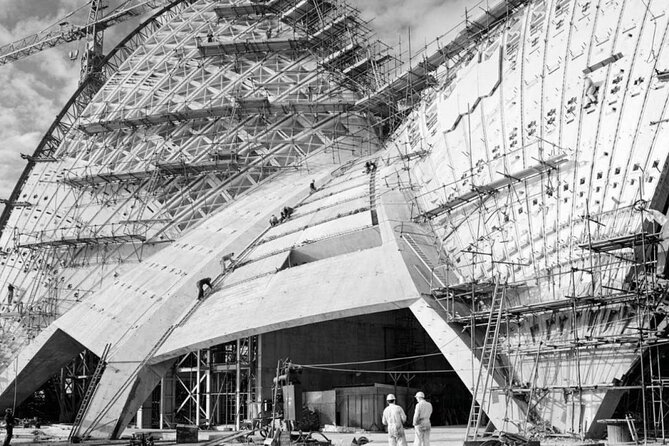
Jørn Utzon’s winning concept was far from a conventional concert hall or opera house. It had the look of a sculpture, with sweeping roof forms that made the building seem almost impossible to construct. The route traces the journey from that original vision through the long process of turning a drawing into a building.
You will hear about the people involved at different stages. Visionaries supplied the ambition. Architects developed the design. Engineers worked out how the difficult forms could be built. Pragmatists tried to manage cost, time, and use. Artists and performers needed spaces that worked for real productions, not just photographs.
That mix gives the tour its human interest. The Opera House was not created by one person working alone. It was shaped by cooperation, disagreement, compromise, and persistence.
For me, this is where the experience earns its price. You could spend the same amount on a casual attraction and leave with a few photographs. Here, you get a framework for understanding every later view of the building.
Seeing the shells as an engineering problem
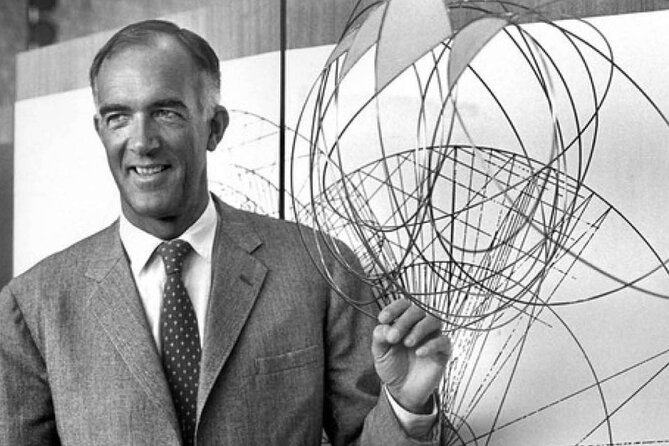
The roof is the star of the tour, but the useful part is learning to see it as an engineering challenge. The famous forms look organic from a distance. Building them required careful planning and solutions that were at the cutting edge of the period.
The guide explains the difficult path from concept to construction. You learn how design ideas had to be tested against the realities of materials, weight, shape, weather, and building methods. The point is not to bury you in calculations. It is to show why a beautiful idea can become a construction headache.
This technical side is handled at a level that suits people with different interests. If you already like buildings, you will appreciate the detail. If you simply want to understand why the Opera House took so long and became so controversial, the story still works.
One useful feature is the connection between the exterior and the interior. The tour does not treat the shells as an isolated visual trick. It explains how the building’s outer shape relates to the spaces inside, and how the needs of performances affected decisions.
That is an important distinction. Great architecture must do more than look good from the harbour. It must guide people, hold equipment, support performances, and cope with everyday use. The tour keeps bringing you back to that tension between form and function.
Inside the Opera House, where plans met real use
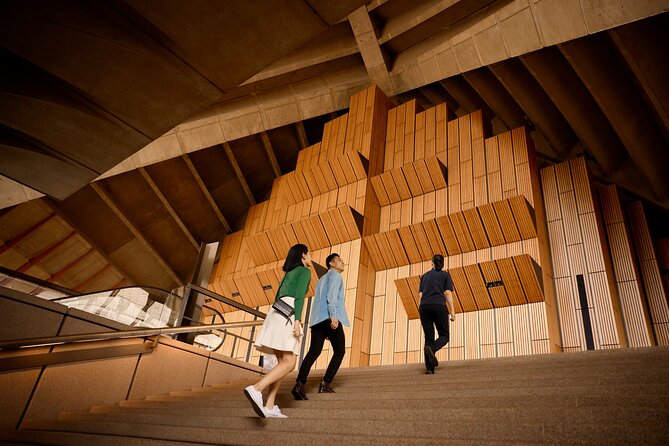
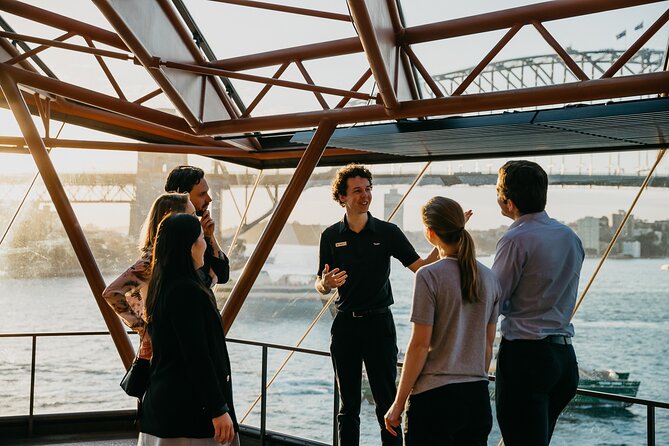
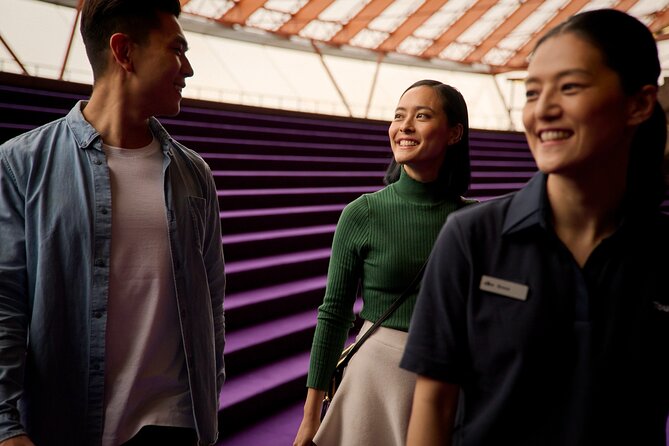
The experience includes the interior as well as the outside, subject to venue availability at the time of the tour. You may enter spaces that make the design easier to understand because you can see how the grand external forms become rooms, halls, circulation areas, and working spaces.
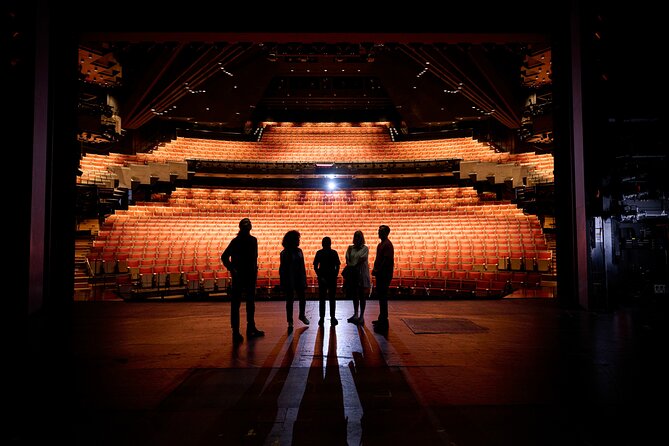
One especially memorable feature is time spent in the Great Hall. Sitting there gives you a chance to take in the scale and atmosphere instead of marching past another display point. It also helps connect the building’s design to its purpose as a performance venue.
The interior story includes the work of Peter Hall, who designed much of the building’s interior. Several tour accounts singled out Peter, a former architect connected with that stage of the project, for making the technical story clear and entertaining.
That kind of guide can change the whole experience. A general guide may tell you dates and names. A guide with professional experience can explain how design decisions affected construction and how the finished spaces were meant to work.
Still, do not assume every departure will have the same guide. Peter and Gaston received especially warm praise, but the experience depends on who leads your group. The good news is that the tour has a strong subject, and the information is not limited to one personality.
A completely different kind of day out:
- Sydney Opera House Official Guided Walking Tour
★ 4.5 · 3,770 reviews - Blue Mountains Small-Group Tour from Sydney with Scenic World,Sydney Zoo & Ferry
★ 5.0 · 3,709 reviews - Blue Mountain Small Group Scenic World, Wildlife, Waterfall
★ 4.8 · 3,428 reviews - Sydney: Big Bus Hop-On Hop-Off Tour with Optional Cruise
★ 4.4 · 2,697 reviews
Politics, arguments, and the cost of a bold idea
The Opera House story includes plenty of politics. The building was not just an architectural project. It involved public money, national pride, changing expectations, professional conflict, and pressure to deliver a usable venue.
The tour explains the controversy around accepting the original design and the problems that followed during construction. That makes the story more honest. You see how an idealistic project can become difficult when budgets, deadlines, public opinion, and artistic goals collide.
I appreciate this part because it keeps the building from becoming a simple tale of genius rewarded. The final Opera House is magnificent, but the route to completion involved setbacks and hard choices. Understanding those choices makes the finished building more impressive, not less.
You also get a sense of the personalities involved. The story includes visionaries and pragmatists, but neither side gets a free pass. Big cultural projects need daring ideas, yet they also need engineers, builders, administrators, and people willing to solve unglamorous problems.
If you prefer a light sightseeing tour with little history, this emphasis may feel serious. If you want to understand why the Opera House became a national symbol, the political material adds real value.
The guides make or break the 75 minutes
The tour lasts about one hour and 15 minutes, so the guide has to move at a good pace. The strongest accounts praise clear speech, strong command of the subject, and a willingness to explain difficult points without making the tour feel like a lecture.
Peter is the name most often associated with especially strong departures. He is described as an architect who worked on the interior with Peter Hall, and his professional background gave the tour a rare sense of direct connection to the building.
Another account praised Gaston for an informative presentation and good sound amplification. That audio support matters inside a large building, especially if you are not standing beside the guide.
Headsets have also been used on some tours. They help people at the back hear clearly and allow the guide to speak without shouting. One account described a group of 35, even though the booking information gives a maximum of nine, so group size may not be identical for every departure. I would treat the advertised maximum as the intended standard, but stay prepared for some variation.
The best guides encourage questions and give direct answers. One account noted that a guide kept a large group moving while still speaking clearly. Another found there was not much time to stop and ask questions. That points to a practical limitation: the tour has a lot to cover in 75 minutes, so it may feel more structured than conversational.
Stairs, clothing, and the 10:00 am start
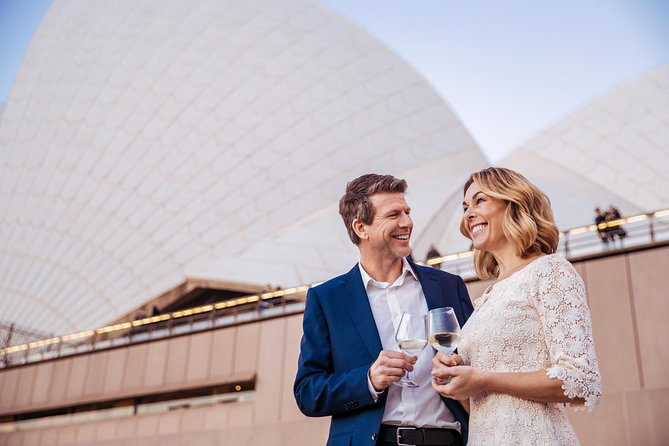
This is a walking tour, and the route can contain 300 or more stairs. That is not a minor footnote. If stairs are difficult for you, ask before booking because the supplied tour information does not promise a step-free route.
Wear shoes you can walk in comfortably. You may want to keep your bag light as well, since the visit includes check-in and cloaking procedures. The Opera House asks you to arrive at the Welcome Centre 15 minutes before the start.
The listed start time is 10:00 am. The late policy is strict: if you are more than five minutes late after the tour begins, your booking is forfeited, and late arrivals cannot join. Build in time to reach the Welcome Centre and complete the required check-in rather than aiming to arrive at the last second.
The venue can also change access up until departure. Certain spaces may not be available if the building is being used or operational needs change. That is worth accepting before you book. The tour promises access to the Opera House, but not a guaranteed visit to every possible room on every date.
Is $43.03 good value?
At $43.03 per person, this is not the cheapest way to see the Opera House. You can admire the exterior from around the harbour without paying anything. The question is what you want from your visit.
I think the price is fair for a focused guided experience with admission included. You get about 75 minutes with a guide, access inside the building, and an explanation of the design and construction that you cannot get from a harbour photograph.
The value is strongest for anyone interested in architecture, engineering, design, history, or public projects. You do not need specialist training. The tour works for people with strong interest in buildings and for people who simply want to know why this particular building became so famous.
The value is weaker if you mainly want a performance or a relaxed photo stop. This is an educational walking tour. You will be listening, moving, climbing stairs, and following a planned route.
It is also worth remembering that the experience is supplied by the Sydney Opera House itself. That gives it a direct connection to the venue, though it does not guarantee that every guide will have the same professional background as Peter.
Who will enjoy this most?
I would recommend this tour to anyone visiting Sydney who wants the building to make more sense. The Opera House is much more rewarding once you understand the problems hidden behind its elegant roof.
It suits:
- People curious about how major buildings are designed and built
- Architecture and engineering enthusiasts
- First-time Sydney visitors who want a meaningful indoor stop
- Anyone interested in the political and cultural story behind a national landmark
- People who value a guide with technical experience
- Photographers who want time inside and outside for different views
It may not suit you if you dislike stairs, need a very slow pace, or want a purely visual visit with no technical explanation. The route is also compact. The guide covers a large subject in 75 minutes, so you should expect a concentrated presentation rather than a leisurely half-day experience.
Booking, cancellation, and practical planning
You receive confirmation when booking, and the ticket is mobile, which keeps things simple. The venue is near public transportation, so the Opera House is easy to include in a day of sightseeing.
Free cancellation is available if you cancel at least 24 hours before the local start time. Changes or cancellations inside that 24-hour window are not accepted for a refund.
Because the tour starts at a fixed time and late entry is not allowed, I would avoid pairing it with another activity that ends close to 10:00 am. Give yourself a buffer for transport, finding the Welcome Centre, and check-in.
The tour is listed for most people to participate in, but the 300-plus stairs deserve your attention. If you have concerns about stairs or venue access, contact the provider before paying rather than relying on assumptions.
Should you book the Sydney Opera House Architectural Tour?
Yes, if you want to understand the Opera House instead of simply photograph it. The best parts are the clear explanation of the design and construction, the political story behind the project, the chance to see the interior, and the possibility of learning from a guide with direct architectural experience.
I would book it early in a Sydney visit, especially if the Opera House is one of your main priorities. That way, later harbour views carry more meaning. Just arrive early, expect stairs, and remember that interior access can change.
Skip it if you want a short, easy photo visit or if climbing hundreds of stairs would make the experience uncomfortable. For most people who enjoy buildings, history, or clever problem-solving, the $43.03 cost buys far more than a guided walk. It gives you the story that makes the famous shape unforgettable.
FAQ
How long does the Sydney Opera House Architectural Tour last?
The tour lasts approximately one hour and 15 minutes.
What time does the tour start?
The listed start time is 10:00 am.
How early should I arrive?
You should arrive at the Welcome Centre 15 minutes before the tour for check-in and cloaking procedures.
Can I join if I arrive late?
No. Late arrivals cannot join, and if you are more than five minutes late after the scheduled departure, the tour is forfeited.
How many stairs are on the tour?
The walking route can include 300 or more stairs.
Can I cancel for a refund?
Yes. You can receive a full refund if you cancel at least 24 hours before the experience start time. Cancellations or changes made less than 24 hours in advance are not accepted.
Just added in Sydney
- Sydney: Wildlife, Waterfalls and Wine Small Group Tour★ 5.0 · 251 reviews
- WILD LIFE Sydney Zoo★ 4.3 · 240 reviews
- Sydney: “Vivid Sydney” Festival of Light Sightseeing Cruise★ 4.3 · 24 reviews
- From Sydney: Location Tour of Home and Away★ 4.7 · 290 reviews
- Sydney: Vivid Festival of Light Harbor Cruise with Dinner★ 4.5 · 120 reviews
- From Sydney: Tandem Skydive Experience over Wollongong Beach★ 4.5 · 83 reviews
- illi-Langi The Rocks Aboriginal Dreaming Tour★ 4.5 · 90 reviews
- Walking with Wild Kangaroos Private Half-Day Trip from Sydney★ 5.0 · 45 reviews
Sydney Tours, compared.

All Inclusive Blue Mountain,Scenic World,Lunch,Koalas,ferry
Read our review →
Sydney Opera House Official Guided Walking Tour
Read our review →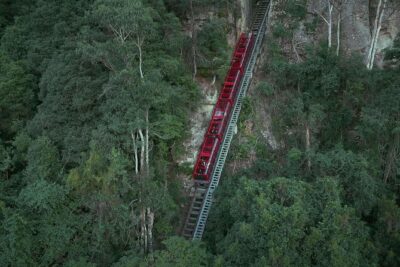
Blue Mountains Small-Group Tour from Sydney with Scenic World,Sydney Zoo & Ferry
Read our review →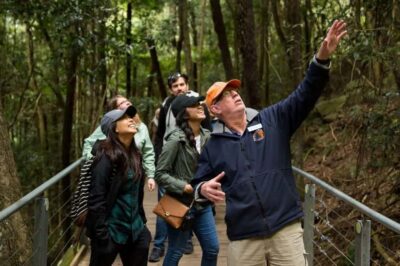
Blue Mountain Small Group Scenic World, Wildlife, Waterfall
Read our review →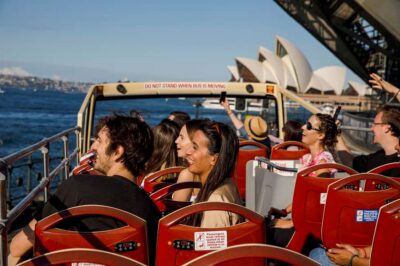
Big Bus Hop-On Hop-Off Tour with Optional Cruise
Read our review →