
Reviewed · AQUARIUMS AND ZOOS
WILD LIFE Sydney Zoo
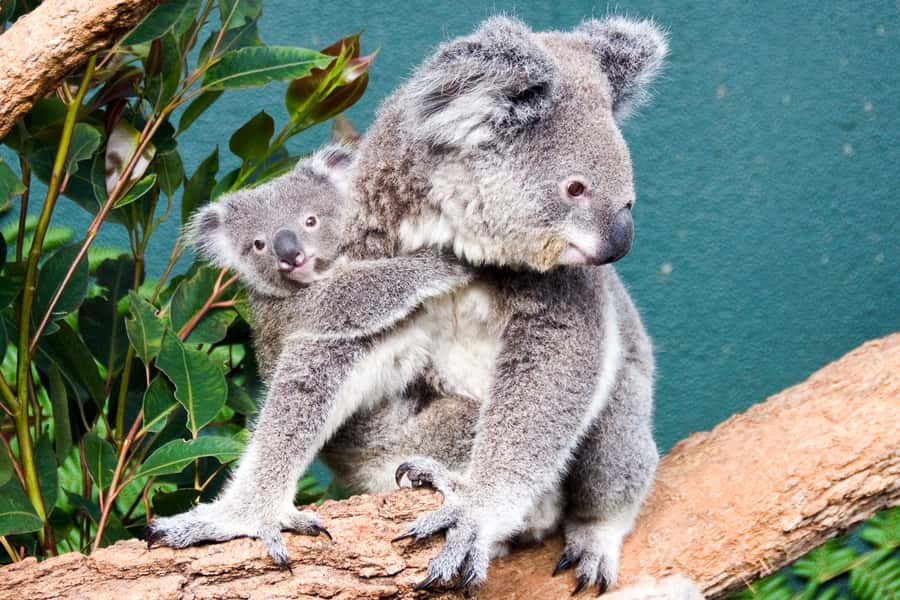
Australia comes indoors at Darling Harbour. WILD LIFE Sydney Zoo gives you a quick, well-organized way to meet native animals without leaving central Sydney. I especially like the chance to see kangaroos, wombats, echidnas, koalas, and yellow-footed rock-wallabies in one visit. The keeper talks also add useful context and bring some life to the exhibits.
I like the walk-through kangaroo habitat and the carefully themed areas based on places such as the Daintree Rainforest, Kakadu Gorge, and the Top End. The main drawback is size: this is a compact city zoo, not a full-day safari park, and some areas can feel crowded.
For about $27 per person, it works best as a two- to three-hour stop during a day around Darling Harbour. You can take your time, but most people will not need the entire day unless they linger at the animal habitats, attend talks, or add the paid koala photo.
In This Review
- Key points before you go
- What kind of zoo is WILD LIFE Sydney?
- Start with the Australian habitat zones
- Wallaby Cliffs and the best small mammals
- Kangaroos in a walk-through habitat
- Koalas, including the optional photo
- Crocodiles, turtles, snakes, and butterflies
- Keeper talks add more than decoration
- How long should you allow?
- Is $27 good value?
- Who will enjoy it most?
- Practical tips for a better visit
- Should you book WILD LIFE Sydney Zoo?
- FAQ
- Where is WILD LIFE Sydney Zoo located?
- How much does admission cost?
- How long is the ticket valid?
- What animals can I see?
- Are koala photos included?
- Are guided tours included?
- Is the zoo wheelchair accessible?
Key points before you go
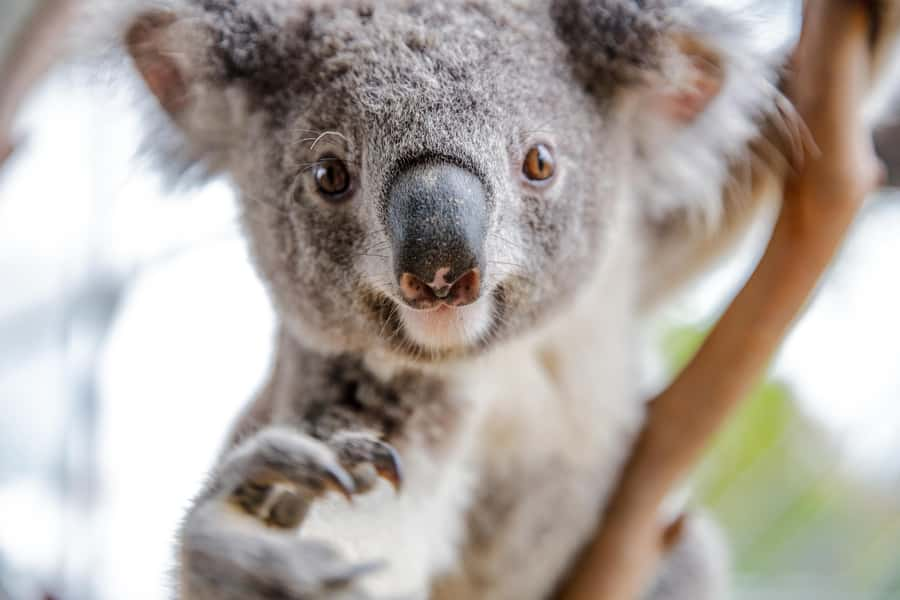
- Meet Australia’s big native favorites: Koalas, kangaroos, wombats, echidnas, pademelons, crocodiles, snakes, turtles, and rock-wallabies are among the main draws.
- Walk through nine Australian habitat zones: The route recreates settings from rainforest, gorge, grassland, floodplain, and estuary areas.
- Watch the rock-wallabies: Their quick jumps across the rocky enclosure are one of the most entertaining sights here.
- Plan for a compact visit: The zoo is easy to cover in a few hours, making it useful when you have limited time in Sydney.
- Koala photos cost extra: You can get close to the koalas, but the photo experience is not included in the basic admission.
- Good for hot or wet weather: The indoor setting gives you a wildlife outing when outdoor sightseeing feels uncomfortable.
What kind of zoo is WILD LIFE Sydney?
WILD LIFE Sydney Zoo is built for convenience. It sits at Aquarium Wharf in Darling Harbour, right in the center of Sydney, so you can fit it between the waterfront, the aquarium, shopping, and other city sights.
This is not a traditional zoo with lions, tigers, bears, or a large collection of animals from around the world. Its focus is Australian wildlife. That narrow focus is the reason to choose it. If you want to see animals unique to Australia during a short city stay, you can cover a lot here without spending a full day traveling to a larger outer-city attraction.
The route takes you through nine Australian-themed habitat zones. Each section uses scenery and displays to suggest a different part of the country. You will move from thick rainforest settings to rocky wallaby country, then on to wetlands and waterways where turtles and crocodiles live.
The experience is self-guided. You walk at your own pace, stop when an animal catches your eye, and join keeper talks when the timing suits you. English is the available language for host information and presentations.
More Aquariums and Zoos in Sydney
- Blue Mountains Small-Group Tour from Sydney with Scenic World,Sydney Zoo & Ferry
★ 5.0 · 3,709 reviews - Blue Mountains Adventure: Scenic World, Zoo & Koala Photo
★ 4.7 · 2,062 reviews - From Sydney: Blue Mountains, Scenic World, Zoo, & Ferry Ride
★ 4.8 · 1,484 reviews
Start with the Australian habitat zones
The themed route gives the visit a useful shape. Rather than wandering through unrelated cages, you move through areas designed around Australian environments.
The recreated Daintree Rainforest is intended to show the wet, leafy side of northern Queensland. This is where you might spot colorful butterflies, snakes tucked among the foliage, and other animals suited to dense forest. The displays are particularly useful for first-time visitors who know Australia for beaches and kangaroos but have not yet seen how varied its habitats are.
Kakadu Gorge and the Northern Territory’s Top End provide a different feel. The route includes floodplains, grassland, estuary flats, and rocky gorges. These areas help explain why crocodiles, turtles, and other water-loving animals belong to such a distinct part of Australia.
I like this approach because it gives you some geographical context without requiring a long drive across the country. The setting is artificial, of course, and the space is limited. Still, the habitat zones make the animals easier to understand than a simple row of enclosures.
Wallaby Cliffs and the best small mammals
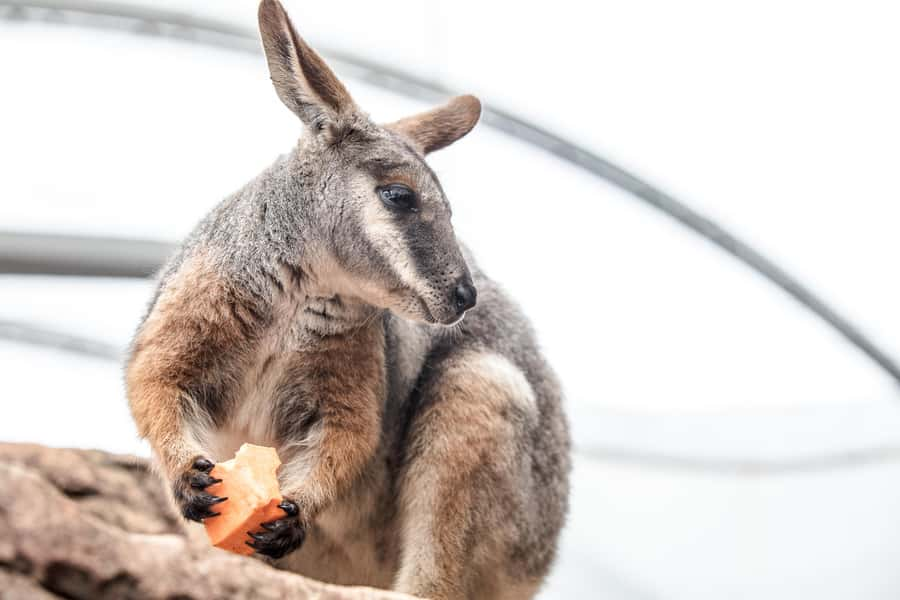
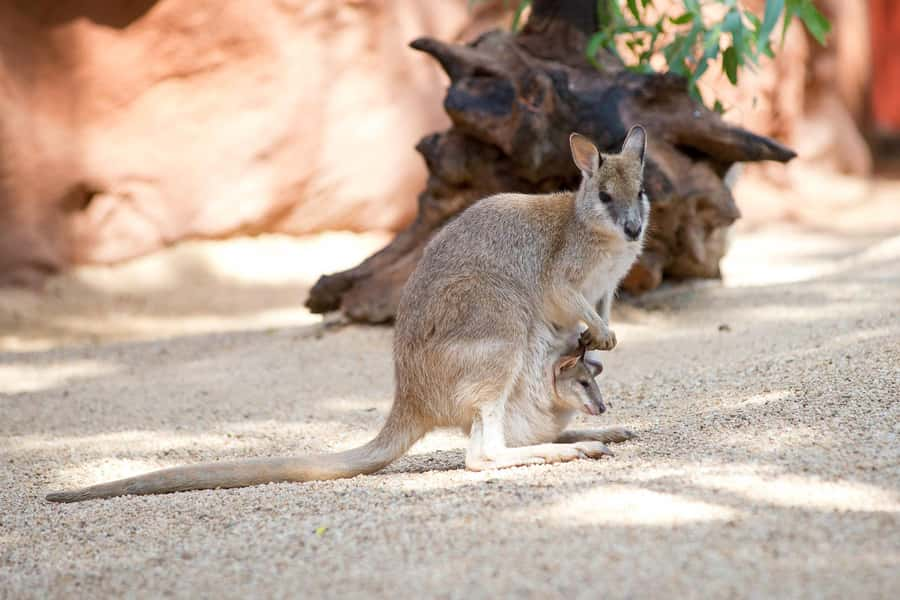
Wallaby Cliffs is one of the most memorable areas. The yellow-footed rock-wallabies live among jagged rocks, where their strong legs and quick movements make sense.
You may need patience here. These animals are smaller and less obvious than kangaroos, and they can blend into the rocks. Wait a little, scan the higher ledges, and watch for sudden jumps. Their agility is a highlight for children and photographers alike.
The rock-wallabies are also a good example of why this zoo works best when you slow down. You can walk through the whole attraction fairly quickly, but the animals reward careful watching more than hurried sightseeing.
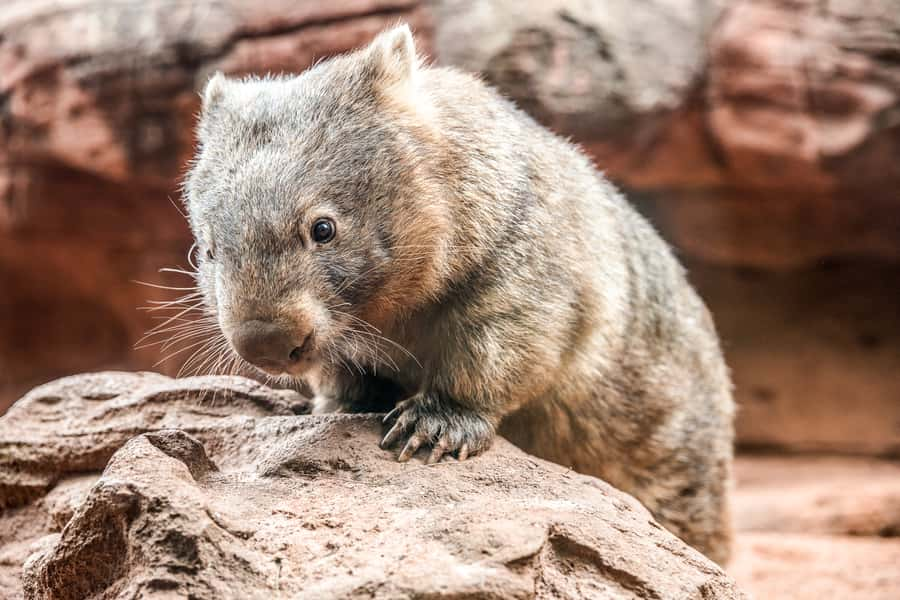
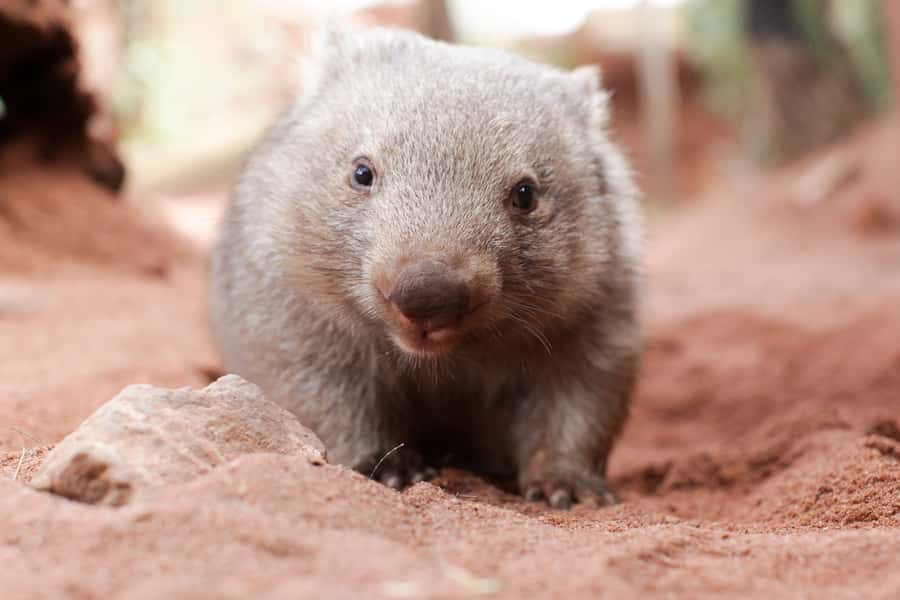
Wombats are another favorite. The hairy-nosed wombats are shown grazing and retreating into burrow-like spaces. They have the solid, sleepy look people expect from a wombat, but watching one eat or move around gives you a better sense of the animal than a quick photograph ever will.
Echidnas add another special Australian touch. They are easy to miss if you rush, but they are among the animals that make this visit different from a standard zoo outing. If you have limited time in Australia, native species such as echidnas, pademelons, and wombats can matter more than another familiar big mammal.
Kangaroos in a walk-through habitat
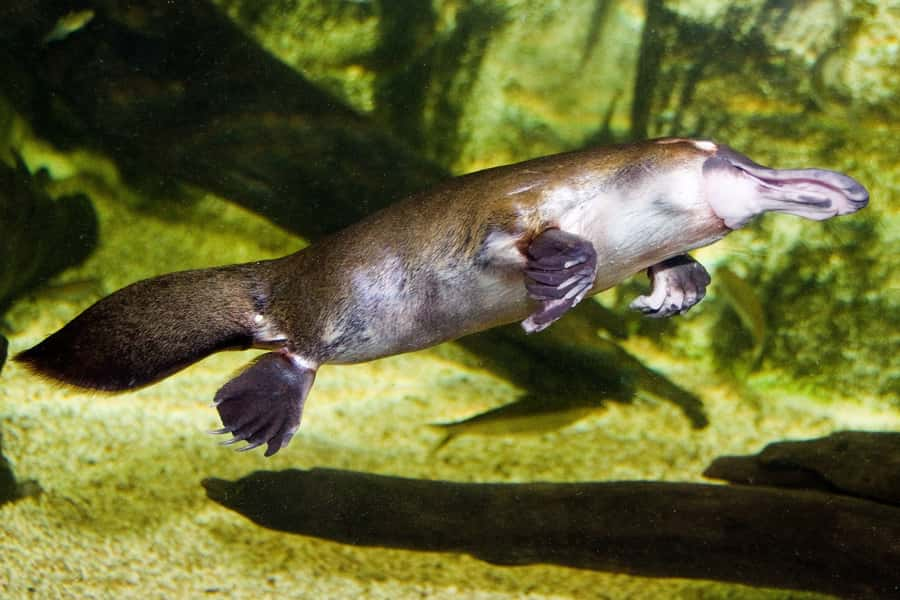
The enhanced kangaroo area is one of the strongest parts of the visit. Rather than viewing the animals only from a distant platform, you walk through their habitat and see them at close range.
You still need to respect the animals’ space. The point is not to touch them, but to observe their behavior at a more natural distance than you often get in a standard enclosure. Kangaroos may be resting, sitting upright, or moving around while a keeper works nearby.
This area is especially good for families. Young children can recognize the animals immediately, while older children can watch how they use their tails, legs, and posture. The compact layout also helps if you have a stroller, limited mobility, or only a short window between other activities. The zoo is wheelchair accessible.
One practical tip: do not spend all your time here at the start. The kangaroos are an obvious draw, but the wombats, echidnas, and rock-wallabies are just as important if your goal is to see less familiar Australian animals.
A completely different kind of day out:
- Sydney: Opera House Guided Tour with Entrance Ticket
★ 4.8 · 8,312 reviews - All Inclusive Blue Mountain,Scenic World,Lunch,Koalas,ferry
★ 5.0 · 7,832 reviews - From Sydney: Blue Mountains Full-Day Trip
★ 4.5 · 4,471 reviews - Sydney Opera House Official Guided Walking Tour
★ 4.5 · 3,770 reviews
Koalas, including the optional photo
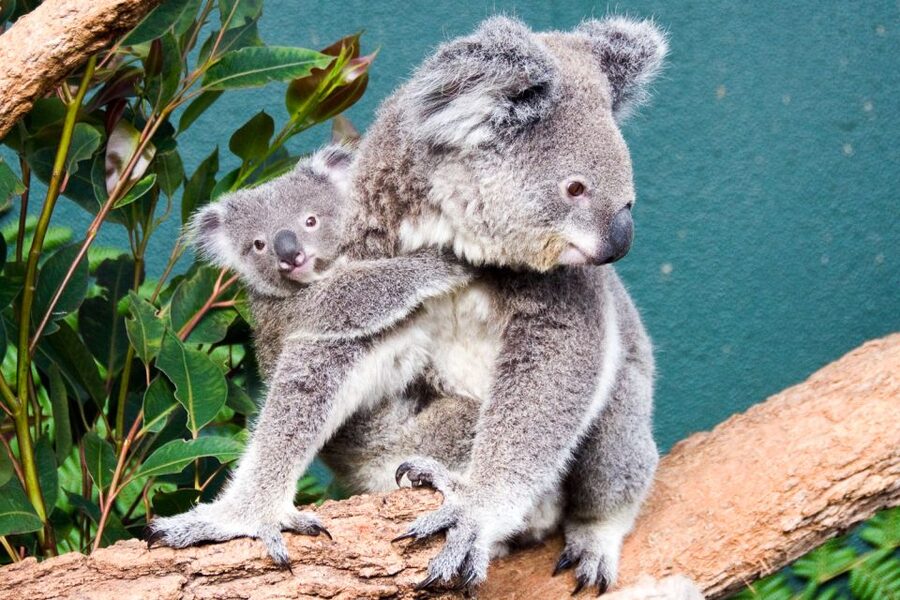
Koalas are a major reason people choose WILD LIFE Sydney. The zoo lets you get close to them, and you may see several animals sleeping, resting, or being cared for by staff.
Koalas sleep for much of the day, so do not expect constant movement. That is part of the appeal. Seeing one snoozing with an eye partly open gives you a close look at an animal that is often difficult to spot in the wild.
A koala photo is available for an extra fee. It is not part of the standard $27 admission, and the photo experience does not mean you can handle the animal. The available information specifically notes that you can stand close to the koala in its enclosure, without touching it.
The koala area can become a natural stopping point, so allow time if this is high on your list. The nearby seating and café area can also make it a comfortable place to pause, although the on-site café is described as small.
Crocodiles, turtles, snakes, and butterflies
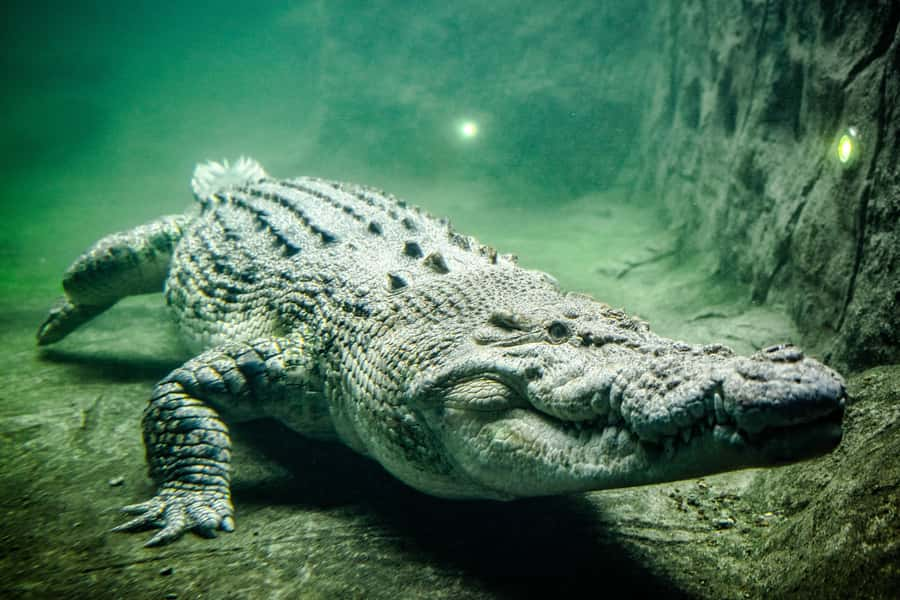
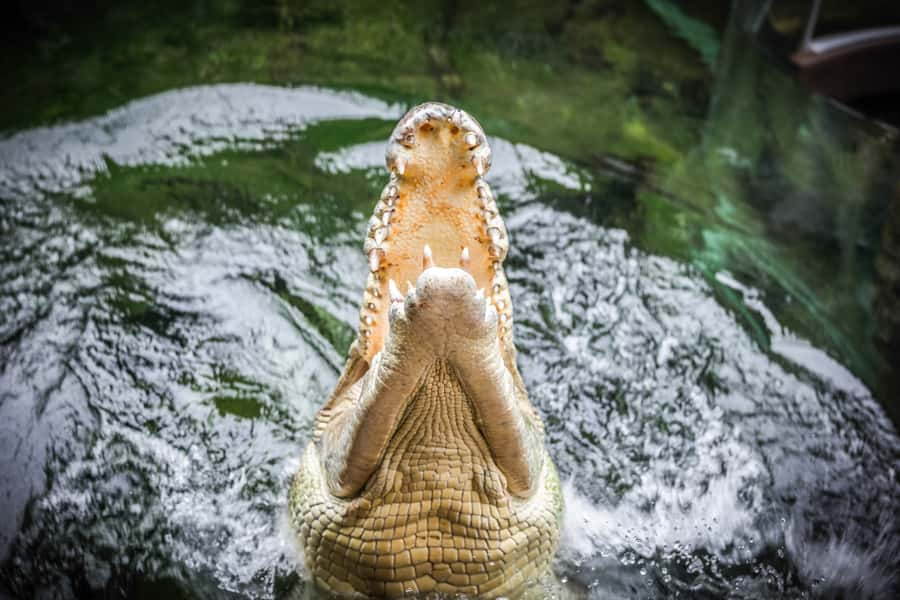
Rex the crocodile is the headline animal in the water habitats. Crocodiles are not cute, but they are unmistakably Australian and worth seeing in a setting that shows their size and stillness.
The water areas also include turtles. Watch for movement below the surface, since these animals can be easy to miss when the exhibit is busy. The combination of turtles and crocodiles helps show the difference between Australia’s slow-moving freshwater residents and its more intimidating predators.
The snake displays are part of the attraction’s Australian focus, but they will not suit everyone. Some people enjoy seeing the reptiles up close, while others would rather spend more time with the marsupials. You can expect snakes among the foliage, so this is worth knowing before you book if anyone in your group dislikes them.
Butterflies bring a lighter moment. Their colors and movement contrast with the heavier, earthbound animals such as wombats and crocodiles. The butterfly area is also a good reminder that Australian wildlife is not limited to large, famous creatures.
Keeper talks add more than decoration
The keeper talks are included and can make a real difference to the visit. Staff explain the animals, answer questions, and add the details that signs often miss.
The talks are also useful for timing. If you arrive without a firm plan, listen for the next presentation and use it to break up the walk through the habitat zones. The staff have been praised for being friendly, helpful, and willing to answer questions.
Do not expect a private guided tour. A guided tour is not included, and the experience is designed for independent visiting. The keeper talks give you short bursts of explanation rather than a continuous guide from entrance to exit.
For families, this is a simple way to keep children interested. For adults, the talks can add value to a ticket that otherwise might feel like a quick pass through a small attraction.
How long should you allow?
The ticket is valid for one day, and the attraction lists opening hours of 10:00 AM to 4:00 PM, with last entry at 3:00 PM. Check the available time when booking, since starting times and operating details can vary.
In practical terms, plan on around two to three hours if you want to walk at a comfortable pace and stop at the main habitats. You can spend longer if you attend several keeper talks, wait for animals to become active, or add the koala photograph.
This timing makes WILD LIFE Sydney particularly useful in three situations:
- You have only a short stay in Sydney.
- You want an indoor activity during very hot weather.
- You are visiting Darling Harbour and need a nearby attraction that does not require transport across the city.
The compact size is both its strength and its weakness. You will not lose half a day crossing a huge zoo, but you may finish sooner than expected if you move quickly.
Is $27 good value?
At $27 per person, the basic ticket is reasonable if you care about Australian animals rather than a huge number of species. You are paying for a focused collection of more than 100 Australian species, nine themed zones, keeper talks, and convenient central access.
The value is strongest for international visitors. You may not have another easy chance to see wombats, echidnas, pademelons, rock-wallabies, and koalas in one place. Transport time also matters. A city-center attraction can save enough time to justify the price on a packed Sydney schedule.
The value is less convincing if you expect a large zoo with broad international coverage. The attraction is small, and one comment described it as somewhat pricey for adults with limited room and a small café. You should also budget separately if the koala photo matters to you.
I would view the ticket as a convenient wildlife stop, not a full-day destination. It earns its price through location and access to native species, not through sheer size.
Who will enjoy it most?
Families with children from about one to seven years old are a natural match. The route is manageable, the animals are easy to identify, and the kangaroos and koalas provide instant appeal.
It also suits adults who have limited time and want to prioritize Australian wildlife. If your visit to Australia is short, seeing animals that you cannot easily find in ordinary city zoos is a sensible use of a few hours.
Photographers may enjoy the close viewing areas, especially around the koalas and kangaroos. The rock-wallabies are worth watching for action shots, although the compact setting and crowds can make photography harder at busy times.
People who want a quiet, spacious zoo day may be disappointed. The space is limited, and parts of the route can feel crowded. Those who dislike snakes should also know that reptiles are part of the experience.
Practical tips for a better visit
Arrive early enough to make use of the full visiting window. With a last entry time of 3:00 PM and closing at 4:00 PM, a late arrival may leave you rushing through the habitats.
Start by checking the keeper talk schedule, then plan your route around the talks that interest you most. After that, give yourself unhurried time at the rock-wallabies, wombats, and koalas.
Wear comfortable shoes. You are walking through multiple zones, even though the attraction is compact. If you are visiting with a wheelchair, the venue is wheelchair accessible.
Do not assume the koala photo is included. Confirm the option you book and expect to pay extra if you want the photograph. Remember that close viewing does not mean touching the animal.
Finally, keep your expectations in the right place. This is a polished indoor wildlife attraction in central Sydney, not a wild encounter in the bush. Its job is to give you a clear, accessible introduction to Australian species, and it does that well.
Should you book WILD LIFE Sydney Zoo?
Book it if you want a convenient introduction to Australian wildlife, especially koalas, kangaroos, wombats, echidnas, and rock-wallabies. It is a smart choice for families, short-stay visitors, and anyone planning a day around Darling Harbour.
Skip it if you want a large zoo with animals from every continent or a full-day outdoor outing. The limited space and compact route are real considerations.
For most visitors, I would treat WILD LIFE Sydney as a worthwhile few-hour stop. The close animal views, helpful keeper talks, and strong focus on native species give it a clear purpose. Just remember to allow extra money for the koala photo and extra time if the rock-wallabies or wombats capture your attention.
FAQ
Where is WILD LIFE Sydney Zoo located?
It is located at Aquarium Wharf in Darling Harbour, in the heart of Sydney, New South Wales.
How much does admission cost?
The listed price is $27 per person.
How long is the ticket valid?
The ticket is valid for one day.
What animals can I see?
You can see more than 100 species of Australian animals, including koalas, kangaroos, wombats, echidnas, pademelons, yellow-footed rock-wallabies, crocodiles, turtles, snakes, and butterflies.
Are koala photos included?
No. A photo with the koalas is not included in the standard admission and costs extra.
Are guided tours included?
No. A guided tour is not included, but keeper talks are available in English.
Is the zoo wheelchair accessible?
Yes. WILD LIFE Sydney Zoo is wheelchair accessible.
Just added in Sydney
- Sydney: Wildlife, Waterfalls and Wine Small Group Tour★ 5.0 · 251 reviews
- Sydney: “Vivid Sydney” Festival of Light Sightseeing Cruise★ 4.3 · 24 reviews
- From Sydney: Location Tour of Home and Away★ 4.7 · 290 reviews
- Sydney: Vivid Festival of Light Harbor Cruise with Dinner★ 4.5 · 120 reviews
- From Sydney: Tandem Skydive Experience over Wollongong Beach★ 4.5 · 83 reviews
- illi-Langi The Rocks Aboriginal Dreaming Tour★ 4.5 · 90 reviews
- Walking with Wild Kangaroos Private Half-Day Trip from Sydney★ 5.0 · 45 reviews
- Whale Watching Sailing Experience in Sydney★ 5.0 · 28 reviews
Aquariums and Zoos, compared.
Blue Mountains Small-Group Tour from Sydney with Scenic World,Sydney Zoo & Ferry
Read our review →
Blue Mountains Adventure: Scenic World, Zoo & Koala Photo
Read our review →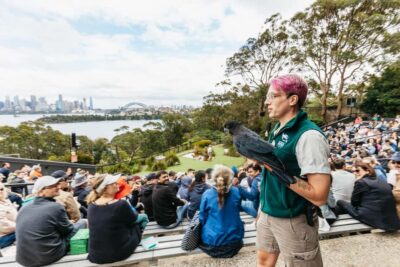
Blue Mountains, Scenic World, Zoo, & Ferry Ride
Read our review →
Browse the lists this tour appears in