
Reviewed · WHALE WATCHING
Mooloolaba: Whale Watching Cruise
Whales can turn a boat ride into a great story. This three-hour cruise from Mooloolaba gives you multiple viewing areas, useful commentary, and a real chance to see humpback whales during their seasonal migration. I especially like the roomy boat and the crew’s clear effort to respect the animals’ space. I also like that a no-whale outing earns you a free return trip.
The main catch is the sea. Once the boat leaves the shelter of the coast, the swell can be strong, and several people may feel sick. Take seasickness medicine seriously, stay in the fresh air, and understand that whale behavior is never guaranteed, even when the crew works hard to find them.
In This Review
- Quick take: the details that matter most
- Starting at The Wharf Mooloolaba
- Leaving Mooloolaba River for the open water
- How the whale search works
- Viewing whales from a large boat
- The migration season and what you might see
- Dolphins, turtles, rays, and seabirds
- Commentary that adds real value
- Comfort, facilities, and onboard food
- Sea sickness: the issue you should plan for
- Is $60 good value?
- Booking, weather, and the whale guarantee
- Who will enjoy this cruise most?
- Should you book the Mooloolaba whale watching cruise?
- FAQ
- How long is the Mooloolaba whale watching cruise?
- Where does the cruise depart from?
- What happens if no whales are seen?
- Is food included?
- Can I bring seasickness medicine?
- What should I bring?
- Is the cruise suitable for children and wheelchair users?
Quick take: the details that matter most
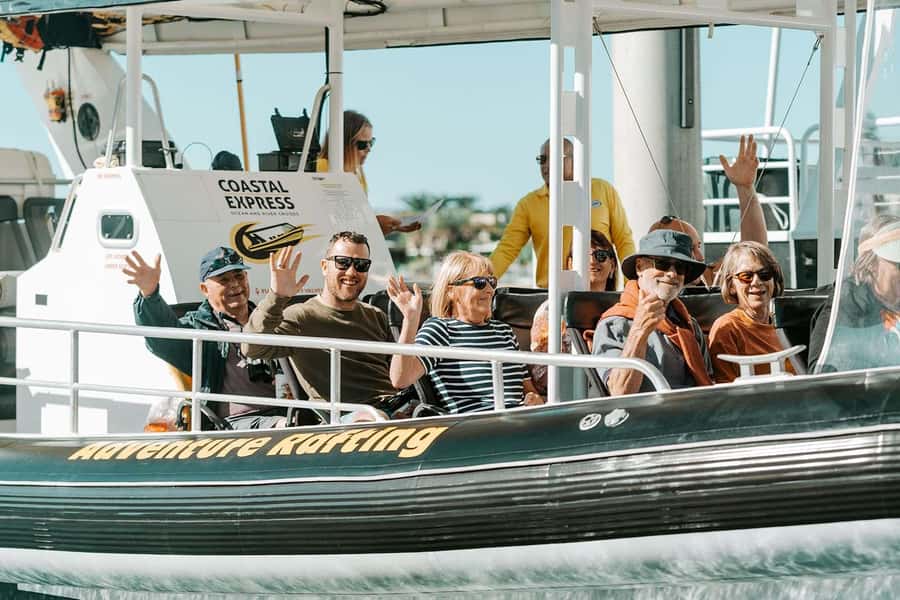
- Whale One has several viewing levels: You can look from indoor or outdoor seating, upstairs or downstairs, which helps when the action shifts around the boat.
- The cruise begins at Mooloolaba River: After about 15 minutes, the boat reaches the river mouth and starts the search offshore.
- The crew teaches you what to watch for: Look for blows, splashes, tail flukes, breaches, and spy-hops rather than expecting a whale to sit in one spot.
- The whale guarantee lowers the risk: If no whales are seen, you receive a free return cruise rather than a cash refund.
- Sea conditions matter: The trip may be changed or canceled if weather or the ocean is unsuitable, and the operator sends an update by text and email the day before.
- The $60 price is reasonable for three hours: Still, check Sunreef Mooloolaba’s direct price before booking, since one customer was told a direct booking would have been $40 less.
Starting at The Wharf Mooloolaba
Your meeting point is Sunreef Mooloolaba, Shop 11 to 12 at The Wharf Mooloolaba. Arrive at least 15 minutes before departure, check in at the desk, collect your boarding pass, and wait in the designated area until the crew calls you forward.
That early arrival matters. The boat has viewing spots in several places, and waiting near the front of the boarding process gives you a better choice of where to settle. You do not need to race around the vessel once aboard, but choosing a comfortable position early is useful, especially if you want a clear view without standing for the full three hours.
The experience does not include hotel pickup, so you need to make your own way to The Wharf. Food and drinks are also not included. Outside food cannot be brought onboard because of food licensing rules, though the boat has an onboard bar for snacks, soft drinks, and alcohol after 10:00 AM.
More Boat Trips in Sunshine Coast:
- Seafood Lunch Cruise
★ 5.0 · 914 reviews - Noosa: Afternoon Cruise through the Noosa Everglades
★ 4.5 · 906 reviews - Mooloolaba: Seafood Lunch Cruise
★ 4.7 · 473 reviews
Leaving Mooloolaba River for the open water
The boat departs from the Mooloolaba River, giving you a gentle start before the main whale search begins. The crew provides a safety briefing as you leave, then the boat takes about 15 minutes to reach the river mouth.
This first section is more than dead time. It gives you a chance to get used to the boat, find the bathrooms, check the viewing decks, and listen to the crew’s instructions. Once the boat moves into open water, the ride can become noticeably rougher. Several people praised the vessel as comfortable and smooth for its size, but others found the swell significant.
The best practical advice is simple: wear warm layers, keep your sunglasses and hat secure, and stay outside if you feel queasy. Fresh air often helps more than sitting in an enclosed cabin. Seasickness tablets are available onboard, but it is wiser to prepare before boarding if you know you are prone to motion sickness.
How the whale search works
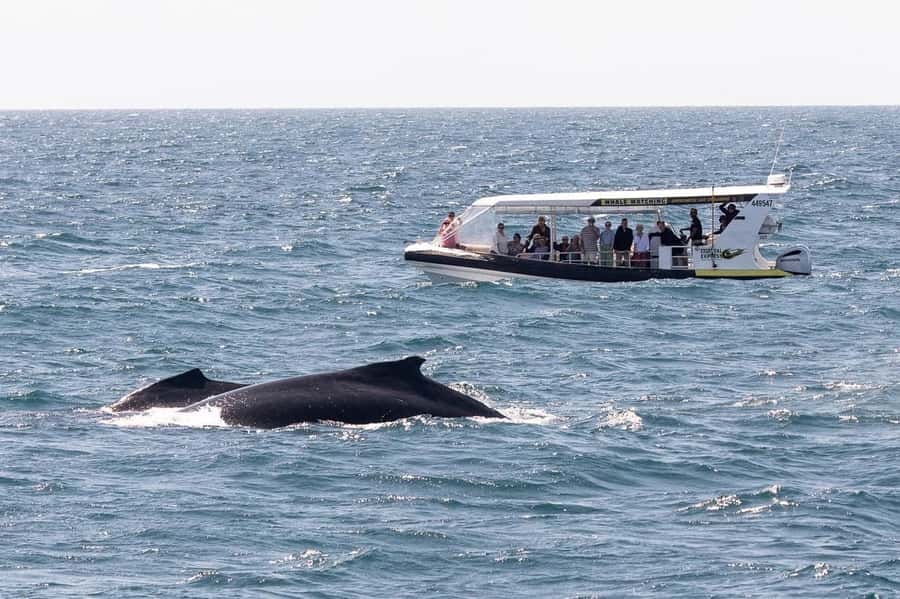
At the river mouth, the crew begins looking for humpback whales moving along the Queensland coast. This is not a fixed route with a guaranteed animal at a particular point. The boat may travel in one direction, then change course after a report or a confirmed sighting.
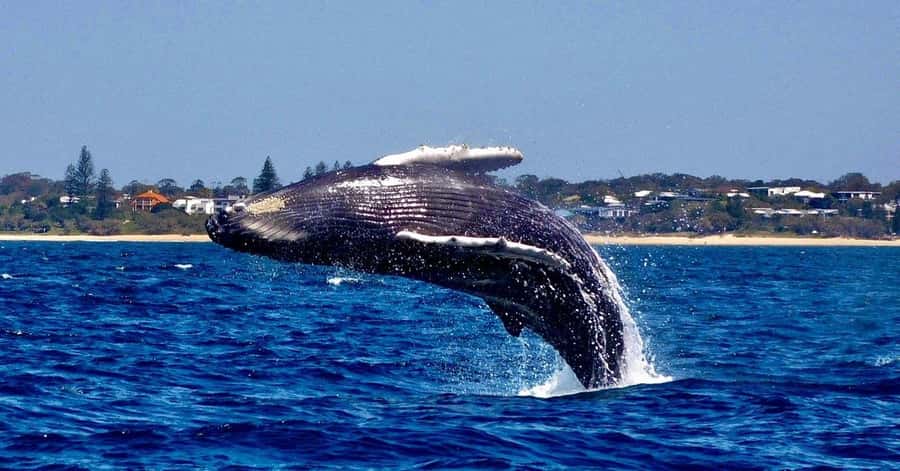
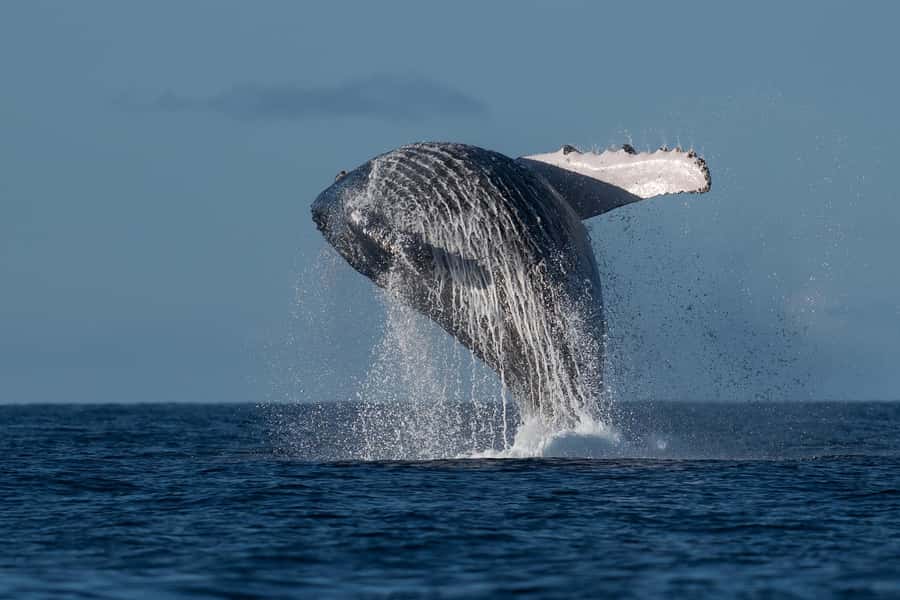
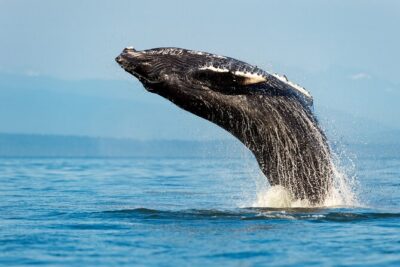
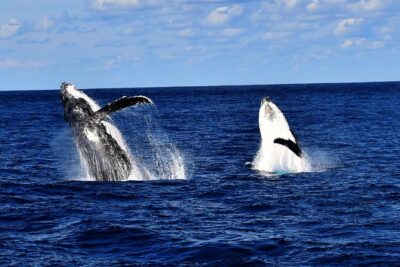
You will be taught to watch for small and large surface movements. A whale may show only a brief blow, a back rolling through the water, or a tail fluke before disappearing again. More dramatic displays can include breaching, tail slapping, pectoral fin movement, and spy-hopping, when a whale raises its head above the surface to look around.
The crew plays an important part here. A whale is easy to miss if you are staring at the wrong patch of water. The onboard team points out activity, explains what is happening, and helps you understand why the boat may move toward one sighting instead of another.
One useful point is that passengers are encouraged to report what they see. If you spot a whale, tell a crew member clearly and quickly. The crew may decide that another sighting is more reliable or better positioned, but sharing information can help everyone keep watch.
Viewing whales from a large boat
The vessel has indoor and outdoor seating, along with upstairs and downstairs areas. That setup gives you more options than a small boat with one narrow viewing line. You can move to the side where the whale appears, step outside for clearer air, or retreat indoors if the weather turns cold.
There is one small drawback: when whales appear on opposite sides, you may need help crossing through the crowd. One passenger joked about always being on the wrong side and needing assistance to switch. The boat’s size gives you comfort, but it also means many people may want the same view at once.
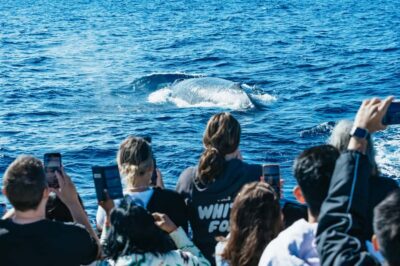
When a whale approaches, stay alert and keep your camera ready. Sightings can change quickly. A mother and calf may remain near the boat for a long period, while another whale may surface once and vanish. Some outings have produced only a few animals, while others have included groups of seven, eight, or even around 20 whales.
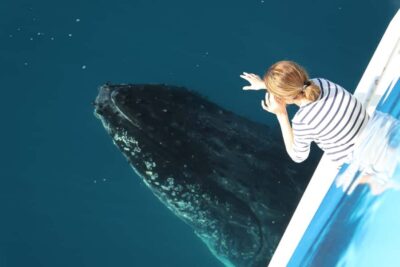
Several especially memorable sightings involved mothers with calves, juvenile males circling the boat, and whales spy-hopping close enough for people to see markings on their flukes. One group of three whales, including a mother, baby, and male escort, reportedly stayed near the boat for more than an hour. Those long encounters are possible, but not promised.
More Whale Watching in Sunshine Coast:
- Noosa; Noosa Ocean Adventures – Whale Watching
★ 4.8 · 213 reviews - Noosa: Noosa Whale Watching Tour
★ 4.7 · 148 reviews - Mooloolaba: Whale Watching Cruise
★ 4.7 · 108 reviews - Sydney: Whale Watching Adventure Cruise
★ 4.2 · 1,790 reviews
The migration season and what you might see
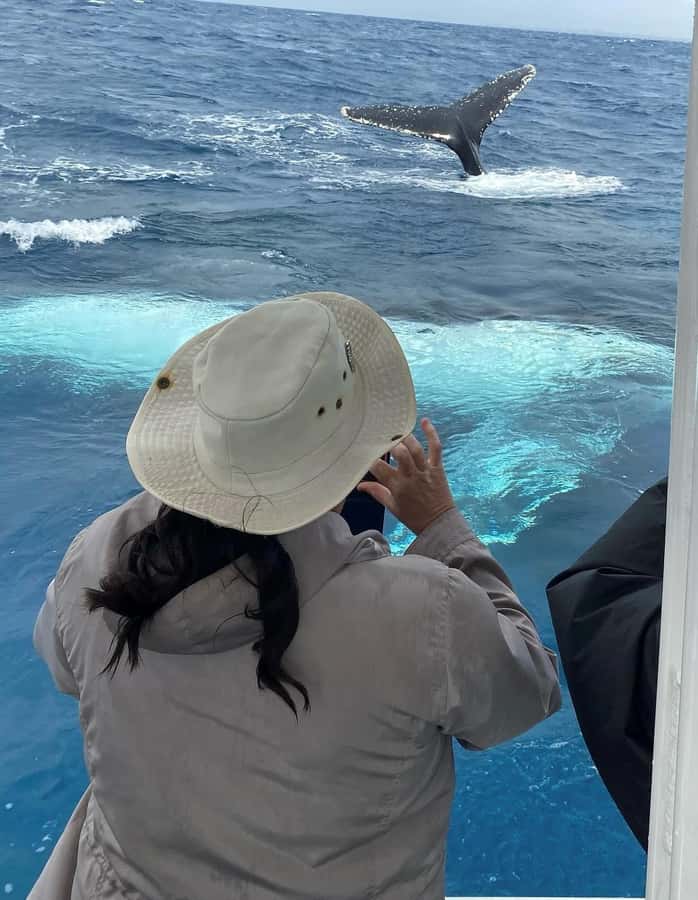
The cruise focuses on humpback whales during their migration to breed and mate. The strongest chance of whale activity depends on the season, weather, and daily conditions, so you should treat every trip as a wildlife search rather than a scheduled performance.
Sightings have been strong in both the middle and later parts of the migration period. Even near the end of the season, people have seen several mother and calf pairs. Other trips have produced juvenile males, small groups, and whales displaying a wide range of surface behavior.
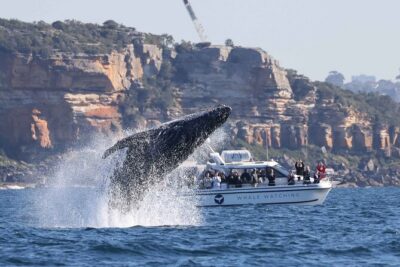
The variety is part of the appeal. You might see a whale breach clean out of the water, slap its tail, or circle the vessel. You might see only a back and blow. The experience can still be worthwhile when the whales remain distant, but your expectations should be realistic.
The no-whale policy helps. If the crew does not sight any whales, you receive a free return trip. This is not a cash refund, so you need enough time in your schedule to use another departure. The guarantee makes the $60 fare feel less risky, especially if you are staying in Mooloolaba for several days.
Dolphins, turtles, rays, and seabirds
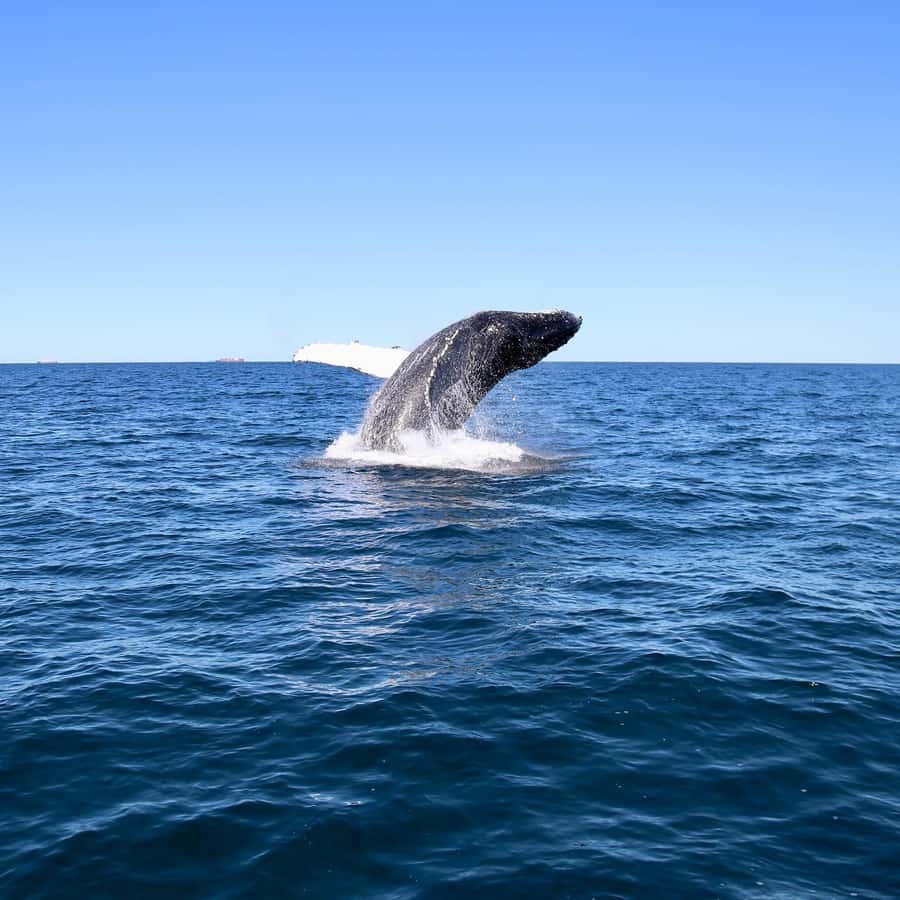
Whales are the main event, but they are not the only animals you might encounter. The trip can also produce sightings of dolphins, sea turtles, eagle rays, and seabirds.
A sea turtle and a small pod of golden-nosed dolphins have added a welcome bonus to some cruises. Turtles and rays may be harder to spot than whales because they spend more time below the surface, but the crew can help direct your attention when they appear.
The water around Mooloolaba is known for generally good clarity and limited swell in more sheltered areas, though the open-water portion can still be rough. Those conditions support a broad range of marine life, but clear water does not guarantee close or easy viewing from a moving boat.
Commentary that adds real value
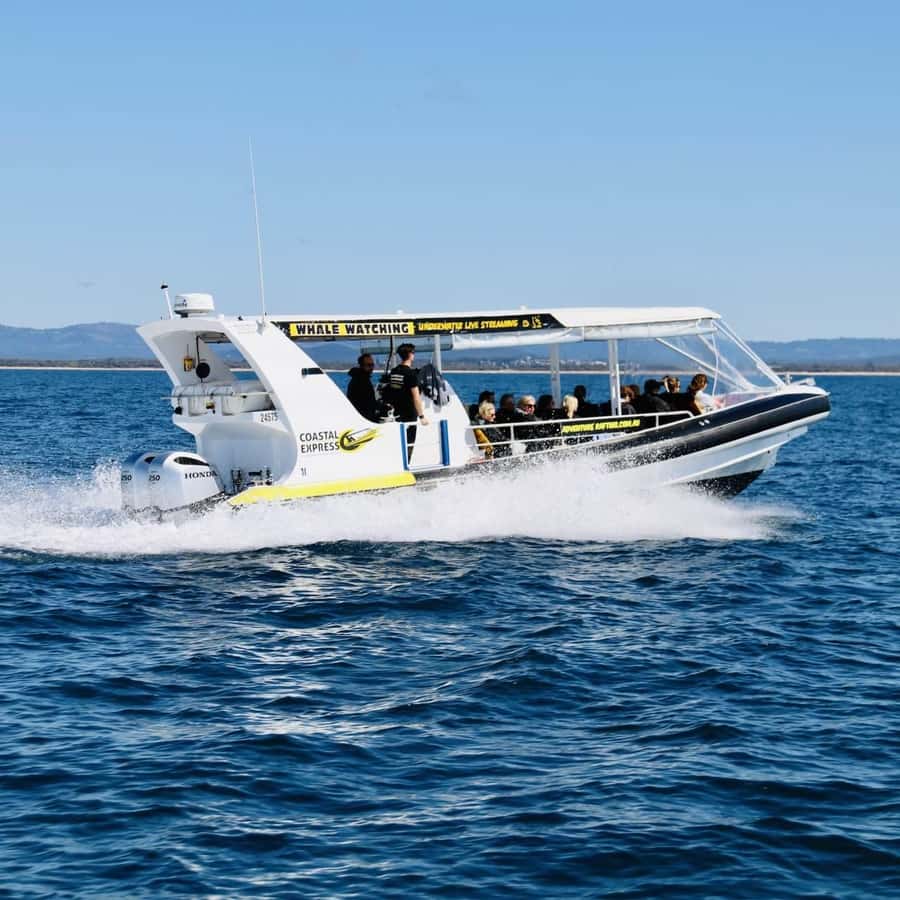
The crew does more than point toward a distant blow. Commentary covers whale behavior, the migration, and the reasons behind the animals’ movements. The strongest part of the experience is often the crew’s enthusiasm and ability to spot whales before most people onboard.
Several crew members have been praised for keeping explanations clear, friendly, and practical. The team also works to keep the boat at a respectful distance. That matters because close viewing is exciting, but responsible whale watching means allowing the animals to choose how near they come.
You may hear explanations of feeding, calf behavior, spy-hopping, fluking, and other displays. One outing included a mother appearing to teach her calf how to behave in the water. Another group of young males made sounds close to the boat. Experiences like these turn the trip into more than a quick photograph. You gain a better sense of the animals as living creatures with their own behavior, not performers waiting for applause.
Comfort, facilities, and onboard food
For a three-hour cruise, basic comfort makes a large difference. Bathrooms are available onboard, and the boat provides indoor seating if you need a break from wind and sun.
Bring a warm top even on a bright day. The breeze on open water can feel much colder than it does at The Wharf. Sunglasses, a hat, comfortable clothes, sunscreen, and a camera are all sensible choices. Secure loose items before the boat picks up speed.
The onboard bar sells snacks and soft drinks, with alcohol available after 10:00 AM. Food and drinks cost extra, and you cannot bring outside food onboard. If you are booking an early cruise, eat beforehand or plan to purchase something onboard. The nearby cafe has also been useful for hot toasties on cool mornings, though that is separate from the boat fare.
Music has been a minor irritation for at least one passenger, who felt it was unnecessary once the boat was offshore. If you prefer to hear the sea and commentary, this may be worth knowing. The main focus remains the wildlife and crew announcements.
Sea sickness: the issue you should plan for
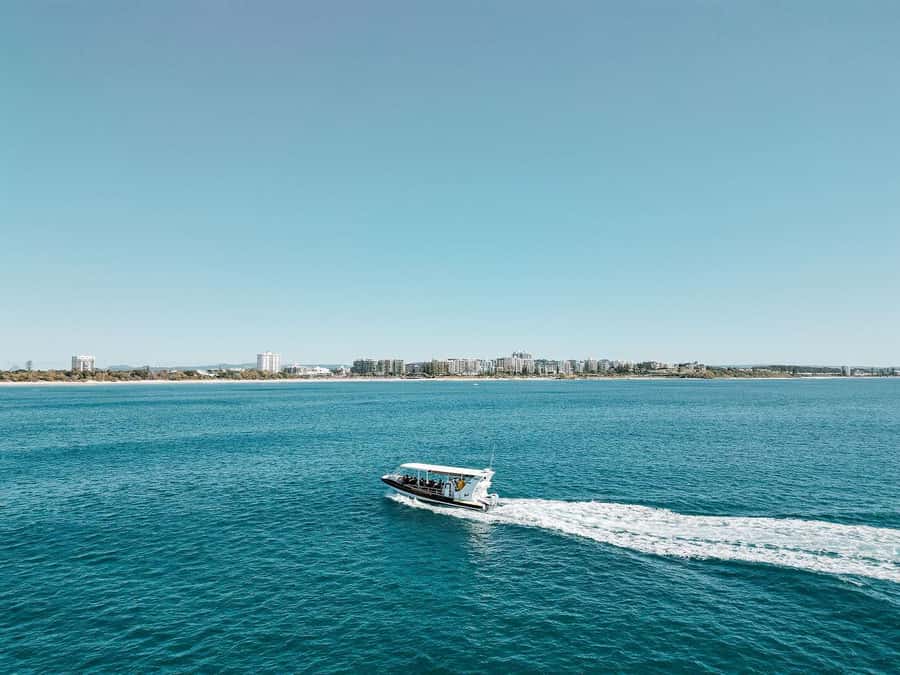
The most important warning is motion sickness. The open ocean can have a noticeable swell, even when the day looks calm from shore. One customer described the swell as significant once the boat moved beyond the protection of land, while another said the vessel was about as smooth as possible on the water.
Do not assume a large boat makes you immune. Some people became sick, and the crew helped passengers who needed support. If you are susceptible, take an appropriate seasickness remedy before departure, follow the product instructions, and stay outside in fresh air.
Pregnant women are advised not to take this activity, and it is not suitable for wheelchair users. Children under 14 must remain with an adult at all times. Unaccompanied minors are not allowed.
A stroller can come onboard only if its wheels lock and only if space remains. The final decision is made at check-in, depending on passenger numbers. Families with young children should also consider the three-hour duration and the possibility of rough water.
Is $60 good value?
At $60 per person, this is a fair price for a three-hour wildlife cruise with commentary, bathrooms, several viewing areas, and a free return trip if no whales are spotted. The guarantee is a meaningful part of the value, since wildlife viewing always carries some uncertainty.
The price looks even better when the boat finds several whales and keeps them near the vessel for an hour or more. Seeing breaching whales, calves, or spy-hopping animals can make the trip a major highlight of your Queensland visit.
Still, compare prices before booking. One customer was told that booking directly through Sunreef Mooloolaba would have saved $40, and the booking options may differ for families. I would check the operator’s direct fare and any family pass before committing. A small price difference matters if you are booking for several people.
The overall rating of 4.5 from 153 ratings reflects a strong experience, with the main complaints focused on sea sickness, viewing position, and one trip that ended slightly short of the advertised three hours. The boat may leave at 7:30 AM and return around 10:00 AM on some departures, so check the exact schedule rather than assuming you will receive a full three hours from boarding to disembarkation.
Booking, weather, and the whale guarantee
Weather and sea conditions affect whether the cruise can operate. The operator confirms the trip based on those conditions and sends an email and text update the day before, usually around 3:30 PM, with the trip status and departure time.
You can cancel for a full refund up to three days before departure. After that point, the whale guarantee applies only if no whales are sighted, and the remedy is a free return trip rather than a refund.
This is a good activity to book early in a Mooloolaba stay. If weather cancels the first departure or the crew finds no whales, you have a better chance of fitting another outing into your plans. Booking it on your final morning leaves little room for a second attempt.
Who will enjoy this cruise most?
I would recommend it to families with older children, couples, photographers, and anyone who wants a guided introduction to humpback migration. The commentary is useful for first-time whale watching, and the multiple decks help you find a view that suits you.
It is also a strong choice if you care about responsible wildlife viewing. The crew keeps a safe distance and cannot force the animals to approach, breach, or remain beside the boat. That honesty is important. You are paying for time on the water and a skilled search, not a guaranteed show.
I would hesitate if you become badly seasick, need step-free access, are pregnant, or have only one narrow window in your schedule. A calm-looking beach does not tell you what the ocean will feel like beyond the river mouth.
Should you book the Mooloolaba whale watching cruise?
Book it if you can accept the uncertainty of wildlife and prepare for rough water. The friendly crew, strong commentary, comfortable boat, and return-trip guarantee make this one of the better-value ways to search for humpback whales from Mooloolaba.
Check the direct Sunreef price first, pack warm clothing, take seasickness precautions, and avoid placing the cruise on your last possible day. If conditions cooperate, you may see a mother and calf, a tail slap, a breach, dolphins, turtles, or a whale rising beside the vessel. If the sea stays quiet, you still have the option to return, which is exactly the safety net a wildlife trip needs.
FAQ
How long is the Mooloolaba whale watching cruise?
The advertised duration is three hours. Check the departure details carefully, since boarding and return times can make the time onboard slightly different on a particular sailing.
Where does the cruise depart from?
Check in at Sunreef Mooloolaba, Shop 11 to 12 at The Wharf Mooloolaba. Arrive at least 15 minutes before departure to collect your boarding pass and receive instructions.
What happens if no whales are seen?
You receive a free return trip if no whales are sighted. The policy does not provide a cash refund for a whale-free cruise.
Is food included?
No. Food and drinks are not included, and outside food is not permitted onboard. Snacks, soft drinks, and alcohol after 10:00 AM are available from the onboard bar.
Can I bring seasickness medicine?
Seasickness medication is available onboard, but it is sensible to prepare before departure if you know you are prone to motion sickness. Staying outside in fresh air may also help.
What should I bring?
Bring warm clothing, sunglasses, a hat, a camera, comfortable clothes, and sunscreen. These items help with wind, sun, and changing conditions on the water.
Is the cruise suitable for children and wheelchair users?
Children under 14 must be accompanied by an adult, and unaccompanied minors are not allowed. The activity is not suitable for wheelchair users. A stroller may be accepted only if its wheels lock and space is available.
Just added in Sunshine Coast
- Sunshine Coast & Noosa Hinterland Scenic Culinary Experience★ 4.6 · 21 reviews
- Sunshine Coast: Mooloolaba River Sunset Cruise★ 4.7 · 310 reviews
- Rainbow Beach: Kayaking with Dolphins and Beach 4WD Tour★ 4.5 · 59 reviews
- Rainbow Beach: 4WD Beach Drive Adventure and Surf Lesson★ 4.6 · 24 reviews
- Noosaville: Noosa River Sunset Cruise★ 4.7 · 161 reviews
- Noosa River Sunset Cruise★ 4.7 · 25 reviews
- Noosa: Tandem Skydive Experience★ 4.9 · 56 reviews
- Noosa Ocean adventure & Dolphin Safari.★ 4.6 · 28 reviews
Whale Watching, compared.
Brisbane Whale Watching Cruise from Redcliffe or Sunshine Coast
Read our review →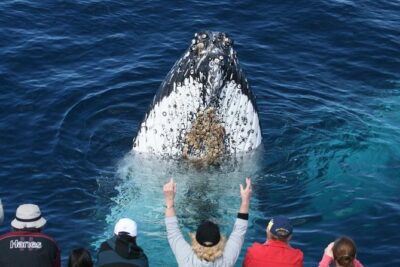
Spirit of Gold Coast 2.5-Hour Whale Watching Tour
Read our review →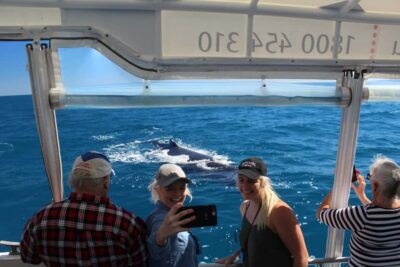
Browse the lists this tour appears in