Reviewed · ENTRY TICKETS
Monarto Safari Park: General Admission Tickets
Africa feels surprisingly close here. Monarto Safari Park gives you wide open animal areas, a hop-on hop-off bus, and enough walking trails to fill a full day. I especially like the 15 kilometres of tracks and the chance to see animals at your own pace. The free keeper talks are another strong point, adding useful context instead of leaving you to guess what you are seeing.
The main drawback is distance. Animals can be spread across large open areas, so sightings are not always quick or close. Some bus commentary can also be hard to hear, and the dirt paths may challenge anyone using a walker or wheelchair, despite the park being listed as wheelchair accessible.
In This Review
- Five things to know before you go
- Why Monarto feels different from a normal zoo
- Arriving through the entrance tunnel
- Taking the Zu-loop bus around the park
- Choosing the best viewing platforms
- Walking the 15 kilometres of tracks
- Making time for keeper talks
- Adding a paid Animal Experience
- Food, picnic areas and the cost of a full day
- Who will enjoy Monarto most
- Is $38 good value for one day?
- Should you book Monarto Safari Park?
- FAQ
- How much does Monarto Safari Park admission cost?
- How long is the ticket valid?
- What time does Monarto Safari Park open?
- Is Monarto Safari Park open on public holidays?
- Is the Zu-loop bus included?
- Can I walk around the park?
- Are keeper talks included?
- Are food and Animal Experiences included?
Five things to know before you go
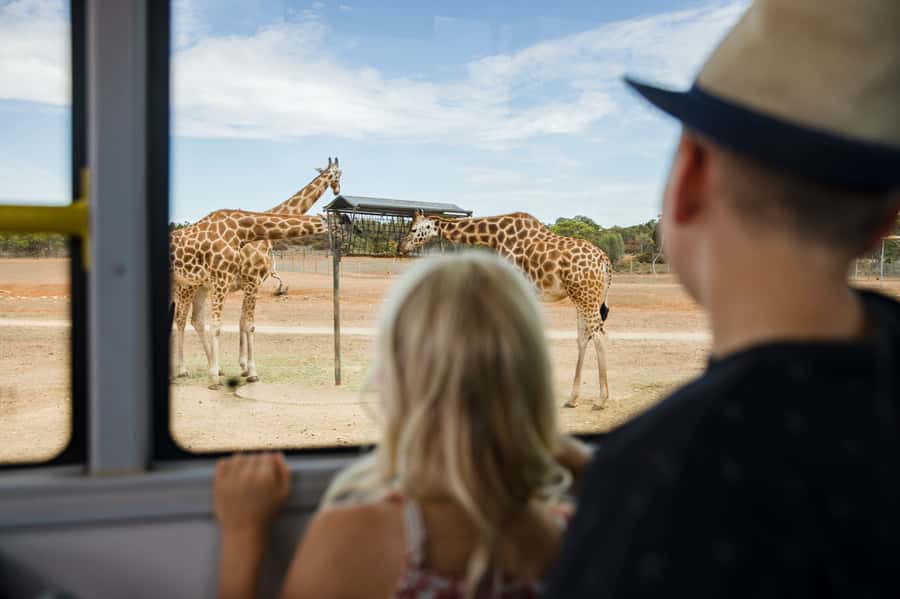
- The Zu-loop bus is your best time-saver: Ride between viewing platforms without walking the full 15 kilometres.
- The animals have room to roam: Lions, rhinos, giraffes, chimps and other animals live in large open-range areas.
- A full day is realistic: The park opens at 9:30 am, closes at 5 pm, and has last entry at 3 pm.
- Keeper talks add real value: Free daily presentations help you understand the animals and their care.
- Pack a picnic to control costs: Sheltered picnic areas are available, while food and drinks can feel expensive.
- Extra animal encounters cost more: Giraffe feeding, meerkat encounters, lion experiences and lemur activities are not part of admission.
Why Monarto feels different from a normal zoo
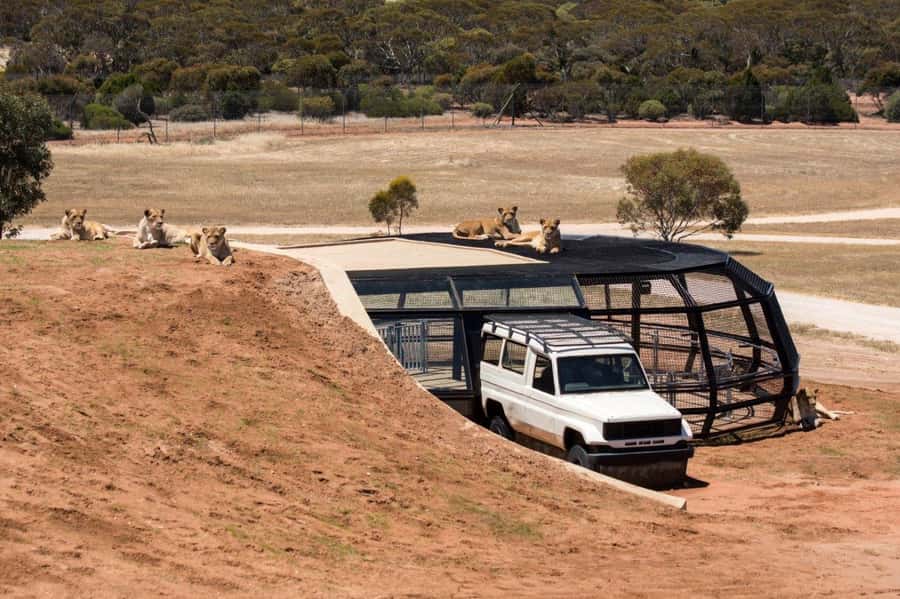
Monarto Safari Park is built around space. It is home to more than 500 exotic and Australian native animals, but the setting does not feel like a row of small exhibits. The animals live across broad open areas, giving you a better sense of their movement, habits and distance.
That distance is both the park’s greatest strength and its small frustration. You may see a giraffe clearly from a viewing platform, then find that a lion is resting far away or that another animal is hidden from view. This is not a place where every creature is guaranteed to pose beside the path.
I prefer that trade-off. The park feels less like a checklist of cages and more like a wildlife reserve where you need to look, wait and use the viewing areas. Children may need help staying patient, but the bus rides keep the day moving.
The collection includes giraffes, rhinos, lions, meerkats, chimpanzees, porcupines and Australian native animals. Elephants are also a major draw, and ongoing work on an expanded elephant enclosure is a reason for repeat visitors to return later.
More entry tickets in Australia:
- From Brisbane: Australia Zoo Transfer and Entry Ticket
★ 4.9 · 1,539 reviews - Brisbane: Moreton Island Return Ferry & Adventure Day Pass
★ 4.3 · 1,195 reviews - SEA LIFE Sydney Aquarium Entry Ticket
★ 4.3 · 1,025 reviews
Arriving through the entrance tunnel
Your day starts in the car park, which is free. From there, walk through the entrance tunnel and present your digital QR code at the turnstiles. Have the code ready on your phone, as this is the simplest way to get through entry.
The park is open daily from 9:30 am to 5 pm, including Christmas and public holidays. Last entry is at 3 pm, but arriving close to that time would leave you far too little time for a proper visit.
I would arrive near opening if you want to see most of the park. A late start can work for a shorter visit, but the 15 kilometres of paths, bus routes and keeper talks reward an early beginning. You will also have more freedom to return to areas where animals were quiet earlier in the day.
Taking the Zu-loop bus around the park
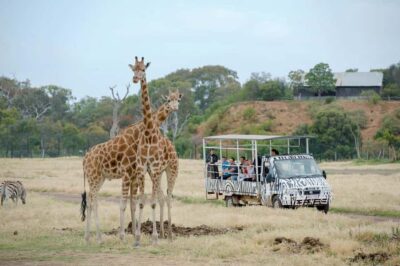
The Zu-loop shuttle bus is included with admission, and you can use it as often as you like. It runs from viewing platform to viewing platform, making it the practical backbone of your visit.
Start with a full bus circuit if you want to get your bearings fast. From the bus, you can see the scale of the open plains and decide which areas deserve more time on foot. The buses also help you conserve energy for the animals you most want to see.
The ride is especially useful for families, older visitors and anyone with limited stamina. It also means you do not need to choose between seeing distant parts of the park and saving your legs for the walking tracks.
Some buses include a guide or driver commentary. The quality can vary from one bus to another. A few passengers have found that drivers speaking without a microphone, or microphones set too low, make the information difficult to hear from the back. Sit near the front if the commentary matters to you, and do not hesitate to ask staff when the next keeper presentation is scheduled.
Bus windows are another practical issue. Clean glass makes a huge difference for photographs, but some windows may be marked or dirty. If you want the clearest views, move seats when possible and take photos from the viewing platforms too.
Choosing the best viewing platforms
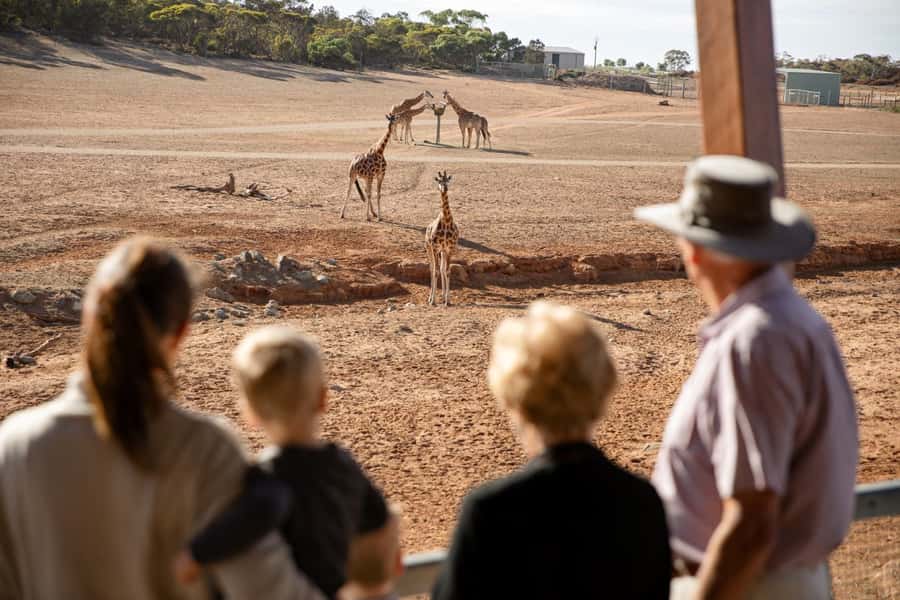
The viewing platforms are where the bus ride becomes a proper safari experience. Hop off at the areas that interest you, spend time looking across the enclosures, then catch the next shuttle.
Giraffes are a highlight for many people, particularly when a young giraffe is visible. Their height makes them easier to spot across the open plains, though you should still expect some walking and waiting. The chance to hand-feed giraffes is available as a paid Animal Experience, but you can see them without paying for the extra activity.
The lion area offers a very different mood. Even at rest, lions have a presence you can feel, and the optional lion feeding experience adds a closer encounter for those willing to pay more. Admission alone gives you access to the park, not to these special animal activities.
Rhinos are another major attraction. Their size is impressive even at a distance, and the open setting gives you time to watch rather than simply move along to the next small enclosure. Elephants have also been a strong draw, with the planned enclosure expansion giving regular visitors something new to anticipate.
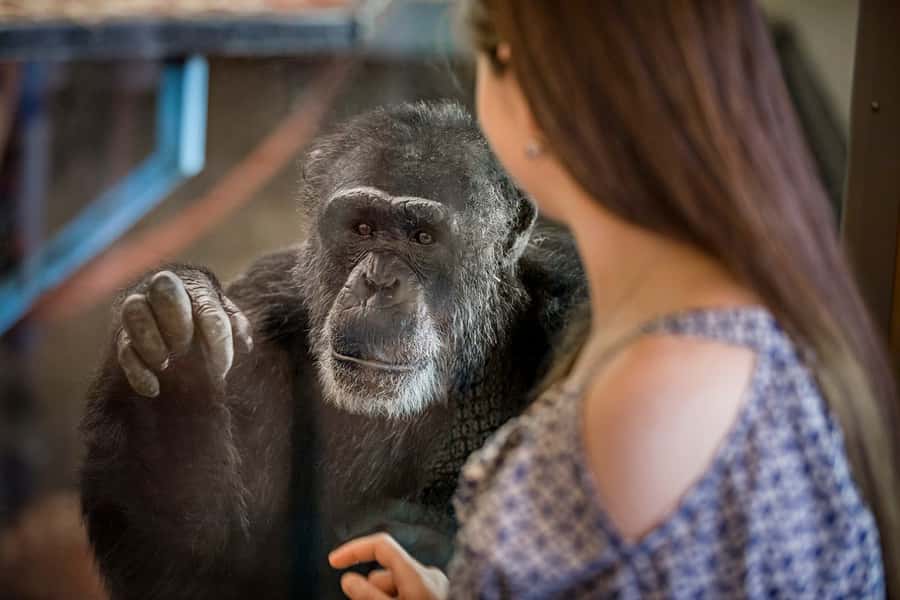
Chimpanzees can be particularly entertaining when active. Porcupines and meerkats are easier to overlook, so check the map and listen during keeper talks rather than focusing only on the largest animals. One useful lesson from a full day here is that smaller or less famous animals can provide some of the best surprises.
A completely different kind of day out:
- Sydney: Opera House Guided Tour with Entrance Ticket
★ 4.8 · 8,312 reviews - All Inclusive Blue Mountain,Scenic World,Lunch,Koalas,ferry
★ 5.0 · 7,832 reviews - Great Ocean Road Small-Group Eco Tour from Melbourne
★ 5.0 · 6,607 reviews - From Melbourne: Great Ocean Road, 12 Apostles, Wildlife Tour
★ 4.7 · 6,020 reviews
Walking the 15 kilometres of tracks
You can explore more than 15 kilometres of walking tracks, but you do not need to walk every metre. Use the Zu-loop to cover long distances, then walk the paths near the platforms that interest you most.
Walking lets you slow down. You can stop for a better view, read signs, watch animal behaviour and enjoy the native plants and open setting. It is also the best option for photography when bus windows are not clear.
The paths are not equally easy for everyone. Dirt and uneven gravel can be hard for wheelchair users and people pushing walkers, especially on routes leading to popular animal areas. The park is described as wheelchair accessible, and the buses help provide access across the site, but mobility needs still require planning.
If you use a wheelchair or walker, ask staff about the easiest routes before setting out. The buses are a major help, but boarding and getting off can also be awkward for some people. Higher seats at bus stops would help anyone who struggles to rise from a standard-height bench.
For families, the walking and bus combination works well. A toddler can enjoy the excitement of repeated bus rides, while adults can choose when to stretch their legs. Bring a stroller only if you are comfortable managing uneven paths, since the available information does not promise smooth access on every track.
Making time for keeper talks
The free daily keeper presentations are one of the best reasons not to rush. Keepers explain the animals with energy and answer questions, giving you details you would not get from simply looking across a paddock.
Plan your route around at least one or two talks. The timing matters because a presentation can give structure to a day that otherwise becomes a loose circuit of bus rides and walks. Staff and volunteer guides are generally friendly and happy to help you find your way.
The quality of bus commentary can be uneven, but the dedicated keeper talks tend to be the safer choice if you want clear information. Ask at the entrance or near the bus stops for the day’s presentation times.
You may also find animals more active at different points of the day. One useful strategy is to return to an area later, rather than assuming a quiet first sighting means there is nothing to see. A final bus trip can sometimes reveal animals that were hidden or resting earlier.
Adding a paid Animal Experience
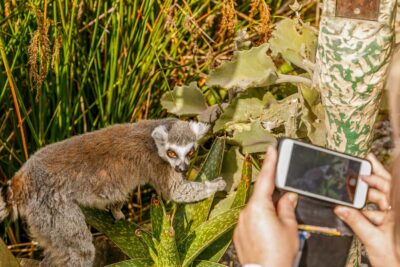
General admission covers a full day, but the closest animal encounters cost extra. Options include feeding giraffes, mingling with meerkats, lion experiences and entering the Land of Lemurs.
These activities make sense if one particular animal is the reason you are visiting. They are less necessary if you mainly want to explore the park, ride the bus and see the animals in their large open areas. The basic ticket already gives you a substantial day out.
Some visitors have been pleased with the standard admission and felt no need to pay for an additional premium experience. I agree that you should decide based on your priorities rather than assuming the extra activity is required.
Check the cost before booking anything additional, especially for a family. A $38 admission ticket is reasonable for a full day with parking, bus rides, walking access and keeper talks, but paid encounters can change the total quickly.
Food, picnic areas and the cost of a full day
Food and drinks are not included. There is a cafeteria, and the food can be a welcome break during a long visit, but prices may feel steep if you are feeding several children or staying all day.
Sheltered picnic areas are available in several parts of the park. That makes packing lunch a smart way to protect your budget. You can then spend money on a coffee, snack or souvenir instead of buying every meal on site.
Bring enough water for walking, particularly if you plan to cover several tracks. The supplied information confirms picnic shelters but does not list every food or drink location, so do not count on finding a cafe beside every animal area.
The souvenir shop is another small part of the visit, especially for children who have enjoyed the bus rides and animal talks. Treat it as optional, since the main value of the day is already included in admission.
Who will enjoy Monarto most
I would recommend Monarto Safari Park to families, wildlife fans and anyone who prefers animals in broad open settings rather than compact zoo enclosures. It also works well for grandparents and mixed-age groups because the bus reduces the amount of walking required.
Photographers should bring patience. The open areas offer attractive views, but animals may be far away, and bus windows are not always ideal for pictures. Viewing platforms and a longer lens will help if you have one.
The park suits independent visitors who like choosing their own pace. You can spend extra time with chimpanzees, return to the giraffes, or simply ride the bus and see how the day unfolds.
It is less suitable if you want guaranteed close views of every animal in a short visit. It can also be tiring for anyone with mobility problems unless you plan bus use carefully and ask staff about the most accessible paths.
Is $38 good value for one day?
At $38 per person, admission offers solid value if you stay for several hours. Parking, unlimited Zu-loop bus use, more than 15 kilometres of walking tracks and daily keeper talks are included.
The value improves if you arrive early and make use of both transport options. A quick visit focused on one or two viewing platforms may not feel as worthwhile, while a full day gives you time to see animals that were hidden earlier and attend presentations.
Families should budget separately for food and any Animal Experiences. Packing a picnic keeps the base cost under control. If you are considering annual membership, check the booking route carefully, since admission purchased through an outside platform may not be credited toward membership.
Free cancellation up to 24 hours before the visit and the option to reserve now and pay later add flexibility. The ticket is valid for one day, and entry requires the digital QR code.
Should you book Monarto Safari Park?
Book it if you want a full day of wildlife, open spaces and flexible exploring. The bus and walking combination is the heart of the experience, while the passionate keeper talks give the animals more meaning than a quick pass-by.
I would book early, arrive at opening, take an initial bus circuit, then return on foot to the animals that interest you most. Pack lunch, sit near the front if you want to hear bus commentary, and leave time for a final circuit when animals may be more active.
Skip the ticket only if you need a short, highly predictable outing with close views at every stop. For everyone else, $38 buys a generous day in a setting that feels more like a safari reserve than a traditional zoo.
FAQ
How much does Monarto Safari Park admission cost?
General admission costs $38 per person.
How long is the ticket valid?
The ticket is valid for one day.
What time does Monarto Safari Park open?
The park opens daily at 9:30 am and closes at 5 pm. Last entry is at 3 pm.
Is Monarto Safari Park open on public holidays?
Yes. The park is open every day of the year, including Christmas and all public holidays.
Is the Zu-loop bus included?
Yes. Admission includes unlimited use of the Zu-loop shuttle bus.
Can I walk around the park?
Yes. Admission includes access to more than 15 kilometres of walking tracks.
Are keeper talks included?
Yes. Free daily keeper presentations are included with admission.
Are food and Animal Experiences included?
No. Food and drinks, along with optional Animal Experiences such as giraffe feeding and lion encounters, cost extra.
Just added in Australia
- 1hour Scenic Flight Heart Reef, Whitehaven Beach, Hill Inlet, GBR★ 5.0 · 134 reviews
- Fly Raft Package: Whitehaven Beach, Snorkel and Scenic Flight★ 5.0 · 316 reviews
- All-Inclusive Waterfall Explorer Day Trip from Airlie Beach★ 4.5 · 253 reviews
- Airlie Coastal Beach Adventures – Dingo Beach & Cape Gloucester★ 5.0 · 27 reviews
- Airlie Beach Glass Bottom Boat Tour★ 4.5 · 329 reviews
- Airlie Waterfalls & Rainforest Bushwalk Eco Adventure★ 5.0 · 23 reviews
- British Defender 3D2N Whitsunday Snorkelling Sailing Adventure★ 5.0 · 30 reviews
- Bowen Beaches Discovery-Top of the Whitsundays★ 5.0 · 40 reviews
Entry Tickets, compared.
Moreton Island Return Ferry & Adventure Day Pass
Read our review →

Movie World, Sea World, Wet’n’Wild & More – 5 Day Pass
Read our review →