
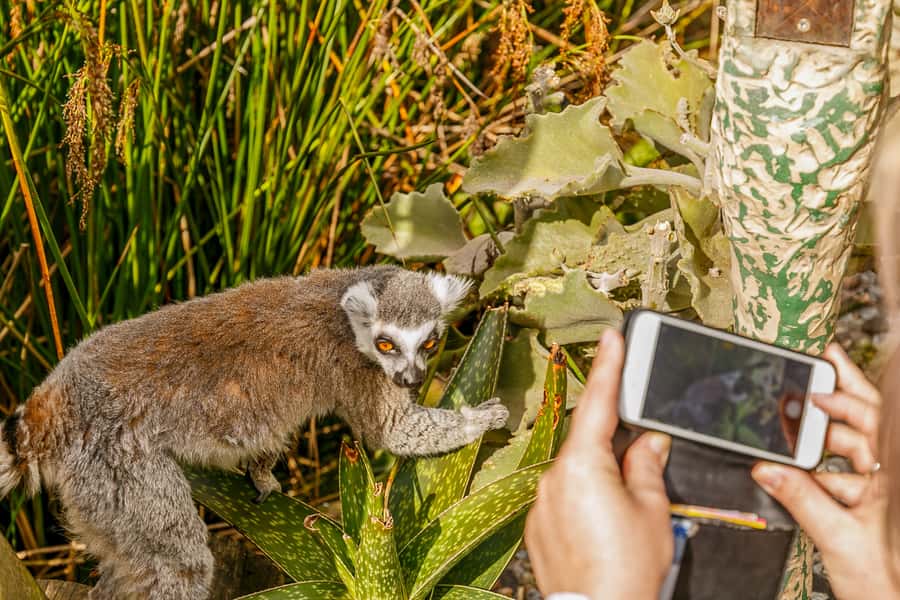
Reviewed · AQUARIUMS AND ZOOS
Melbourne Zoo: 1-Day Entry Ticket
City wildlife without a long journey. Melbourne Zoo gives you a full day with more than 320 animal species, yet it sits only about 10 minutes from central Melbourne. I especially like the mix of Australian animals and wildlife from Asia, Africa, and elsewhere, plus the leafy paths, gardens, and helpful keeper presentations.
I also like the freedom of a general admission ticket. You can move at your own pace, stop for lunch, watch a presentation, or spend extra time at exhibits such as Lion Gorge, the Butterfly House, and the seal pool. The main catch is simple: some animals may be off exhibit or asleep, especially in hot weather, and the grounds are large enough to make a short afternoon feel rushed.
In This Review
- Key Points Before You Go
- Getting to Melbourne Zoo from the City Centre
- What the $37 Ticket Includes
- Starting with Asian and African Animals
- Lion Gorge and the Tropical Butterfly House
- Australian Bush Animals: Koalas, Kangaroos, and Wombats
- Penguins, Seals, and the Underwater World
- Keeper Presentations and Volunteer Help
- How Long You Need Inside
- Food, Seating, and Heat
- Families, Older Visitors, and Solo Sightseers
- Accessibility and Ticket Flexibility
- Should You Book Melbourne Zoo?
- FAQ
- How much does Melbourne Zoo entry cost?
- How long is the Melbourne Zoo ticket valid?
- What time does Melbourne Zoo open and close?
- How many animal species can I see?
- Does the ticket include animal keeper presentations?
- Are behind-the-scenes experiences included?
- Do children enter Melbourne Zoo for free?
- How do I get to Melbourne Zoo by public transport?
- Is Melbourne Zoo wheelchair accessible?
- Can I cancel the ticket for a refund?
Key Points Before You Go
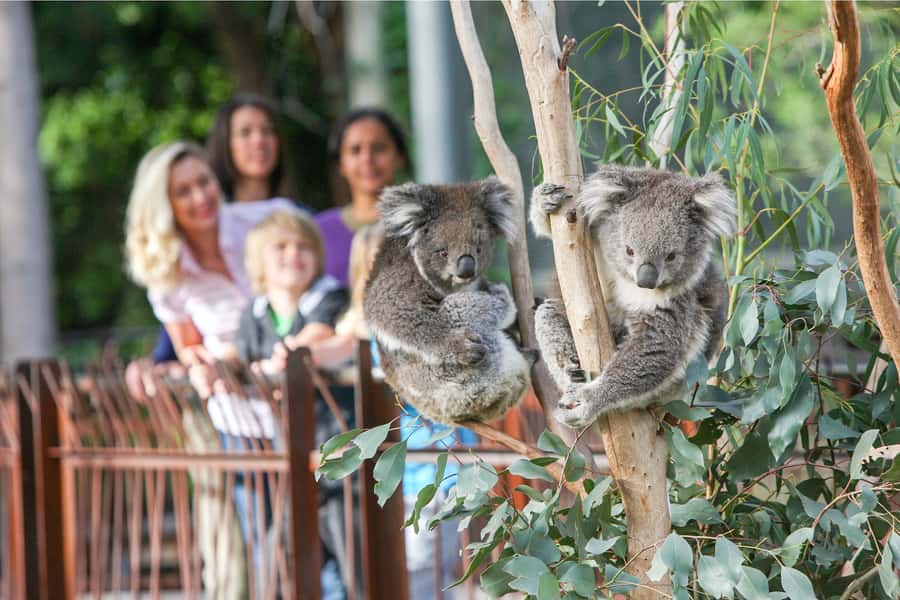
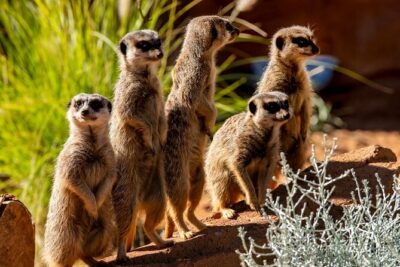
- More than 320 species: See lions, tigers, monkeys, meerkats, penguins, seals, koalas, kangaroos, wombats, emus, and many other animals.
- Easy city access: Tram 58 stops directly outside, while Royal Park Station sits on the Upfield train line beside the zoo.
- Plan on half a day to a full day: You can see plenty in several hours, but a relaxed visit needs most of the day.
- Australian wildlife has a full section: The bush setting gives you a strong introduction to koalas, kangaroos, wombats, and emus.
- Keeper presentations add value: Set-time talks give you more context than simply reading exhibit signs.
- Upgrades cost extra: Behind-the-scenes and close-contact experiences are not included in the $37 general admission ticket.
Getting to Melbourne Zoo from the City Centre
You do not need a car to reach Melbourne Zoo. That is one of its best features for a short Melbourne visit.
Tram 58 runs from William Street in the city centre toward Toorak and stops directly outside the zoo. Trains on the Upfield line run from Flinders Street Station to Royal Park Station, which is Melbourne Zoo’s own nearby stop. Bus route 505 also stops outside the entrance, running between Moonee Ponds and Melbourne University.
For most people staying in central Melbourne, the tram or train is the least stressful choice. Driving is possible, but parking can be awkward on busy days. One visit also included a complaint about difficult parking, so I would not build your day around arriving by car unless you already know where you will leave it.
If you are visiting from a cruise ship or another part of the city, a Myki day pass can help cover the tram, train, and bus connections. Check current public transport details before setting out, since routes and ticket arrangements can change.
More entry tickets in Australia:
- From Brisbane: Australia Zoo Transfer and Entry Ticket
★ 4.9 · 1,539 reviews - Brisbane: Moreton Island Return Ferry & Adventure Day Pass
★ 4.3 · 1,195 reviews - SEA LIFE Sydney Aquarium Entry Ticket
★ 4.3 · 1,025 reviews
What the $37 Ticket Includes
The standard ticket costs $37 per person and includes general admission for one day. You also get access to the scheduled animal keeper presentations, which are worth fitting into your route.
The ticket does not include food, drinks, or special experiences. Behind-the-scenes options and close-up animal encounters require an upgrade, so budget extra if meeting an animal is the main reason for your visit.
At $37, I consider the ticket good value if you stay for several hours or most of the day. The zoo covers a large area, and there is enough variety to keep adults and children occupied well beyond a quick stroll. It is less attractive if you arrive late, rush through the grounds, and leave after an hour or two.
Children under 16 enter free on weekends, Victorian school holidays, and Victorian public holidays. Children aged three and under enter free every day. That rule can make a major difference for families, so check the date carefully before paying for a child ticket.
The zoo is open from 9:00 AM to 5:00 PM every day of the year. I would arrive near opening time, especially if you want the best chance of seeing active animals before the heat and larger crowds build.
Starting with Asian and African Animals
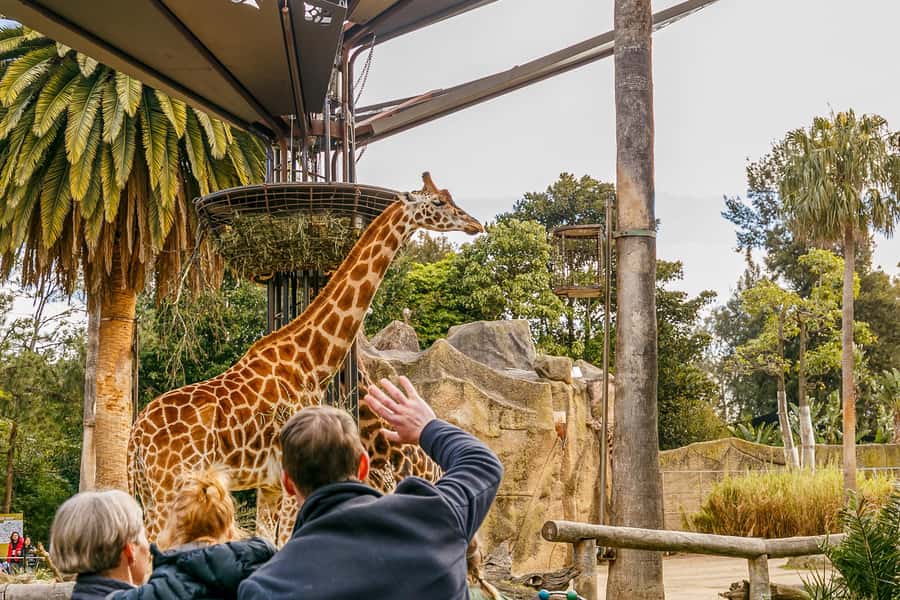
The zoo is arranged in zones, so you can move from one animal group to another without feeling that everything is mixed together. The Asian and African rainforest areas are a strong place to begin.
Here, you might see tigers moving through their habitat and monkeys swinging between trees. The setting is designed to feel more like a living environment than a row of small cages, and the planted paths make the walk pleasant even when you are between exhibits.
Tiger sightings can be unpredictable. One particularly memorable keeper interaction involved a volunteer spending about 20 minutes explaining Sumatran tigers, which shows why it pays to stop when staff or volunteers are speaking near an enclosure. You get far more from the visit when you listen to these talks instead of treating the zoo as a checklist of animals.
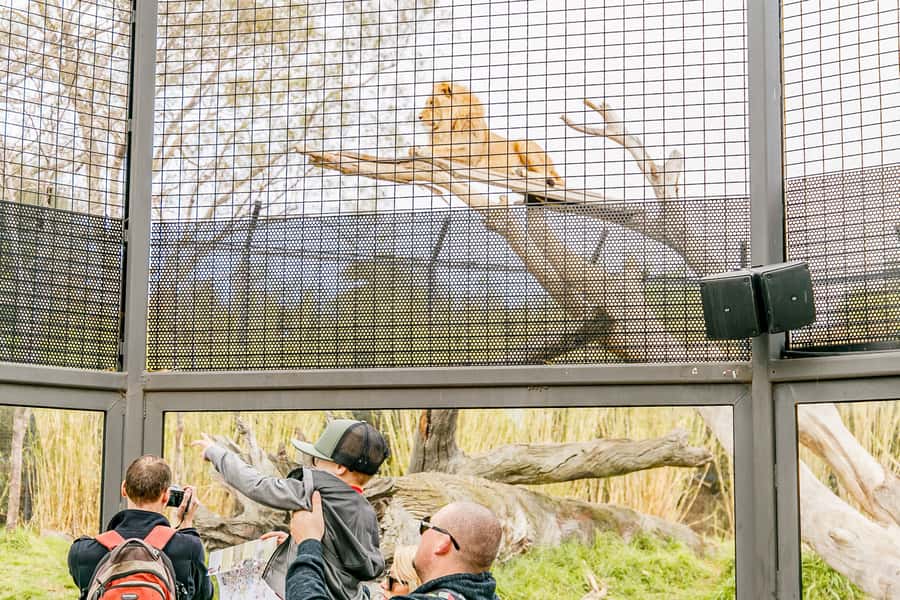
You should also allow time for the lion exhibit at Lion Gorge. The design gives you a chance to look directly into the pride area, although animal viewing is never guaranteed. On some days, lions, tigers, snow leopards, gorillas, or monkeys may not be visible. That can be disappointing if you have come with one favorite animal in mind.
The practical lesson is to keep your expectations flexible. A sleeping snow leopard or an empty-looking habitat is not necessarily a poor exhibit. Animals choose where to rest, and warm weather often keeps them out of sight.
Lion Gorge and the Tropical Butterfly House
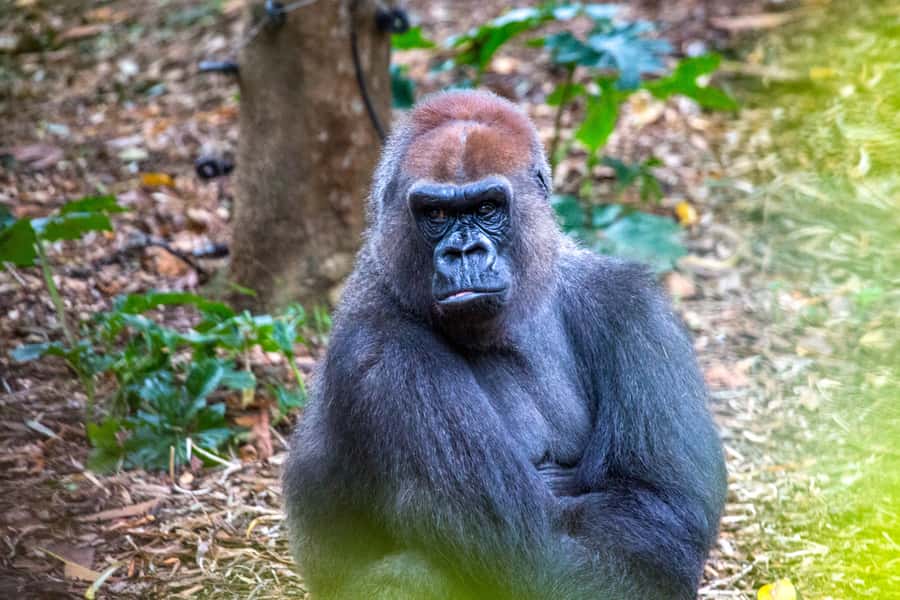
Lion Gorge is one of the more dramatic stops in the zoo because the viewing area is designed to bring you close to the pride without removing the separation needed for safety. If the lions are active, it can be a highlight. If they are resting elsewhere, move on and return later rather than waiting too long.
The Tropical Butterfly House offers a change of pace. After large mammals and busy monkey areas, the warm indoor setting and delicate butterflies provide a quieter stop. It is especially useful on a cooler day, though it can feel warm if you have already been walking for hours.
I would place the Butterfly House into your route rather than saving it for the final minutes. The zoo is large, and it is easy to miss a favorite area when you follow every path in a straight line.
More Aquariums and Zoos in Australia:
- Blue Mountains Small-Group Tour from Sydney with Scenic World,Sydney Zoo & Ferry
★ 5.0 · 3,709 reviews - Blue Mountains Adventure: Scenic World, Zoo & Koala Photo
★ 4.7 · 2,062 reviews - Sydney: Taronga Zoo Tickets
★ 4.6 · 1,551 reviews - From Sydney: Blue Mountains, Scenic World, Zoo, & Ferry Ride
★ 4.8 · 1,484 reviews
Australian Bush Animals: Koalas, Kangaroos, and Wombats
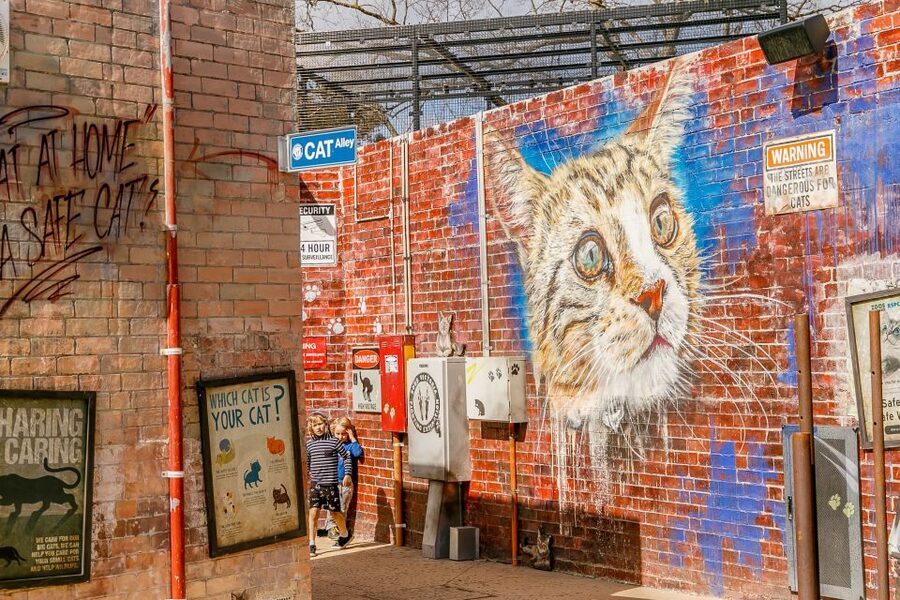
The Australian section is essential for anyone visiting from overseas, but it is also enjoyable for local families. In a bush setting, you can look for koalas, kangaroos, wombats, and emus.
For international visitors, this may be your best chance to see several well-known Australian animals in one place. A visitor who had never seen a kangaroo before made that the main goal of the afternoon, then found the koalas even more appealing. That is a useful reminder to leave room for surprises.
The animals may not always pose neatly for photographs. Koalas can be still, kangaroos may rest, and wombats can be hidden. Early morning generally gives you a better chance of seeing movement, while hot afternoons can make many animals less visible.
This area also works well for families because it breaks up the more exotic exhibits with animals connected directly to Australia. Children can compare familiar local stories with what they see in the enclosures, and adults get a more grounded sense of the country’s wildlife.
Penguins, Seals, and the Underwater World
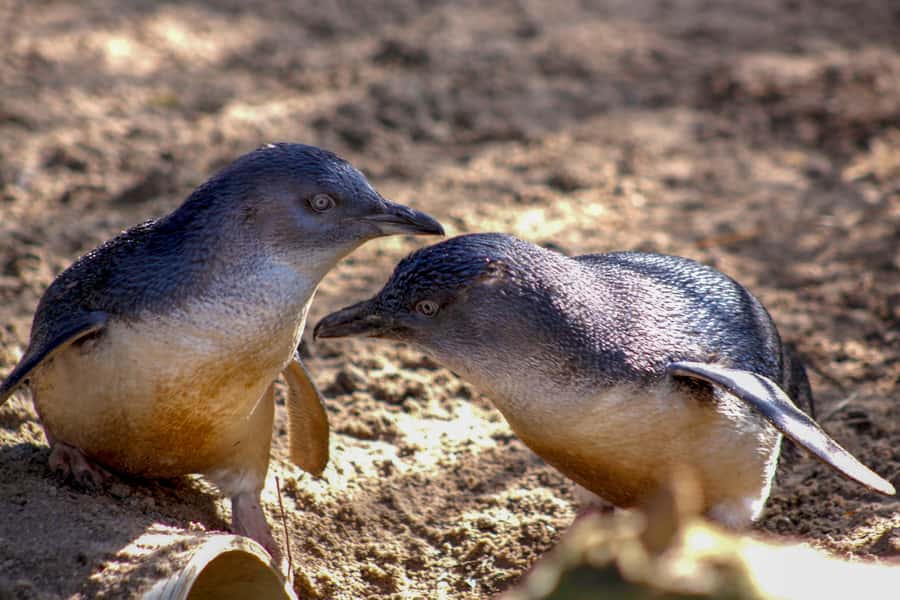
The underwater section brings two distinctly Australian animals into the route: little penguins and Australian fur seals.
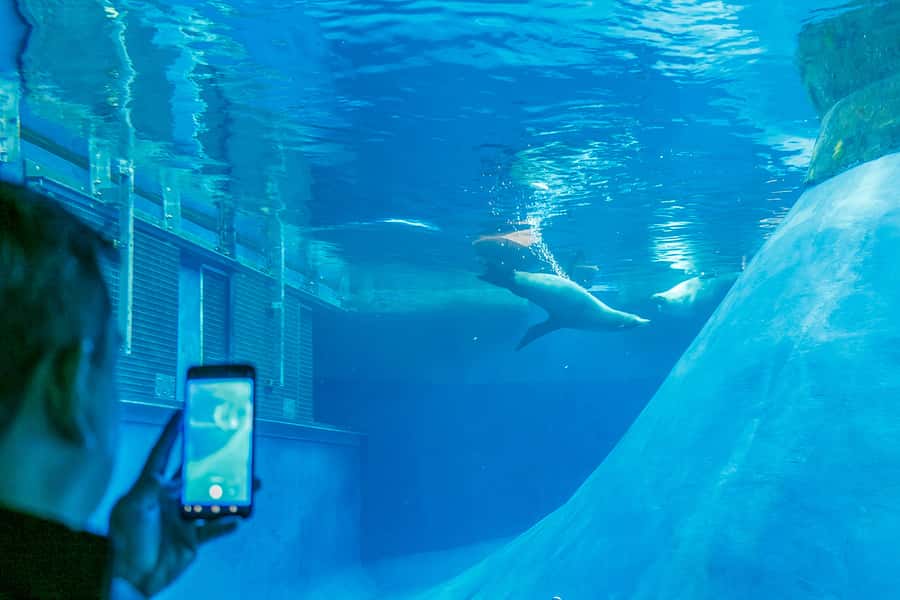
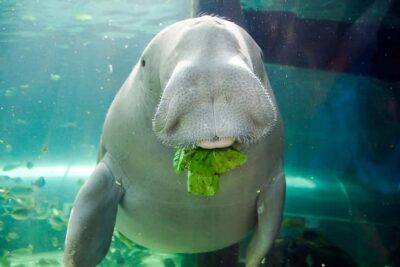
The little penguins are Victoria icons, so this is more than a generic aquarium stop. The seals provide a livelier contrast, particularly around the wave pool. One visitor described the seal pool as a personal highlight, and I can see why: moving water and active animals create a stronger viewing experience than a quiet enclosure.
Do not assume every animal will appear on cue. Some may be resting or positioned out of sight. Still, the penguin and seal areas are worth including even if you have already visited aquariums elsewhere, because they connect the zoo visit to local wildlife.
Keeper Presentations and Volunteer Help
The scheduled keeper presentations are included with admission. Check the daily timetable when you arrive and shape your route around at least one or two talks.
These sessions add the detail that a map and exhibit label cannot provide. You may learn about feeding habits, animal behavior, conservation work, or why an enclosure is arranged in a particular way. A volunteer’s extended explanation of Sumatran tigers was especially useful, and staff members are often happy to point you in the right direction.
Volunteers also help with navigation. The zoo map is useful, but the number of paths can be confusing, especially for a first visit or for anyone who has difficulty walking long distances. Ground signs could be clearer in places, so ask staff when you lose your bearings.
A parrot being handled by a staff member was another small but memorable encounter. Experiences like that are not guaranteed, but they show how a visit can offer more than fixed viewing windows.
How Long You Need Inside
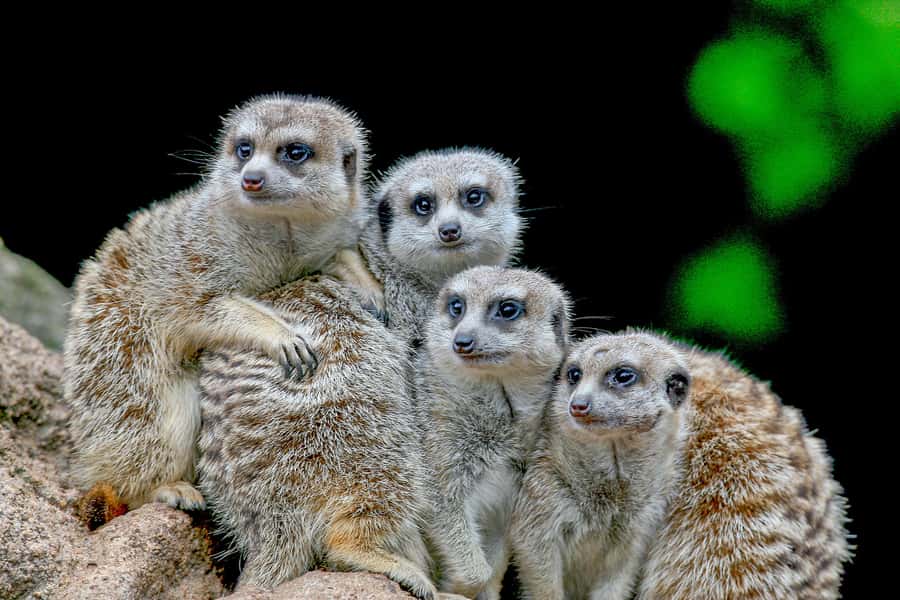
You can make Melbourne Zoo a half-day visit, but I would allow the full day if you want to see the major zones without racing.
An afternoon arrival around 1:00 PM may give you enough time for selected exhibits, but the zoo is larger than it first appears. Late arrivals can also miss animals that are active earlier in the day. If your priority is kangaroos, tigers, lions, or snow leopards, arrive close to 9:00 AM.
A sensible pace looks like this:
- Start with the zone that contains your top-priority animals.
- Attend a keeper presentation.
- Continue through the Asian and African areas.
- Stop at the Australian bush exhibits.
- Visit the Butterfly House and underwater areas.
- Leave time for food, rest, and a second look at an exhibit where the animals were hidden earlier.
Do not try to read every sign or follow every minor path. The grounds are large, and walking the entire zoo can leave your feet tired. The reward for taking it slowly is a more relaxed day, with time to sit and watch instead of hurrying from one enclosure to the next.
Food, Seating, and Heat
There are plenty of seats around the grounds, and picnic areas make it possible to bring your own lunch. That helps control costs, since food and drinks are not included and several people found the dining prices high.
Food quality can be good, and one dining option received especially warm praise. Still, choices may not suit every dietary need. Gluten-free food was difficult to find on one family visit, so I would pack suitable snacks if you require a specific diet.
Ice cream and soft drinks are easy comfort stops on a hot day. Cooling fans were also appreciated, but Melbourne weather can still affect animal activity and your own energy. Wear comfortable shoes, carry water, and plan regular sitting breaks.
The gardens and paths make the walk pleasant, but this is not a compact city attraction. Sun, heat, and distance can change your experience more than any individual exhibit.
Families, Older Visitors, and Solo Sightseers
Families are the most obvious audience. Children can run between animal areas, use play spots, and take breaks at picnic areas. The free admission rule for under-16s on certain days can also make a weekend or school-holiday visit much better value.
The zoo suits solo visitors too. One solo visit found the grounds beautiful and easy to enjoy alone, with the animals providing plenty of natural pauses. You can spend as long as you like at the snow leopard viewing area or skip a noisy group without negotiating with anyone else.
Older visitors should plan the route rather than wandering without a goal. There are many paths and a good number of seats, but the distance adds up. Ask staff for directions, use the map carefully, and consider seeing your highest-priority exhibits first.
Crowds can shape the day. Sundays, school groups, weekends, and the period after lunch may feel busy. Children can also make some viewing areas noisy, which is part of the family atmosphere but may bother visitors seeking a quiet animal encounter.
Accessibility and Ticket Flexibility
Melbourne Zoo is wheelchair accessible, making it suitable for visitors who need step-free access. The large grounds still require planning, so check the route and allow time between zones.
The ticket is valid for one day, and the activity runs daily during the zoo’s 9:00 AM to 5:00 PM opening hours. You can cancel up to 24 hours in advance for a full refund, and a reserve-now, pay-later option is available. These terms are useful if your Melbourne plans are still shifting.
If you book through a third-party platform, keep your digital ticket ready before reaching the entrance. Some people found the app or ticket download process irritating, while others had trouble locating the electronic ticket on their phone. If you prefer a simple ticket in Apple Wallet, confirm how delivery works before paying.
Should You Book Melbourne Zoo?
I would book this ticket if you want a full, easy-to-reach day of animals and gardens without leaving Melbourne. The combination of Australian wildlife, international species, keeper presentations, and reliable public transport gives it broad appeal.
It is especially good for families, first-time visitors to Australia, animal lovers, and anyone with at least half a day available. Arrive early if seeing active animals matters to you, and bring food if you want to save money or need gluten-free choices.
I would think twice if your schedule allows only a short afternoon or if you need a guaranteed sighting of a particular animal. Lions, tigers, gorillas, monkeys, and snow leopards may be out of view, and the zoo is big enough that rushing will weaken the experience.
At $37, the ticket earns its keep when you treat Melbourne Zoo as a full outing rather than a quick stop. Bring comfortable shoes, follow the presentations, ask the volunteers for help, and let the animals set the pace.
FAQ
How much does Melbourne Zoo entry cost?
The general admission ticket costs $37 per person.
How long is the Melbourne Zoo ticket valid?
The ticket is valid for one day.
What time does Melbourne Zoo open and close?
Melbourne Zoo is open from 9:00 AM to 5:00 PM every day of the year.
How many animal species can I see?
The zoo has more than 320 animal species from around the world.
Does the ticket include animal keeper presentations?
Yes. General admission includes animal keeper presentations held at set times.
Are behind-the-scenes experiences included?
No. Close-up and behind-the-scenes experiences require an additional upgrade.
Do children enter Melbourne Zoo for free?
Children aged three and under enter free every day. Children under 16 enter free on weekends, Victorian school holidays, and Victorian public holidays.
How do I get to Melbourne Zoo by public transport?
Tram 58 stops directly outside the zoo. Trains from Flinders Street Station on the Upfield line stop at Royal Park Station, and bus route 505 also stops outside.
Is Melbourne Zoo wheelchair accessible?
Yes. Melbourne Zoo is wheelchair accessible.
Can I cancel the ticket for a refund?
Yes. You can cancel up to 24 hours in advance for a full refund.
Just added in Australia
- 1hour Scenic Flight Heart Reef, Whitehaven Beach, Hill Inlet, GBR★ 5.0 · 134 reviews
- Fly Raft Package: Whitehaven Beach, Snorkel and Scenic Flight★ 5.0 · 316 reviews
- Airlie Beach Glass Bottom Boat Tour★ 4.5 · 329 reviews
- All-Inclusive Waterfall Explorer Day Trip from Airlie Beach★ 4.5 · 253 reviews
- Airlie Coastal Beach Adventures – Dingo Beach & Cape Gloucester★ 5.0 · 27 reviews
- Bowen Beaches Discovery-Top of the Whitsundays★ 5.0 · 40 reviews
- Airlie Waterfalls & Rainforest Bushwalk Eco Adventure★ 5.0 · 23 reviews
- British Defender 3D2N Whitsunday Snorkelling Sailing Adventure★ 5.0 · 30 reviews
Aquariums and Zoos, compared.
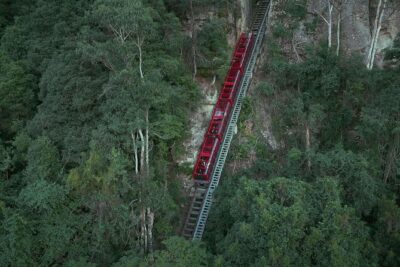
Blue Mountains Small-Group Tour from Sydney with Scenic World,Sydney Zoo & Ferry
Read our review →
Blue Mountains Adventure: Scenic World, Zoo & Koala Photo
Read our review →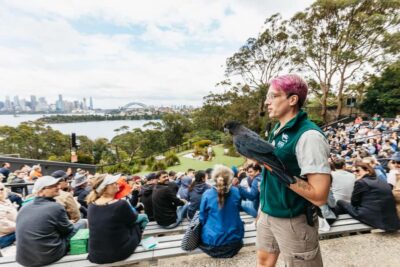
Blue Mountains, Scenic World, Zoo, & Ferry Ride
Read our review →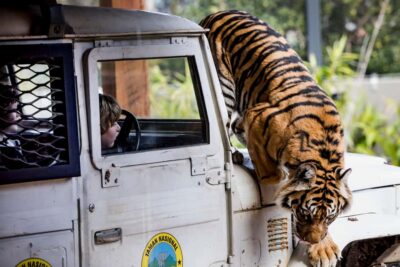
Browse the lists this tour appears in