
Reviewed · DESERT AND OUTBACK TOURS
From Darwin: 3-Day Kakadu and Litchfield 4WD Camping Tour
Ancient rock art, crocodile country, and cool waterfalls make this a serious Top End sampler. This three-day 4WD trip packs Kakadu and Litchfield National Parks into one well-planned loop from Darwin, with a wetland cruise, Aboriginal cultural sites, bush walks, swimming holes, and nights under canvas. I especially like the mix of culture and wild scenery, and I like that park fees, meals, transport, and a guide are included. The catch is the pace: long drives, early starts, hot walks, and basic camping demand good fitness.
The strongest part is the guiding. Bec, Tom, Tim, Naomi, Rick, Emily, and Becks have all been praised for clear commentary, safe driving, humor, and respectful explanations of Aboriginal culture. One thing to watch is the price, $810 per person, plus a possible $40 sleeping bag hire and your extra drinks. It is not the cheapest way to see the parks, but it covers a lot of ground without asking you to arrange a 4WD, permits, camps, meals, and park access yourself.
In This Review
- Key points before you book
- What this three-day Top End trip really offers
- Day one: Corroboree Billabong to Ubirr
- Two nights at Jabiru Campground
- Day two: Kakadu’s waterfalls and rock art
- Day three: Litchfield’s swimming holes
- Guides make or break this experience
- Price, meals, and what you still need to pay
- Fitness, packing, and the people this suits
- Should you book this Kakadu and Litchfield tour?
- FAQ
- Where does the tour depart from?
- How much does the tour cost?
- How long is the tour?
- Is hotel pickup included?
- What accommodation is provided?
- Is a sleeping bag included?
- Which waterfalls will the tour visit?
- How much luggage can I bring?
- Is the tour suitable for children?
Key points before you book
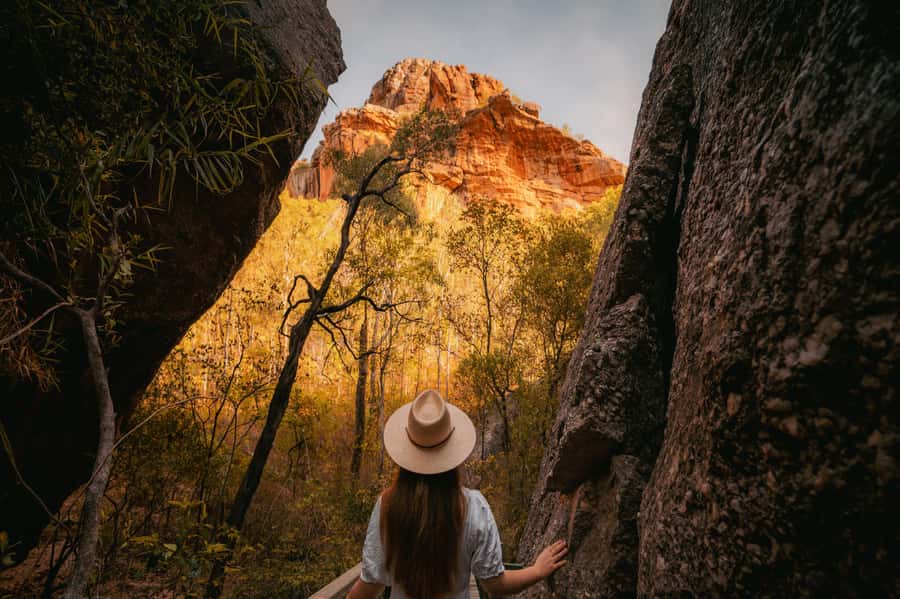
- Ubirr at sunset: See one of Kakadu’s finest rock art areas, then look over the Nadab Floodplain as the light fades.
- Cahills Crossing: Conditions permitting, watch for crocodiles and barramundi near the Kakadu and Arnhem Land boundary.
- Waterfalls depend on conditions: The day may include Jim Jim Falls, Motor Car Falls, Moline Rockhole, or Maguk, with the final choice guided by safety and access.
- Simple but organized camping: You sleep for two nights in permanent tents or Australian bush swags, with communal bathrooms at Jabiru Campground.
- A demanding road schedule: The tour covers about 1,070 kilometers in three days, including a 500-kilometer final day.
- Bring less, not more: Storage is limited to one 15-kilogram travel bag and one 5-kilogram day bag.
What this three-day Top End trip really offers
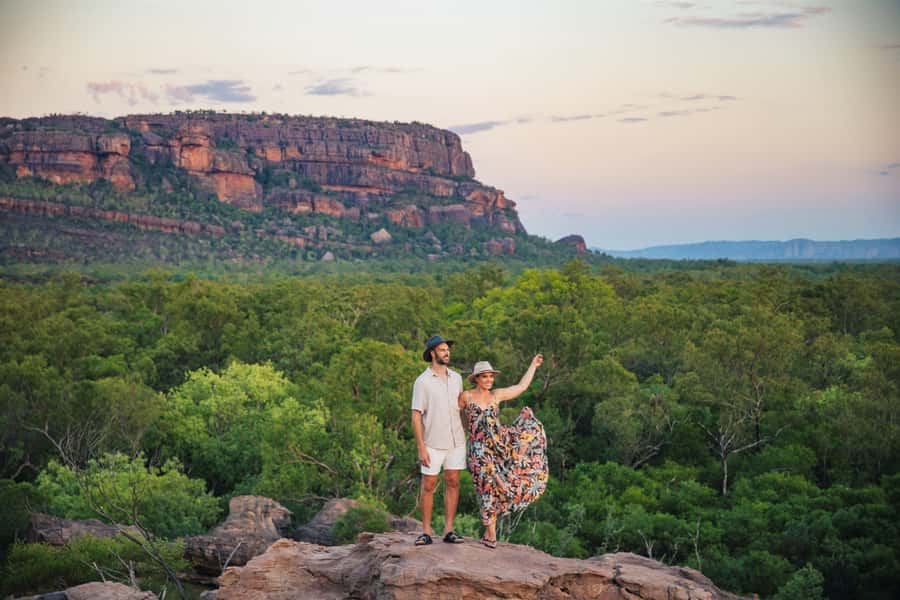
This is not a slow park holiday. It is a concentrated introduction to two huge national parks, built for people who want variety and do not mind spending time on the road.
You leave Darwin at 6:30 a.m. from outside The Leea Darwin on Cavenagh Street. From there, an air-conditioned 4WD off-road bus carries you through the Top End. The vehicle matters because some tracks and access roads are rough, and the air conditioning gives you a break from the heat between walks.
The tour combines several experiences that are hard to organize independently. You get the Corroboree Billabong Wetland Cruise, Kakadu entry fees, guided walks, two nights of camping, six included meals, and an accredited driver-guide. You also get local interpretation at places where simply taking a photograph would tell you very little.
I see the value in that combination. You are paying for access, transport, food, equipment, and time saved on planning. Still, $810 is a substantial price for three days, and the schedule includes basic accommodation rather than a private room. If you want a soft bed, long mornings, or plenty of time at each stop, this is not your trip.
More Outback Tours in Darwin:
- Pinnacles Desert: Sunset BBQ & Stargazing Tour +Sandboarding
★ 4.8 · 1,555 reviews - From Cairns: Daintree Rainforest & Cape Tribulation 4WD Tour
★ 4.6 · 1,521 reviews - Pinnacles Desert Sunset Dinner and Stargazing Tour
★ 5.0 · 1,034 reviews
Day one: Corroboree Billabong to Ubirr
The first day covers about 420 kilometers, so you should expect a full day rather than a gentle introduction. The opening stop is the Corroboree Billabong Wetland Cruise, where you have a chance to spot Top End wildlife from the water.
The cruise gives the day a good start because it introduces the wetland environment before you move into Kakadu proper. Keep your camera ready and listen closely to the guide’s wildlife commentary. The timing can matter. One trip was delayed after the vehicle broke down and reached the cruise late, so a mechanical problem can affect the schedule.
Next comes the Bowali Visitor Center. This is not just a place to stretch your legs. It helps explain Kakadu’s plants, animals, geology, and cultural importance before you visit the rock art sites. I like this order because the later stops make more sense when you have some background first.
After camp, the group heads north toward Cahills Crossing, if conditions allow. The crossing lies at the edge of Kakadu and Arnhem Land and is famous for crocodile sightings. It is also a place where you need to respect barriers, instructions, and changing conditions. This is not a spot for wandering close to the water for a better photograph.
The day’s major cultural stop is Ubirr. A short loop walk of about one kilometer, graded from 2 to 3, leads past a well-preserved collection of Aboriginal rock art. The paintings are part of a living cultural record, not simply old decoration on stone. Your guide’s explanation is important here, especially when discussing how people used the area and how Aboriginal knowledge continues today.
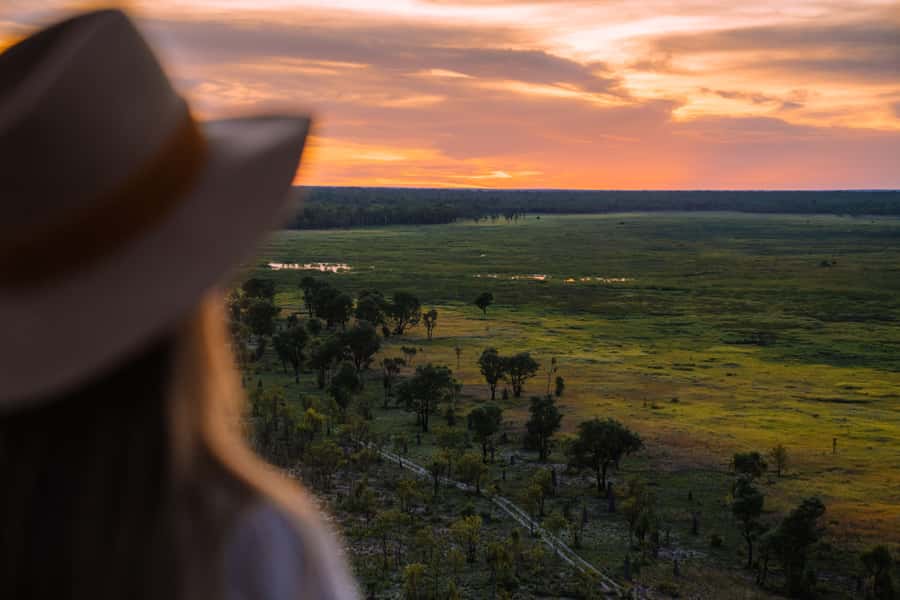
Ubirr’s high point is the sunset view across the Nadab Floodplain. The wide view gives you a memorable sense of Kakadu’s scale, and it rewards the effort of the early start and long drive. After sunset, you return to camp, help prepare dinner, and settle in with the rest of the group.
Two nights at Jabiru Campground
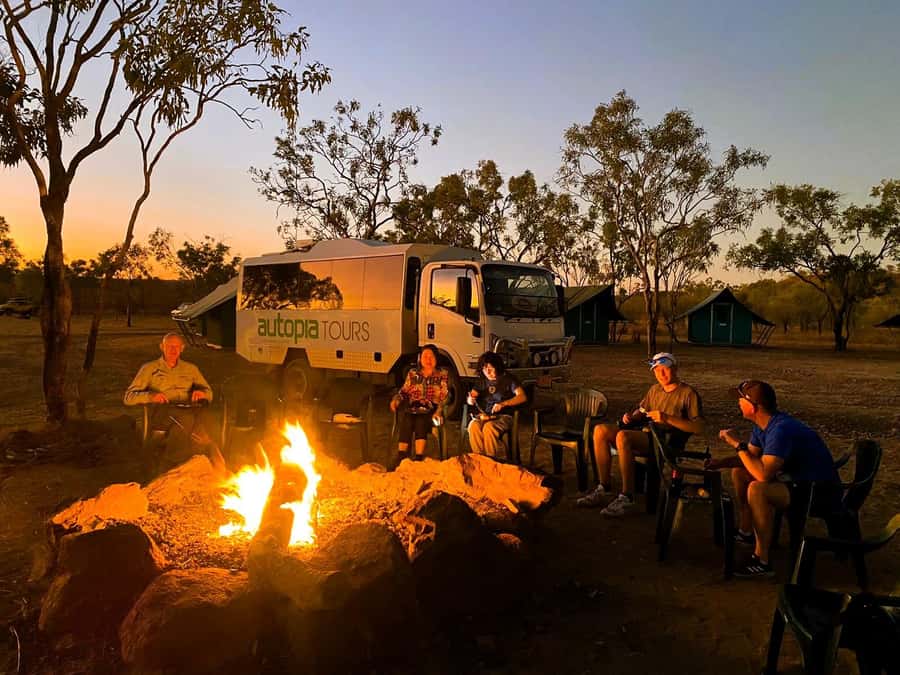
The accommodation is practical camping, not luxury safari lodging. You spend both nights at Jabiru Campground in permanent tents or Australian bush swags, with communal bathroom facilities.
A bush swag is a canvas-covered bed roll. The operator provides a mattress, pillow, fitted sheet, and top sheet for the safari tent option. A sleeping bag is not included, though you can hire one for an additional $40. If you bring your own, pack one suited to the season and the overnight conditions.
One useful detail is that you camp within a caravan park. That gives you a clearer idea of the setup than the phrase bush camp might suggest. Even so, you should expect shared facilities, limited storage, and a simple outdoor routine.
The camping works best if you treat it as part of the experience rather than an inconvenience. You eat dinner together, get to know the group, and sleep close to the bush. But pack carefully. You are limited to one 15-kilogram travel bag and one 5-kilogram day bag, with a small daypack useful for walks.
Day two: Kakadu’s waterfalls and rock art
Day two begins early and focuses on Kakadu’s southern areas. The stated walk range is about 1.5 to 4 kilometers, with grades reaching 5. The total walking across the tour is approximately 9.5 kilometers, often over steep rocky sections, in direct sun and high humidity.
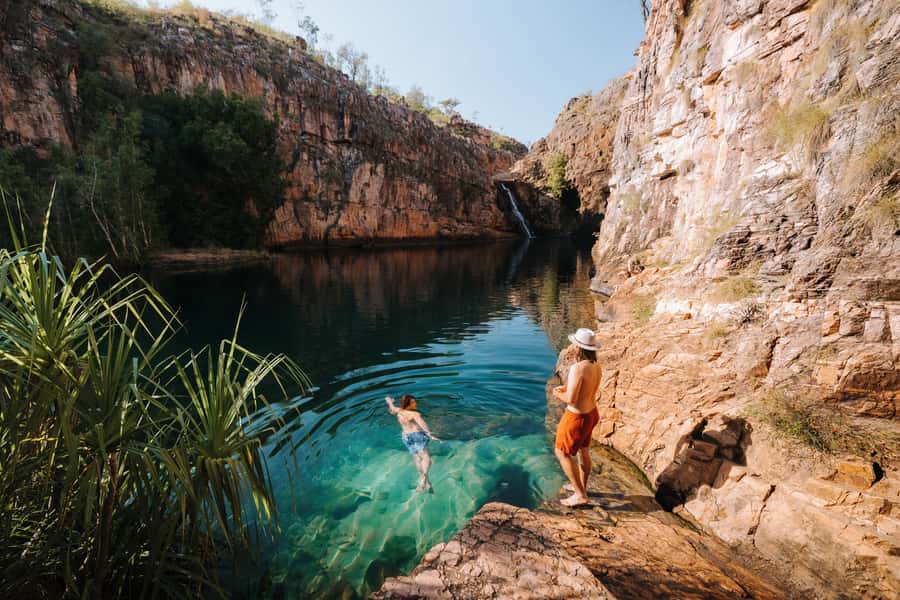
This is the most physically demanding day. You may walk through monsoon rainforest, cross uneven ground, and reach a plunge pool below steep rock walls. The exact stop depends on conditions and access, with possible visits to Motor Car Falls, Moline Rockhole, Maguk, also called Barramundi Gorge, or Jim Jim Falls.
Jim Jim Falls was a favorite for one guest, and it is easy to understand why. The setting combines tall escarpments, rock, water, and forest in one of Kakadu’s most dramatic areas. But you should not book this trip assuming you will definitely swim at Jim Jim Falls. The itinerary is flexible for safety and conditions.
The same applies to swimming. If access and weather cooperate, you may cool off in a pristine plunge pool or rockhole. Carry swimwear, a towel, sunscreen, insect repellent, and quick-dry clothes. A refillable water bottle is essential, and a power bank helps if you use your phone for photographs throughout the day.
Nourlangie Rock may be added if time permits. Like Ubirr, it provides a window into Aboriginal life and art over a very long period, with works dating back more than 20,000 years. The guide can also explain how the area has changed environmentally and culturally.
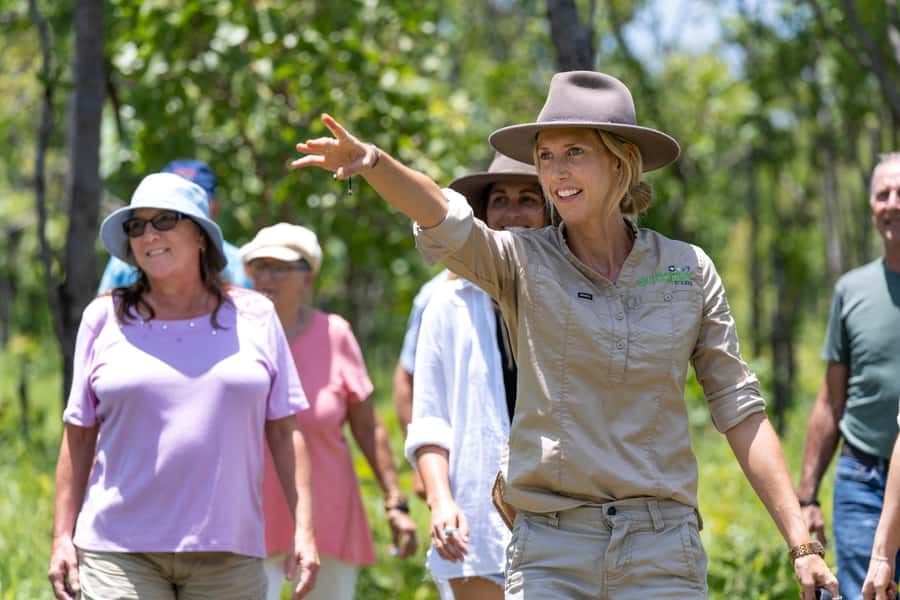
That cultural context is one of the tour’s best features. Several guides have been praised for treating local communities, land, and traditions with care. Bec was especially noted for sharing Aboriginal knowledge in a respectful way through her connections with local communities. You should value this kind of interpretation because it turns a scenic walk into a more meaningful visit.
Back at camp, dinner and a shared evening provide a chance to rest. After a day of rocky walking, you will probably appreciate the early night more than a campfire speech.
A few more options to weigh up in Darwin
- Litchfield National Park and Jumping Crocodile Cruise
★ 5.0 · 2,119 reviews - Adelaide River Cruises – Jumping Crocodile Experience
★ 5.0 · 997 reviews - Sunset 3-Hour Cruise from Darwin with Dinner and Sparkling Wine
★ 5.0 · 980 reviews - From Darwin: Litchfield Park Tour & Jumping Crocodile Cruise
★ 4.9 · 829 reviews
Day three: Litchfield’s swimming holes
The final day takes you from Kakadu toward Litchfield National Park, then back to Darwin. The drive is about 500 kilometers, making it the longest road day of the trip.
Litchfield changes the mood. Instead of Kakadu’s large floodplains and major cultural sites, you get spring-fed streams, sandstone formations, waterfalls, and rock pools. The possible swimming stops include Florence Falls, Buley Rockholes, and Wangi Falls.
Florence Falls is particularly appealing if you want a cool swim in a scenic setting. Buley Rockholes offer smaller pools and flowing water, while Wangi Falls gives you another well-known waterfall setting. The final selection can depend on conditions, time, and safety, so keep your expectations flexible.
The water stops are not only pretty. They are a practical answer to the Top End climate. After hot walks and long drives, a swim can reset your energy. You still need to follow the guide’s instructions, as swimming conditions and access can change.
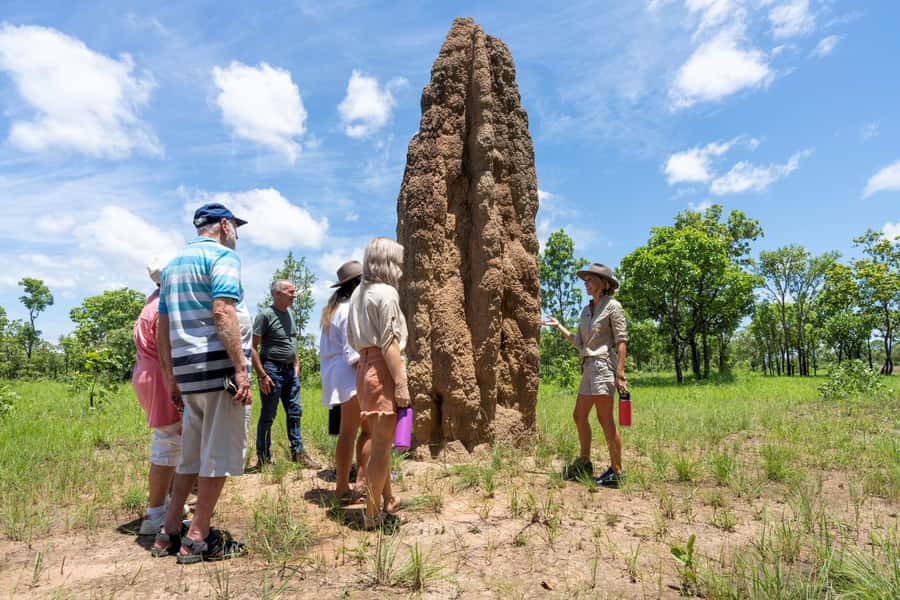
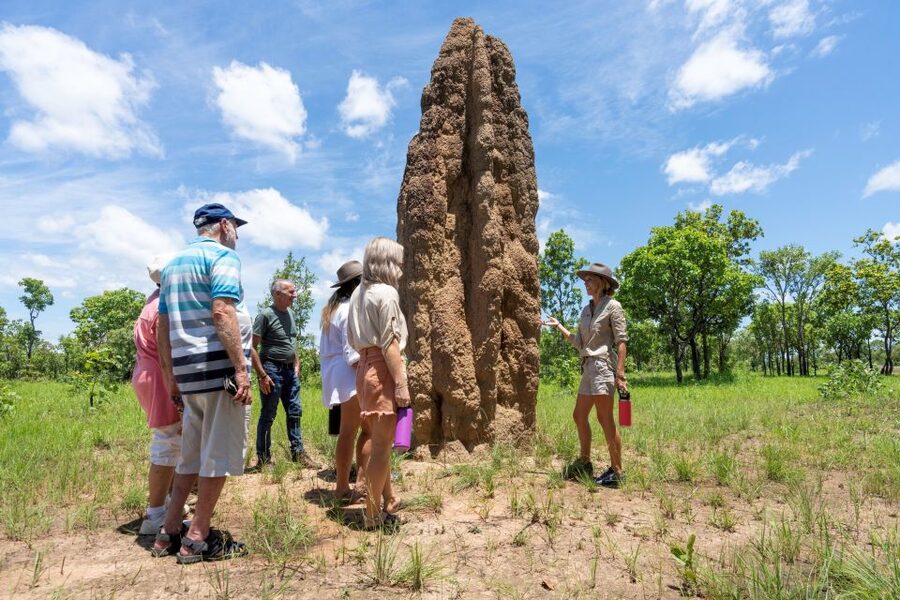
The day also includes Litchfield’s magnetic and cathedral termite mounds. These tall structures are easy to dismiss as roadside curiosities, but they show how termites respond to sun, heat, and orientation. Your guide can help you understand why the mounds look so different from one another.
You arrive back in Darwin at about 7 p.m. That late finish matters if you have a flight or a separate booking that evening. I would leave a buffer and avoid scheduling anything important immediately afterward.
Guides make or break this experience
The guide is central to the value here because the trip involves long drives, changing conditions, safety decisions, and cultural interpretation. The strongest feedback has praised guides for being funny, thoughtful, energetic, safe, and willing to stop for photographs.
Tom was praised for explaining Northern Territory history in a way that worked for different ages. Rick was described as a safe driver who offered to take photographs. Naomi was singled out for her energy and clear explanations, while Tim’s commentary was praised for showing respect for the land, people, and culture.
That matters more than it may sound. With so much time in the vehicle, a quiet or careless guide would make the trip feel much longer. A strong guide helps you understand what you are seeing, keeps the group moving, and decides when a walk or swimming stop is sensible.
The transport rating is also strong, with 90 percent of ratings giving it a perfect score. Still, no vehicle is immune to trouble. One trip began with a breakdown and a long wait for a replacement bus. That was an unfortunate delay, not a reason to reject the tour, but it is a reminder that remote-area schedules can change.
Price, meals, and what you still need to pay
At $810 per person, the tour costs more than a basic transport-only outing. The price includes two nights of campsite accommodation, two breakfasts, three lunches, two dinners, park entry fees, the wetland cruise, a driver-guide, guided walks, and 4WD transport.
That package has real value if you are visiting Darwin without your own vehicle. Hiring a suitable 4WD, paying park fees, finding permitted camping, planning meals, and reaching remote sites can quickly become complicated. Here, those pieces are handled for you.
The price feels less attractive if you already have a vehicle, camping gear, and experience in the parks. You also need to budget for extra food and drinks, a sleeping bag if required, and travel insurance. One guest felt the operator was expensive compared with other Australian tour companies, so price-sensitive visitors should compare the inclusions carefully rather than looking only at the headline figure.
Meals are included as listed, but additional snacks and drinks are not. Bring a reusable bottle and some personal supplies within the baggage limit.
Fitness, packing, and the people this suits
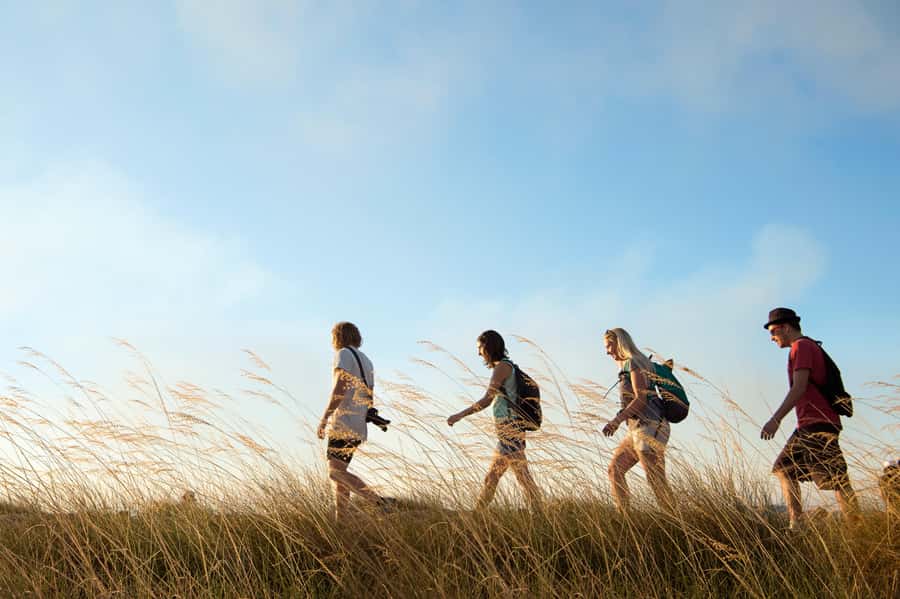
You need a moderate to advanced level of fitness. Walks range from 2 to 4 kilometers on individual days, and some sections are steep, rocky, sunny, and humid. The guide can decide whether a walk is safe, so the advertised stops are not a promise that every person will complete every route.
This tour is not suitable for people with low fitness, mobility impairments, or children aged seven and under. Children aged 8 to 17 must stay with an adult or legal guardian. People over 70 need a doctor’s certificate 30 days before travel.
Wear closed-toe hiking shoes, breathable clothing, and quick-dry layers. Add a hat, sunglasses, sunscreen, rain gear, insect repellent, toiletries, medication, a flashlight, and a charged phone. The list looks long because the climate and camping conditions can shift, but most items are small and useful.
You should also arrive at the Darwin meeting point before 6:30 a.m. Hotel pickup and drop-off before or after the trip are not included. Free cancellation is available up to 14 days before departure for a full refund.
Should you book this Kakadu and Litchfield tour?
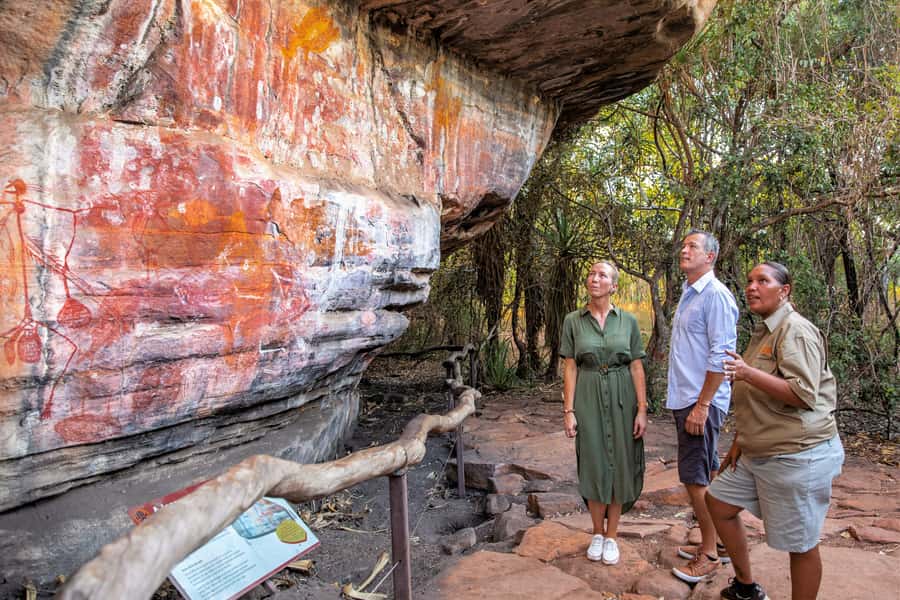
I would book it if you have only three days, want the major highlights of both parks, and prefer a guide to handling the driving and logistics. The combination of Ubirr, Cahills Crossing, a wetland cruise, Kakadu waterfalls, Litchfield swimming holes, and termite mounds gives you a broad and worthwhile introduction.
I would skip it if you dislike communal camping, cannot manage steep walks, or want guaranteed access to one particular waterfall. I would also compare prices if you already own a 4WD and camping equipment.
For the right person, this is a busy but rewarding trip. Go with flexible expectations, pack light, bring a sleeping bag or budget for the hire fee, and leave room in your schedule after the 7 p.m. Darwin return. The best reason to choose it is not simply the number of stops. It is the chance to see these places with guides who can connect wildlife, Aboriginal culture, geology, and local history into one clear story.
FAQ
Where does the tour depart from?
The meeting point is outside the front gates of The Leea Darwin at 64 Cavenagh Street, Darwin City. Departure is at 6:30 a.m., and you should arrive before that time.
How much does the tour cost?
The listed price is $810 per person.
How long is the tour?
The experience lasts three days and includes two nights of camping.
Is hotel pickup included?
No. Hotel pickup before the tour and drop-off after the tour are not included.
What accommodation is provided?
You stay at Jabiru Campground in permanent tents or Australian bush swags. Communal bathroom facilities are provided.
Is a sleeping bag included?
No. A sleeping bag is not included, but the tour operator offers sleeping bag hire for an additional $40.
Which waterfalls will the tour visit?
Possible Kakadu stops include Motor Car Falls, Moline Rockhole, Maguk, and Jim Jim Falls. In Litchfield, possible swimming stops include Florence Falls, Buley Rockholes, and Wangi Falls. Conditions and safety determine the final choices.
How much luggage can I bring?
Storage is limited to one 15-kilogram travel bag and one 5-kilogram day bag. Oversize luggage is not allowed.
Is the tour suitable for children?
The tour is not suitable for children aged seven and under. Children aged 8 to 17 must be accompanied by an adult or legal guardian at all times.
Just added in Darwin
- LookAbout Darwin Wetlands Wildlife Premium Tour Max 6 Guests★ 4.9 · 72 reviews
- Litchfield National Park: Full-Day & Lunch from Darwin★ 4.6 · 205 reviews
- Darwin: Premium Litchfield Regional Small Group Day Tour★ 4.6 · 61 reviews
- From Darwin: Litchfield National Park Small-Group Day Trip★ 4.7 · 131 reviews
- Katherine Gorge & Edith Falls Full-Day Tour from Darwin★ 4.6 · 250 reviews
- Darwin: Kakadu & Nourlangie Day Trip Plus Billabong Cruise★ 4.3 · 166 reviews
- Jumping Crocodile Cruise from Darwin Half-Day Scenic Trip★ 4.5 · 80 reviews
- Darwin: Adelaide River Half-Day Jumping Crocs Cruise★ 4.3 · 130 reviews
Desert and Outback Tours, compared.
Pinnacles Desert: Sunset BBQ & Stargazing Tour +Sandboarding
Read our review →
Daintree Rainforest & Cape Tribulation 4WD Tour
Read our review →
Pinnacles Desert Sunset Dinner and Stargazing Tour
Read our review →
Dingos 3 Day K’Gari (Fraser Island) 4WD Tag-Along Tour
Read our review →
Drover’s Sunset Cruise includes Smithy’s Outback Dinner and Show
Read our review →
Port Stephens: Unlimited Sandboarding & 4WD Sand Dune Tour
Read our review →Browse the lists this tour appears in