
Reviewed · BOAT TRIPS IN DARWIN
Darwin Harbour Cruise
Darwin Harbour tells big stories quickly. I like the one-hour format, which gives you a useful look at the city from the water without taking half a day, and I like the mix of mangroves, wartime history, fishing, pearling, and Defence activity. The possible catch is the sandbar stop: it depends on the tide, weather, and minimum numbers, so the outing can change from one departure to another.
I also like that Sea Darwin, a Sea Tiwi initiative, connects the cruise with Larrakia heritage and local marine life rather than treating the harbour as scenery alone. The boat is described as comfortable, and the crew keeps the hour moving with clear explanations. At $46 per person, this is good value if you want context as well as views, though it is less appealing if you expect a long wildlife trip or a full meal on board.
In This Review
- Key points to know before boarding
- Setting out from 7 Stokes Hill Road
- The first minutes on Darwin Harbour
- Mangroves, birds, and the harbour’s natural side
- The sandbar stop and tide-dependent timing
- Darwin’s wartime harbour and hidden wrecks
- Cyclone Tracy and Darwin’s recovery
- Fisherman’s Wharf and the pearling fleet
- Industry and Coonawarra Navy Base
- Larrakia heritage and Sea Tiwi’s role
- How much value do you get for $46?
- Who should choose this cruise?
- Simple planning advice for the day
- Should you book the Darwin Harbour Cruise?
- FAQ
- Where does the Darwin Harbour Cruise depart?
- How long does the cruise last?
- What language is the tour conducted in?
- Is the sandbar visit guaranteed?
- What will I see during the cruise?
- Is food included?
- Can I cancel the booking?
Key points to know before boarding
- A one-hour harbour introduction: You see Darwin from the water, then return to the same departure point at 7 Stokes Hill Road.
- The sandbar depends on nature: When the tide is right, you may step ashore for photographs and a close look at the harbour.
- History comes through the scenery: The route covers Cyclone Tracy, wartime activity, shipwrecks, and Darwin’s recovery.
- Mangroves add a natural side: A mangrove waterway may replace or accompany the sandbar depending on conditions.
- Working Darwin is part of the view: You pass fishing and pearling areas, industry, and Coonawarra Navy Base.
- Strong praise for the commentary: The guides keep the explanations interesting throughout the short cruise, with a 4.9 rating from 28 reviews.
Setting out from 7 Stokes Hill Road
The cruise begins at 7 Stokes Hill Road, a practical spot for a short harbour trip. You should arrive about 10 minutes before departure, since the boat returns to this same point after the one-hour circuit.
There is no hotel pickup or drop-off, so you need to make your own way to the meeting point. That is not a serious drawback in a central Darwin visit, but it matters if you have planned a tightly timed day or are staying well outside the city.
The outing uses a live English-speaking guide rather than relying on an audio recording. I prefer that arrangement here because Darwin Harbour has too many stories to reduce to a simple list of sights. The guide can connect what you see on the water with the events that shaped the shore.
Wear comfortable clothes and shoes. The advice sounds basic, but it is useful if you step onto the sandbar. You should also allow for changing weather, since departures depend on favorable conditions and minimum numbers.
More Boat Trips in Darwin
- Litchfield National Park and Jumping Crocodile Cruise
★ 5.0 · 2,119 reviews - Adelaide River Cruises – Jumping Crocodile Experience
★ 5.0 · 997 reviews - Sunset 3-Hour Cruise from Darwin with Dinner and Sparkling Wine
★ 5.0 · 980 reviews
The first minutes on Darwin Harbour
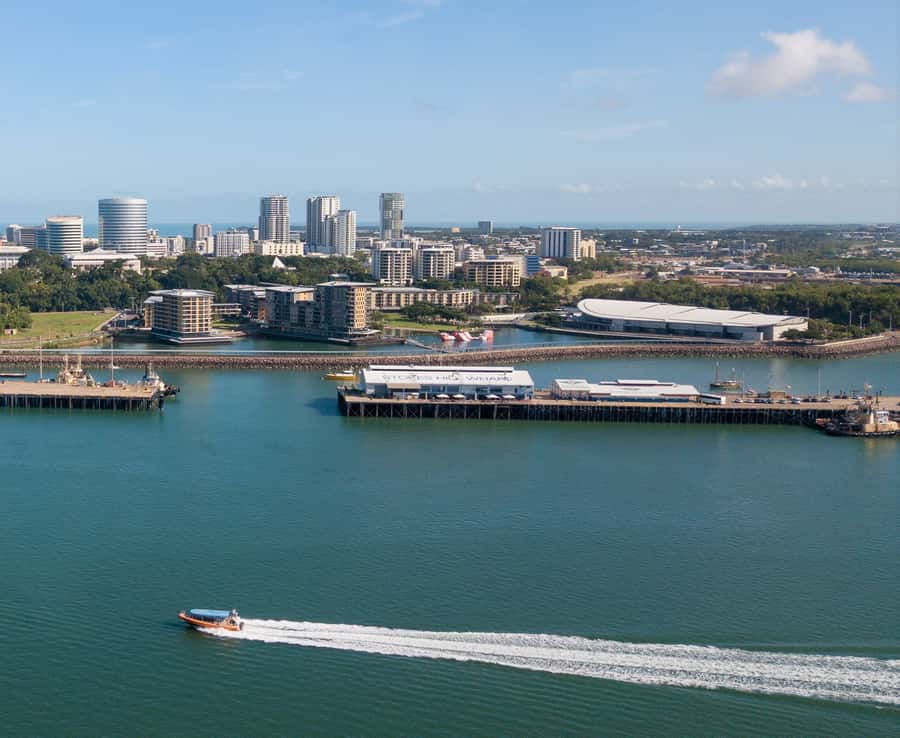
Once the boat leaves the starting point, the city begins to make more sense. From land, Darwin Harbour can appear to be a wide stretch of tropical water. From the boat, you see how many different roles it plays at once.
The commentary introduces general harbour activity, both past and present. That broad approach suits a first visit. Instead of focusing only on one subject, the guide helps you read the shoreline as a working port, a natural habitat, a military setting, and a place of cultural importance.
I especially like the view back toward Darwin. One of the best parts of a boat trip is the change in perspective. Streets, buildings, wharves, and the coast form a single picture, and you can understand the city’s position beside the water more clearly.
The cruise is not presented as a quiet, empty-water outing. You should expect a working harbour, with industrial and Defence activity included in the route. That gives the trip more substance, although anyone looking only for untouched nature may find the mixture less peaceful than a dedicated wildlife cruise.
Mangroves, birds, and the harbour’s natural side
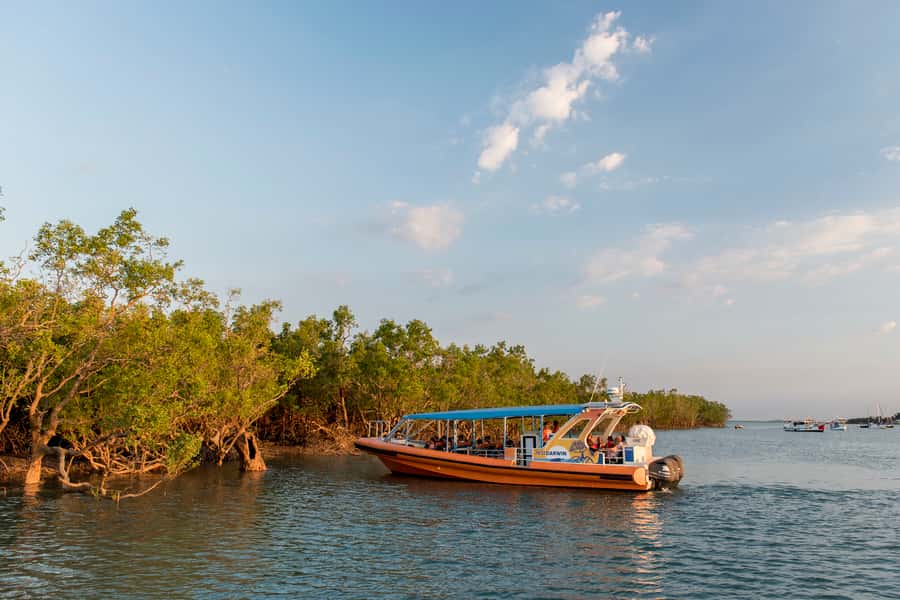
Mangroves are a key part of the Darwin Harbour experience. These tidal forests protect the shoreline, support marine life, and provide habitat for birds and other animals. From a boat, you get a close view of this unusual edge between land and water.
The route may take you into a mangrove waterway. The exact visit depends on conditions, but the possibility adds variety to the hour. Rather than spending the whole cruise in open water, you may move into a narrower setting where the plants and tidal channels become the main subject.
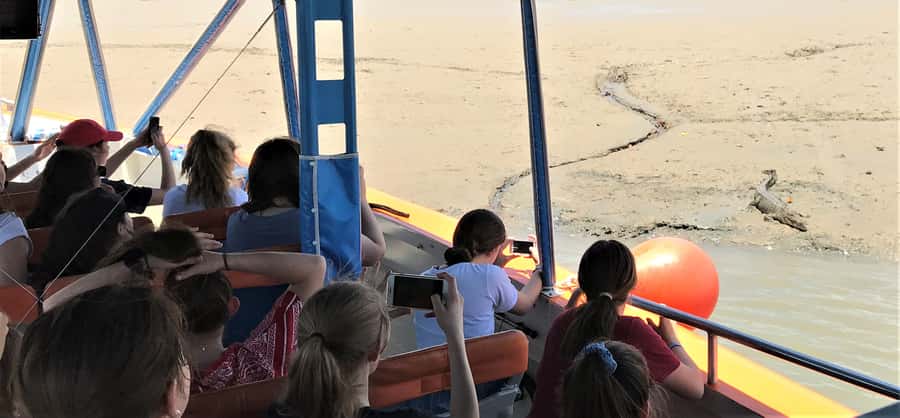
You might spot birds or other marine life, but this is not sold as a guaranteed animal-viewing trip. I would bring your curiosity rather than a checklist. The guide’s explanations and the changing setting matter as much as any sighting.
This portion will suit you if you enjoy seeing how an ecosystem works. It is less suitable if you need guaranteed wildlife encounters or a long period to photograph animals. The cruise is short, and the harbour has several subjects competing for your attention.
The sandbar stop and tide-dependent timing
When tidal conditions permit, the boat visits an iconic sandbar. This can be the most memorable part of the outing because you are not simply looking at the harbour from a seat. You may step onto the sand, take photographs, and experience the water from a very different level.
The sandbar is also the clearest reminder that this is a tidal environment. It may be available on one departure and not on another. Weather, tide, and minimum numbers can affect the plan, so you should not book the cruise solely for this stop.
Comfortable shoes are important here. You do not need special equipment, but footwear that handles a short walk and wet surroundings will make the stop easier. The sandbar also gives photographers a chance to capture open water, the city shoreline, and the boat itself in one frame.
I would treat the sandbar as a bonus, not a promise. If the conditions do not allow a landing, the cruise still covers the city, mangroves, harbour activity, and major historical subjects. That flexible design protects the experience from becoming a disappointment when nature changes the schedule.
A completely different kind of day out:
- From Darwin: Litchfield Park Tour & Jumping Crocodile Cruise
★ 4.9 · 829 reviews - Charles Darwin Dinner Cruise
★ 4.5 · 820 reviews - Kakadu Day Tour from Darwin with Offroad Dreaming
★ 5.0 · 776 reviews - Cape Adieu Darwin Sunset Dinner Cruise
★ 5.0 · 750 reviews
Darwin’s wartime harbour and hidden wrecks
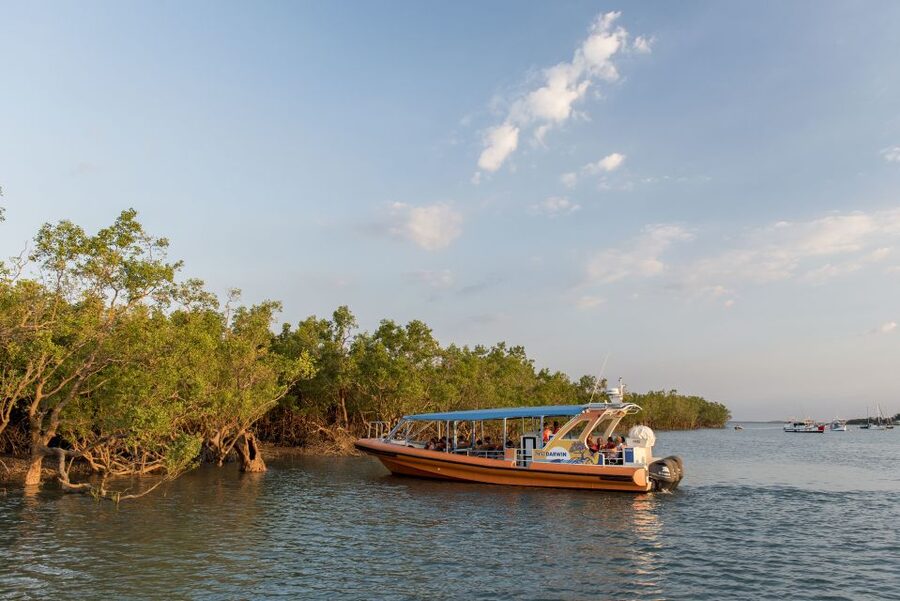
Darwin Harbour carries the memory of wartime attacks and the ships that were lost beneath its surface. During the cruise, you hear about World War II shipwrecks and the harbour’s role during that period.
These stories work well from the water because the setting is part of the explanation. You are not hearing about distant events in a museum room. You are looking across the same harbour where military and shipping activity once took place.
The guide also places modern Darwin beside its wartime past. That contrast is valuable. You see a functioning city and active port, while the commentary points to the danger and disruption that once reached this shoreline.
The wrecks are not presented as a dive trip, and you should not expect to see them clearly beneath the boat. Their value here is historical. The cruise gives you a sense of what happened and where, rather than offering an underwater viewing experience.
Cyclone Tracy and Darwin’s recovery
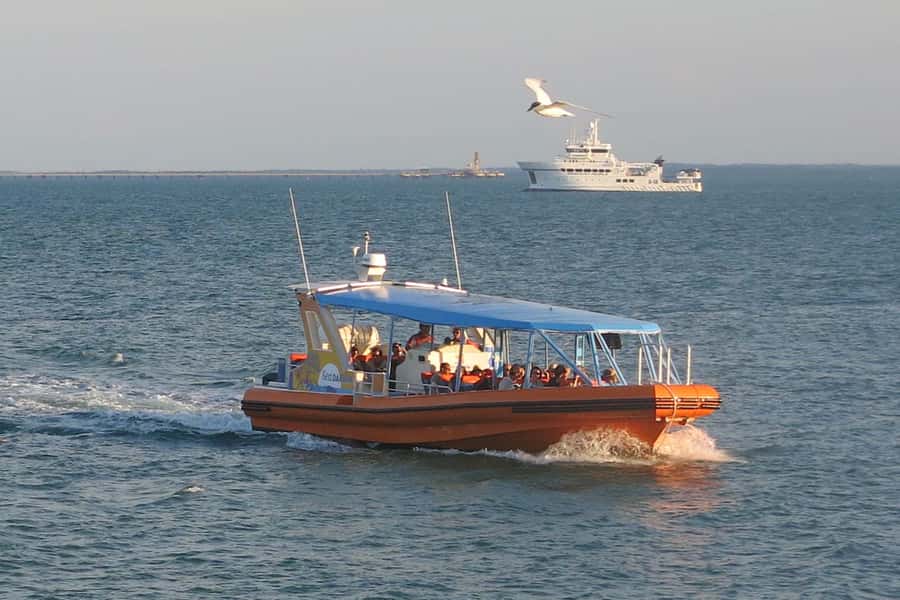
Cyclone Tracy is another major part of the commentary. The cyclone devastated Darwin in 1974, and its effects changed the city’s buildings, population, and future planning.
Hearing this story while looking at the city from the harbour makes it easier to grasp the scale of the event. You can think about how exposed a coastal city is, then consider the resilience required to rebuild and continue.
I appreciate that the cruise links disaster with recovery instead of stopping at tragedy. Darwin’s story is not only about what was destroyed. It is also about how the city adapted and remains connected to the sea.
This section may be more serious than the wildlife and sandbar portions, but it gives the outing emotional weight. If you prefer a purely light sightseeing trip, some of the historical commentary may feel more detailed than expected. For me, that balance makes the hour more worthwhile.
Fisherman’s Wharf and the pearling fleet
The cruise passes Fisherman’s Wharf, a useful stop in the story of Darwin’s working waterfront. This is tied to the Top End fishing and pearling fleet, so you gain a look at industries that helped shape the harbour’s identity.
That context matters because the shoreline is not just built for visitors. Boats, wharves, and marine facilities support people who work on the water. Seeing those areas from a cruise gives you a better sense of Darwin as a northern port with its own local economy.
The pearling connection adds another layer. It points to the wider waters around the Top End and the industries that depend on them. The guide’s commentary helps turn a passing view of a wharf into a story about work, trade, and the region.
You may find this especially useful if you have already seen Darwin’s main city sights and want something tied to local life. It also suits families because the subject changes quickly, from fishing to pearling to wartime events, without requiring a long attention span.
Industry and Coonawarra Navy Base
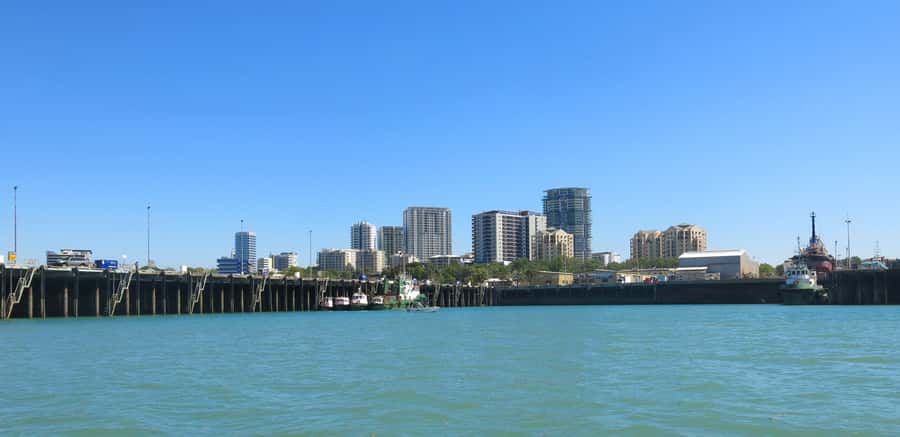
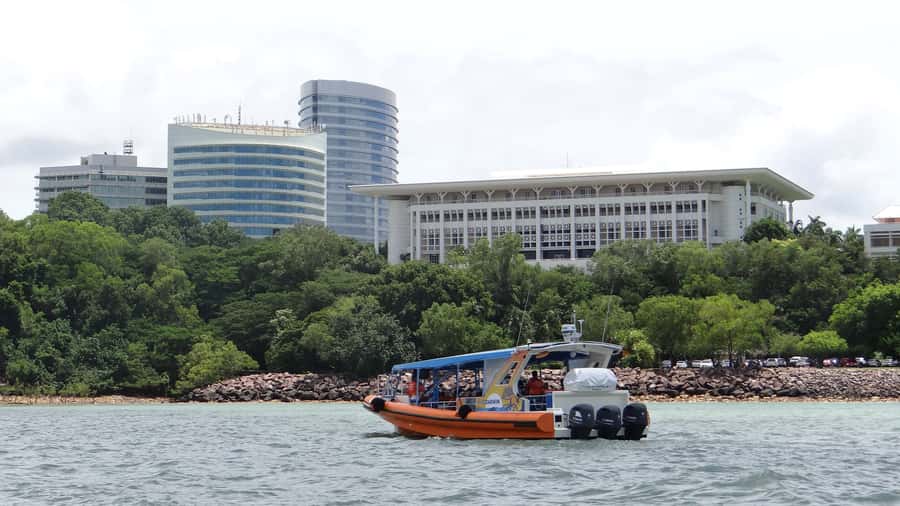
Darwin Harbour remains important today. The cruise shows modern industrial activity and passes Coonawarra Navy Base, bringing current Defence activity into the picture.
This is one of the route’s strengths. You see that the harbour is not a preserved historic backdrop. It is still a gateway for shipping, industry, and national Defence operations.
The view of Coonawarra Navy Base is from the water, and you should follow the guide’s instructions about what can be observed or photographed. The purpose is to understand the harbour’s present role, not to expect a tour inside a military facility.
Some people may prefer scenery without industrial or Defence subjects. I think the contrast makes Darwin more interesting. A harbour can be beautiful and useful at the same time, and this cruise does not pretend otherwise.
Larrakia heritage and Sea Tiwi’s role
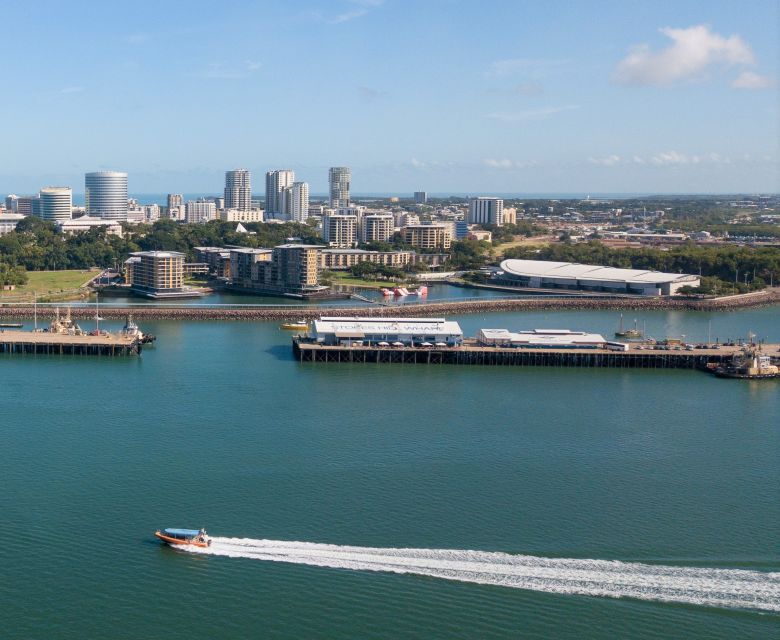
The experience includes an introduction to the heritage of the Larrakia people, the Traditional Owners of the Darwin area. This cultural context is important because the harbour’s story began long before modern wharves, naval bases, or city streets.
The cruise is operated by Sea Darwin, a Sea Tiwi initiative. That gives the outing a local connection and supports a style of interpretation that includes culture, place, and the natural environment.
I value this part because it helps you look beyond the built shoreline. The water is not simply a route for boats. It is part of a living cultural setting, and the commentary gives that fact a place in the tour.
The cultural introduction is one part of a wider hour, not a long standalone cultural program. If you want an in-depth Larrakia cultural tour, you should seek a more specialized experience. If you want a respectful introduction woven into a harbour trip, this format makes sense.
How much value do you get for $46?
At $46 per person, the cruise sits in a reasonable range for a guided city experience lasting one hour. You are paying for the boat ride, live commentary, and access to viewpoints that you cannot get from the shore.
The value is strongest if you want an orientation to Darwin. In one compact trip, you cover natural habitat, the city seascape, Cyclone Tracy, World War II, Fisherman’s Wharf, pearling, industrial activity, and Coonawarra Navy Base.
The value is weaker if you measure a tour only by time on the water. One hour passes quickly, and food and drinks are not included. You also do not get hotel transport, so the price does not cover a complete door-to-door outing.
I would book it early in a Darwin stay. The cruise can help you decide which parts of the harbour or city deserve more attention later. It also works well near the start of a trip because the commentary gives you useful background for other sightseeing.
Who should choose this cruise?
I would recommend the cruise to you if you enjoy a mix of nature, local culture, history, and city views. It is particularly well suited to first-time visitors who want a quick orientation without committing to a full-day excursion.
Families may like the changing pace. The boat moves through different parts of the harbour, the guide keeps the hour active, and the possible sandbar landing adds a physical break from sitting.
It also suits people with limited time. The trip starts and finishes at 7 Stokes Hill Road, lasts one hour, and does not require a long transfer outside Darwin.
You may want to choose something else if your main goal is a long wildlife safari, a meal on the water, or an in-depth military tour. This is a short general harbour cruise, not a specialist expedition.
The high score of 4.9 from 28 ratings reflects the parts that matter most here: clear explanations, an enjoyable pace, a comfortable boat, and a strong sense of place. Praise centers on the guides keeping the history interesting for the full hour, plus the pleasure of seeing Darwin from offshore.
Simple planning advice for the day
Arrive 10 minutes before departure. That small buffer helps you avoid rushing and gives the crew time to prepare the departure.
Wear comfortable clothes and shoes. If the tide allows a sandbar visit, you will be glad you are dressed for movement rather than for a formal city outing.
Food and drinks are not included, so plan them separately. For a one-hour trip, this is easy to manage, but do not assume refreshments are part of the boat service.
Keep your schedule somewhat flexible. The cruise depends on favorable weather and minimum numbers, while the sandbar depends on the tide. Free cancellation is available up to 24 hours before departure for a full refund, and you can reserve now and pay later if you need to keep plans open.
Should you book the Darwin Harbour Cruise?
I would book this cruise if you want a compact, well-explained introduction to Darwin’s waterway. The combination of Larrakia heritage, mangroves, the possible sandbar stop, Cyclone Tracy, World War II shipwrecks, pearling, industry, and Coonawarra Navy Base gives the hour real range.
Book it with sensible expectations. You may not land on the sandbar, you will not receive food or hotel transport, and the trip is too short for a detailed specialist tour. But at $46, it offers a practical way to see Darwin from a new angle and understand why the harbour still matters.
FAQ
Where does the Darwin Harbour Cruise depart?
The cruise starts at 7 Stokes Hill Road in Darwin and returns to the same location after the harbour trip.
How long does the cruise last?
The cruise lasts one hour.
What language is the tour conducted in?
The tour is conducted in English with live commentary from a guide.
Is the sandbar visit guaranteed?
No. The sandbar visit is available when tidal conditions permit. Weather and minimum numbers can also affect the tour.
What will I see during the cruise?
You cruise around Darwin Harbour and may see mangroves, birds, marine life, Darwin’s city shoreline, Fisherman’s Wharf, industrial activity, and Coonawarra Navy Base. The commentary also covers World War II shipwrecks, Cyclone Tracy, fishing, pearling, and Larrakia heritage.
Is food included?
No. Food and drinks are not included.
Can I cancel the booking?
Yes. You can cancel up to 24 hours before departure for a full refund. You can also reserve now and pay later.
Just added in Darwin
- LookAbout Darwin Wetlands Wildlife Premium Tour Max 6 Guests★ 4.9 · 72 reviews
- Litchfield National Park: Full-Day & Lunch from Darwin★ 4.6 · 205 reviews
- Darwin: Premium Litchfield Regional Small Group Day Tour★ 4.6 · 61 reviews
- From Darwin: Litchfield National Park Small-Group Day Trip★ 4.7 · 131 reviews
- Katherine Gorge & Edith Falls Full-Day Tour from Darwin★ 4.6 · 250 reviews
- Darwin: Kakadu & Nourlangie Day Trip Plus Billabong Cruise★ 4.3 · 166 reviews
- Jumping Crocodile Cruise from Darwin Half-Day Scenic Trip★ 4.5 · 80 reviews
- Darwin: Adelaide River Half-Day Jumping Crocs Cruise★ 4.3 · 130 reviews
Boat Trips in Darwin, compared.
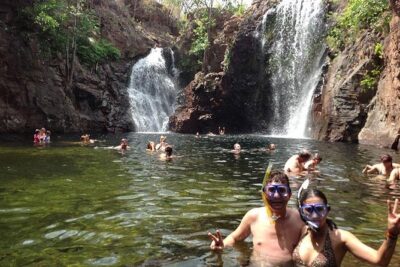
Litchfield National Park and Jumping Crocodile Cruise
Read our review →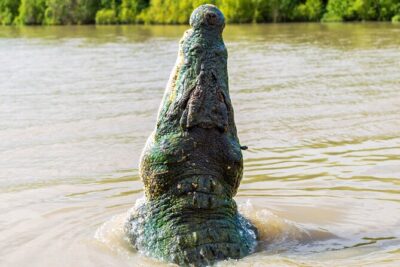
Adelaide River Cruises – Jumping Crocodile Experience
Read our review →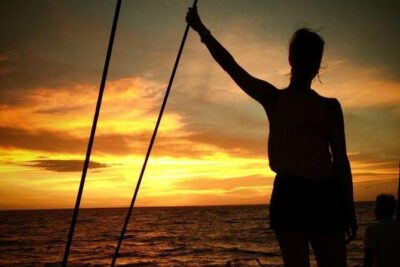
Sunset 3-Hour Cruise from Darwin with Dinner and Sparkling Wine
Read our review →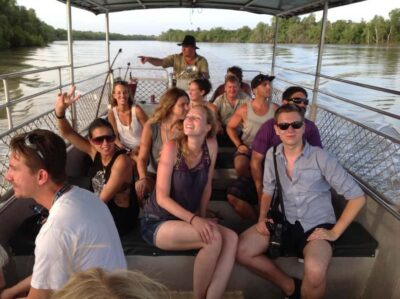
Litchfield Park Tour & Jumping Crocodile Cruise
Read our review →
1 Day Corroboree Billabong Wetland Experience including 2.5 hour cruise + lunch
Read our review →Browse the lists this tour appears in