
Reviewed · FARMS
Bundaberg: Monsoon Aquatics Coral Farm Guided Tour
Coral farming turns reef care into a close-up lesson. Monsoon Aquatics’ one-hour tour gives you a rare look inside a working coral farm, with more than 70,000 corals and 200 marine species from around Australia. I especially like the hands-on look at coral growing and the guides’ clear, friendly way of explaining marine science. The main consideration is that this is an educational farm tour, not a large public aquarium, so the setting is mostly growing tanks rather than grand displays.
I also like the tour’s small-group feel, which gives you room to ask questions and watch demonstrations without being rushed. Families can enjoy it, but very young children may find the focus on tanks, tiles, and coral cultivation less exciting than a traditional aquarium. Closed-toe, non-slip shoes are essential because the floors can be slippery.
In This Review
- What makes the Monsoon Aquatics tour worth an hour
- Arriving at the Port of Bundaberg coral farm
- The first look at 70,000 growing corals
- Watching coral feeding in real time
- The science and hope behind reef restoration
- Finishing with clownfish and marine life
- Why the guide makes such a difference
- Is the $22 price good value?
- Who will enjoy this tour most?
- A simple way to fit it into your day
- My verdict on this Bundaberg coral farm visit
- FAQ
- How long does the Monsoon Aquatics Coral Farm tour last?
- How much does the tour cost?
- Where do I meet the guide?
- How far is the coral farm from central Bundaberg?
- What shoes should I wear?
- Can I bring food or drinks?
- Is the tour wheelchair accessible?
What makes the Monsoon Aquatics tour worth an hour
- 70,000 corals in one working farm: See coral at different stages of growth rather than only finished reef displays.
- A real coral-feeding demonstration: Watch how the farm cares for its coral and learn why feeding matters.
- Research with a reef-restoration purpose: The work supports coral reproduction and offers a hopeful look at reef care.
- 200 marine species from around Australia: The collection reflects the broad reach of Australia’s coastline.
- A family-friendly clownfish finale: Finish with the farm’s much-loved clownfish collection, including fish that will remind children of Nemo.
- A practical Bundaberg outing: The farm is about 20 minutes from central Bundaberg, with onsite parking and year-round tours.
Arriving at the Port of Bundaberg coral farm
Monsoon Aquatics Coral Farm sits at the Port of Bundaberg on the Burnett River, about 20 minutes from the center of Bundaberg. That short drive makes this an easy addition to a Bundaberg day, especially if you want something indoors and educational rather than another long outdoor activity.
Use Apple Maps or Google Maps for directions. Older car GPS systems may send you to the wrong address, which is exactly the kind of small travel nuisance that can turn a relaxed morning into a hunt around an industrial area.
Car and RV parking is available onsite. Caravan parking is outside the gate. When you arrive, meet your guide on the veranda at Monsoon Aquatics Coral Farm. This is not a self-guided wander, so arriving at the meeting point on time matters.
The tour runs throughout the year, rain or shine. That gives you a useful backup for wet Bundaberg weather, and the farm’s indoor setting means the experience does not depend on sunshine.
A few more options to weigh up in Australia
- Amazing Yarra Valley Wine Tour + Chocolate, Farm Fresh, Gin
★ 5.0 · 1,566 reviews - Hidden Gems: Boutique Full-Day Wine, Farm & Lunch Tour
★ 5.0 · 881 reviews - Melbourne: Yarra Valley Wine, Choc, Farm Fresh, Gin Tour
★ 4.9 · 258 reviews
The first look at 70,000 growing corals
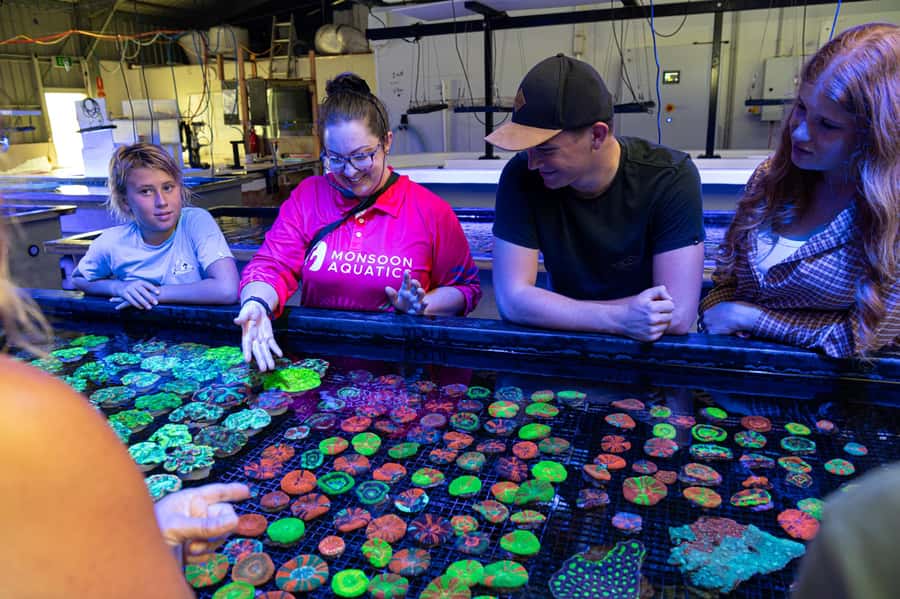
The tour begins with the basic question: how do you grow coral away from a natural reef? You will see the working side of coral care, including tanks holding coral at different sizes and stages of development.
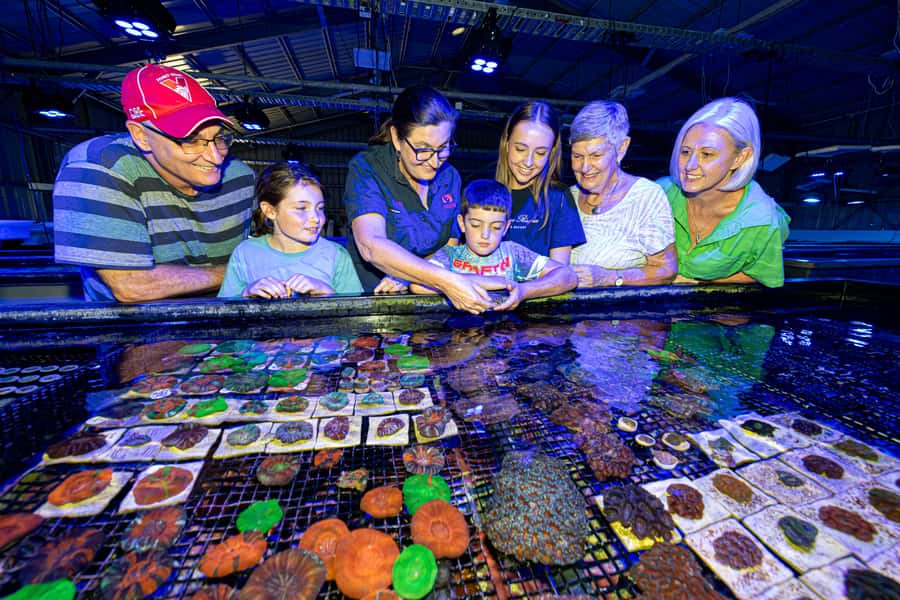
This is where the experience differs from an aquarium visit. In a public aquarium, you usually see finished habitats designed for viewing. Here, you see the process behind coral cultivation. Small pieces of coral grow on little tiles, and the collection may look more like a marine laboratory or production facility than a polished exhibit.
That practical setting is part of the appeal. You can understand that reef restoration is not simply a matter of placing coral underwater and hoping for the best. Coral needs careful conditions, regular attention, and a team that understands how to reproduce and nurture it.
The tour gives you a chance to see more than 70,000 corals, along with 200 marine species sourced from around Australia’s long coastline. The range helps show that coral is not one single type of colorful decoration. It is a broad group of animals with different forms, needs, and growth patterns.
The guide explains the collection as you move through the farm. The language is accessible, and the younger guide who led recent tours was especially good at putting scientific ideas into words children could follow. That matters because coral science can become dry very quickly if it is delivered as a string of technical terms.
Watching coral feeding in real time
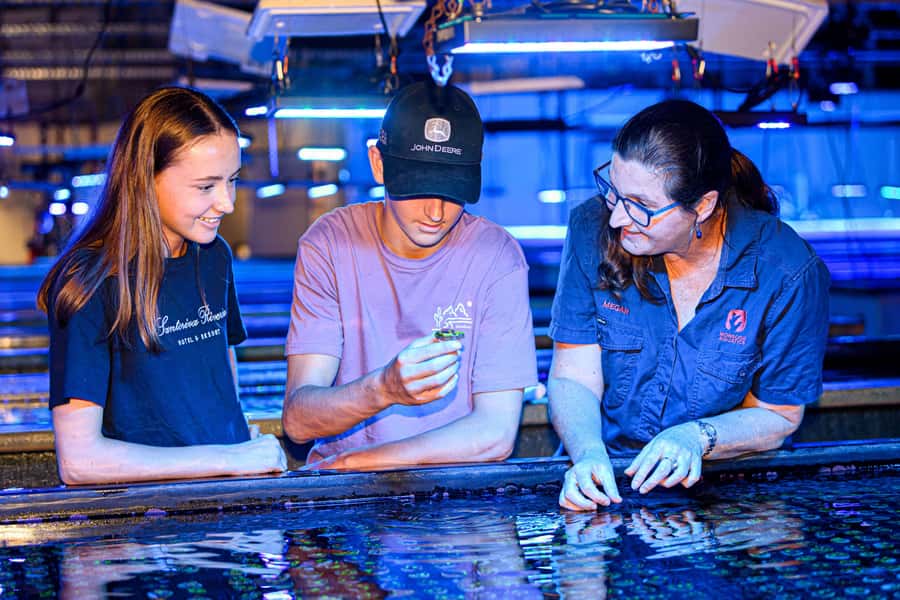
One of the strongest parts of the hour is the live coral-feeding demonstration. Instead of simply hearing that coral needs care, you see part of the daily work involved in keeping it healthy.
A feeding demonstration also helps correct a common misunderstanding. Coral may look like rock or delicate underwater plants, but coral animals are living creatures. Seeing them treated as living animals gives the rest of the tour a clearer focus.
The guide explains what the staff do and answers questions as they go. Small groups are useful here. You can ask about coral growth, reproduction, or the reason different pieces are kept in separate tanks without feeling that you are holding up a large crowd.
I would pay close attention during this part, even if you have visited the Great Barrier Reef before. Seeing coral in a controlled growing environment gives you a different kind of reef knowledge. You are not looking through a mask at a finished ecosystem. You are seeing the care and patience required before coral can contribute to one.
The science and hope behind reef restoration
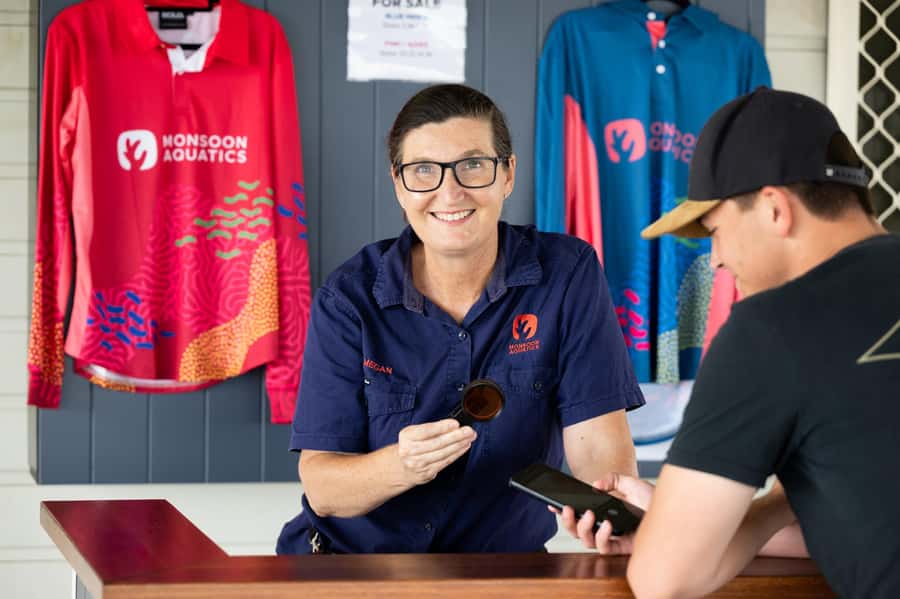
Monsoon Aquatics also gives you a look at research connected with coral reproduction and reef restoration. The tour does not promise a simple solution to the pressures facing reefs, and that is a strength. Instead, it shows practical work being done to support coral growth.
For me, this is the most meaningful part of the experience. A colorful coral display is enjoyable, but learning how a farm can help reproduce coral gives the visit a clear purpose. You leave with a better sense of why coral farms matter and why restoration takes time.
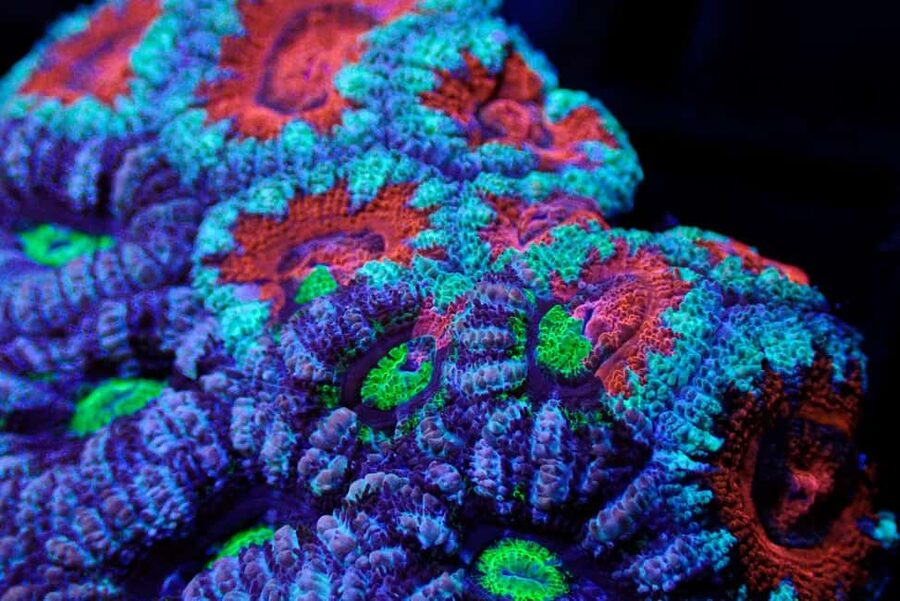
The work blends science, animal care, and careful observation. It also has an artistic side, since the corals are striking in their shapes and colors. Still, the farm’s purpose is not decoration alone. The collection supports an effort to understand and grow coral, making the tour more worthwhile than a quick look at pretty tanks.
You should keep your expectations sensible. This one-hour visit will not explain every reef-restoration project in Australia, nor will it turn you into a marine biologist. What it does well is make a complicated subject understandable through real examples right in front of you.
A completely different kind of day out:
- Sydney: Opera House Guided Tour with Entrance Ticket
★ 4.8 · 8,312 reviews - All Inclusive Blue Mountain,Scenic World,Lunch,Koalas,ferry
★ 5.0 · 7,832 reviews - Great Ocean Road Small-Group Eco Tour from Melbourne
★ 5.0 · 6,607 reviews - From Melbourne: Great Ocean Road, 12 Apostles, Wildlife Tour
★ 4.7 · 6,020 reviews
Finishing with clownfish and marine life
The tour ends with the clownfish collection, a natural crowd favorite. Children who might struggle with the more technical sections often have an easier time connecting with the fish they recognize from popular films.
The clownfish are not the whole point of the tour, but they give the hour a cheerful finish. After seeing coral on tiles and learning about reproduction, you get a familiar reminder that coral systems support many kinds of marine life.
The broader collection includes 200 marine species from around Australia. The supplied details do not promise a large aquarium-style viewing area, so I would not book this expecting huge tanks filled with fully grown reef scenes. One recent assessment of the experience made this exact distinction: it is best understood as an educational coral farm, not a traditional aquarium.
That is an important buying tip. If you want colorful fish in large display tanks, you may find the farm modest. If you want to understand how coral is grown and cared for, the working setting is the reason to come.
Why the guide makes such a difference
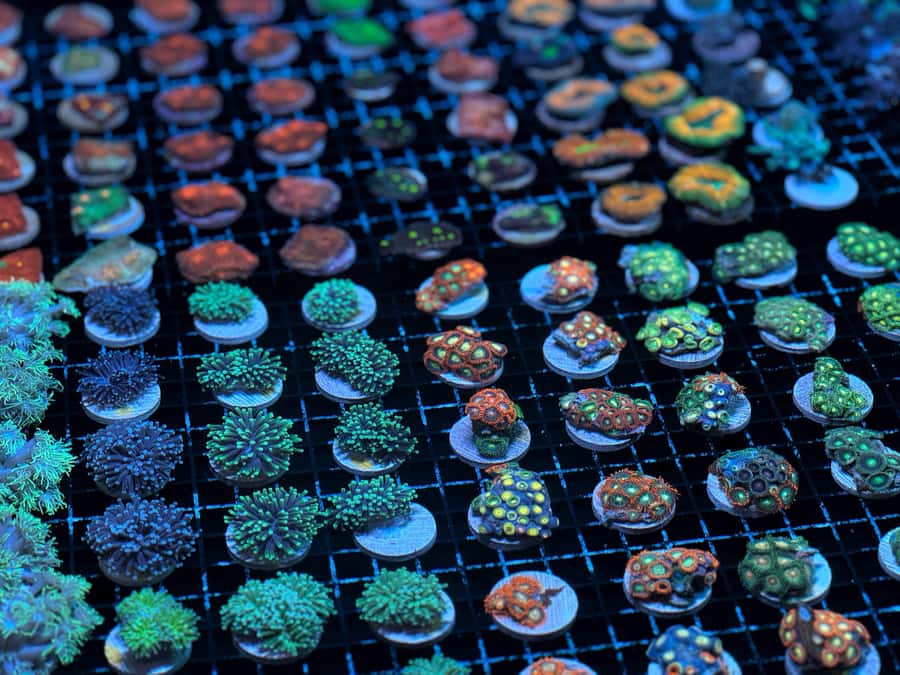
A coral farm could easily feel technical or repetitive. Much depends on the person leading the hour. Here, the guide’s enthusiasm is a major part of the experience.
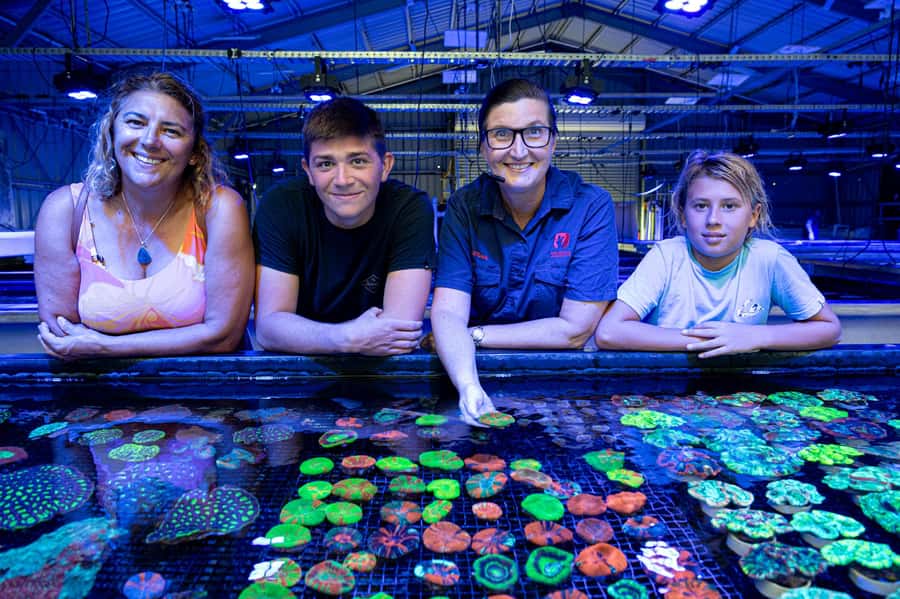
The guide explains the collection and growing process in plain language, welcomes questions, and adjusts explanations for children. One guide also offered to take family photos, a small but thoughtful touch for people visiting together.
The strongest praise has focused on the guides’ warmth, enthusiasm, and ability to keep the subject understandable. That is not just pleasant service. It changes the value of the tour. You are not left to stare at rows of tanks and guess what you are seeing.
The tour is conducted in English. If you have a strong interest in marine life, ask questions as you go. The small-group format is intended to give you personal attention, and the hour passes more quickly when you take part rather than simply follow along.
Is the $22 price good value?
At $22 per person, this is a fairly modest-priced guided activity. The tour lasts one hour, so it is not an all-day outing, but the price makes sense if you value access to a working facility and a guide who can explain the process.
You are paying for more than a look at coral. The admission includes a guided group tour through Australia’s largest coral farm, a feeding demonstration, information about coral cultivation, and an introduction to reef-restoration research.
The value depends on what you want from the visit. If you are comparing it with a large aquarium containing dramatic habitats, the farm may feel less spectacular. If you are comparing it with a short, focused educational activity near Bundaberg, $22 is reasonable.
I would also count the flexibility as a plus. You can reserve now and pay later, and cancellation is free up to 24 hours before the activity for a full refund. Those policies are useful when you are arranging a Queensland road trip and do not want to lock every hour into a fixed plan.
Refreshments are available onsite after the tour, including Bundaberg Brewed Drinks and local top-grade macadamias. There is also a gift shop. You cannot take food or drinks onto the tour itself, though water is allowed.
Who will enjoy this tour most?
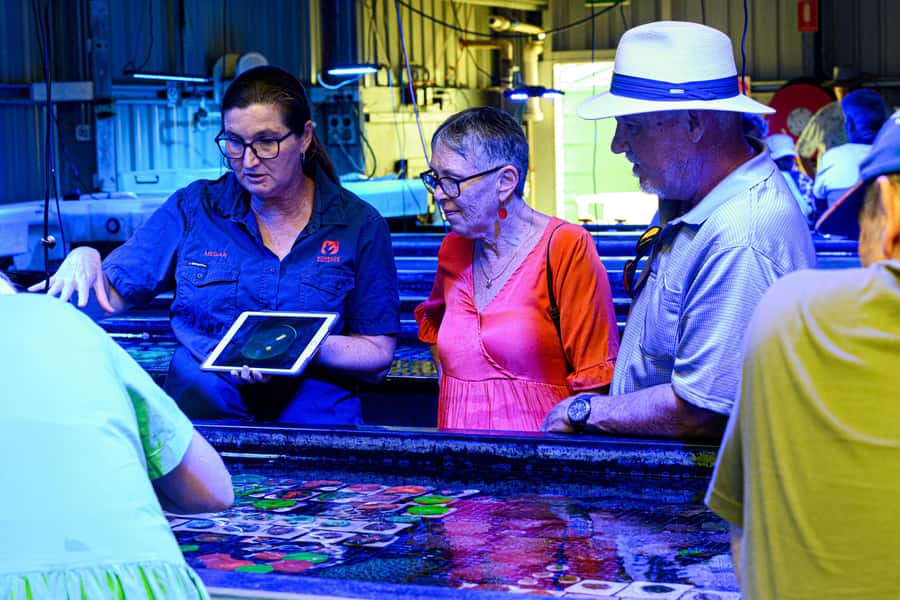
I would recommend Monsoon Aquatics to reef lovers, families with school-age children, curious adults, and anyone interested in conservation. It is a good choice if you want your Bundaberg sightseeing to include something with a clear environmental purpose.
Children who enjoy animals, science, or asking questions should get plenty from the visit. The guide’s ability to explain the subject in child-friendly language helps. The clownfish collection provides a familiar highlight, too.
Very young children may be less engaged. The tour spends much of its time looking at growing coral in long tanks, including coral attached to small tiles. There are not promises of a large aquarium-style display, so children expecting a sea-life show may become restless.
I would also recommend it to adults who have snorkeled or visited reefs but never considered what happens before coral becomes part of a natural reef. The farm gives you a behind-the-scenes view that complements time spent in the water.
The tour is wheelchair accessible, but the floors may be slippery. Everyone needs closed-toe, non-slip shoes. Open-toed shoes and bare feet are not allowed, so check your footwear before leaving your accommodation.
A simple way to fit it into your day
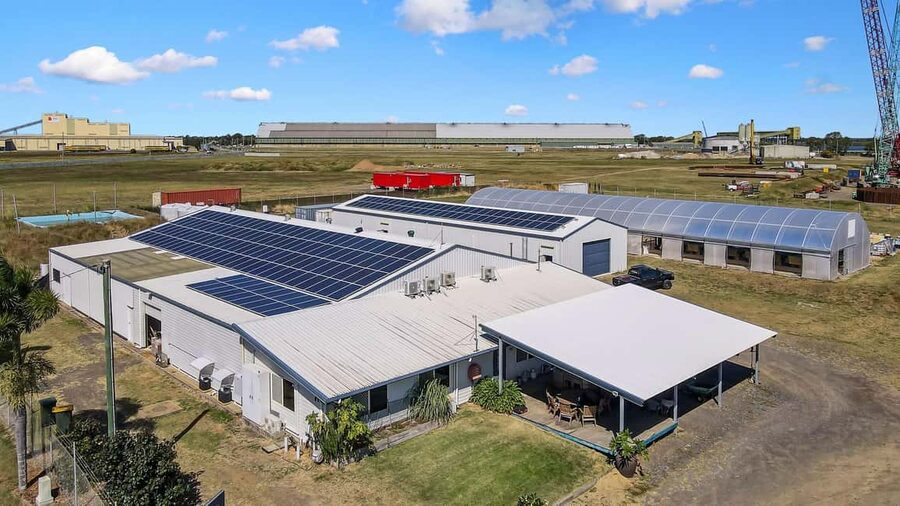
Because the tour lasts only one hour and runs close to Bundaberg, you can pair it with other local plans without giving up an entire day. I would allow extra time for parking, meeting the guide on the veranda, and looking around the onsite refreshments and gift shop afterward.
A morning or afternoon booking can work equally well because the tour operates year-round and in wet weather. Check the available starting times when booking, then plan your drive around that fixed hour.
Bring water and wear sturdy, non-slip shoes. Leave food and other drinks behind for the tour itself. These rules are simple, but they are worth remembering because slippery floors and open footwear do not mix well around working aquatic facilities.
Do not rely on an older vehicle GPS. Apple Maps or Google Maps is the safer choice, particularly if you are driving an RV or caravan. Cars and RVs can park onsite, while caravan parking is outside the gate.
My verdict on this Bundaberg coral farm visit
Book this tour if you want a focused look at coral cultivation, reef science, and conservation for $22. The best parts are the live feeding demonstration, the huge working collection, the research connection, and the guides’ clear, enthusiastic teaching.
Skip it if your main goal is a grand aquarium experience with large tanks and fully grown reef scenes. The farm is more practical than theatrical, and that means some sections may feel plain to very young children.
For the right audience, the plain setting is not a weakness. It lets you see the work behind coral restoration instead of only admiring the final result. I would choose Monsoon Aquatics as a smart one-hour Bundaberg stop for anyone who wants to leave with a clearer understanding of how reefs can be cared for and rebuilt.
FAQ
How long does the Monsoon Aquatics Coral Farm tour last?
The guided tour lasts one hour.
How much does the tour cost?
The price is $22 per person.
Where do I meet the guide?
Meet your guide on the veranda at Monsoon Aquatics Coral Farm.
How far is the coral farm from central Bundaberg?
The farm is about 20 minutes from the heart of Bundaberg, at the Port of Bundaberg on the Burnett River.
What shoes should I wear?
Closed-toe, non-slip shoes are required because the floors may be slippery. Open-toed shoes and bare feet are not allowed.
Can I bring food or drinks?
Food and drinks are not allowed on the tour. You may bring water.
Is the tour wheelchair accessible?
Yes, the activity is wheelchair accessible.
Just added in Australia
- 1hour Scenic Flight Heart Reef, Whitehaven Beach, Hill Inlet, GBR★ 5.0 · 134 reviews
- Fly Raft Package: Whitehaven Beach, Snorkel and Scenic Flight★ 5.0 · 316 reviews
- All-Inclusive Waterfall Explorer Day Trip from Airlie Beach★ 4.5 · 253 reviews
- Airlie Coastal Beach Adventures – Dingo Beach & Cape Gloucester★ 5.0 · 27 reviews
- Airlie Beach Glass Bottom Boat Tour★ 4.5 · 329 reviews
- Bowen Beaches Discovery-Top of the Whitsundays★ 5.0 · 40 reviews
- Airlie Waterfalls & Rainforest Bushwalk Eco Adventure★ 5.0 · 23 reviews
- British Defender 3D2N Whitsunday Snorkelling Sailing Adventure★ 5.0 · 30 reviews
Farms, compared.

Amazing Yarra Valley Wine Tour + Chocolate, Farm Fresh, Gin
Read our review →
Hidden Gems: Boutique Full-Day Wine, Farm & Lunch Tour
Read our review →
Rockhampton: Koorana Crocodile Farm Guided Tour
Read our review →
Hidden Gems Margaret River: Authentic Wine & Farm Experience
Read our review →
Cygnet Bay Pearl Farm Behind-the-Scenes Tour & Live Harvest
Read our review →
Barossa & Maggie Beers Farm (4 wine Tastings & Lunch included)
Read our review →
Browse the lists this tour appears in