Reviewed · ENTRY TICKETS
Anna Bay: Irukandji Entry Pass with Shallows Encounter
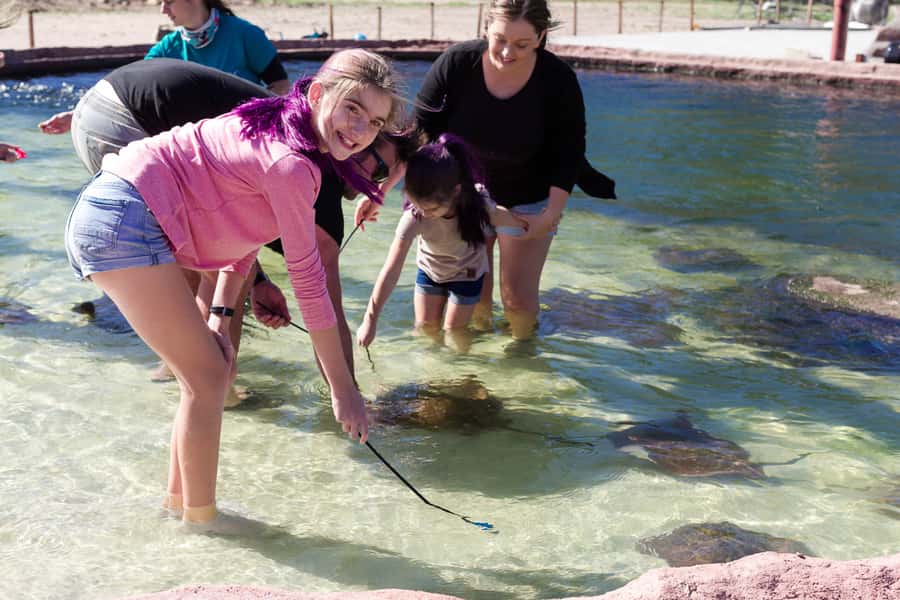
Sharks may be gentler than you expect. At Irukandji Shark & Ray Encounters in Anna Bay, you leave the glass behind and step barefoot into the shallows, where rays glide over your feet and small sharks take food from a stick. I especially like the close contact with the animals and the calm, clear explanations from the fish keepers. The main catch is that the basic pass keeps you very close to shore, so you may want the wetsuit upgrade for more contact.
This is a hands-on marine experience rather than a standard aquarium visit. You can feed, pet, and watch the animals while learning about their behavior and the need to protect ocean life. Plan for about two hours, and remember that even the shallow option requires bare feet, swimwear under your clothes, and reef-friendly sunscreen.
In This Review
- Key points to know before you go
- Why Irukandji feels different from an aquarium
- Starting with safety, equipment, and wet feet
- Fingill Lagoon and its friendly rays
- Tropical Lagoon and the shark encounters
- What the two-hour visit feels like
- Is the $29 entry pass good value?
- Families, toddlers, and older relatives
- Practical clothing and weather advice
- Who should book the Shallows Encounter?
- Final verdict: a close encounter worth the wet feet
- FAQ
- How much does the Irukandji Entry Pass cost?
- How long does the experience last?
- What animals can I see and touch?
- Can I swim in the lagoons?
- Do I need to wear a wetsuit?
- Are children allowed to enter the water?
- What should I wear?
- Can I use ordinary sunscreen?
- Is the experience wheelchair accessible?
- What time should I arrive?
Key points to know before you go
- Two lagoons, two different moods: Fingill Lagoon focuses on friendly rays, while Tropical Lagoon adds zebra sharks, brown-banded bamboo sharks, and other species.
- The $29 pass is mostly a wading experience: You can enter the shallows, but swimming is not allowed and the water depth is limited unless you upgrade.
- Bring patience for the talks: The keepers explain the animals and conservation, though young children may be more eager to feed than listen.
- A wetsuit can change the visit: The Discovery Pass upgrade lets you go farther into the water and interact more closely with the animals.
- It works for a wide age range: Families have enjoyed it with toddlers, school-age children, teenagers, adults, and older relatives.
- Arrive by 3:30 PM: The attraction runs from 9 AM to 5 PM, but arriving late can leave you short of the full experience.
Why Irukandji feels different from an aquarium
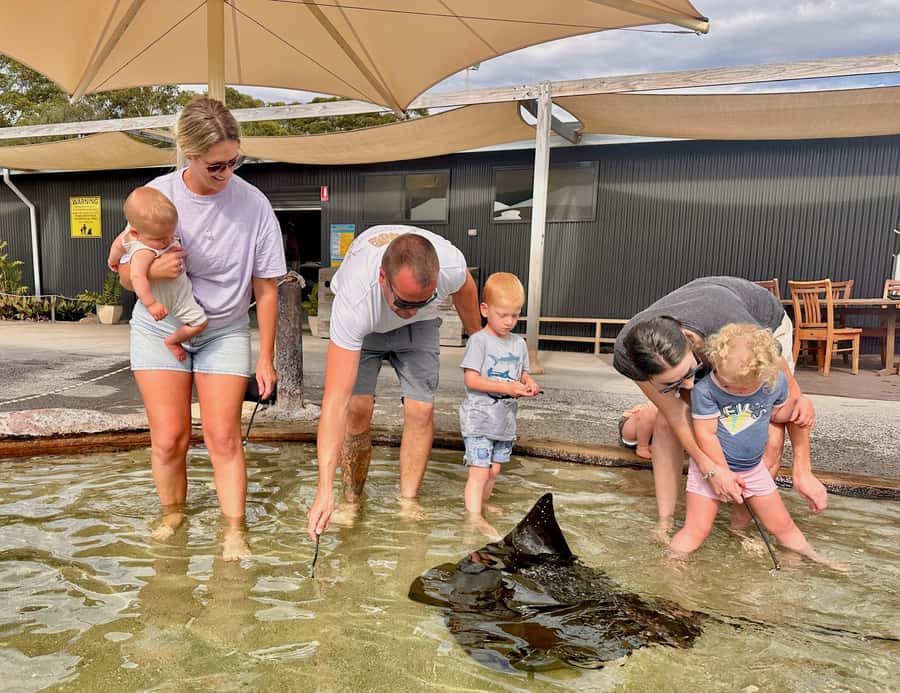
Many aquariums put you on one side of a window. Irukandji puts you at the water’s edge, with a feeding stick in your hand and rays brushing past your ankles. That simple change makes the animals feel less like an exhibit and more like living creatures with distinct habits.
You are not swimming freely with the sharks. The activity is controlled, shallow, and supervised by fish keepers. That is good news if you feel curious but cautious. You get a close look without being thrown into a large pool or expected to be an expert around marine animals.
The setting includes two large, natural-style lagoons. Each pool has its own species, food, and teaching points. Keepers guide you between the areas, explain how to interact safely, and remain with you while you feed and touch the animals.
I like the balance here. The animals are the main event, but the staff keep connecting the fun to marine conservation. You learn why sharks and rays are often misunderstood, how to approach them safely, and why protecting boneless fish matters. One visitor even came away determined to avoid boneless fish in the future, a small detail that shows how the conservation message can stick.
More entry tickets in Australia:
- From Brisbane: Australia Zoo Transfer and Entry Ticket
★ 4.9 · 1,539 reviews - Brisbane: Moreton Island Return Ferry & Adventure Day Pass
★ 4.3 · 1,195 reviews - SEA LIFE Sydney Aquarium Entry Ticket
★ 4.3 · 1,025 reviews
Starting with safety, equipment, and wet feet
When you arrive, staff explain the process before you enter the water. You receive instructions on safe contact, feeding methods, and the equipment needed for the lagoons. This introduction matters, especially for children who may be excited, nervous, or tempted to grab at an animal.
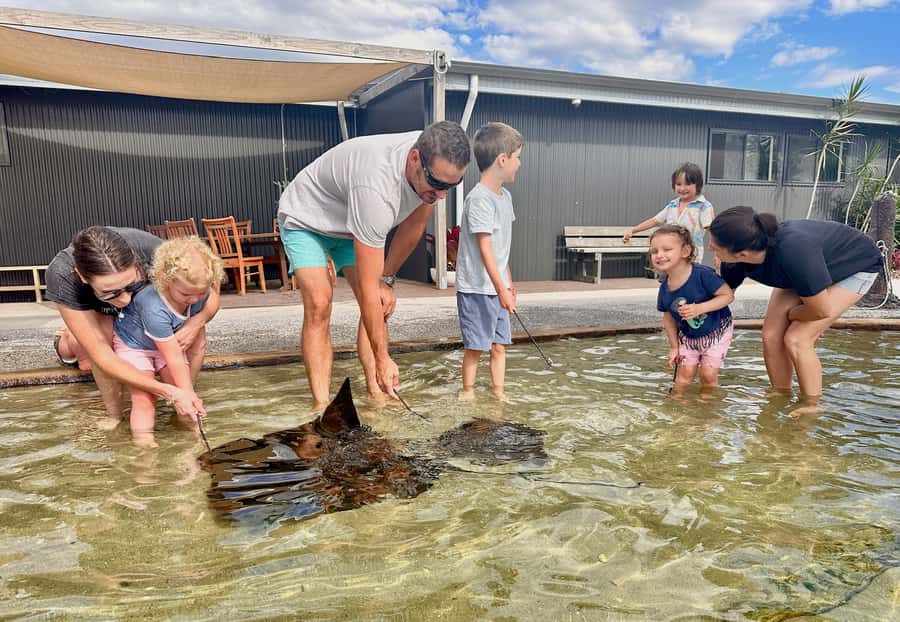
With the $29 Entry Pass, you can wear your own clothes over swimwear and wade in barefoot. Expect your feet and lower legs to get wet. You can also choose souvenir socks that cover your toes and can be kept afterward.
The basic option is best for people who want a gentle introduction or who do not want to change into a wetsuit. It also suits a parent who wants to stay mostly dry while helping a small child. The limitation is clear: you remain at the edge, and the water may not reach much higher than your feet or ankles.
That point is worth understanding before you arrive. One family found that the standard pass allowed less access to the outdoor lagoon than expected. If you want to reach the animals more easily, choose the wetsuit option from the start rather than sorting it out after arrival.
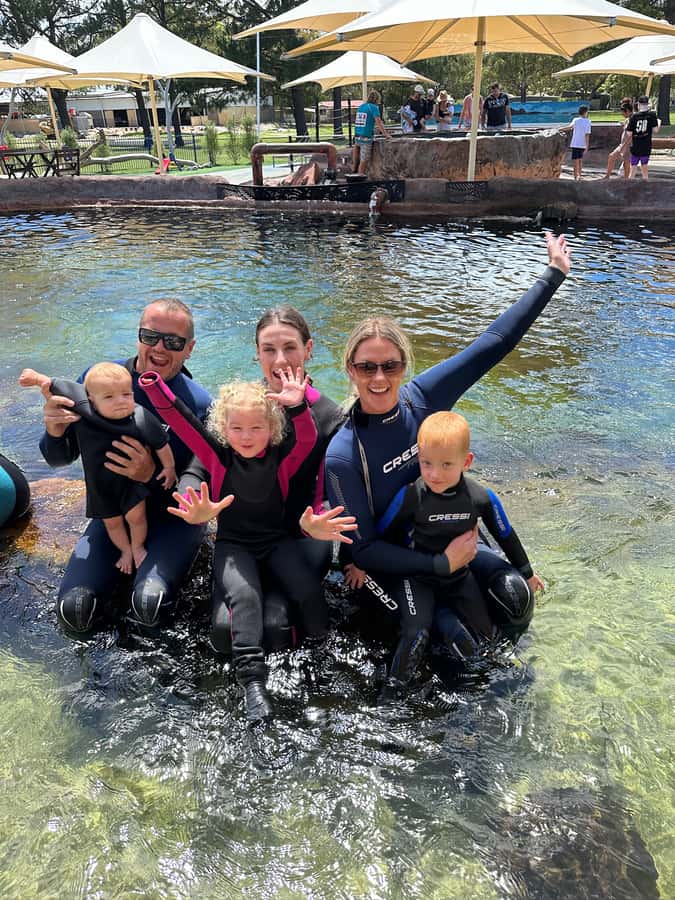
The Discovery Pass is an upgrade, not part of the $29 entry price. It includes a wetsuit and lets you go farther into the water. You still wade rather than swim, but the extra depth can make it easier to pet animals and take part in the activity without stretching from the bank.
The facility has hot showers and towels for drying off afterward. In cooler weather, the wetsuit is more than a convenience. Families who visited in winter found it worthwhile, particularly when children wanted to spend more time near the animals.
Fingill Lagoon and its friendly rays
Your first major animal encounter may be at Fingill Lagoon, home to many curious rays. They glide across the shallow water and often move toward the feeding sticks when food is offered.
You receive food and a stick, then follow the keeper’s directions. The rays may pass over your feet or circle near the edge as they look for a meal. You can reach down to pet them and notice the different feel of their skin.
This is the gentlest part of the experience, and it is often the section that wins over young children. A child who arrived unsure about touching marine animals may become fascinated once a ray moves calmly past their ankles. Adults tend to enjoy it too, because the contact is close enough to feel special but slow enough to watch carefully.
You need to follow the keeper’s instructions and use a light touch. This is not a place for chasing, lifting, or crowding the animals. The calm pace helps you notice how the rays move and feed.
The rays are also a good lesson in replacing fear with observation. They look unusual, and their movement can seem mysterious from the shore. Once one glides over your feet, the animal becomes far more familiar.
Tropical Lagoon and the shark encounters
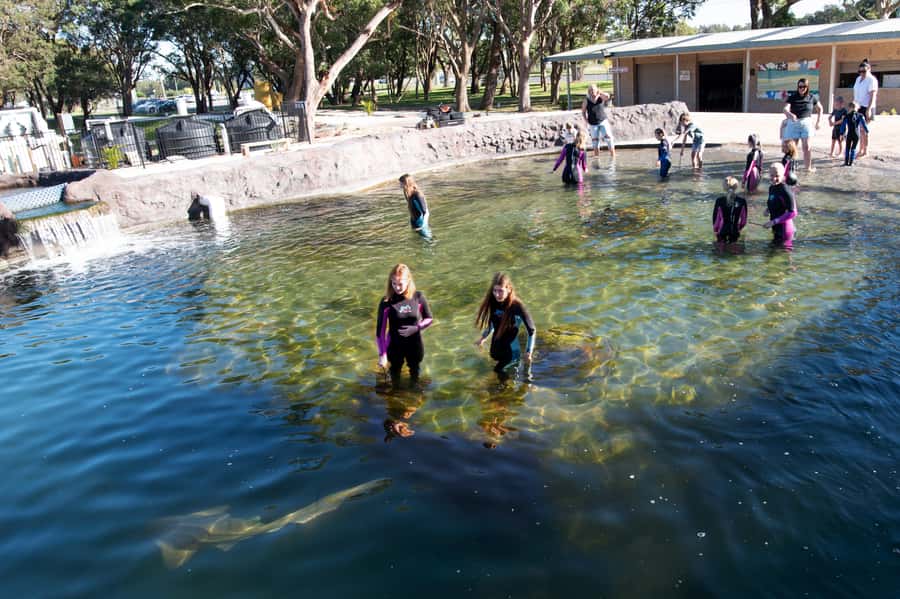
The Tropical Lagoon brings more variety. Here you can meet additional rays along with zebra sharks and brown-banded bamboo sharks. These are not the dramatic, fast-moving sharks people often picture. Their slower behavior makes them suitable for a supervised wading experience.
Keepers explain the differences between the species and show you how to interact with them. You may feed the animals from your stick and reach down to pet some of the sharks. A few people found the shark skin rougher than expected, while the stingrays felt smoother and more gentle.
That contrast is useful. You do not simply see one type of animal repeated across a pool. You get a chance to compare shapes, textures, movement, and feeding habits. The result is more memorable than a short talk beside a tank.
The Big Shark Talk is a highlight for many families. Fish keepers bring larger tawny nurse sharks and whitetip reef sharks into the shallows while explaining more about them. This gives you a stronger sense of size and presence, even though the activity remains carefully managed.
The talks are informative, but their timing may test very young children. One parent felt the explanations ran too long for kids who were ready for action. If your children have short attention spans, let them feed and watch closely during the practical sections, then use the talks as short learning moments rather than expecting them to sit quietly through every word.
A completely different kind of day out:
- Sydney: Opera House Guided Tour with Entrance Ticket
★ 4.8 · 8,312 reviews - All Inclusive Blue Mountain,Scenic World,Lunch,Koalas,ferry
★ 5.0 · 7,832 reviews - Great Ocean Road Small-Group Eco Tour from Melbourne
★ 5.0 · 6,607 reviews - From Melbourne: Great Ocean Road, 12 Apostles, Wildlife Tour
★ 4.7 · 6,020 reviews
What the two-hour visit feels like
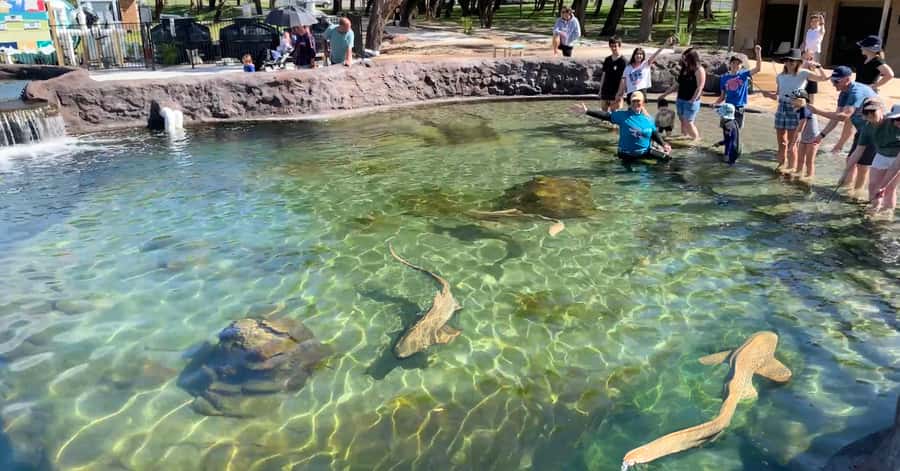
The stated duration is two hours, though your pace may vary depending on how quickly you enter the lagoons and how much time you spend listening to talks. The experience is not a single nonstop session. You move through the entry instructions, equipment setup, lagoon areas, feeding points, talks, and cleanup.
The arrival process can take some time during busy periods. If you have children waiting to get into the water, the changeover to wetsuits may feel slow. Arriving prepared helps. Wear swimwear under your clothes, decide in advance whether you want the wetsuit upgrade, and do not leave your visit until late in the day.
The attraction operates from 9 AM to 5 PM, with 3:30 PM recommended as the latest arrival for the full experience. You can check the available starting time when booking, but leave room for the initial briefing and changing.
Group organization may not feel perfectly obvious at first. One person found the time-slot system less clear once inside, with a more open flow for the basic pass than for the full swim activity. The staff are present, but a clearer explanation at the beginning would make the first few minutes easier.
Still, the keepers are central to the experience. They answer questions, guide feeding, and stay near the animals. Their patience is especially helpful when a child is nervous or when a family group includes people with different comfort levels.
Is the $29 entry pass good value?
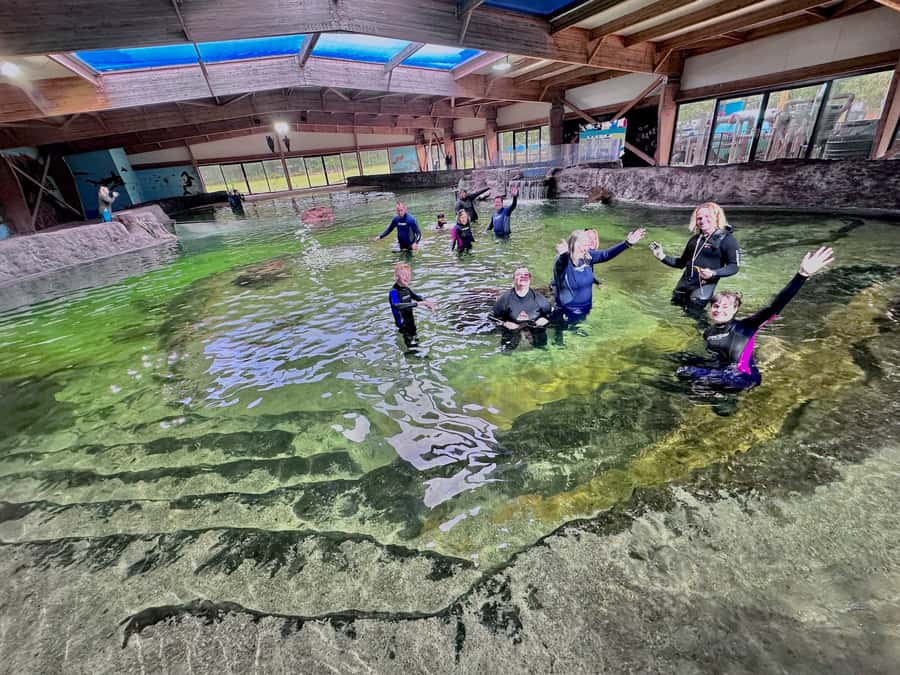
At $29 per person, the basic pass offers more than ordinary aquarium admission. Your ticket includes spectator access to the aquarium, entry into the lagoon shallows, shark food at feeding points, animal interaction, educational talks, and hot shower facilities.
The value comes from contact, not size. You are not paying to walk through a huge building filled with dozens of displays. You are paying for the chance to stand beside live sharks and rays, feed them, and feel them move through the water under staff supervision.
That makes the price especially fair for families who want an activity that combines entertainment and learning. Several parents felt the hands-on format offered better value than simply looking at animals through glass. Children remember the ray that crossed their feet or the shark they were allowed to touch, and those memories can lead to a more caring attitude toward marine life.
The pass is less compelling if you expect a full swim or a long time in deeper water. In that case, budget for the Discovery Pass upgrade or one of the additional snorkel or encounter options. A family that added several activities found the extras worthwhile, but you should compare the total cost before committing.
The package names and upgrades can be confusing. Check exactly what your selected pass includes, particularly if you want a wetsuit, deeper access, snorkelling, or another encounter. The standard Entry Pass is not the same as a full swim experience.
Families, toddlers, and older relatives
This is one of the more flexible family activities around Anna Bay. Children under 12 must have an adult with them in the water at all times, and unaccompanied minors are not allowed. That rule keeps the activity controlled, but it also means adults need to plan who will supervise each child.
The experience can work for a very young child, provided the child is comfortable near water and the supervising adult stays close. One family even used a tiny wetsuit for a toddler. Another large group, ranging from an 11-month-old child to a 70-year-old adult, enjoyed the visit together.
The basic pass is useful when family members have different preferences. One person can stay near the edge with wet feet, while another chooses the wetsuit upgrade. Nobody has to swim, and the keepers can help you interact at a pace that feels manageable.
Children who love action may find the talks slow, especially between feeding opportunities. To keep the visit enjoyable, explain beforehand that the activity includes both animal contact and short lessons. The best moments come when you listen for a few minutes, then put the information into practice at the water’s edge.
The attraction is wheelchair accessible, though the supplied information does not describe every surface or transfer detail. If you need specific assistance, contact the facility before arrival.
Practical clothing and weather advice
Clothes must be worn over swimwear, so do not arrive planning to wear only a swimsuit. You will enter the lagoon without shoes, and swimming is not permitted. The activity is wading only.
Use reef-friendly sunscreen, as other sunscreen types are not allowed. This is a simple rule, but it is important to check your bottle before leaving for the attraction.
Cold weather can affect comfort, especially if you choose the basic pass and spend time with wet feet. The hot shower helps afterward, but a wetsuit is the smarter choice if you plan to stay in the water longer or visit during winter.
You can rent the wetsuit as part of the upgrade, and you may also choose souvenir socks for your feet. Bring a change of clothes if you prefer not to leave in damp trousers or shorts.
After the lagoons, allow a few minutes to rinse off and dry. The gift shop sells sustainable gifts, plush toys, snacks, and cold drinks, giving you an easy final stop before leaving.
Who should book the Shallows Encounter?
I would choose this for families, curious children, first-time shark watchers, and anyone looking for something different from a beach day. It is also a good rainy-day or cool-weather option around Anna Bay, since much of the appeal comes from the lagoons and keeper talks rather than from swimming conditions.
You should book it if you like hands-on learning and do not mind getting your feet wet. You should think twice if you want a free-swimming experience, a large traditional aquarium, or constant action without presentations.
For the best version of the visit, decide on the wetsuit upgrade before arrival. The basic pass gives you a close look and some contact, but the deeper option makes it easier to reach the animals. Arrive well before 3:30 PM, wear swimwear under regular clothes, and prepare children for both feeding time and educational talks.
Final verdict: a close encounter worth the wet feet
Irukandji’s Entry Pass offers a rare kind of family outing. You do not merely watch sharks and rays. You meet them in their own pools, feed them carefully, and begin to see these animals as more than frightening shapes in the ocean.
I like the friendly staff, the two different lagoons, and the strong conservation message. The main weakness is the limited depth of the standard pass, along with some early confusion about upgrades and timing. If you understand those limits, the $29 price is solid value.
Book the basic pass if you want a gentle, mostly dry introduction. Pay more for the wetsuit option if close contact matters most. Either way, you can expect a memorable two hours and a much better understanding of the animals beneath the surface.
FAQ
How much does the Irukandji Entry Pass cost?
The Entry Pass costs $29 per person.
How long does the experience last?
The activity lasts about two hours.
What animals can I see and touch?
You can interact with rays, zebra sharks, brown-banded bamboo sharks, tawny nurse sharks, and whitetip reef sharks. The exact interaction depends on the lagoon, feeding area, and pass you choose.
Can I swim in the lagoons?
No. Swimming is not permitted. You can wade in the water and interact with the animals under the keepers’ supervision.
Do I need to wear a wetsuit?
No. You can wear your own clothes over swimwear and enter barefoot, getting your feet and ankles wet. A wetsuit upgrade is available if you want to go farther into the water.
Are children allowed to enter the water?
Yes, but children under 12 must have an adult with them in the water at all times. Unaccompanied minors are not allowed.
What should I wear?
Wear swimwear under your clothes. Clothes must be worn on top of swimwear, and the lagoons can only be entered without shoes.
Can I use ordinary sunscreen?
No. Only reef-friendly sunscreen is permitted.
Is the experience wheelchair accessible?
Yes, Irukandji is wheelchair accessible.
What time should I arrive?
The attraction operates from 9 AM to 5 PM. Arrive by 3:30 PM to allow enough time for the full experience.
Just added in Australia
- Fly Raft Package: Whitehaven Beach, Snorkel and Scenic Flight★ 5.0 · 316 reviews
- 1hour Scenic Flight Heart Reef, Whitehaven Beach, Hill Inlet, GBR★ 5.0 · 134 reviews
- All-Inclusive Waterfall Explorer Day Trip from Airlie Beach★ 4.5 · 253 reviews
- Airlie Coastal Beach Adventures – Dingo Beach & Cape Gloucester★ 5.0 · 27 reviews
- Airlie Beach Glass Bottom Boat Tour★ 4.5 · 329 reviews
- Bowen Beaches Discovery-Top of the Whitsundays★ 5.0 · 40 reviews
- Airlie Waterfalls & Rainforest Bushwalk Eco Adventure★ 5.0 · 23 reviews
- British Defender 3D2N Whitsunday Snorkelling Sailing Adventure★ 5.0 · 30 reviews
Entry Tickets, compared.
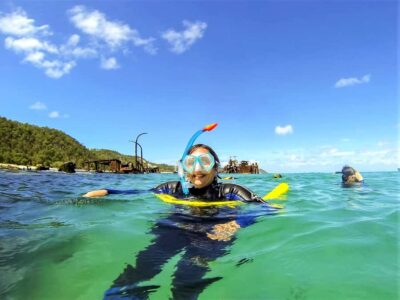
Moreton Island Return Ferry & Adventure Day Pass
Read our review →

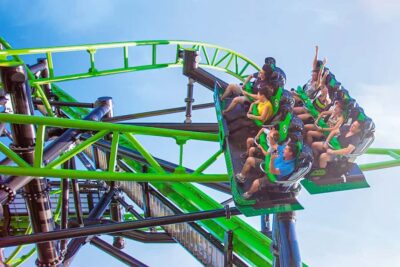
Movie World, Sea World, Wet’n’Wild & More – 5 Day Pass
Read our review →