Reviewed · ENTRY TICKETS
Albany: National Anzac Centre Entry Ticket
War history becomes personal here. Set inside Albany’s Princess Royal Fortress, the National Anzac Centre uses interactive displays to connect you with real Australian and New Zealand service stories from World War I. You follow one of 32 actual servicemen and women, from recruitment through wartime service and life after the war.
I especially like the way you listen at your own pace, and I like the final tribute area, where the names of 41,265 people who left Albany in the first and second convoys appear beneath a Pool of Reflections. The main consideration is the serious subject matter. Strong war themes may not suit children aged seven or younger, even though children under five can enter free.
A ticket costs $17 per person and is valid for the whole calendar day. I would allow at least two hours, then add time for the free Princess Royal Fortress history talk, the fortifications, and the nearby site connected with Australia’s first documented Anzac Day Dawn Service.
In This Review
- Key Points At A Glance
- Arriving At Princess Royal Fortress
- Choose A Person Before The War Begins
- Interactive Displays Without A Forced Pace
- From King George Sound To The Battlefront
- The Pool Of Reflections And Tribute Wall
- The Fortress Adds An Outdoor Layer
- Australia’s First Documented Anzac Day Dawn Service
- Research Your Family’s Service Record
- Is $17 Good Value?
- Who Will Enjoy This Most?
- Practical Timing And Access Tips
- Should You Book The National Anzac Centre?
- FAQ
- How much does entry to the National Anzac Centre cost?
- How long should I allow for the visit?
- Where do I meet for the experience?
- When is the National Anzac Centre open?
- Can I leave and return on the same ticket?
- Is the National Anzac Centre suitable for children?
- Is the centre wheelchair accessible?
Key Points At A Glance

- Follow one real wartime life: Choose from 32 actual men and women, then track one person through recruitment, training, convoy travel, combat, and post-war life.
- See Albany’s role in the Anzac story: The first convoy left King George Sound on 1 November 1914, and Albany was the last Australian soil many troops saw.
- Use the displays at your own pace: Audio commentary, film, rare images, artifacts, and interactive screens let you stop, listen, and reflect without being rushed.
- Trace a family connection: Australia’s National Archives resources allow you to investigate family service records.
- End beneath the Pool of Reflections: The names of 41,265 servicemen and women form a solemn closing display.
- Pair the museum with the fortress: The included history talk and free guided tour add context to the military site around the centre.
Arriving At Princess Royal Fortress

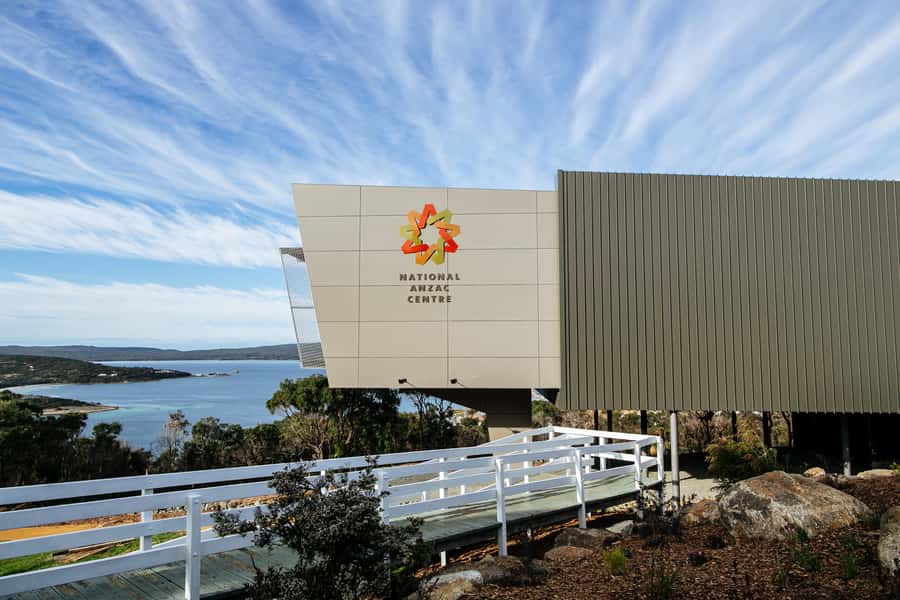
You will find the National Anzac Centre inside Princess Royal Fortress, above King George Sound in Albany. Park in the main carpark, then walk to the centre entrance. The meeting point is simple, and you do not need a hotel transfer because the ticket is for entry at the site.
Wear comfortable shoes. You may also want an umbrella, since the wider fortress visit involves being outside and weather can change quickly. Smoking and drones are not allowed.
The setting matters. Albany was the departure point for the first convoy of Australian and New Zealand troops on 1 November 1914. For many of those service members, King George Sound marked their final view of Australia. The centre does not treat Albany as a random museum location. It builds the story around this departure point and the people who passed through it.
Opening hours are 9:00 AM to 5:00 PM every day except Christmas Day, including public holidays. Last entry is at 4:00 PM. Since your ticket is valid for the full calendar day and allows you to leave and return, you can visit the centre, take a break, and come back before closing.
More entry tickets in Australia:
- From Brisbane: Australia Zoo Transfer and Entry Ticket
★ 4.9 · 1,539 reviews - Brisbane: Moreton Island Return Ferry & Adventure Day Pass
★ 4.3 · 1,195 reviews - SEA LIFE Sydney Aquarium Entry Ticket
★ 4.3 · 1,025 reviews
Choose A Person Before The War Begins
The most effective feature is the identity system. Rather than receiving a broad lecture about World War I, you assume the identity of one of 32 real servicemen or women. Your chosen character becomes a thread running through the museum.
You begin with that person’s recruitment and training. This creates a useful human scale. Dates, battles, troop movements, and military terms can blur together in a conventional exhibit. Here, you have one individual to follow as the story moves from civilian life into military service.
The experience then carries you through embarkation and shipboard life in the convoys. Albany’s role becomes clearer at this point. The convoy was not just a movement of troops on a map. It was a major departure for people who did not know what awaited them overseas.
The displays cover Gallipoli, the Middle East, and the Western Front. You also learn what happened after the war to those who returned. That final part is important. The story does not end neatly when the fighting stops, and the centre gives room to consider the continuing effect of service.
Interactive Displays Without A Forced Pace
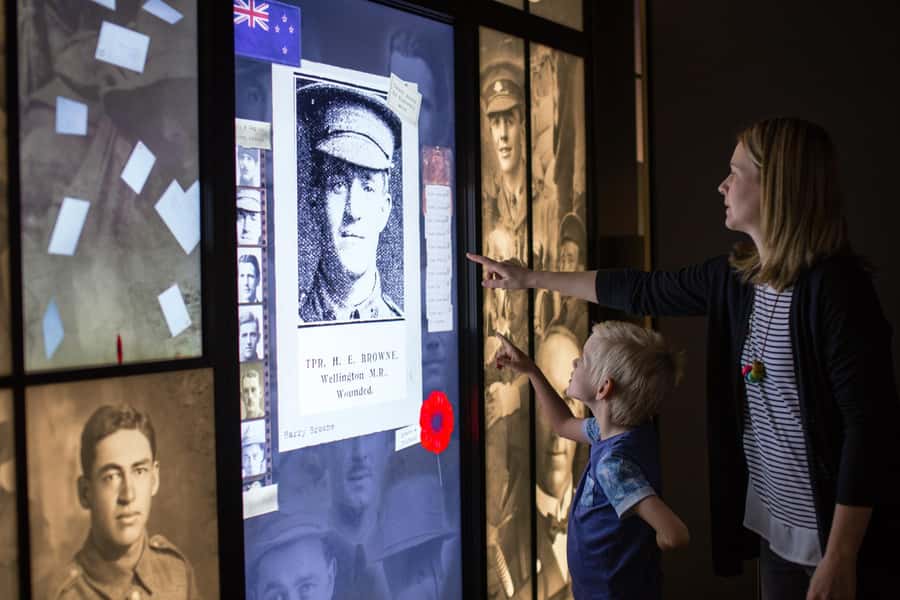
You interact with the stories through multimedia displays, audio commentary, rare photographs, film, and artifacts. The best part is control. You can listen to each account at your own pace, pause to study an image, or spend longer with a subject that interests you.
This format suits different kinds of visitors. If you enjoy military history, you can take your time with the dates and events. If you are more interested in personal stories, follow the emotional path of your chosen character. If you arrive with family, the interactive system gives each person something to do rather than requiring everyone to stand quietly in front of the same panel.
The centre has earned strong praise for being informative without feeling flat. The accounts are also plainly sad. You should not expect a light museum visit or a quick collection of patriotic symbols. The tone is reflective, and some displays may be difficult for younger children.
I would plan two hours as a minimum, especially if you listen to the material carefully. Rushing through in 45 minutes would miss much of the point. The ticket’s full-day validity helps because you can return later, but most people will probably prefer one unhurried visit followed by time outside at the fortress.
From King George Sound To The Battlefront
The museum’s sequence follows the major phases of the Anzac story. It starts with recruitment and training, then moves to the convoy and the experience of leaving Australia. This order gives you a clear sense of change, from an ordinary life at home to military preparation and overseas service.
The convoy section has particular weight because of Albany’s location. On 1 November 1914, the first Australian and New Zealand convoy departed from King George Sound. The centre uses this fact to place Albany at the beginning of the story, not simply as a place where you happen to visit a museum about distant battles.
Gallipoli, the Middle East, and the Western Front each form part of the wider account. You will not be following an abstract army alone. Your selected character helps you see how a broad military campaign affected one person.
The post-war material gives the visit a more complete shape. Those who returned faced a new phase of life, while others did not return. The museum makes you wait until the end to discover your character’s fate, which gives the final section genuine emotional force.
A completely different kind of day out:
- Sydney: Opera House Guided Tour with Entrance Ticket
★ 4.8 · 8,312 reviews - All Inclusive Blue Mountain,Scenic World,Lunch,Koalas,ferry
★ 5.0 · 7,832 reviews - Great Ocean Road Small-Group Eco Tour from Melbourne
★ 5.0 · 6,607 reviews - From Melbourne: Great Ocean Road, 12 Apostles, Wildlife Tour
★ 4.7 · 6,020 reviews
The Pool Of Reflections And Tribute Wall
The closing display reveals the names of 41,265 servicemen and women who left Albany in the first and second convoys. Their names scroll beneath the Pool of Reflections, creating one of the most memorable moments in the centre.
This is where the scale of the story catches up with you. Earlier, you have followed one person. At the end, the long list of names reminds you that thousands shared the departure from Albany, each carrying a different family, background, and future.
You can then leave your own message on the interactive Tribute Wall. This is a small feature, but it gives you a way to respond instead of simply walking out after the final display. Messages can be personal, reflective, or brief. The act of leaving a tribute also connects your visit to the continuing public memory of the Anzacs.
The emotional tone is strong. I would not schedule this as a casual stop between unrelated activities if you want to give it proper attention. It works best when you have enough time to sit with the final displays before moving on.
The Fortress Adds An Outdoor Layer
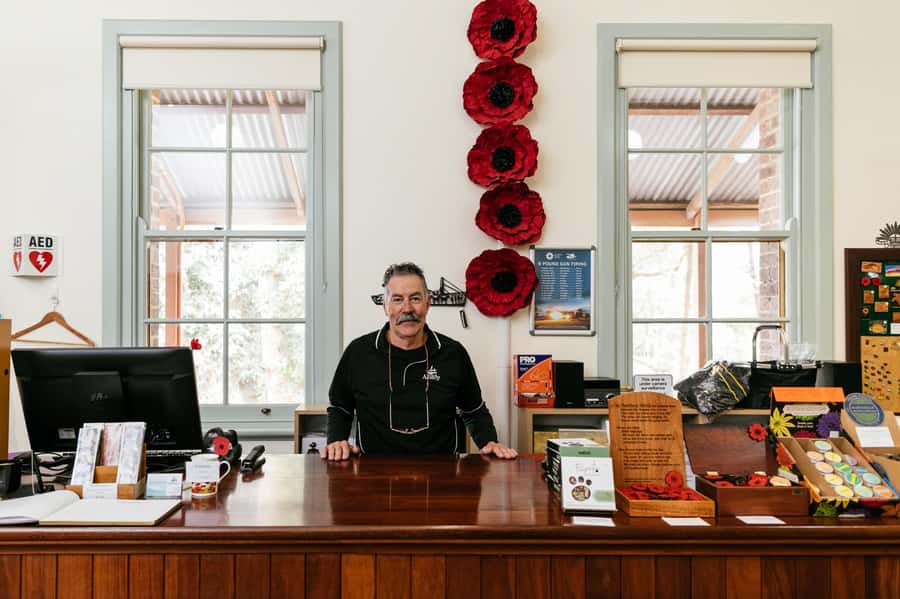
Your entry includes a history talk about the Princess Royal Fortress complex, and there is also a free guided tour of the Princess Royal Forts. These additions are valuable because they connect the indoor stories with the military site around you.
The museum explains the people and wartime journeys. The fortress helps you understand the defensive setting that watched over King George Sound. Together, the two parts make Albany’s role easier to picture.
You should check the available starting times when planning your day, since the ticket information does not give a fixed schedule for the talk or tour. If the guided component fits your visit, take it. The extra explanation can help turn a collection of buildings and viewpoints into a meaningful part of the Anzac story.
The fortress visit also gives you a pause after the emotional museum displays. Bring an umbrella and wear comfortable shoes, especially if you plan to walk around the complex. The outdoor section is not just an add-on for filling time. It changes the rhythm of the day and gives the history a physical setting.
Australia’s First Documented Anzac Day Dawn Service
The site includes the location of Australia’s first documented Anzac Day Dawn Service. That detail makes the visit significant beyond the 1914 convoy.
The dawn service tradition is closely tied to public remembrance, and standing at its earliest documented Australian location adds another layer to the centre’s closing themes. You can connect the departure of troops, the later losses, and the long tradition of remembrance in one place.
The information provided does not specify a separate ceremony schedule or special event access, so you should treat this as a historical location within your visit rather than assume a dawn service takes place during your ticketed entry.
Research Your Family’s Service Record
The centre also provides a way to trace a family service record through Australia’s National Archives. This is useful if you arrive with a family name, service number, or known connection to World War I.
You may find this more rewarding if you do a little preparation before visiting. Bring any family information you already have, although the available details do not state exactly which records or research tools will be accessible on the day.
This feature changes the visit from general history to family history. You may begin with one of the 32 museum characters, then turn your attention to your own relatives. Even if you do not find a direct connection, the research element shows how large events can be studied through individual records.
Is $17 Good Value?
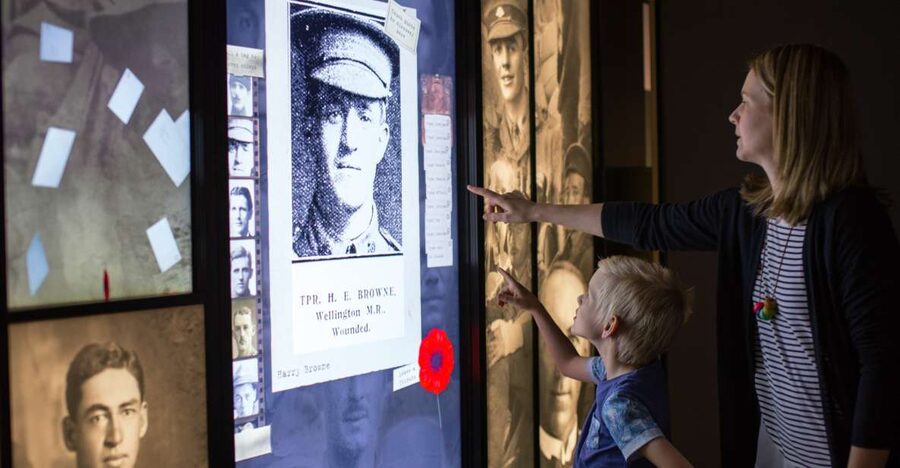
At $17 per person, the ticket is good value if you allow the recommended two hours and add the fortress history talk or guided tour. You are not paying only for a static gallery. The admission includes a structured multimedia experience, the interactive character system, the tribute wall, and access to the story within Princess Royal Fortress.
The value also comes from the level of control you have. You can listen at your own speed rather than being tied to a short group presentation. The full-day validity improves the deal because you can leave and re-enter during the day.
I would be less enthusiastic about the price if you only want a quick look at military buildings or a short scenic stop. The centre asks for attention, and the subject matter rewards patience. If you enjoy history, family research, museums, or thoughtful memorial sites, $17 is modest for the amount of time available.
The booking terms are also practical. You can cancel up to 24 hours in advance for a full refund, and reserve now while paying later. Those options help if your Albany plans depend on weather or changing schedules.
Who Will Enjoy This Most?
I recommend the National Anzac Centre to adults, older children, history enthusiasts, and anyone with an Australian or New Zealand family connection. It also suits people who prefer museums that let them investigate rather than simply read a series of information boards.
The centre is especially effective for visitors who like personal stories. The 32-character format gives you a reason to keep following the material, and the final fate of your selected person provides a clear ending.
I would use caution with young children. The centre is not generally recommended for children aged seven or younger because of the strong war themes. Children under five may enter free, but free admission does not make the content suitable for every child.
It is also a good choice for visitors who want more than an indoor museum. The fortress tour, outdoor setting, and location connected with the first documented Anzac Day Dawn Service add variety to the visit.
Practical Timing And Access Tips
Arrive through the main carpark and proceed to the National Anzac Centre entrance. The centre is open from 9:00 AM to 5:00 PM, with last entry at 4:00 PM, and it closes only on Christmas Day.
Allow at least two hours. Add more time if you want to explore the fortress, join the history talk, use the National Archives resources, or spend quiet time at the Pool of Reflections and Tribute Wall.
The ticket is wheelchair accessible. English is the available language, and the host or greeter also speaks English.
Because the ticket remains valid for the whole calendar day, you can divide your visit. Start with the museum, take a break, then return for the outdoor fortress material. This is useful if the weather changes or you want time to process the museum before continuing.
Should You Book The National Anzac Centre?
Book it if you want a serious, carefully designed account of World War I built around real people rather than only battles and dates. The interactive character system, self-paced audio, final name display, and Albany departure setting give the visit real purpose.
Skip it only if you have little interest in war history, have very young children, or want a fast sightseeing stop. For most adults spending time in Albany, $17 buys a thoughtful two-hour visit with extra fortress content and the chance to explore a direct link to the Anzac story. I would schedule it as one of Albany’s main cultural stops, not as a filler activity.
FAQ
How much does entry to the National Anzac Centre cost?
Entry costs $17 per person.
How long should I allow for the visit?
You should allow at least two hours for the National Anzac Centre. You may want extra time for the Princess Royal Fortress complex, the history talk, and the free guided tour of the forts.
Where do I meet for the experience?
Park in the main carpark and proceed to the entrance at the National Anzac Centre.
When is the National Anzac Centre open?
It is open every day from 9:00 AM to 5:00 PM, including public holidays, except Christmas Day. Last entry is at 4:00 PM.
Can I leave and return on the same ticket?
Yes. The ticket is valid for the full calendar day of issue, and you may exit and re-enter multiple times that day.
Is the National Anzac Centre suitable for children?
Because of the strong war themes, it is not generally recommended for children aged seven or younger. Children under five are permitted free of charge.
Is the centre wheelchair accessible?
Yes, the National Anzac Centre is wheelchair accessible.
Just added in Australia
- 1hour Scenic Flight Heart Reef, Whitehaven Beach, Hill Inlet, GBR★ 5.0 · 134 reviews
- Fly Raft Package: Whitehaven Beach, Snorkel and Scenic Flight★ 5.0 · 316 reviews
- All-Inclusive Waterfall Explorer Day Trip from Airlie Beach★ 4.5 · 253 reviews
- Airlie Coastal Beach Adventures – Dingo Beach & Cape Gloucester★ 5.0 · 27 reviews
- Airlie Beach Glass Bottom Boat Tour★ 4.5 · 329 reviews
- Bowen Beaches Discovery-Top of the Whitsundays★ 5.0 · 40 reviews
- Airlie Waterfalls & Rainforest Bushwalk Eco Adventure★ 5.0 · 23 reviews
- British Defender 3D2N Whitsunday Snorkelling Sailing Adventure★ 5.0 · 30 reviews
Entry Tickets, compared.


Moreton Island Return Ferry & Adventure Day Pass
Read our review →


Movie World, Sea World, Wet’n’Wild & More – 5 Day Pass
Read our review →