
Reviewed · GREAT BARRIER REEF TOURS
4-Day PADI Open Water Dive Course – Learn to Dive on the Great Barrier Reef
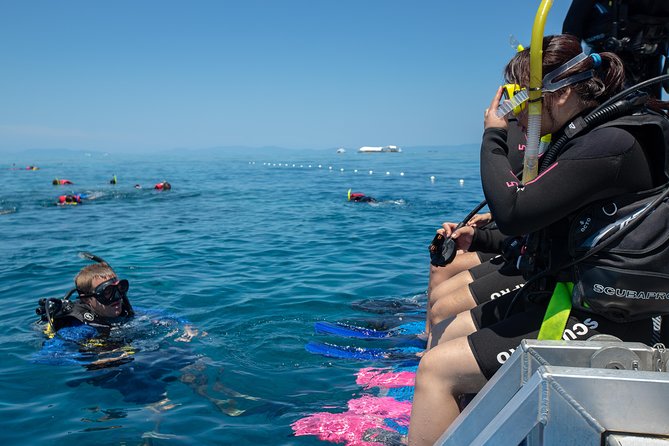
Fear can disappear underwater. This four-day PADI course takes you from classroom basics and pool practice to four open-water reef sessions on the Great Barrier Reef. I like the small maximum group of eight, which gives you more time with your instructor, and I like that city hotel transfers, training materials, equipment, and reef lunches are included.
The biggest consideration is the pace. You need to be ready at 7:30 a.m. each day, pass a basic swimming and floating test, and complete classroom work before reaching the reef. Medical rules are also strict, especially for anyone over 45 or anyone taking prescription medication.
In This Review
- Key Points Before You Book
- From Cairns Classroom to Coral Reef Certification
- Day One: Theory, Equipment, and the Basics
- Day Two: Pool Skills and Building Confidence
- Day Three: Your First Outer Reef Cruise
- Day Four: More Reef Practice and the Final Certificate
- Why the Small Group Matters Underwater
- The Great Barrier Reef Setting
- Is $677.79 a Fair Price?
- Health Rules, Fitness, and Flight Planning
- Practical Details That Make the Four Days Easier
- Who Should Book This Course?
- Should You Book the PADI Course?
- FAQ
- Is this PADI course suitable for complete beginners?
- How many days does the course take?
- How many scuba sessions are included?
- What certification do I receive?
- Is equipment included?
- Are transfers and meals included?
- Can I scuba dive before a flight?
Key Points Before You Book
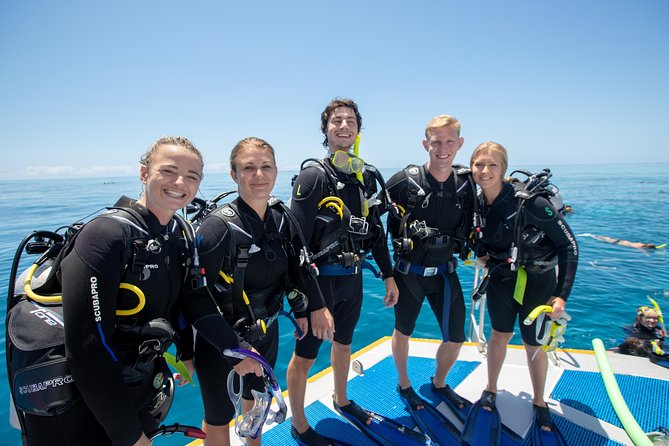
- Four days from beginner to certified diver: The course combines classroom lessons, pool training, and four guided reef dives.
- Small groups capped at eight people: This matters when you are learning breathing control, mask skills, ascents, and other safety drills.
- Two full-day Evolution cruises: The final two days take you to the outer Great Barrier Reef aboard the Evolution catamaran.
- One extra fun dive included: Along with the four course dives, the package includes one free fun dive.
- Frankie receives especially warm praise: His humor, patience, clear explanations, and extensive experience make the learning process less intimidating.
- Plan around health and flights: You cannot scuba dive within 24 hours before flying, and some medical conditions or medications require written medical clearance.
From Cairns Classroom to Coral Reef Certification

This course is built for a complete beginner. You do not need previous scuba experience, but you do need a moderate level of physical fitness and the ability to complete a basic swimming and floating test.
That structure is useful because the first two days are not rushed toward the reef. You learn the theory, practice with scuba equipment in a swimming pool, and work through the basic skills needed to stay calm and safe underwater.
I see this as a better approach than treating a reef trip as a quick tryout. A short introductory session can show you what scuba feels like, but this course gives you time to understand the equipment and repeat important actions until they feel more natural.
The course leads to a PADI Open Water certificate. Once certified, you can scuba dive to a maximum depth of 60 feet, or 18 meters, join certified dive tours, rent equipment, and continue into advanced PADI courses.
That certification is the main value here. You are not simply paying for a day on a boat. You are paying for an internationally recognized qualification that can be used for future scuba trips around the world.
More Snorkeling and Diving in Cairns
- Great Barrier Reef Snorkeling and Diving Cruise from Cairns
★ 4.5 · 3,714 reviews - Ocean Freedom Great Barrier Reef Luxury Snorkel and Dive Cruise
★ 5.0 · 1,895 reviews - Cairns: Premium Snorkelling and Diving Reef Day Trip
★ 4.7 · 1,528 reviews
Day One: Theory, Equipment, and the Basics
Your start time is 7:30 a.m., with the meeting point at 287 Draper Street in Parramatta Park. Cairns city accommodation transfers are included each day, so you should check the pickup details carefully before the first morning.
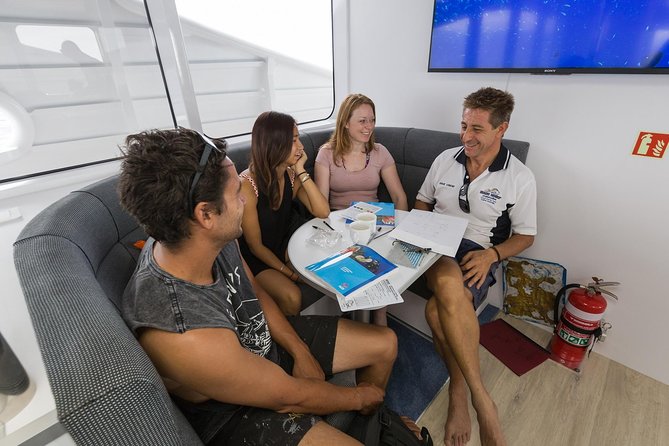
The first day focuses on scuba theory and the foundations of safe underwater travel. You learn how the equipment works, how to breathe through the regulator, and why controlled ascents and descents matter.
You also begin working through PADI training material. This is the less glamorous part of the course, but it is essential. Understanding pressure, air use, safety procedures, and equipment checks helps you make better decisions once you are away from the pool.
Lunch is not included on the first two days. Pack food or budget for it, along with water and any personal snacks you need.
I would not schedule a late evening activity before this course. The early starts and amount of new information can make the first day tiring, even though the actual underwater work is still taking place in a controlled pool setting.
Day Two: Pool Skills and Building Confidence
The second day continues with pool sessions and practical drills. This is where the course begins to feel less like a lesson and more like an active skill workshop.
You practice basic scuba techniques, safety drills, and the correct way to descend and ascend. Pool training gives you a controlled place to repeat these tasks before currents, visibility, and open water become part of the equation.
This stage is especially important if you feel nervous in deep water. One person who began with a fear of deep water was able to reach 16 meters by the end of the four days. That result does not promise the same outcome for everyone, but it shows what patient instruction and steady practice can achieve.
Instructor quality matters greatly here. Frankie is praised for explaining difficult subjects in simple terms, adding humor without losing focus, and showing patience when students need another explanation or another attempt.
The small class size should help too. With no more than eight participants, you have a better chance to receive direct corrections rather than simply copying a large group. For a new scuba student, that individual attention can make the difference between feeling overwhelmed and feeling in control.
Day Three: Your First Outer Reef Cruise
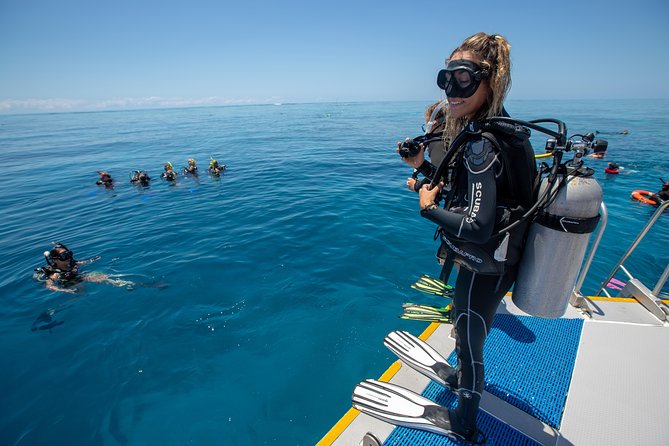
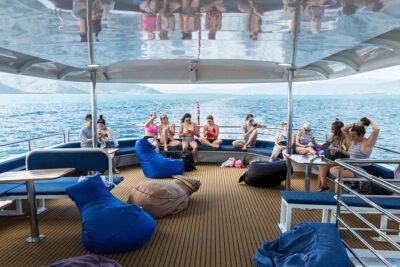
Once your instructor decides you are ready, the course moves to the Great Barrier Reef. Day three is a full-day cruise to the outer reef aboard the Evolution catamaran.
The move from pool to reef is the emotional center of the course. You now use the same basic skills in a real marine setting, with your instructor close by to guide you through the experience.
The package includes two outer reef scuba sessions on this day. These are part of the four required open-water sessions included across the two reef days.
The reef can bring sightings of tropical fish, reef sharks, stingrays, and sea turtles. Wildlife is never guaranteed, and the conditions can change, but the range of possible sightings is a major reason to choose a certification course in Cairns rather than complete your training in a pool or local inland site.
Evolution also serves barbecue lunch onboard on days three and four. That makes the long reef days easier because you do not need to arrange a separate meal while you are out on the water.
Bring sunscreen, a hat, swimwear, a change of clothes, and a towel. You should also carry a card or cash for onboard purchases such as soft drinks, chocolate, an underwater camera, or a T-shirt.
More Great Barrier Reef Tours in Cairns:
- From Cairns: Great Barrier Reef Cruise by Premium Catamaran
★ 4.9 · 3,567 reviews - Cairns: Outer Edges of The Great Barrier Reef Scenic Flight
★ 4.9 · 2,912 reviews - Passions of Paradise Great Barrier Reef Cruise by Catamaran
★ 5.0 · 2,564 reviews - Cairns: Outer and Coral Cay Snorkel and Dive Cruise
★ 4.8 · 1,467 reviews
Day Four: More Reef Practice and the Final Certificate
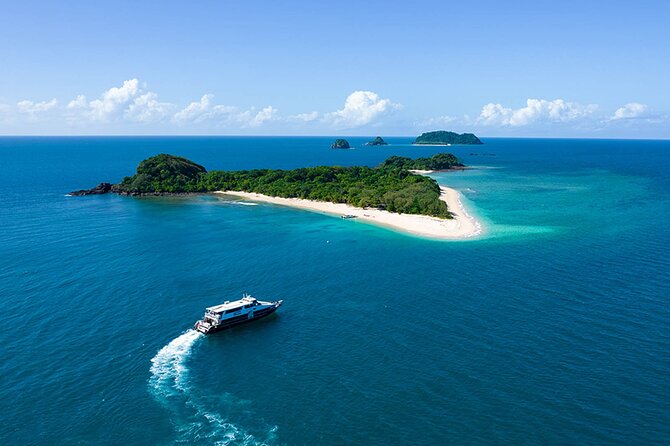
The second outer reef cruise gives you another full day to apply what you learned. You complete two more course scuba sessions, bringing the total to four open-water sessions.
This extra day is valuable. You are not expected to master every skill during a single reef outing. By day four, you have had more time to manage your equipment, control your movement, and respond to your instructor’s directions in real conditions.
The package also includes one free fun dive. The provided information does not specify exactly when this additional session takes place, so confirm the schedule with the operator before you go. It is a useful bonus, but the four course sessions are the central requirement for certification.
At the end of the course, you receive your PADI Open Water certificate if you have completed the training and required skills. The qualification lets you scuba dive to 18 meters, rent equipment, join certified tours, and take further PADI training.
The phrase internationally recognized matters in practical terms. You leave Cairns with a qualification that can support future scuba trips, rather than a certificate limited to this one operator.
Why the Small Group Matters Underwater
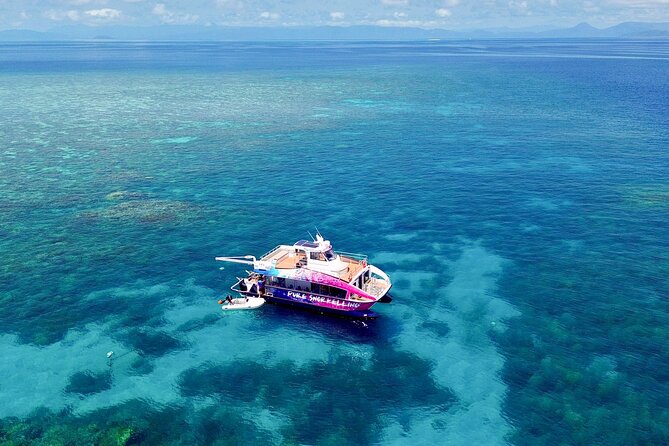
A group limit of eight is one of the strongest features of this course. Beginner scuba training involves many small adjustments: body position, breathing, buoyancy, hand signals, mask use, and equipment checks.
A large class can make you feel lost in the crowd. A small group gives the instructor more opportunities to watch you closely and correct problems before they become habits.
That does not mean you receive constant one-to-one instruction. You still learn as part of a group, and your progress depends on completing the required work. But the size should make it easier to ask questions and receive individual guidance.
The instructor’s teaching style is another major strength. Frankie is repeatedly praised for being funny, patient, professional, and clear. Those qualities are not just pleasant extras. They are useful when you are dealing with unfamiliar equipment or feeling uneasy below the surface.
Good instruction should help you become calm and methodical. Frankie’s approach appears suited to students who need complicated topics broken into simple steps.
The Great Barrier Reef Setting
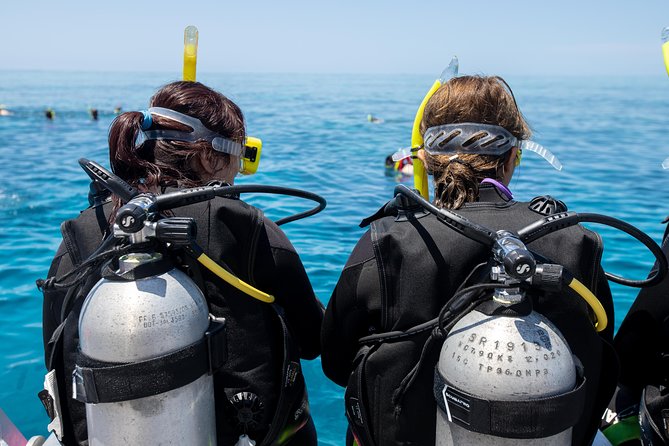
The reef days offer more than a classroom with a better view. You are learning a practical skill in one of the world’s best-known marine areas, within the Great Barrier Reef UNESCO World Heritage Site.
That setting adds real excitement to the course. You may encounter tropical fish, reef sharks, stingrays, or sea turtles while practicing the procedures you learned in the pool.
Still, it is wise to keep expectations realistic. The schedule is built around training, not an all-day wildlife search. Your instructor’s first job is to keep the group safe and help you meet the certification requirements.
The outer reef cruises also make the price easier to understand. Two full-day catamaran trips, reef access, four course sessions, one extra fun dive, equipment, instruction, and onboard lunches are all part of the package.
The reef is not a backdrop you simply admire from the boat. You use it as the setting for your first certified scuba experience. That gives the course a stronger sense of purpose than a standard sightseeing cruise.
Is $677.79 a Fair Price?
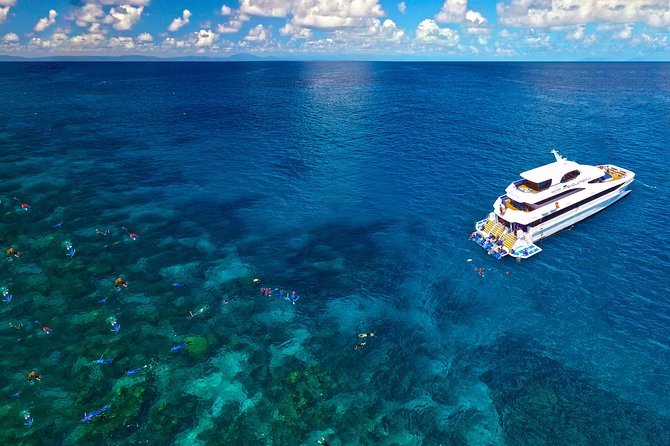
The cost is $677.79 per person. That is a serious expense, but the package includes far more than a single reef outing.
You receive PADI training materials, classroom instruction, pool sessions, scuba equipment, city accommodation transfers, two full-day Evolution cruises, four outer reef scuba sessions, one free fun dive, lunches on both reef days, and all fees and taxes.
Accommodation is not included. Lunch on days one and two is also your responsibility, and you should budget for optional purchases onboard.
For me, the value depends on your goal. If you only want to see the reef from a boat or try scuba once, this course may be more commitment than you need. If you want a qualification that can be used on future trips, the cost compares more favorably because the training and certification are included.
The course is often booked about 50 days ahead, so last-minute availability may be limited. That booking pattern also suggests you should reserve before building your Cairns schedule around it.
Health Rules, Fitness, and Flight Planning
You must complete a health and medication questionnaire before scuba training begins. Certain conditions, including asthma, heart disease, and diabetes, may require a doctor’s letter or email confirming that you are fit to scuba dive.
Any prescription medication can also require clearance. The document must include your full name, the doctor’s name and practice, and approval for scuba activity related to the medication or condition.
People over 45 must have medical clearance from a physician confirming that they are fit to scuba dive. Arrange this before the course begins, not after you arrive in Cairns.
You also need to pass a basic swimming and floating test. The course is not described as suitable only for athletes, but a moderate fitness level is required.
Flight timing needs care. You cannot scuba dive within 24 hours before a flight. If you are flying out of Cairns soon after the course, leave enough time between your final underwater session and departure.
Practical Details That Make the Four Days Easier
Hotel transfers are offered from Cairns city accommodation each day. The listed start point is 287 Draper Street in Parramatta Park, and the activity finishes back at the meeting point.
Bring sunscreen, a hat, swimwear, a towel, and dry clothes. You may also want payment cards or cash for food, drinks, photos, clothing, and other purchases on the boat.
The minimum age is 12. The group maximum is eight people, and confirmation is provided when you book.
The activity requires suitable weather and a minimum number of participants. If the operator cancels for poor weather or because the minimum group size is not reached, you can choose another date or receive a full refund.
You can cancel for a full refund if you do so at least 24 hours before the local start time. Cancellations or changes made inside that 24-hour period are not accepted for a refund.
Who Should Book This Course?
I would recommend this course to a first-time scuba student who wants proper instruction and an internationally useful qualification. It also suits anyone who feels nervous about deep water and wants several days to build confidence rather than being pushed into a single short session.
The course is a good fit if you value small groups, direct instruction, and a clear progression from theory to pool skills to reef practice. Frankie’s teaching style should appeal to you if humor and patience help you learn.
It may not suit you if your Cairns schedule is tight, your fitness level is limited, or you cannot meet the medical and swimming requirements. It also may not be the right choice if you simply want a relaxed reef cruise without classroom work or certification tasks.
Should You Book the PADI Course?
Book it if you want to leave Cairns with a real scuba qualification, not just memories from a boat trip. The combination of a small class, two reef days, four course sessions, an extra fun dive, equipment, transfers, and lunches gives the $677.79 price solid value for a serious beginner.
Before paying, check your flight schedule, medical requirements, and ability to complete the swimming test. If those details work for you, this is a practical way to learn scuba in the Great Barrier Reef with steady instruction and plenty of underwater practice.
FAQ
Is this PADI course suitable for complete beginners?
Yes. The course is designed for people with no previous scuba experience and begins with theory lessons and pool training.
How many days does the course take?
The course lasts approximately four days. The first two days cover classroom and pool work, while the final two days are full-day outer reef cruises.
How many scuba sessions are included?
The course includes four outer Great Barrier Reef scuba sessions, with two on each reef cruise. It also includes one free fun dive.
What certification do I receive?
You receive a PADI Open Water certificate after completing the course. It allows scuba activity to a maximum depth of 60 feet, or 18 meters, and lets you join certified tours, rent equipment, and take advanced PADI courses.
Is equipment included?
Yes. The scuba equipment needed for the course is provided, along with PADI training materials.
Are transfers and meals included?
Cairns city accommodation transfers are included each day. Barbecue lunch is included on the two reef cruise days, but lunch on the first two days is not included.
Can I scuba dive before a flight?
No. Scuba activity is not permitted within 24 hours before your flight. Check your departure time carefully before booking the course.
Just added in Cairns
- From Port Douglas: Sail to Low Isles Great Barrier Reef★ 4.7 · 216 reviews
- Cairns: Great Barrier Reef Pontoon with Water Activities★ 4.8 · 132 reviews
- Shaolin Sunset Sail on Authentic Chinese Junk Boat★ 4.5 · 243 reviews
- Port Douglas: Kuranda tour with Skyrail or Scenic Train★ 4.5 · 64 reviews
- Quicksilver Dive 4 Day PADI Learn to Dive Course★ 5.0 · 35 reviews
- Shaolin Seafood Lunch Sail in Port Douglas★ 5.0 · 38 reviews
- Walkabout Cultural Adventures – Ngana Kulkinga Dungay Full Day★ 5.0 · 54 reviews
- Port Douglas to Cairns ONE WAY Private Transfer 6 pax★ 5.0 · 48 reviews
Great Barrier Reef Tours, compared.
Great Barrier Reef Snorkeling and Diving Cruise from Cairns
Read our review →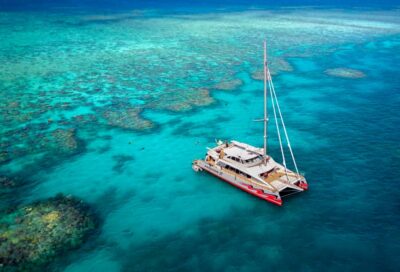
Great Barrier Reef Cruise by Premium Catamaran
Read our review →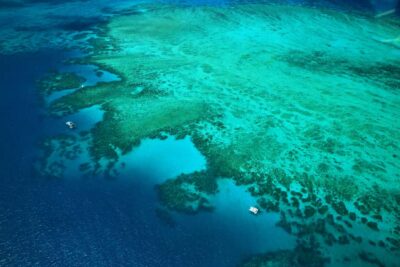
Outer Edges of The Great Barrier Reef Scenic Flight
Read our review →
Passions of Paradise Great Barrier Reef Cruise by Catamaran
Read our review →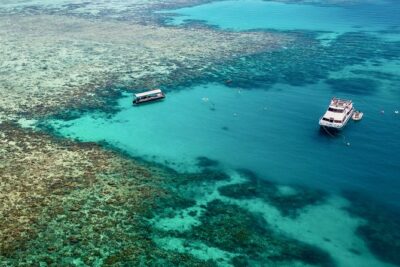
Ocean Freedom Great Barrier Reef Luxury Snorkel and Dive Cruise
Read our review →
Whitsundays & Great Barrier Reef Scenic Flight
Read our review →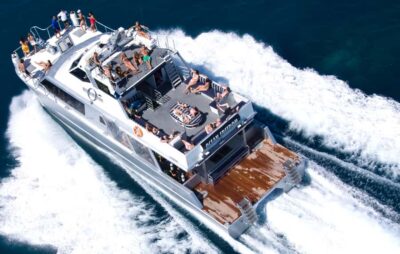
Calypso Outer Great Barrier Reef Cruise from Port Douglas
Read our review →Browse the lists this tour appears in