
Reviewed · SNORKELING AND DIVING
Quicksilver Dive 4 Day PADI Learn to Dive Course
The Great Barrier Reef makes a fine classroom. This four-day course combines small-group instruction in Port Douglas with six underwater sessions at the Agincourt Ribbon Reefs, giving you time to learn carefully rather than rush through a single-day introduction. I like the heated training pool and the personal attention, especially for first-timers who need confidence before heading offshore. I also like that equipment, meals, log books, reef fees, and Port Douglas hotel transfers are included. The main consideration is the pace: you need reasonable fitness, must swim 200 metres and tread water for 10 minutes, and the four-day schedule leaves little room for missed sessions.
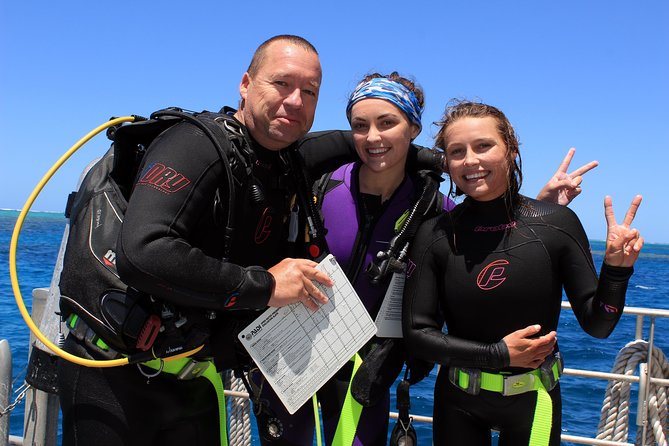
The course has earned a perfect rating from 35 published reviews, with particular praise for instructors including Gordon, India, Adam, Emma, Haylie, Chris, and Jade. That range of positive feedback points to a friendly, reassuring teaching team. Still, this is a real certification course, not a relaxed sightseeing cruise. You will spend two full days learning skills before you reach the reef.
In This Review
- Key points to know before booking
- Two days to build confidence in Port Douglas
- What you must be able to do
- Day three: from Port Douglas to Agincourt Reef
- Day four: completing the certification
- Why the instructors matter so much
- The value of the package
- Who will get the most from this course
- Practical planning for Port Douglas
- Should you book the Quicksilver course?
- FAQ
- Where does the course begin?
- How long is the course?
- How many open-water sessions are included?
- Is hotel pickup included?
- What swimming ability is required?
- How long should I wait before flying?
Key points to know before booking
- Two days at a heated training pool: The first stage takes place at Quicksilver Dive Training Centre on Warner Street in Port Douglas, where theory and practical skills are taught together.
- Six reef sessions included: Four are mandatory for certification, followed by two additional sessions for practice and enjoyment.
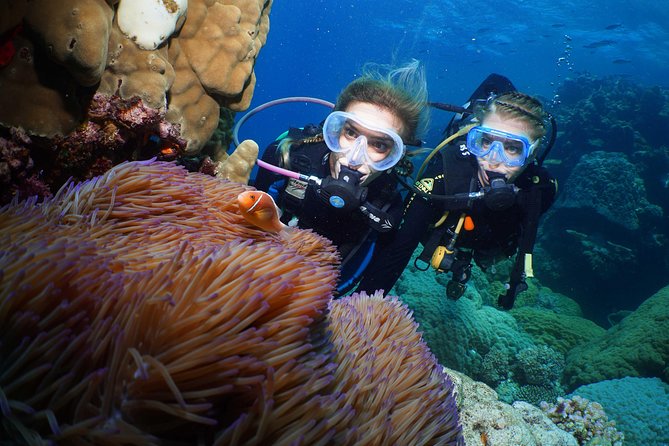
- Agincourt Ribbon Reefs on days three and four: The final part takes you to the Outer Reef and the Great Barrier Reef for open-water certification.
- Groups are capped at eight people: That small maximum should give you more access to your instructor and more time to ask questions.
- Port Douglas transfers, meals, and equipment are covered: Transfers from Cairns and the Northern Beaches cost extra, so location matters when you compare the value.
- Plan around the no-fly rule: The final scheduled session ends by 2:30 pm, but you should not fly for 24 hours after scuba activity.
Two days to build confidence in Port Douglas
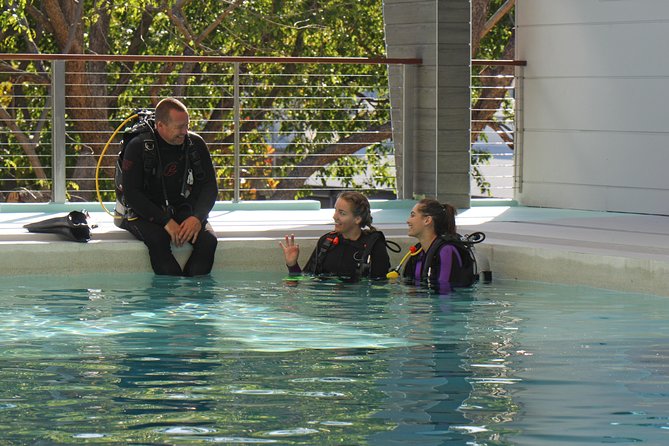
Your course begins at 8:30 am at 19 Warner Street, Port Douglas. Days one and two take place at the Quicksilver training centre, not on a boat. That is a useful design choice. You learn the basic theory and equipment skills in a controlled setting before dealing with open water, currents, a boat, and the sheer scale of the reef.
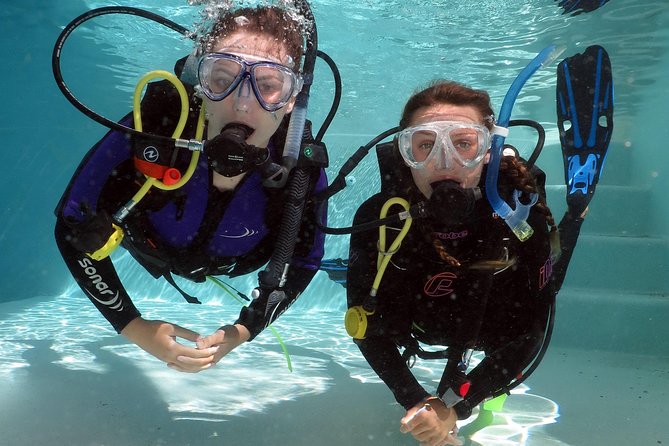
The heated pool is especially valuable if you are nervous about your first underwater session. You can work through the required skills in stages, repeat anything that feels uncertain, and get used to breathing through the equipment without the added pressure of a reef trip. The course is meant to prepare you to be safe and self-reliant, not simply to give you a quick glimpse beneath the surface.
You should expect a focused two days. The course information describes a combination of theory and practice, and past participants have called the program intense, especially when paired with online learning. Some people complete the knowledge portion through e-learning before arriving, while this four-day format places the initial training at the centre. Check exactly which study work applies to your booking so you know how much preparation to complete beforehand.
The maximum group size of eight is one of the strongest features here. A small class gives your instructor more opportunity to watch your technique and address concerns. It also helps if you are learning with a partner or family member, since you can progress together without being lost in a large group.
The instructors receive consistent praise for making beginners feel calm and secure. India was singled out for balancing safety, confidence, and fun. Emma was praised for checking that everyone felt ready during each session, while Haylie was appreciated for her gradual teaching style. That matters because comfort in the water is not the same as swimming ability. You may be fit enough for the course and still need time to get used to the equipment.
More Snorkeling and Diving in Cairns
- Quicksilver Great Barrier Reef Snorkel Cruise from Port Douglas
★ 4.5 · 782 reviews - Port Douglas: Outer Great Barrier Reef Snorkeling Cruise
★ 4.9 · 711 reviews - Full Day Low Isles Sailing & Snorkelling Cruise from Port Douglas
★ 5.0 · 565 reviews
What you must be able to do
You need to swim 200 metres, or 300 metres while wearing a mask, fins, and snorkel. You must also tread water or float for 10 minutes. These tests are not optional details tucked away in the paperwork. They are a basic measure of your ability to manage yourself in the water.
The course recommends a moderate level of physical fitness. You should be comfortable with repeated water sessions and with spending full days involved in training and reef activity. If you have asthma, a heart condition, diabetes, or another medical issue, you may need a medical certificate before you begin.
You will complete a Student Diver Medical Declaration before starting. A positive answer to any question indicates that you may need a medical examination and a certificate confirming that you are fit for scuba activity. If this applies to you, arrange it early. The certificate must be completed within 90 days of the course start date.
The minimum age is 10. That makes the program suitable for families with older children, provided each child can meet the swimming and water-safety requirements. Parents should also consider the concentration and stamina needed for a four-day certification program.
Day three: from Port Douglas to Agincourt Reef
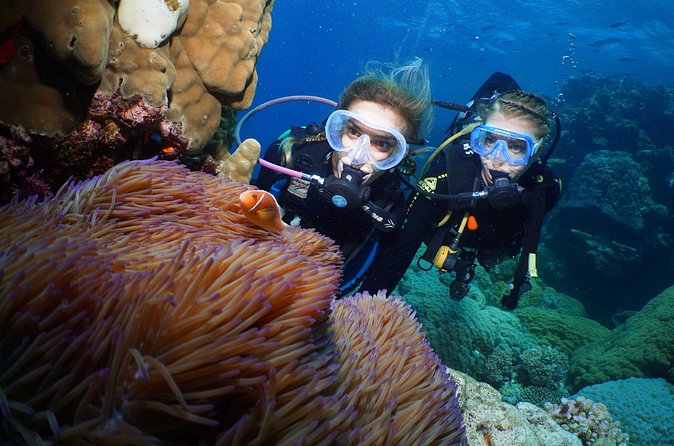
The third day moves from the training pool to the Outer Reef. Agincourt Reef is part of the Ribbon Reef system, and it is where your newly learned skills are put into practice in a natural setting. The shift from a heated indoor pool to the open reef is a major change, which is exactly why the first two days matter.
You will complete some of the four required open-water sessions across the two reef days. The course includes six sessions in all, with two additional ones described as fun sessions. That structure gives you a chance to continue practicing once the mandatory certification work is complete.
The reef setting adds plenty of interest, but it also adds variables that a pool cannot provide. You must pay attention to your instructor, equipment, surroundings, and comfort level. The course is designed to build a confident, safe participant, so do not treat the extra sessions as a contest. You gain more from steady practice than from trying to prove how adventurous you are.
Lunch, morning tea, and afternoon tea are included each day. That is practical on a full training schedule. You do not need to arrange food between sessions, and the reef fee, known as the Environmental Management Charge, is already covered.
All standard scuba equipment is included, along with a log book. Prescription masks are available if you need one. The inclusion of equipment keeps the upfront planning simple, especially if this is your first certification and you do not yet own a mask, fins, or other kit.
Souvenir photographs are not included. If you want pictures from the reef days, budget separately for them. The important value here is the certification and the included training rather than a photo package.
Day four: completing the certification
The fourth day returns to the Agincourt Ribbon Reefs and the Great Barrier Reef setting for the remaining required sessions. You are not simply repeating a sightseeing outing. By this point, you are using the skills learned in the pool and applying them in open water under instructor supervision.
The final day is also when you can begin to feel the reward of the course. The reef is no longer just something you view from the surface. You have the chance to move through it using the skills you have developed, record the sessions in your log book, and finish with PADI Gold Open Water certification if you meet the course requirements.
The final scheduled session finishes by 2:30 pm. That timing is helpful for planning the rest of your Port Douglas stay, but it does not make flying later that day a good idea. The operator recommends waiting 24 hours after scuba activity before flying, so schedule your flight for a later date.
The exact order of the six sessions may depend on instruction and conditions. The fixed points are clear: two days of training in Port Douglas, followed by two reef days at the Agincourt Ribbon Reefs and the Great Barrier Reef. If you need a strict hour-by-hour plan, ask the operator before booking.
More Snorkeling and Diving in Port Douglas:
- Port Douglas: Low Isles Glass Bottom Boat & Snorkeling Tour
★ 4.7 · 469 reviews - Port Douglas: Outer Barrier Reef Snorkel and Dive Options
★ 4.9 · 438 reviews - Outer Reef Mackay Cay Sail & Snorkel Adventure from Port Douglas
★ 5.0 · 436 reviews - Half Day Low Isles Snorkelling Tour from Port Douglas
★ 5.0 · 390 reviews
Why the instructors matter so much
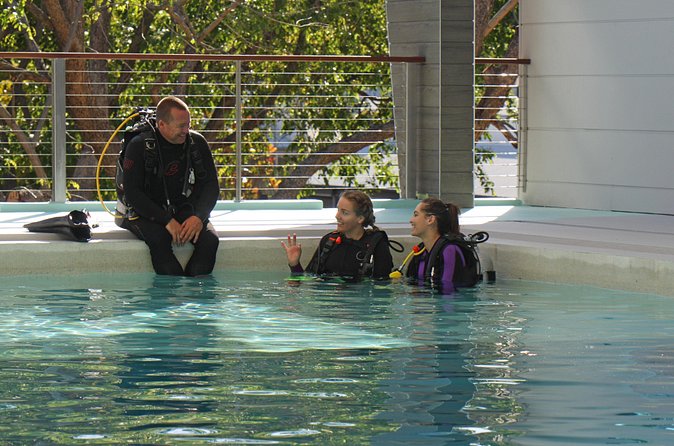
A certification course succeeds or fails on teaching quality. The strongest feedback about this program focuses on the staff, not just the reef. Gordon is praised for being welcoming and accommodating, while Adam receives repeated approval from families completing the course with teenagers.
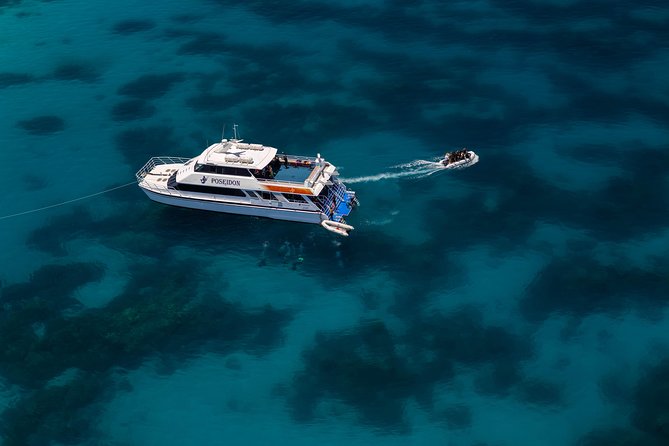
India is noted for helping new participants feel safe and confident aboard the Supersonic. Emma is praised for making sure everyone felt prepared during each session. Haylie is remembered for introducing skills gradually, a useful approach when you are still learning how to control your breathing and movement underwater.
Chris and Jade also receive praise for their friendly treatment of younger participants. That is good news for parents, who often worry less about the reef itself than about whether an instructor will communicate well with a 14 or 16-year-old.
I would still encourage you to speak up. Tell your instructor if you feel anxious, cold, tired, or unsure about a task. Small groups make those conversations easier, and the teaching approach appears to favour calm repetition over pressure.
The value of the package
The listed price is shown as $0 per person, which is not a usable final price for judging the course. Treat that figure as a display issue and confirm the current amount before you pay. The value comes from what the package includes, not from the displayed number.
You receive:
- Two Outer Reef day trips
- Six open-water sessions
- All scuba equipment
- A log book
- PADI Gold Open Water certification
- The Environmental Management Charge
- Heated pool training
- Lunch and morning and afternoon tea each day
- Return coach transfers from Port Douglas accommodation
- Prescription masks when required
For a first certification, that is a substantial package. You are paying for instruction, pool access, reef transport, food, equipment, and the certification process in one booking. You also avoid buying equipment before you know if scuba activity will become a regular hobby.
Location affects the value. Hotel pickup and drop-off are included only from Port Douglas accommodation. If you stay in Cairns or the Northern Beaches, return coach transport costs extra. That additional charge can change the final price, so compare the full amount rather than the advertised starting figure.
The four-day format also has value for beginners. A shorter program might look cheaper, but extra time gives you room to learn skills, ask questions, and settle into the equipment before certification. The drawback is that you must give the course four days of your holiday, with three of those days described as intense or full-day commitments.
Who will get the most from this course
This course suits you if you want a proper PADI Open Water qualification rather than a one-time introductory session. It is also a good fit if you are staying in Port Douglas and want to combine structured learning with two days on the Great Barrier Reef.
Families with teenagers may appreciate the patient teaching style and the minimum age of 10. Couples in their fifties have also completed the program successfully, showing that you do not need to be a young athlete. You do need the required swimming ability, moderate fitness, and enough comfort in the water to keep practicing.
The small-group limit makes this a stronger choice for nervous beginners than a large class. It is also useful if you prefer to learn by doing, since the course connects classroom theory, pool practice, and reef sessions in a clear progression.
This may not suit you if your Port Douglas schedule is tight. Missing a training day could disrupt the certification process, and the program requires more commitment than a casual half-day reef outing. It may also be a poor match if you cannot meet the swim test, need to fly soon after the final session, or have a medical condition that has not been cleared.
Practical planning for Port Douglas
The course begins at 8:30 am at the Warner Street training centre. Port Douglas accommodation pickup is included, but confirm the pickup details with the operator after booking. The meeting point is also where the activity ends.
The course commences every Tuesday and can operate on request. That gives you some flexibility, although you should plan early because the average booking lead time is about 26 days. A small maximum of eight people can limit availability during busy periods.
Bring the usual personal items you need for a full day around water, but remember that the supplied package covers the scuba equipment. You should also allow time to complete forms and any required medical process before day one. If you need a medical certificate, do not leave it until the morning of the course.
Free cancellation is available if you cancel at least 24 hours before the local start time. Changes or cancellations inside that window are not accepted for a refund. That policy is reasonably flexible, but the medical and flight rules deserve more attention than the cancellation terms.
Should you book the Quicksilver course?
I would book this if you want a real qualification, have four days available, and prefer patient instruction before reaching the reef. The combination of a heated training pool, a maximum of eight participants, six open-water sessions, and included equipment gives beginners a sensible path from uncertainty to certification.
The strongest reason to choose it is the teaching team. Names such as Gordon, India, Adam, Emma, Haylie, Chris, and Jade are repeatedly associated with calm, friendly instruction and good support for both adults and teenagers. That personal care is worth more than a fancy boat or a packed schedule when you are learning a new skill.
Before booking, confirm the actual price, check whether your accommodation qualifies for free transfers, and allow 24 hours between your final session and any flight. If you can meet the swim test and medical requirements, this looks like a well-organized way to earn your PADI Gold Open Water certification on the Great Barrier Reef.
FAQ
Where does the course begin?
It begins at 8:30 am at the Quicksilver Dive Training Centre, 19 Warner Street, Port Douglas, Queensland. The activity ends back at the meeting point.
How long is the course?
The course lasts approximately four days. The first two days take place at the Port Douglas training centre, and days three and four are reef trips.
How many open-water sessions are included?
Six open-water sessions are included. Four are mandatory for certification, and two are additional fun sessions.
Is hotel pickup included?
Return coach transfers are included from Port Douglas accommodation only. Transfers from Cairns and the Northern Beaches cost extra.
What swimming ability is required?
You must swim 200 metres, or 300 metres with a mask, fins, and snorkel, and tread water or float for 10 minutes.
How long should I wait before flying?
You should not fly for 24 hours after scuba activity. The final scheduled open-water session finishes by 2:30 pm.
Just added in Port Douglas
- From Port Douglas: Sail to Low Isles Great Barrier Reef★ 4.7 · 216 reviews
- Shaolin Sunset Sail on Authentic Chinese Junk Boat★ 4.5 · 243 reviews
- Port Douglas: Kuranda tour with Skyrail or Scenic Train★ 4.5 · 64 reviews
- Shaolin Seafood Lunch Sail in Port Douglas★ 5.0 · 38 reviews
- Walkabout Cultural Adventures – Ngana Kulkinga Dungay Full Day★ 5.0 · 54 reviews
- Port Douglas to Cairns ONE WAY Private Transfer 6 pax★ 5.0 · 48 reviews
- Premium Guided Dive Trip – Outer Great Barrier Reef★ 5.0 · 63 reviews
- Poseidon Outer Great Barrier Reef Snorkeling and Diving Cruise from Port Douglas★ 4.5 · 101 reviews
Snorkeling and Diving, compared.
Ocean Rafting: Whitehaven Beach, Snorkelling & Hill Inlet Lookout
Read our review →
Great Barrier Reef Snorkeling and Diving Cruise from Cairns
Read our review →
Whitehaven Beach and Hill Inlet Lookout Snorkeling Cruise
Read our review →
Snorkel, Hill Inlet Lookout & Whitehaven Beach
Read our review →
Ocean Freedom Great Barrier Reef Luxury Snorkel and Dive Cruise
Read our review →
Premium Snorkelling and Diving Reef Day Trip
Read our review →
Magnetic Island Discovery Tour with Snorkeling & Paddle Boarding
Read our review →Browse the lists this tour appears in