
Reviewed · HISTORICAL TOURS
Tae Rak (Lake Condah) 2-Hour Cultural Tour
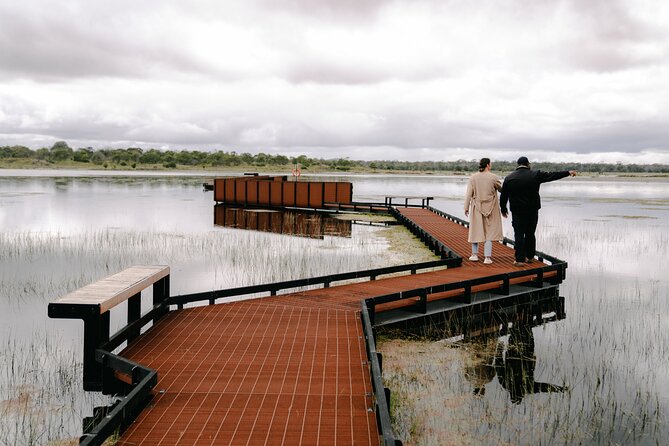
Eels turn lava into a classroom. The Tae Rak, or Lake Condah, Cultural Tour brings Gunditjmara stories, wildlife, and an ancient aquaculture system together in a calm two-hour walk. I like the Gunditjmara-led storytelling, which gives the place meaning beyond its striking geology, and I like the close look at kooyang, or eel, harvesting traditions. The main drawback is value: at $63.83 per person, the tour may feel brief if you expect tastings, extensive transport, or a full-day cultural program.
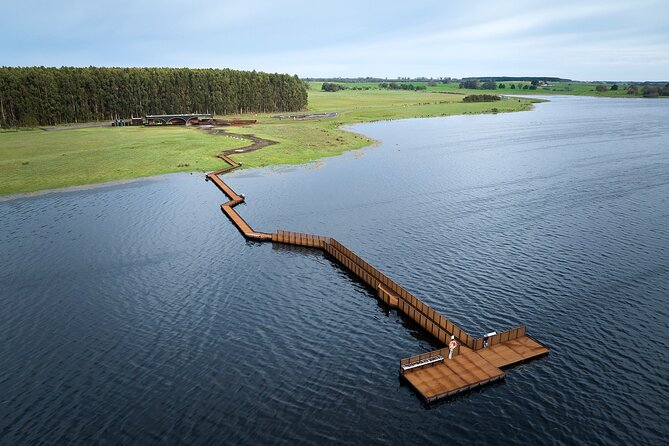
You begin at the Tae Rak Aquaculture Centre, then follow the western edge of the lake toward a weir and a broad network of stone traps and waterways. The morning and afternoon departures make planning easy, but coffee, tea, and snacks cost extra, and eel samples are not part of the advertised tour.
In This Review
- Key points to know before you book
- Why Tae Rak is more than a pretty lake
- Starting at the Tae Rak Aquaculture Centre
- Creation stories beside Lake Condah
- Following the western edge toward the weir
- Kooyang, lava, and the Gunditjmara food system
- What the group size and timing mean
- The parts I like most
- The limits you should weigh
- Who should book this Lake Condah walk?
- Should you book the Tae Rak Cultural Tour?
- FAQ
- How long is the Tae Rak Cultural Tour?
- What is the price of the tour?
- Where does the tour begin?
- Does the tour include food or drinks?
- Is the tour available in the morning and afternoon?
- How many people can join the tour?
- What happens if bad weather cancels the tour?
Key points to know before you book
- Gunditjmara guides lead the experience: You hear creation stories, historical accounts, and cultural explanations from the people connected to Tae Rak.
- The eel system is the star attraction: Kooyang holding tanks, processing facilities, waterways, lava channels, and stone traps show how food production shaped community life.
- The walk connects nature and culture: Birdlife, culturally important plants, lake habitats, and ancient engineering are explained as parts of one living place.
- Two hours keeps the tour manageable: You get a focused introduction rather than a long day in the field.
- The centre adds context before the walk: Its tank, processing area, café, and retail space help you understand what you see outside.
- The tour is popular but not private: It has a maximum of 30 people, so the guide’s voice and your position in the group may matter.
Why Tae Rak is more than a pretty lake
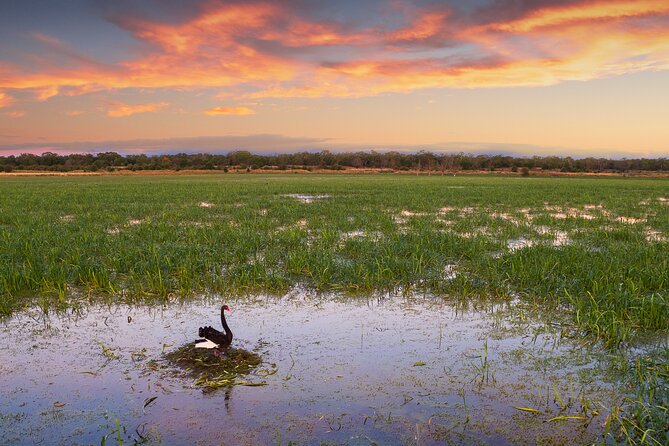
Tae Rak is the Gunditjmara name for Lake Condah, a place where water, lava, animals, plants, and human skill are closely linked. The tour introduces the Budj Bin Cultural Landscape through Gunditjmara creation stories and accounts of life on Country over more than 39,000 years.
That time span matters. You are not simply looking at old stonework beside a lake. You are learning how people read water flow, worked with volcanic rock, managed eels, and built food systems that supported community life over many generations.
I find that this is the tour’s strongest feature. The geology is interesting on its own, but the guide helps you see it as part of a cultural system. Lava flows are not just black rock formations. They became channels, barriers, holding areas, and eel traps.
The experience also has a clear connection to present-day Gunditjmara identity. The design of the main building and the way the cultural material is presented are intended to show respect for Country and culture. That sensitivity was one of the most praised parts of the experience, and it should matter to you if you want a cultural tour that does not reduce First Nations traditions to a quick photo stop.
More history tours in Australia:
- Ultimate Melbourne Walking Tour: History, Laneways & Culture
★ 5.0 · 1,451 reviews - Puffing Billy Railway: Heritage Steam Train Journey
★ 4.6 · 1,195 reviews - Morning World Heritage Cruise on the Gordon River from Strahan
★ 5.0 · 1,193 reviews
Starting at the Tae Rak Aquaculture Centre
Your Gunditjmara guide meets you at the Tae Rak Aquaculture Centre. The centre provides a useful introduction before you head outdoors, so you are not expected to understand the full eel system at first glance.
The opening overview includes the centre itself, a kooyang holding tank, the processing facility, the café, and the retail area. The holding tank gives you a direct look at the animal at the heart of the tour. Eels are not treated as a curious side note. They are central to the story of food, technology, Country, and Gunditjmara life.
The processing facility adds another practical layer. It helps explain that eel harvesting was not only about catching food. It involved holding, preparing, and managing the catch. The tour also introduces traditional kooyang harvesting, giving you a clearer idea of the knowledge required to work with the waterways.
I would arrive with enough time to look around the centre before the walk begins, but I would not count on refreshments being included. Coffee, tea, and snacks are not part of the tour price. The café can be useful before or after your walk, and one particularly distinctive option mentioned by the operator is eel charcuterie. It is an extra purchase, not a guaranteed part of the guided experience.
Creation stories beside Lake Condah
After the centre introduction, the guide explains Gunditjmara creation stories and points out the lake’s marine and birdlife. This is where the tour shifts from an indoor orientation to a much wider view of Tae Rak.
The stories give you a cultural way to read the water. Instead of seeing the lake only as habitat, you begin to understand it as a place shaped by relationships between people, animals, plants, and spiritual traditions. The guide also connects these stories to the physical setting, so the natural features around you become easier to notice.
The fauna and flora are not included as a general nature checklist. The focus is on species and plants with cultural importance, along with the way they fit into the Tae Rak setting. You might find the pace more reflective than dramatic. This is not advertised as a wildlife safari, and there is no promise of close animal sightings. The value comes from learning what to look for and why it matters.
The peaceful setting is part of the appeal. One visitor described the experience as a quiet way to learn about thousands of years of culture, history, and steps toward reconciliation. That is a useful expectation to carry with you. The tour is thoughtful and place-based, not loud or packed with attractions.
Following the western edge toward the weir
The walk continues along the western edge of the lake toward a weir. This section gives you a better view of the ancient water-management system and the wide spread of stone aquaculture sites.
The weir and lava formations help show how the Gunditjmara used the natural contours of the area. Waterways and stone structures were arranged to assist with eel harvesting and holding. The exact significance of each feature is best explained on site, because the guide can point to the structures as you see them rather than leaving you with a diagram or a general description.
This part should appeal to anyone who enjoys archaeology, engineering, or practical history. The stonework is not presented as an isolated monument. It is evidence of a working system. You can think of it as food technology built into the volcanic terrain.
The experience is also a reminder that ancient does not mean simple. The aquaculture system required observation, planning, and an understanding of water movement. The tour’s explanation of lava traps and how they were made is one of its most useful teaching points.
The walk lasts about two hours in total, so expect an introduction rather than an exhaustive survey of every site around Tae Rak. If you want a long hike or a full archaeological field trip, this may feel limited. If you want a focused cultural orientation that fits into a larger day in western Victoria, the length works well.
A completely different kind of day out:
- Sydney: Opera House Guided Tour with Entrance Ticket
★ 4.8 · 8,312 reviews - All Inclusive Blue Mountain,Scenic World,Lunch,Koalas,ferry
★ 5.0 · 7,832 reviews - Great Ocean Road Small-Group Eco Tour from Melbourne
★ 5.0 · 6,607 reviews - From Melbourne: Great Ocean Road, 12 Apostles, Wildlife Tour
★ 4.7 · 6,020 reviews
Kooyang, lava, and the Gunditjmara food system
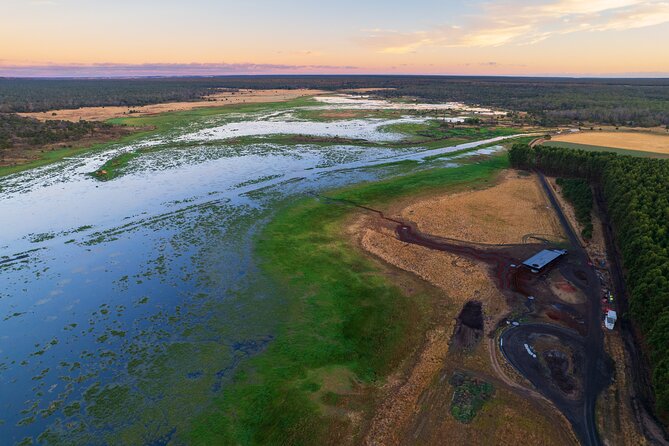
The eel story gives the tour its strongest thread. You learn about the First Peoples’ relationship with kooyang, including traditional harvesting and the ways eels were handled within the aquaculture system.
That relationship makes the visit more meaningful than a simple look at traps in the rocks. You are shown how a food source could influence settlement, technology, seasonal activity, and community knowledge. The eel becomes a way into a much larger story about Gunditjmara life.
The tour does not promise an eel tasting. This is important because the centre may offer eel products or samples separately, and the café has been associated with eel charcuterie. If sampling kooyang is a priority, ask what is available when you arrive rather than assuming it is included.
That small distinction can affect how you judge the price. At $63.83, the fee pays for a guided cultural walk and interpretation, not a meal or a series of extras. I think the price is fair for a specialist cultural experience with a Gunditjmara guide, especially if you value context and respectful presentation. I would be less enthusiastic about the price if you mainly want to see the lake quickly or expect several included food experiences.
What the group size and timing mean
The maximum group size is 30 people. That is not a tiny group, so your position may affect how clearly you hear and how easily you can see a feature when the guide stops. The tour’s rating of 4.9 from 203 ratings and its 98 percent recommendation rate suggest the format works well for most people, but a group of this size will naturally feel less personal than a private walk.
Morning and afternoon departures give you useful flexibility. You can fit the tour around a wider visit to the region, though the supplied information does not specify exact departure times. Check the selected session carefully when booking.
The tour returns to the meeting point. The listed start point is at Breakaway Creek, with the experience associated with the Tae Rak Aquaculture Centre. Confirm the precise arrival instructions on your booking confirmation so you are waiting at the right place.
An air-conditioned vehicle is included among the tour features. The main activity is described as a walk around the centre and lake edge, so the vehicle may support the experience rather than replace the walking portion. Restrooms are available on site.
Most people can take part, and service animals are allowed. The tour requires good weather. If poor conditions cause cancellation, you are offered another date or a full refund. A minimum number of participants is also required, so an under-filled departure can be rescheduled or refunded.
The parts I like most
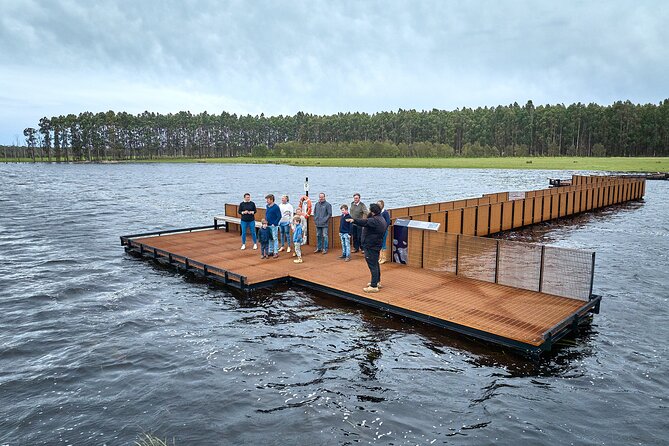
I like that the tour begins with an explanation of the centre before asking you to interpret the outdoor sites. That order makes sense. The kooyang holding tank and processing facility provide a practical foundation, while the later walk shows how the wider system worked.
I also like the balance between spoken stories and physical evidence. You hear creation accounts and historical explanations, then see waterways, stone structures, lava traps, and the lake itself. The tour does not rely on a museum display alone.
The guide’s cultural position is another major strength. The most valuable comments about the experience praise the respect shown for Gunditjmara culture and the care taken with the building design. Those details suggest that the presentation is not an afterthought added to a scenic walk.
The setting should also suit you if you prefer a quieter experience. The lake, birdlife, and natural surroundings create room for attention and reflection. Two hours passes quickly because the tour covers several connected subjects without trying to turn the outing into a full-day program.
The limits you should weigh

The tour is not designed as a food tour. Coffee, tea, and snacks are extra, and eel tastings are not listed as included. If you have travelled a long way hoping for a genuine hands-on food experience, ask about available eel samples or charcuterie before you commit.
The short duration is another consideration. Two hours is enough to introduce Tae Rak and the aquaculture system, but not enough to cover every aspect of Gunditjmara culture or all the sites in the wider area. I would pair it with other visits in western Victoria rather than treating it as the only cultural activity of your trip.
Group size may also affect your experience. Thirty people is a reasonable maximum for an organized tour, but it can reduce opportunities for long personal conversations with the guide. Arriving prepared to listen closely will help.
Finally, this is a weather-dependent activity. The setting is part of the lesson, so poor conditions can stop the tour from operating. You receive a new date or a full refund if the operator cancels for weather, but a cancellation could still affect a tightly planned itinerary.
Who should book this Lake Condah walk?
I would recommend the tour to you if you want a respectful introduction to Gunditjmara culture, enjoy learning how people used natural systems, or have a particular interest in First Nations food traditions and aquaculture.
It also suits families and mixed-age groups because the walk lasts about two hours and combines stories, wildlife, buildings, and visible stone structures. Most people can participate, and the on-site restroom is helpful for a short outing.
You may want to skip it if you are seeking a strenuous hike, a private guide, or a meal included in the ticket. You should also check the food options directly if eel tasting is the main reason for your visit.
At $63.83, the best value comes from the guide’s interpretation. The lake is free to look at, but the meaning behind the traps, waterways, eels, plants, and stories is what you are paying to understand.
Should you book the Tae Rak Cultural Tour?
Book it if you want the place explained by a Gunditjmara guide rather than viewed from the roadside. The combination of creation stories, kooyang traditions, birdlife, lava channels, and ancient stone aquaculture gives you a clear introduction to why Tae Rak matters.
Go in with realistic expectations. You are booking two hours of cultural interpretation, not an all-day expedition or included tasting menu. Ask about eel products at the centre, choose the morning or afternoon session that fits your plans, and allow for the possibility of weather changes.
For a focused, respectful visit to Lake Condah, I think it is a strong choice. Its high rating is understandable because the experience connects the physical remains to living culture, and that is something a self-guided stop would struggle to provide.
FAQ
How long is the Tae Rak Cultural Tour?
The tour lasts approximately two hours.
What is the price of the tour?
The listed price is $63.83 per person.
Where does the tour begin?
The listed meeting point is at Breakaway Creek, with the tour beginning at the Tae Rak Aquaculture Centre. Check your confirmation for the precise arrival details.
Does the tour include food or drinks?
No. Coffee, tea, and snacks are not included. Eel products or samples may be available separately at the centre, but they are not part of the advertised tour inclusions.
Is the tour available in the morning and afternoon?
Yes. You can choose from a morning or afternoon walk.
How many people can join the tour?
The tour has a maximum group size of 30 people.
What happens if bad weather cancels the tour?
If poor weather causes cancellation, you can choose another date or receive a full refund. A minimum number of participants is also required, and a departure canceled for that reason may be moved or refunded.
Just added in Australia
- Yarra Valley: Hot Air Balloon Flight & Buffet Breakfast★ 4.8 · 41 reviews
- Yeppoon: Great Keppel Island Luxury Sail & Snorkel Day Tour★ 4.7 · 71 reviews
- Wirrina Cove: Coastal Sightseeing Boat Tour with Seal Colony★ 4.7 · 23 reviews
- Yarra Valley Foodies Tour with Chandon and Kangaroo Safari!★ 4.9 · 304 reviews
- Yarra Valley: Winery Tour with Lunch at Yering Station★ 5.0 · 143 reviews
- Yarra River: 1.5-Hour Scenic Sunset Public Cruise★ 4.3 · 57 reviews
- Brisbane: Sirromet Winery Tour with Tasting & 2-Course Lunch★ 4.7 · 71 reviews
- From Melbourne: Wilsons Promontory Wilderness Tour★ 4.7 · 103 reviews
Historical Tours, compared.

Ultimate Melbourne Walking Tour: History, Laneways & Culture
Read our review →
Puffing Billy Railway: Heritage Steam Train Journey
Read our review →
Morning World Heritage Cruise on the Gordon River from Strahan
Read our review →
World Heritage Cruise on Gordon River with Lunch
Read our review →
Experience History onboard The Mary Valley Rattler
Read our review →
Snorkel & Dive the Reef: Sustainable, Scientific & Cultural Tour
Read our review →
Derwent River Historic Harbour Cruise From Hobart
Read our review →Browse the lists this tour appears in