
Reviewed · BLUE MOUNTAINS TOURS
Stargazing with an Astronomer in the Blue Mountains
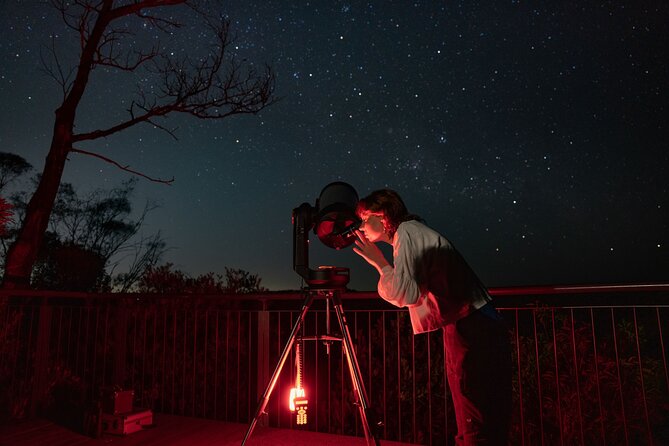
The stars take center stage here. This 90-minute evening in the Greater Blue Mountains pairs a professional telescope with an astrophysicist who explains the Southern Hemisphere sky in plain language. I like the chance to spot the Southern Cross, planets, star clusters, and distant galaxies while learning how to find constellations without equipment. I also like the small comforts, especially the complimentary hot chocolate and warm blankets mentioned by guests.
The main drawback is the weather. Wind, cloud, or poor visibility can change the outdoor plan, and the weather policy needs careful reading before you book. The meeting point is at Wentworth Falls Lookout Track, but a windy night may mean viewing from a nearby park instead of the lookout.
In This Review
- Key points to know before booking
- Why the Blue Mountains are a good place for stargazing
- What happens during the 90-minute session
- The telescope is useful, not just impressive
- The guides make the difference
- Hot chocolate, blankets, and the cold-night reality
- Weather is the biggest practical question
- Is $60.97 a fair price?
- Who will enjoy this most?
- FAQ
- Where does the stargazing tour start and finish?
- How long does the experience last?
- What might I see through the telescope?
- Is the tour suitable for wheelchair and stroller users?
- What happens if the weather is poor?
- How many people can join the tour?
- Should you book Blue Mountains Stargazing?
Key points to know before booking
- Southern Hemisphere highlights: You may see the Southern Cross, the Moon, planets, and deep-space objects that are difficult or impossible to view from many northern locations.
- A real astronomy guide: The tour is led by an astrophysicist with more than ten years of experience, with English and French available.
- Professional equipment: A state-of-the-art telescope, astronomy binoculars, and laser-guided constellation explanations make this more than a casual look at the stars.
- Small enough to stay personal: The group maximum is 20 people, and the format includes time for questions.
- Comfort matters: Hot chocolate is provided, weather permitting, and warm blankets have been available on some evenings.
- Weather can alter the evening: At 1 pm on the tour day, you will be told if the outdoor session is affected. An indoor planetarium option may run if at least eight people attend.
Why the Blue Mountains are a good place for stargazing
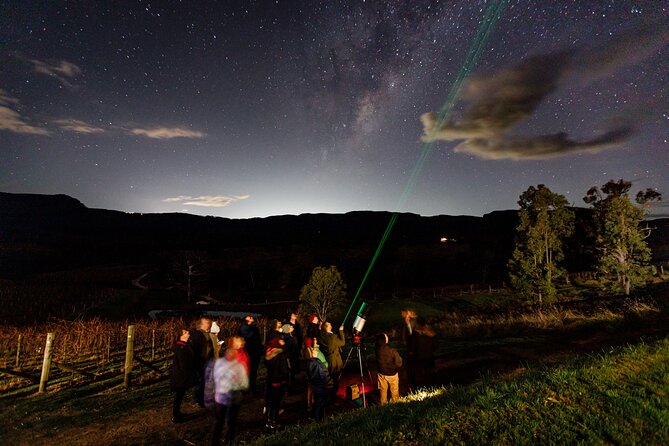
The Greater Blue Mountains provide a striking setting for night-sky viewing. Away from the bright lights of a major city, the sky can reveal far more than the few stars visible from an urban street. The setting also gives the tour a stronger sense of place than a standard planetarium visit.
The meeting point is on the Wentworth Falls Lookout Track in New South Wales. The activity ends at the same place, so you do not need to arrange a second pickup point at the end of the night. It is near public transportation, though the supplied details do not specify a particular route or service, so you should check your own connection before booking.
You will not simply arrive, look through a telescope, and leave. The session begins as the evening sky changes from sunset to twilight and then to darkness. That gradual shift matters. It lets you watch the Southern Cross appear rather than having it pointed out after the sky is already black.
One particularly memorable target is Crux, better known as the Southern Cross. If you come from the Northern Hemisphere, this may be your first proper look at it. A couple from Colorado described seeing the stars appear through twilight as a magical moment. That is exactly the sort of detail that makes this outing special: the appeal is not only the equipment, but also seeing a different part of the sky.
More Sunset Tours in Sydney
- Blue Mountains Sunset Waterfalls Wildlife Tour From Sydney
★ 4.7 · 897 reviews - Blue Mountains Sunset Tour with Kangaroo Sightings from Sydney
★ 4.5 · 269 reviews - Intimate Blue Mountains Wild Kangaroos & Sunset for Nature Lovers
★ 5.0 · 169 reviews
What happens during the 90-minute session
The tour lasts about an hour and a half, which is long enough to cover the basics without turning into a late-night lecture. The format is interactive and includes storytelling, guided sky watching, telescope use, binocular viewing, and questions for the astronomer.
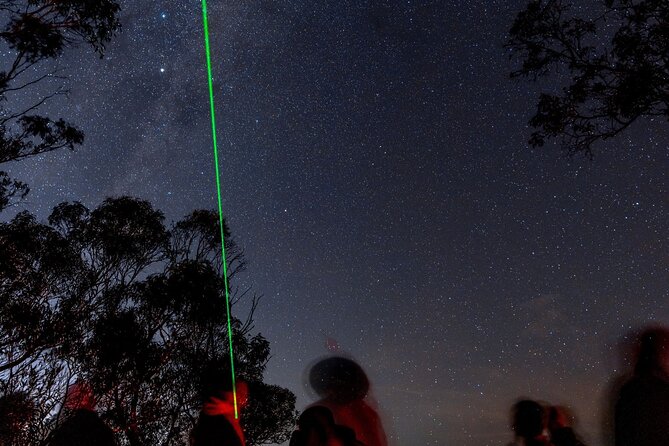
You begin by learning how to identify constellations with your naked eye. This is an important part of the program. A telescope can show you a planet or nebula, but knowing where to look helps you make sense of the whole sky. The laser-guided explanations are designed to connect individual stars into recognizable patterns.
The guide then brings in the equipment. The telescope is professional grade, and astronomy binoculars are also used. That combination gives you two different ways to view the sky. Binoculars can help you see a wider star field, while the telescope offers a closer look at selected objects.
The exact targets depend on the season, the time of night, and the conditions. Possible sights include:
- The Moon and its craters
- Mars or Venus
- Saturn and its rings
- Jupiter and its moons
- The Orion Nebula
- Star clusters
- Double and triple stars
- Galaxies
- The Milky Way
There is no honest way to promise every object on that list during one visit. Some are only visible at certain times of year, while clouds, wind, and haze can limit the session. The value comes from having a trained guide choose the best available targets instead of trying to identify them on your own.
The question-and-answer time is another strong feature. The guides have been praised for making the information easy to follow, and the format gives you room to ask about what you are seeing. Nathan has been singled out for clear and interesting explanations, while Tom and Alka have also been praised for their friendly approach and willingness to engage with the group.
The telescope is useful, not just impressive
A large telescope can look impressive sitting on a tripod, but the real test is how well it helps you understand the sky. Here, the equipment is part of a guided lesson rather than a decorative extra.
If the Moon is visible, you might see craters and sharper surface details. If a planet is in a good position, the telescope may reveal features that are invisible to the naked eye. Saturn’s rings and Jupiter’s moons are especially rewarding examples because they show you that the points of light overhead are actual worlds with structure and motion.
Fainter targets offer a different kind of pleasure. A nebula, star cluster, or galaxy may not look like a bright photograph from a space agency. Through a telescope, some deep-space objects appear as soft, dim shapes. The guide’s explanation helps you understand what you are seeing and why it matters.
You may also spot satellites moving across the sky. One guest specifically enjoyed seeing satellites and galaxies, a useful reminder that the evening is not limited to famous planets. The guide may point out changing objects as the session continues, giving the sky a sense of movement.
The telescope will be shared, so you should expect brief viewing turns rather than unlimited private time at the eyepiece. With a maximum of 20 people, the group is not tiny, but it is limited enough for the guide to keep the evening organized.
The guides make the difference
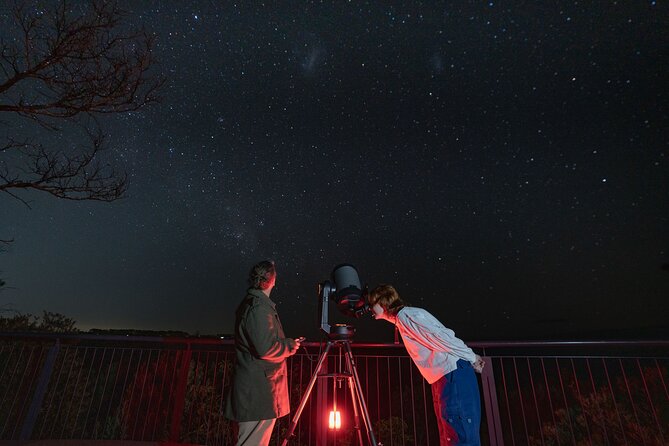
Astronomy can become dry very quickly if it is delivered as a list of distances and technical terms. This experience seems to avoid that trap by combining facts with stories and practical sky-finding skills.
The lead guide is an astrophysicist with more than ten years of experience. Nathan has received particular praise for being interesting and clear. Tom and Alka have also been noted for their warmth and for answering questions in a way that keeps the group involved.
I would choose this tour for the guide even if the weather forecast were not perfect. The equipment gives you a chance to see something special, but the explanation is what turns the evening into a proper activity. You learn why the Southern Cross matters, how constellations are found, and how different objects fit into the wider night sky.
The experience is offered in English and French. That is useful if you are more comfortable asking questions or following explanations in French. The information provided does not specify that every session has two language guides, so check the language arrangement when you book if it matters to you.
More Sunset Tours in Blue Mountains:
- Blue Mountains Sunset Nature-based & Waterfall Tour from Sydney
★ 4.5 · 153 reviews - Sydney: Blue Mountains Kangaroos, Wilderness and Sunset Tour
★ 4.8 · 97 reviews - Blue Mountains: Stargazing with a Telescope and Astronomer
★ 4.4 · 21 reviews - Pinnacles Desert: Sunset BBQ & Stargazing Tour +Sandboarding
★ 4.8 · 1,555 reviews
Hot chocolate, blankets, and the cold-night reality
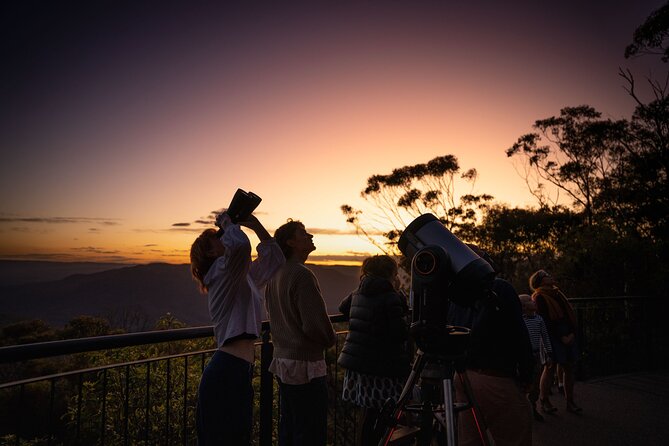
Blue Mountains evenings can feel cold, especially when you are standing still for telescope viewing. Even a clear night that feels comfortable at the start may become chilly after sunset.
Hot chocolate is provided when weather allows, and several comments point to it as a welcome part of the evening. Warm blankets have also been available. These are small touches, but they matter because you spend much of the session outdoors and looking upward rather than walking around.
Do not treat the drink as a substitute for proper clothing. The supplied information does not list a clothing rental service or guarantee blankets at every session. I would bring warm layers and prepare for an outdoor evening. The tour description also refers to warm or cold drinks depending on the weather, so the exact refreshment may vary.
The group is likely to spend much of the 90 minutes standing or waiting briefly for a turn at the telescope. The details state that most people can participate, and the activity is wheelchair and stroller accessible. Service animals are allowed. Still, outdoor surfaces, weather, and the exact viewing position can affect comfort, so anyone with specific mobility needs should confirm the current setup with Blue Mountains Stargazing.
Weather is the biggest practical question
The outdoor session depends on a usable sky. Cloud is the obvious problem, but wind can also make the experience less comfortable and can affect the telescope setup. One evening was moved from the lookout to a park because of strong wind, even though the guide still delivered a worthwhile session.
You will receive an update at 1 pm on the day of the tour. If you have not received an email by then, the information says the stargazing session is confirmed. That early decision is helpful because you can adjust your evening plans before heading to the mountains.
Bad weather may lead to two possible alternatives:
- You can receive a gift voucher or credit to reschedule. The credit is transferable and valid for three years.
- You can attend a 90-minute indoor planetarium astronomy session, if a minimum of eight people is reached.
The indoor option uses a dome, a powerful projector, and a cinema-style presentation. It is not the same as looking through a telescope under the real sky, but it gives you a useful backup if the outdoor session cannot run.
There is an important policy inconsistency in the supplied booking information. One section says no refund is offered in bad weather and lists the voucher or planetarium choices. Another says that if the operator cancels because of poor weather, you will be offered a different date or a full refund. Since those statements do not match, I would confirm the current weather policy directly before paying.
The general cancellation rule is strict: the booking is non-refundable and cannot be changed for personal reasons. The tour also requires a minimum number of participants, so an operator cancellation for that reason may lead to a different date, another experience, or a full refund.
Is $60.97 a fair price?
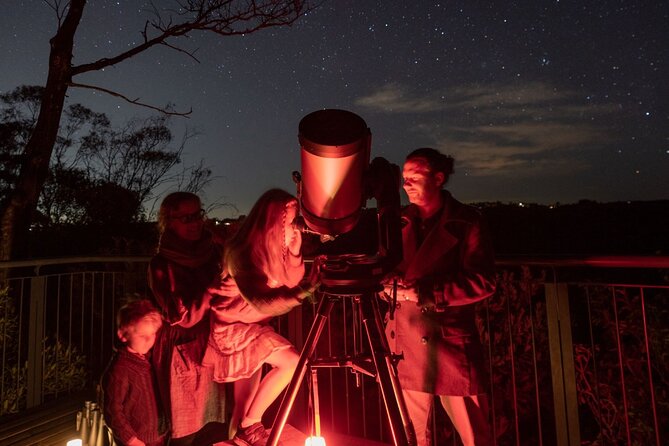
At $60.97 per person, this is not the cheapest way to look at the night sky. You are paying for more than an hour under the stars, though. The price includes a professional telescope, astronomy binoculars, a trained astrophysicist, guided constellation instruction, question time, and a hot drink when conditions allow.
I think the value is strongest if you want to learn something. A free lookout can give you a nice view of the stars, but it will not show you Saturn’s rings, explain how to locate Crux, or help you distinguish a star cluster from a galaxy. The guide also saves you from spending the evening guessing what you are looking at.
The price is less appealing if you only want a quick photograph or a scenic night view. The session is built around participation and shared viewing, not private telescope use. You also need to accept the weather risk and the firm personal cancellation policy.
Bookings are made, on average, 24 days ahead. That does not mean every date sells out, but it is a useful sign that you should not leave this until the last minute if your Blue Mountains schedule is fixed.
Who will enjoy this most?
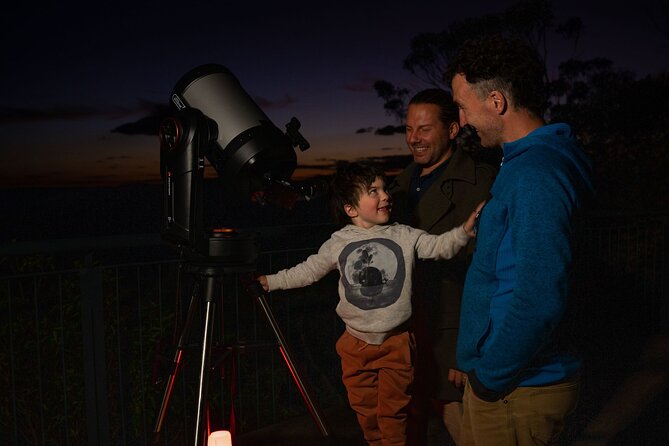
I would recommend the experience to first-time stargazers, families with curious older children, couples looking for a quiet evening activity, and anyone visiting Australia from the Northern Hemisphere. Seeing the Southern Cross for the first time can be a genuine highlight.
It also suits people who like guided learning but do not want a long formal lecture. The session is short, hands-on, and built around questions. The French language option adds flexibility for some visitors.
You may want to skip it if you dislike standing outdoors in cold conditions, need a guaranteed clear sky, or want complete control of the viewing schedule. The clouds and wind make the night unpredictable, and the telescope time is shared with the rest of the group.
The maximum group size of 20 is a reasonable compromise. You get the energy of a small group, but not the privacy of a private astronomy session. If the idea of waiting your turn bothers you, this may feel less satisfying than hiring private equipment or visiting an observatory with longer viewing periods.
FAQ
Where does the stargazing tour start and finish?
It starts at Wentworth Falls Lookout Track in New South Wales, Australia, and ends back at the same meeting point.
How long does the experience last?
The stargazing session lasts approximately 90 minutes.
What might I see through the telescope?
Depending on the time of year and the conditions, you might see the Moon and its craters, Mars, Venus, Saturn’s rings, Jupiter’s moons, the Orion Nebula, star clusters, double or triple stars, galaxies, and the Milky Way.
Is the tour suitable for wheelchair and stroller users?
The experience is listed as wheelchair and stroller accessible. Service animals are also allowed, and most people can participate.
What happens if the weather is poor?
You will receive an update at 1 pm on the day of the tour. The listed alternatives are a transferable gift voucher or credit for rescheduling, or a 90-minute indoor planetarium astronomy tour if at least eight people are attending. The supplied booking terms give different information about refunds, so confirm the current policy before booking.
How many people can join the tour?
The maximum group size is 20 people.
Should you book Blue Mountains Stargazing?
Book it if you want a guided introduction to the Southern Hemisphere night sky, not just a pretty view. The combination of an astrophysicist, proper equipment, Southern Cross viewing, telescope targets, questions, and hot chocolate gives the evening real substance.
I would be especially keen to book this near the start of a Blue Mountains stay, when the weather forecast is clear and you have some flexibility. That leaves room to reschedule if conditions change. If your schedule allows only one fixed evening, read the weather and refund terms carefully first.
For curious beginners, families, and visitors hoping to see stars they cannot find at home, $60.97 is a fair price. Just bring warm clothes, expect a shared telescope, and remember that the sky, not the tour operator, gets the final say.
More Blue Mountains Tours in Blue Mountains
- All Inclusive Blue Mountain,Scenic World,Lunch,Koalas,ferry
★ 5.0 · 7,832 reviews - From Sydney: Blue Mountains Full-Day Trip
★ 4.5 · 4,471 reviews - Blue Mountains Small-Group Tour from Sydney with Scenic World,Sydney Zoo & Ferry
★ 5.0 · 3,709 reviews - Blue Mountain Small Group Scenic World, Wildlife, Waterfall
★ 4.8 · 3,428 reviews
Just added in Blue Mountains
- Blue Mountains: Stargazing with a Telescope and Astronomer★ 4.4 · 21 reviews
- Fully Inclusive Blue Mountains Private Tour inc Scenic World & Featherdale Entry★ 5.0 · 56 reviews
- Ultimate All Inclusive Blue Mountains with Scenic World Tour★ 5.0 · 23 reviews
- Sydney: Luxury Blue Mountains Adventure as a Small Group Day Tour★ 5.0 · 119 reviews
- Blue Mountains Small Group Tour with Lunch, Zoo and Scenic World★ 5.0 · 25 reviews
- Private Tour: Blue Mountains Day Trip from Sydney★ 5.0 · 66 reviews
- Private Guided Tour: Blue Mountains Tour from Sydney★ 5.0 · 43 reviews
- Private Blue Mountains Tour | Waterfalls, Koalas & Views★ 5.0 · 28 reviews
Blue Mountains Tours, compared.
All Inclusive Blue Mountain,Scenic World,Lunch,Koalas,ferry
Read our review →
Blue Mountains Small-Group Tour from Sydney with Scenic World,Sydney Zoo & Ferry
Read our review →
Blue Mountain Small Group Scenic World, Wildlife, Waterfall
Read our review →
Blue Mountains Day Trip from Sydney Including Scenic World
Read our review →
Blue Mountains Tour with Waterfall Walk & Lunch
Read our review →
Blue Mountains Adventure: Scenic World, Zoo & Koala Photo
Read our review →
Blue Mountains Day Tour Including Parramatta River Cruise
Read our review →Browse the lists this tour appears in