Reviewed · WILDLIFE TOURS
Port Douglas: Wildlife Habitat Entrance Ticket
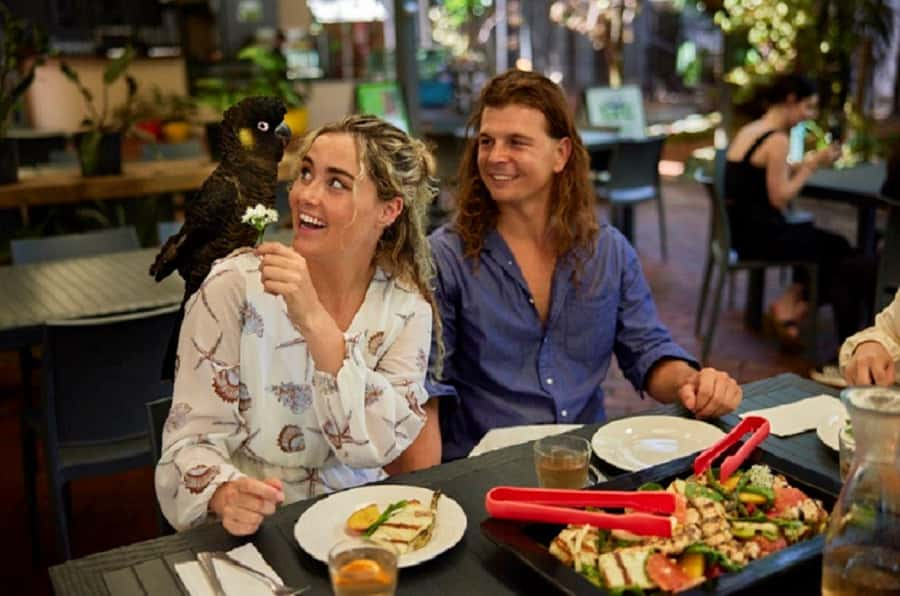
Wildlife comes close here. Port Douglas Wildlife Habitat gives you a friendly, hands-on way to meet Australian animals across five natural settings, from kangaroo-filled woodlands to a crocodile billabong. I especially like the chance to hand-feed kangaroos and wallabies, and the steady program of keeper talks makes the visit more than a walk through animal enclosures. The main consideration is time: the ticket is sold with a one-hour duration, but the habitats, talks, feeding areas, and photo options can easily keep you here for several hours.
I also like that your ticket includes five-day re-entry, which gives you room to return for a different presentation or visit the nocturnal area with more care. The optional koala, crocodile, snake, bird, and baby crocodile photos cost extra, so budget for those only if the photo experience matters to you.
In This Review
- Key things to know before you go
- Five Australian habitats across eight acres
- Woodlands and Savannah, where feeding brings animals close
- Wetlands and the Predator Plank
- Rainforest wildlife and the cassowary connection
- The Nocturnal Habitat under a starry sky
- Koalas, crocodiles, pythons, and birds
- How long should you plan for?
- Is the $34 ticket good value?
- Who will enjoy this Port Douglas visit?
- Practical tips for a better visit
- Should you book the Wildlife Habitat?
- FAQ
- How much does entry to Wildlife Habitat cost?
- How long does the Wildlife Habitat visit last?
- What is included with the entrance ticket?
- Are koala and crocodile photos included?
- Is the Wildlife Habitat wheelchair accessible?
- Can I cancel the booking?
Key things to know before you go
- Five habitats in one park: Walk through Woodlands, Wetlands, Rainforest, Nocturnal, and Savannah areas across eight acres.
- Hand-feeding is a real highlight: Kangaroos and wallabies can come close enough for a memorable, supervised encounter.
- The Predator Plank adds a little nerve: Cross a balance beam suspended over a billabong filled with saltwater crocodiles.
- Talks give the visit structure: Free guided walks and presentations cover koalas, crocodiles, pythons, and birds throughout the day.
- Your ticket lasts five days: You can return instead of trying to see every habitat and presentation in one hurried visit.
- Conservation is part of the work: The facility supports native-species rehabilitation and other conservation programs, relying on donations for its operations.
Five Australian habitats across eight acres
The Wildlife Habitat is designed as a series of open, natural settings rather than a single line of small animal displays. That matters in hot Tropical North Queensland, where a shaded path, planted habitat, and room for animals to move can make the visit more comfortable and more interesting.
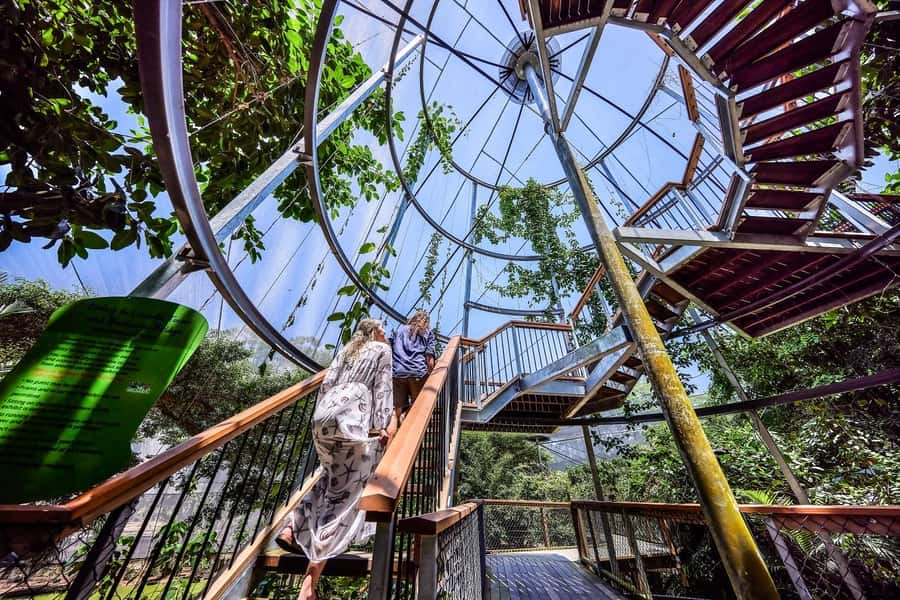
You will pass through five distinct environments: Woodlands, Wetlands, Rainforest, Nocturnal, and Savannah. Each one gives you a different way to see Australian wildlife. Instead of rushing from one famous animal to the next, you can watch how the park groups animals and plants within settings that reflect their native surroundings.
The collection includes more than 100 Australian species and over 600 individual animals. That is a large range for a compact Port Douglas outing, though the exact animals you see can vary. Wildlife is not a stage show, and some species may be quiet, hidden, or simply having an unphotogenic day.
The setting also makes this a useful introduction to Australian wildlife if you are new to the country. You can see familiar symbols such as kangaroos and koalas, but also animals that are harder to spot in the wild, including cassowaries and the rare Lumholtz’s tree-kangaroo.
More Wildlife Tours in Australia:
- All Inclusive Blue Mountain,Scenic World,Lunch,Koalas,ferry
★ 5.0 · 7,832 reviews - From Melbourne: Great Ocean Road, 12 Apostles, Wildlife Tour
★ 4.7 · 6,020 reviews - Penguin Parade, & Wildlife Encounters Eco Tour from Melbourne
★ 5.0 · 3,774 reviews
Woodlands and Savannah, where feeding brings animals close
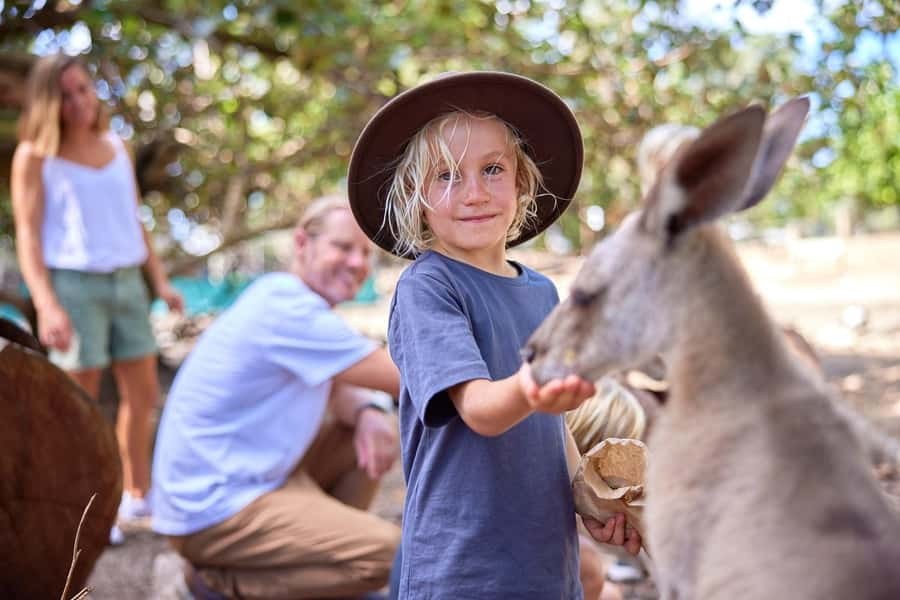
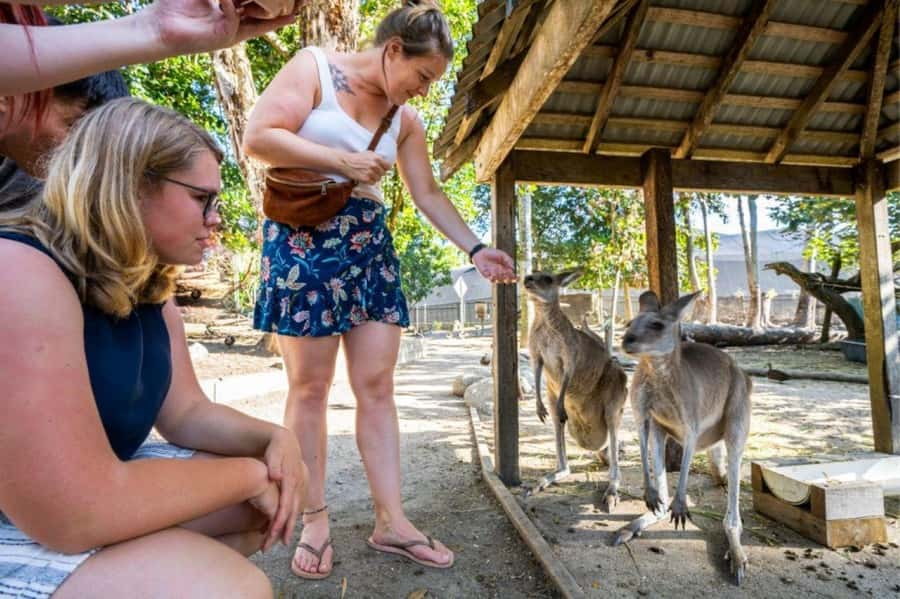
For many people, the kangaroo and wallaby area will be the heart of the visit. Hand-feeding gives you more than a distant view. You get to slow down, watch the animals approach, and notice how they move and interact at close range.
This is especially good for families and for anyone who has never seen Australian marsupials outside a television program. The experience is interactive, but it is still important to follow the park’s instructions and let the animals set the pace.
The Woodlands and Savannah habitats help you see native species in a more open setting. You might also encounter a broad mix of birds and other animals as you walk. One of the pleasures here is that the park does not depend on a single headline attraction. The kangaroos may be the first thing you seek out, but the smaller discoveries can make the walk worthwhile.
Allow enough time for this section. A quick pass may give you a photograph, but a slower visit lets you watch feeding behavior and take in the planted surroundings. If you have young children, this is likely to be the most engaging part of the park.
Wetlands and the Predator Plank
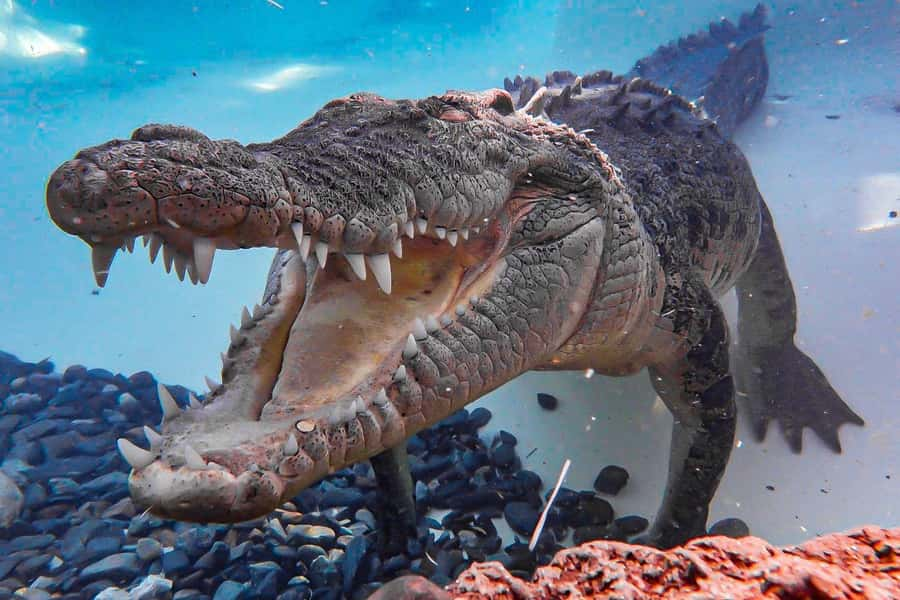
The Wetlands area brings you to one of the more unusual features: the Predator Plank, a balance beam suspended over a billabong of saltwater crocodiles. It is a simple idea, but it changes the mood of the visit. Crocodiles that seemed safely distant from the path suddenly feel much closer when you are looking down at them.
You do not need to treat this as a major thrill ride. The value is in the viewpoint. It gives you a direct sense of the crocodile’s size, stillness, and power without putting you in a conventional performance setting.
The plank may not suit everyone. If heights or narrow walkways make you uncomfortable, you can focus on the crocodile viewing areas and presentations instead. The experience is optional in spirit, and the rest of the park offers plenty to see.
Crocodile presentations are worth timing your visit around. You can learn about these animals in a way that connects the display to their behavior and care. The same applies to the python and bird presentations, which give the day a useful rhythm.
Rainforest wildlife and the cassowary connection
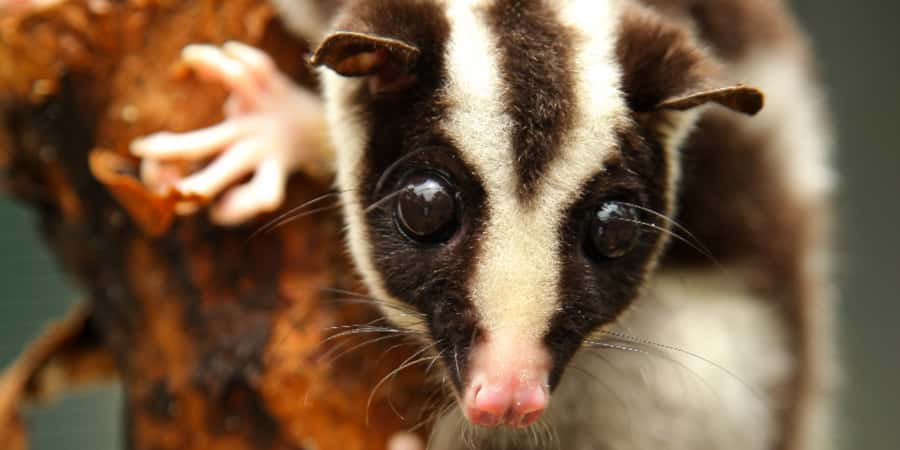
The Rainforest habitat is where the park’s setting becomes especially important. Tropical North Queensland is known for its unusual native animals, and the rainforest area gives you a better chance to appreciate species that can be difficult to find in the wild.
The cassowaries are a major reason to take your time here. These large, striking birds are part of the region’s living natural story, but they are not always easy to spot during a normal holiday. Seeing them in a managed habitat gives you a chance to notice their shape, movement, and behavior without relying on luck in the forest.
You may also catch sight of a Lumholtz’s tree-kangaroo, a rare animal that many people would never see during a short stay in Queensland. The possibility is part of the appeal, although no wildlife park can promise a perfect sighting every time.
This section rewards patience. Look up as well as ahead, and do not assume the most interesting animal will be standing beside the main path. The park’s open design gives animals space, which is good for their welfare but means you may need to pay attention.
A completely different kind of day out:
- Sydney: Opera House Guided Tour with Entrance Ticket
★ 4.8 · 8,312 reviews - Great Ocean Road Small-Group Eco Tour from Melbourne
★ 5.0 · 6,607 reviews - Ocean Rafting: Whitehaven Beach, Snorkelling & Hill Inlet Lookout
★ 5.0 · 4,777 reviews - Laid back, Yarra Valley Wine Tour: Wine, Cider, Gin, Beer + Choc
★ 5.0 · 4,552 reviews
The Nocturnal Habitat under a starry sky
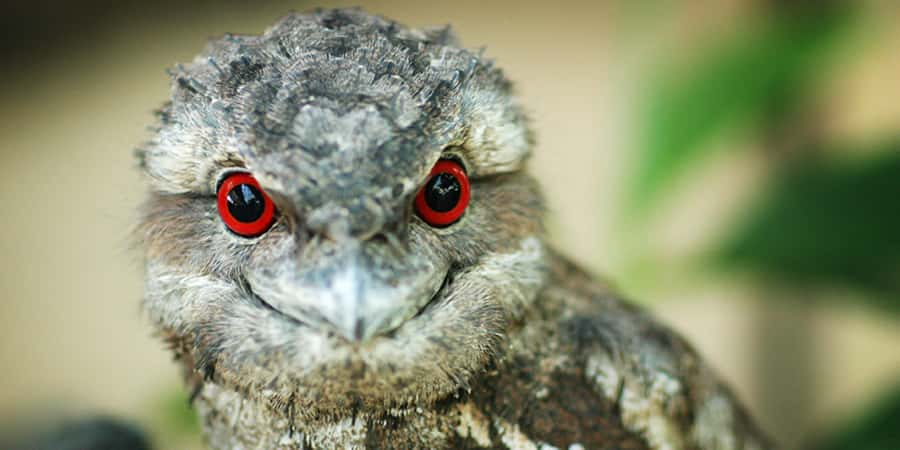
Australia has many animals that are active after dark, so the Nocturnal Habitat fills a gap in the usual daytime wildlife visit. Inside, you can see reclusive nocturnal animals beneath a setting designed to resemble a starry night sky.
This is a useful part of the park for anyone who wants to see more than the usual kangaroo and koala lineup. Animals that hide during the day may be active here, though sightings can still vary. The darker setting also asks you to slow down and look carefully rather than move quickly from one display to the next.
If you want a more focused after-dark experience, the separate WildNIGHT Nocturnal Tour lasts two hours and travels by torchlight. It can include the endangered Mahogany glider, scorpions viewed under ultraviolet light, and keeper feeding of quolls. Numbers are limited, with minimum and maximum group sizes, so this is an add-on rather than something to assume is included with the entrance ticket.
The standard entry is enough for a daytime visit. WildNIGHT makes sense if nocturnal wildlife is a major interest and your Port Douglas schedule allows an evening activity.
Koalas, crocodiles, pythons, and birds
The presentation and photo hut provides a more organized way to learn about several of the park’s headline animals. Talks cover koalas, pythons, crocodiles, and birds, with presentations offered throughout the day.
I recommend checking the schedule when you arrive and planning around at least one or two talks. The habitats are open-ended, so presentations help prevent the visit from becoming a simple stroll with no clear order. They also give you a chance to hear information while looking at the animal involved.
Koala and crocodile photos are available for an additional fee. You can also pay for photo opportunities with birds, snakes, and baby crocodiles. These options are not included in the $34 entrance price, so decide in advance how much you want to spend.
A photo package may appeal to families or anyone who wants a lasting record of the visit. If you are watching your budget, you can still see the animals and attend the talks without buying a photo. That keeps the base ticket good value.
How long should you plan for?
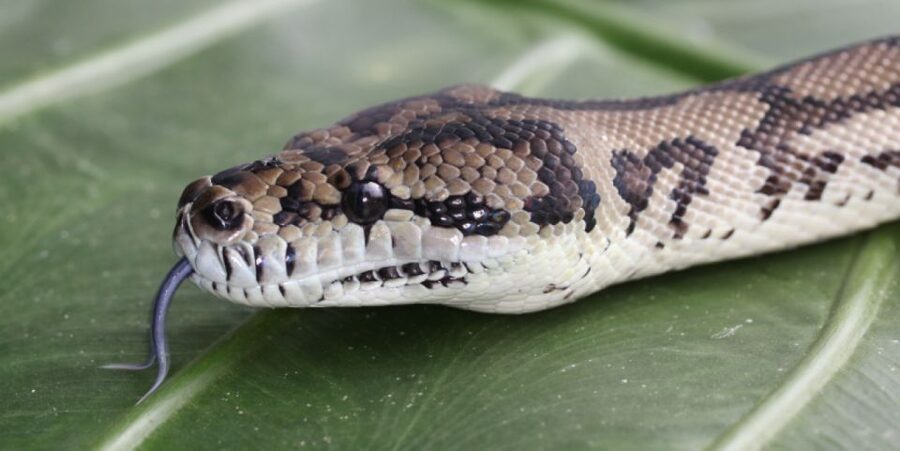
The stated duration is one hour, but that is best treated as a minimum visit rather than a strict limit. The park covers eight acres, contains five habitats, and offers talks and presentations throughout the day.
A brief visit can give you a quick look at the main habitats. A longer visit is more sensible if you want to hand-feed wallabies, watch a crocodile presentation, spend time with the cassowaries, and explore the Nocturnal Habitat without rushing.
One useful advantage is the five-day re-entry ticket. You can return later in your Port Douglas stay and catch presentations you missed. That is particularly valuable if you are combining the Wildlife Habitat with other Far North Queensland activities and do not want to spend a full day here on your first visit.
A free shuttle bus to and from Port Douglas Harbour was an unexpected benefit for one visitor, but the supplied information does not establish a regular timetable. Ask the park about current shuttle arrangements rather than counting on it.
Is the $34 ticket good value?
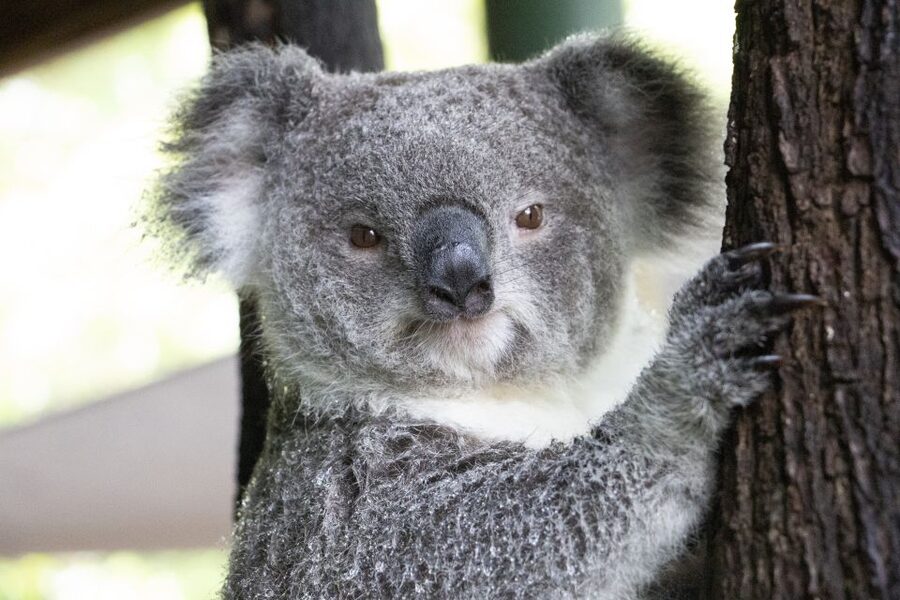
At $34 per person, the ticket is fairly priced for the number of habitats and animal encounters included. You are not paying only for a single koala display. The admission covers access to five settings, more than 100 Australian species, presentations, and a five-day return option.
The value improves if you use the re-entry privilege. A single rushed hour makes the price less attractive, while two visits or one relaxed half-day gives you more time with the animals and talks.
Extra costs are the main point to watch. Koala and crocodile photos, along with photos involving birds, snakes, and baby crocodiles, are not part of admission. Hand-feeding is a highlight, but you should confirm any feeding charges or arrangements at the park, since the supplied details do not give a separate price.
The facility also supports a Tropical Animal Rehabilitation Centre and other conservation programs. It relies solely on donations for its operations. That does not change the ticket’s practical value, but it gives your admission a connection to native-animal care and research beyond the public displays.
Who will enjoy this Port Douglas visit?
This experience suits families particularly well because it combines seeing animals with simple hands-on activity. The feeding areas and photo options give children something active to look forward to, while the presentations add useful context for adults.
It also works for first-time visitors to Australia who want a reliable introduction to native wildlife. You may not see every species on every visit, but the range gives you several chances to find something memorable.
Wildlife photographers should keep expectations sensible. The habitats are open and spacious, which is better for the animals, but it does not guarantee close, perfectly lit subjects. The optional animal photos are a better choice if you want a formal portrait.
The park is wheelchair accessible, and small-group options are available. English is the tour language, and live guides are part of the scheduled presentations and tours.
Practical tips for a better visit
Arrive with a plan, but leave room for surprises. First check the day’s presentation times, then work the habitats around those talks.
- Start with the schedule, especially if crocodiles, koalas, or cassowaries are priorities.
- Set aside time for the kangaroo and wallaby feeding area rather than treating it as a quick stop.
- Bring your budget decision about paid photos with you, since they are optional extras.
- Use the five-day re-entry ticket if your schedule allows a return visit.
- Take your time in the Nocturnal Habitat, where animals may be less obvious at first glance.
- Consider the Predator Plank only if you are comfortable with a balance beam above crocodiles.
- Ask about current shuttle service from Port Douglas Harbour before relying on it.
Free guided tours add value because they help you see details you might miss alone. Even if you prefer to explore independently, joining one presentation can make the animals easier to understand.
Should you book the Wildlife Habitat?
Book it if you want close contact with Australian wildlife without committing to a full-day expedition. The hand-feeding, five habitats, and regular talks make this more active than a basic animal display, while the five-day return ticket gives you welcome flexibility.
It is a particularly good choice for families, first-time visitors to Queensland, and anyone curious about koalas, crocodiles, cassowaries, or nocturnal species. It is less ideal if you want a guaranteed sighting of every rare animal or if you dislike paying extra for posed animal photos.
At $34, I would consider it good value when you allow more than the listed one-hour duration and make use of at least one presentation. Add the WildNIGHT tour only if after-dark wildlife is a priority. For a relaxed Port Douglas day with real native animals, accessible talks, and a few memorable surprises, this ticket earns its strong reputation.
FAQ
How much does entry to Wildlife Habitat cost?
The entrance ticket costs $34 per person.
How long does the Wildlife Habitat visit last?
The listed duration is one hour, but the five habitats, presentations, feeding area, and photo options can make it worth spending several hours there.
What is included with the entrance ticket?
Entry to Wildlife Habitat and a five-day re-entry ticket are included.
Are koala and crocodile photos included?
No. Koala, crocodile, bird, snake, and baby crocodile photo opportunities are optional extras.
Is the Wildlife Habitat wheelchair accessible?
Yes, the activity is listed as wheelchair accessible.
Can I cancel the booking?
Yes. You can cancel up to 24 hours in advance for a full refund. A reserve-now-and-pay-later option is also available.
Just added in Australia
- Yarra Valley: Hot Air Balloon Flight & Buffet Breakfast★ 4.8 · 41 reviews
- Yeppoon: Great Keppel Island Luxury Sail & Snorkel Day Tour★ 4.7 · 71 reviews
- Yarra Valley Foodies Tour with Chandon and Kangaroo Safari!★ 4.9 · 304 reviews
- Yarra Valley: Winery Tour with Lunch at Yering Station★ 5.0 · 143 reviews
- Wirrina Cove: Coastal Sightseeing Boat Tour with Seal Colony★ 4.7 · 23 reviews
- Yarra River: 1.5-Hour Scenic Sunset Public Cruise★ 4.3 · 57 reviews
- Brisbane: Sirromet Winery Tour with Tasting & 2-Course Lunch★ 4.7 · 71 reviews
- Sydney: Wildlife, Waterfalls and Wine Small Group Tour★ 5.0 · 251 reviews
Wildlife Tours, compared.
All Inclusive Blue Mountain,Scenic World,Lunch,Koalas,ferry
Read our review →
Penguin Parade, & Wildlife Encounters Eco Tour from Melbourne
Read our review →
Blue Mountain Small Group Scenic World, Wildlife, Waterfall
Read our review →
Melbourne Great Ocean Rd Reverse Tour London Bridge Wildlife
Read our review →
Litchfield National Park and Jumping Crocodile Cruise
Read our review →
Blue Mountains Adventure: Scenic World, Zoo & Koala Photo
Read our review →