
Reviewed · HISTORICAL TOURS
Port Arthur Historic Site [official]
Port Arthur makes convict history feel physical. I like the self-guided audio tour, which lets you set your own pace, and the 20-minute harbor cruise, which gives you a different view of the old settlement. The main drawback is the site’s size and limited shelter, especially in rain or strong wind.
This is not a quick photo stop. The 100-acre grounds hold more than 30 buildings, ruins, gardens, and exhibits, so I would allow at least half a day. The two-day pass offers excellent value if you want time for the short talks, museum, walking trails, and quieter corners without rushing.
In This Review
- Key points to know before you go
- Arriving at Port Arthur’s 100-acre historic site
- Start with the audio tour to understand the settlement
- The harbor cruise and its view of the Isle of the Dead
- The Dockyards bring convict labor into focus
- Follow the Convict Water Supply Trail
- The penitentiary, Asylum, and convict experience
- See how the commandants and officers lived
- Museum, Convict Study Centre, and the prisoner database
- The memorial garden and the site’s modern tragedy
- How long should you spend at Port Arthur?
- Is the $38.01 pass good value?
- Who will enjoy Port Arthur most?
- Should you book the two-day Port Arthur pass?
- FAQ
- Where is Port Arthur Historic Site?
- How long is the Port Arthur pass valid?
- What does the pass include?
- Is the harbor cruise included?
- Can I visit the Isle of the Dead?
- How much walking is involved?
- Does Port Arthur operate in bad weather?
- Can children visit Port Arthur?
Key points to know before you go
- A two-day pass covers more than 30 buildings and ruins, not just the main penitentiary.
- The 20-minute MV Marana cruise shows the Dockyards, Point Puer, the Isle of the Dead, and nearby Tasman National Park from the water.
- The audio tour is included, and it is the best way to understand the settlement before exploring on foot.
- Free site talks add human detail, with guides explaining particular buildings and daily convict life.
- Good walking shoes matter, since the grounds are broad and some steps can be slippery.
- The memorial garden is a quiet, carefully handled part of the visit, marking the victims of the 1996 tragedy.
Arriving at Port Arthur’s 100-acre historic site

Port Arthur is about 90 minutes southeast of Hobart by car, on the Tasman Peninsula. You begin at the Visitor Centre, where you receive the map and can orient yourself before heading into the historic grounds.
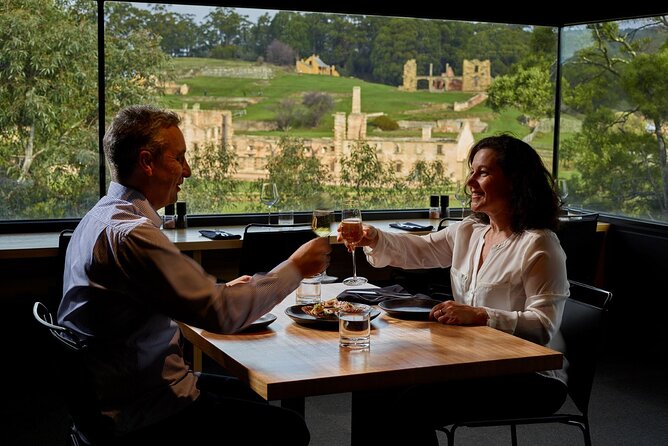
The setting is part of the experience. Lawns, gardens, harbor views, old stonework, and weathered ruins surround the buildings. It can feel peaceful at first glance, but the calm setting sits alongside the hard purpose of the settlement. That contrast gives Port Arthur much of its emotional force.
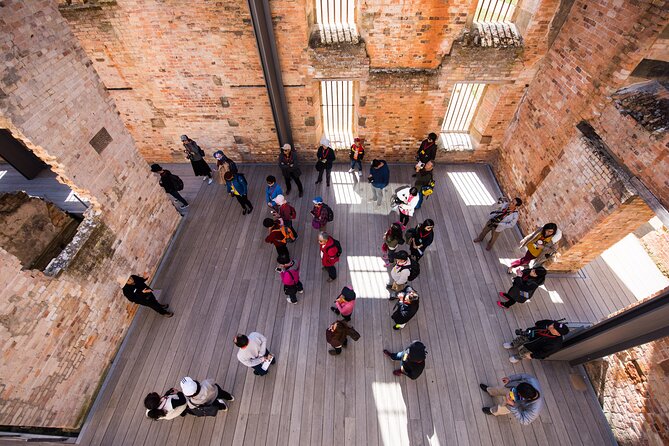
The site is spread out rather than packed into one compact complex. You will walk between the main penitentiary, homes, ruins, exhibits, and waterfront areas. If you like to stop often, read displays, listen carefully, and attend talks, three hours will feel tight. A half-day is more comfortable, and a full day lets you avoid treating the place like a checklist.
You can use the pass on two consecutive days. That flexibility matters because Port Arthur operates in all weather, and a sudden change in conditions can make a long outdoor visit less pleasant. Bring suitable clothing, and do not rely on finding shelter everywhere.
More history tours in Tasmania:
- Derwent River Historic Harbour Cruise From Hobart
★ 4.5 · 570 reviews - Port Arthur Historic Site Admission and Tour Options
★ 4.8 · 509 reviews - Tasman Island Cruises and Port Arthur Historic Site Day Tour from Hobart
★ 5.0 · 477 reviews
Start with the audio tour to understand the settlement
I recommend beginning with the included audio experience. It gives you the basic story of the penal colony, explains the role of the buildings, and helps you understand what you are seeing before individual ruins begin to blur together.
A self-guided format also gives you control. You can pause, move on, or spend longer in a place that catches your attention. Families and mixed-age groups may find this easier than staying with one fixed walking group.
The audio is one of the strongest parts of the admission package. It adds context without forcing you to follow a guide for the whole visit. You can then use the printed map to build your own route across the grounds.
Do not treat the audio as a quick introduction and put it away. Port Arthur contains many separate sites, and the explanations help connect the prison buildings with the officers’ homes, medical facilities, dockyards, and working areas.
The harbor cruise and its view of the Isle of the Dead
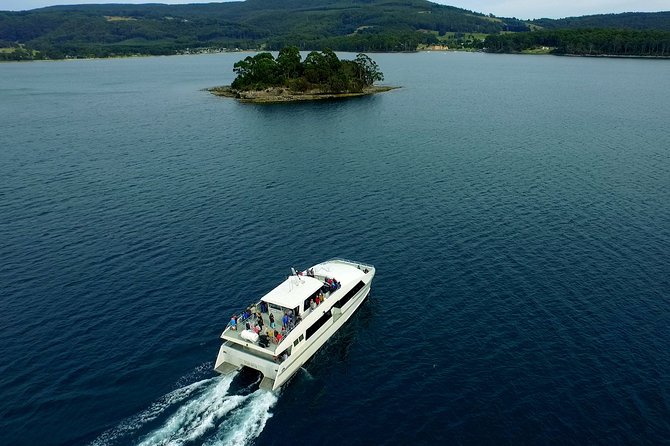
The included MV Marana cruise lasts about 20 minutes. It is short, but useful. From the water, you see the old Dockyards, Point Puer Boys Prison, the Isle of the Dead cemetery, and parts of Tasman National Park.
The cruise gives you a sense of the settlement’s position that is difficult to grasp on foot. You see the harbor as a working route and as a boundary around the former prison colony. Onboard narration explains what you are passing, so this is more than a simple boat ride.
The Isle of the Dead is viewed from the cruise as part of this pass. If you want to visit the island itself, check the separate options available on your date. The supplied experience specifically includes the harbor cruise, not a landing on the cemetery island.
Some people find the boat ride a pleasant extra but not essential. I think it earns its place because it changes your view of Port Arthur and adds a quieter pause between the walking sections. Still, if strong wind makes the narration hard to hear, the cruise may be less satisfying.
A practical warning applies to cruise ship passengers. Some cruise packages already include Port Arthur admission, so check what your ship ticket covers before buying this pass separately. Paying twice for the same entry is an avoidable mistake.
The Dockyards bring convict labor into focus
The Dockyards are among the most interesting areas because they show Port Arthur as a production center, not simply a prison. Convicts built high-quality ships here during the 1830s, giving the site a clear connection to work, trade, and the wider colony.
A soundscape recreates the noise and voices of an active 19th-century yard. This audio layer helps you imagine the place as a busy work area rather than a quiet collection of old walls.
The Dockyards are valuable because they put labor at the center of the story. You begin to see how skills were used, controlled, and exploited. The experience is less about staring at ruins and more about understanding what happened in them.
Take your time here. Read the displays, listen to the soundscape, and then look out toward the harbor. The water explains why this location mattered, while the remaining structures show the demands placed on prisoners.
A few more options to weigh up in Tasmania
- Bruny Island Food, Sightseeing, Guided Lighthouse Tour & Lunch
★ 5.0 · 2,989 reviews - Full-Day Guided Bruny Island Tour from Hobart
★ 5.0 · 1,331 reviews - kunanyi/Mt Wellington Explorer Bus- Return Tour (2.5 hours)
★ 5.0 · 1,249 reviews - The Freycinet Paddle
★ 5.0 · 985 reviews
Follow the Convict Water Supply Trail
The Convict Water Supply Trail adds another practical layer to the visit. It explores the colony’s water system and its flour-production operation, showing how much work was needed to keep Port Arthur functioning.
This is a good choice if you want to move beyond the most famous buildings. The trail connects infrastructure with daily life. Water, food, milling, and transport may sound less dramatic than punishment cells, but they reveal how the settlement operated day after day.
Because the grounds are large, you should not expect every section to feel equally compact or easy to reach. The map helps, but allow time for walking. Comfortable footwear is more important here than stylish footwear. Some steps can be slippery, and uneven paths become less forgiving in wet conditions.
The two-day pass makes this trail more worthwhile. On a rushed single visit, you might focus only on the central ruins. With another day, you can return to the less obvious sections and give the working parts of the colony proper attention.
The penitentiary, Asylum, and convict experience
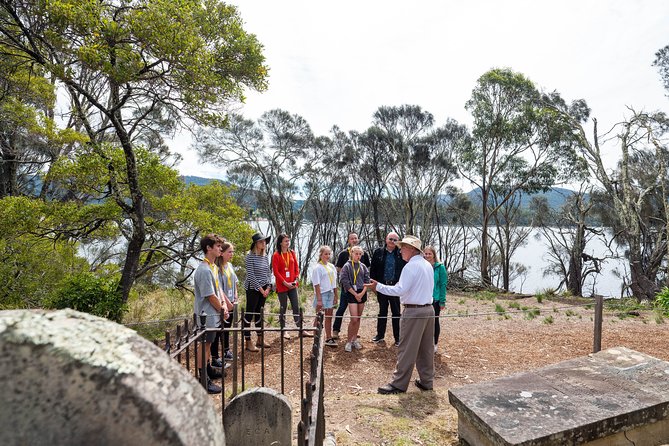
The old Asylum helps explain the lives of prisoners in more personal terms. Other buildings and displays add detail about discipline, confinement, work, and the routines imposed on convicts.
Port Arthur can feel eerie, and that reaction is understandable. The gardens are carefully maintained, the views are attractive, and the buildings have a quiet beauty. Yet the purpose of the settlement was harsh. The appeal of the place is not that it makes the past comfortable. It lets you confront the gap between the peaceful setting and the suffering tied to it.
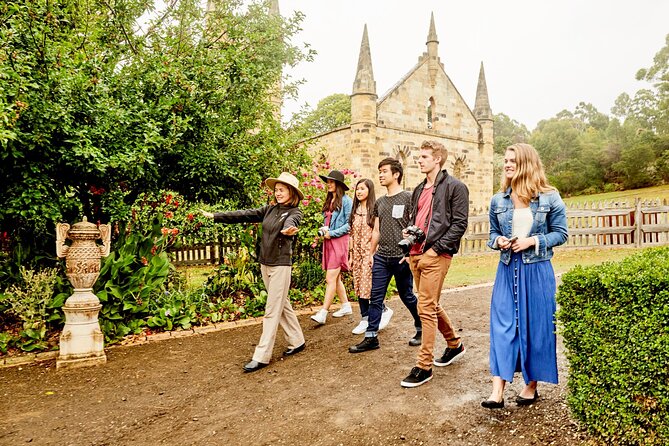
The included talks are worth fitting into your day. Guides focus on particular buildings and subjects, and a good talk can supply detail that a sign cannot. Carl is one guide whose clear explanations have received especially warm praise. Site talks are scheduled through the day, so check the times when you arrive.
Wind can affect outdoor talks. If conditions are rough, stand close enough to hear clearly, and do not be shy about choosing a sheltered position. A talk that is excellent on a calm day can be difficult to follow when the wind carries the speaker’s voice away.
See how the commandants and officers lived

Port Arthur is more revealing when you compare convict quarters with the homes of people who ran the settlement. The Commandant’s House and Junior Medical Officer’s House show a different side of life, with domestic spaces and surroundings that contrast sharply with prisoner conditions.
This comparison is one of the visit’s most useful features. It prevents the story from becoming a simple sequence of prison ruins. You see the social structure of the settlement in physical form, from controlled labor to administrative authority.
The houses also help break up the heavier sections of the visit. After reading about punishment and confinement, moving through gardens and domestic rooms gives you a chance to reset while still learning about the colony.
Museum, Convict Study Centre, and the prisoner database
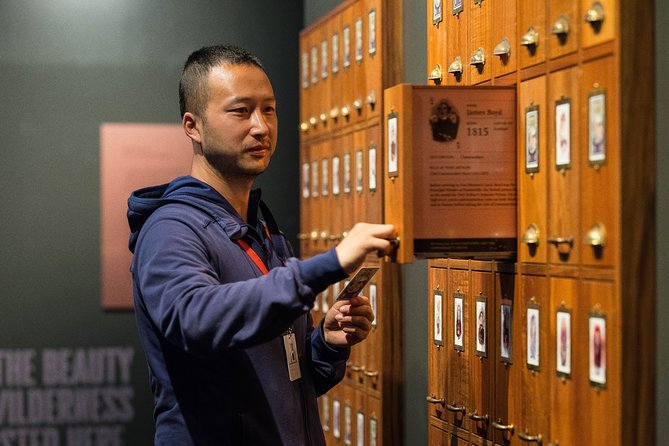
The Museum and Convict Study Centre add more detail for anyone who wants to follow individual stories. You can look into the prisoner database to see if an ancestor appears there.
That feature gives the site a personal angle. General history can feel distant, but a name, record, or family connection can change how you read the rest of the grounds. Even without an ancestral link, the museum helps put faces and records behind the broad story of transportation and imprisonment.
Set aside more time than you think you need if genealogy interests you. The main grounds can draw you onward, but the study center rewards a slower visit. This is another reason the two-day validity is useful.
The memorial garden and the site’s modern tragedy
Port Arthur’s history does not end with the convict settlement. The memorial garden remembers the victims of the 1996 shooting, and it is handled with restraint.
The garden is tranquil, but the mood is understandably solemn. Many people find it one of the most moving parts of the visit. It adds a modern layer of grief to a place already shaped by suffering, so give yourself time here rather than treating it as another stop between buildings.
The memorial is not presented as a spectacle. Its quiet design encourages reflection. You may find that the visit changes tone here, moving from historical study to personal remembrance.
How long should you spend at Port Arthur?
The advertised visit can take three to eight hours, depending on your pace and how many talks and exhibits you attend. I would use these guidelines:
- Three hours: Enough for the main grounds, audio tour, and harbor cruise, but you will need to keep moving.
- Half a day: The best minimum for most people. You can see the main buildings, attend a talk, visit the museum, and take the cruise.
- A full day: Better for a relaxed visit, especially if you want the water trail, several talks, and time in the study center.
- Two days: The best choice for history enthusiasts, photographers, families who prefer a slow pace, or anyone visiting in uncertain weather.
The grounds are beautiful in mild conditions, but a very hot or rainy day can make the walking harder. One especially practical suggestion is to decide where you will eat before wandering too far from the food options. A café is available for coffee and a sandwich, but the site is too spread out for casual backtracking.
Is the $38.01 pass good value?
At $38.01 per person, the pass is good value if you use the included features. Entry to a large historic site, the audio tour, daily talks, museum access, the harbor cruise, and two consecutive days gives you plenty to work with.
The value drops if you only have time for a fast walk through the central ruins. In that case, you are paying for flexibility you may not use. The pass makes the most sense when you plan to attend talks, listen to the audio, visit the museum, and take the boat.
A 90 percent recommendation rate and a 4.5 score from 288 ratings point to a consistently strong experience, but the reasons matter more than the numbers. The highest praise centers on the well-kept grounds, informative staff, audio tour, harbor cruise, and emotional power of the site.
You should also know what is not guaranteed. Ghost tours are separate and may not run on the day you visit. One published comment found that experience poor, while other feedback praised the night tour, so treat it as an optional extra rather than part of the core admission.
Who will enjoy Port Arthur most?
I would recommend Port Arthur to anyone interested in Australian history, heritage buildings, military and prison history, family outings with older children, photography, or quiet walking through gardens and ruins.
It suits independent visitors particularly well because the audio tour and map let you choose your own rhythm. It also works for families, provided children remain with an adult and everyone is ready for a lot of walking.
You need a moderate level of physical fitness. The site is broad, there are steps, and weather can make paths more difficult. Service animals are allowed, and the location is near public transportation, though the experience itself ends where it begins at the Visitor Centre.
Should you book the two-day Port Arthur pass?
Book it if you want more than a quick look at the penitentiary. The audio tour, short talks, museum, dockyards, harbor cruise, gardens, and memorial make this a layered visit, not a single-building attraction.
For most people, one well-planned day is enough. The two-day validity becomes especially useful when you want to slow down, follow the water trail, attend several talks, or return after poor weather. Wear sensible shoes, check whether your cruise package already includes entry, and allow time for the memorial garden.
I would skip the pass only if your schedule allows less than three hours or your existing transport package already includes admission. Otherwise, Port Arthur deserves a place near the top of a Tasmania itinerary because it combines preserved buildings, personal stories, open grounds, and a serious look at both convict life and more recent tragedy.
FAQ
Where is Port Arthur Historic Site?
Port Arthur Historic Site is on the Tasman Peninsula in southeast Tasmania, about a 90-minute drive from Hobart.
How long is the Port Arthur pass valid?
The entry pass is valid for two consecutive days.
What does the pass include?
It includes entry to more than 30 historic buildings and ruins, a self-guided audio tour, daily site talks, the Museum and Convict Study Centre, a visitor guide with map, and a 20-minute harbor cruise.
Is the harbor cruise included?
Yes. The MV Marana harbor cruise is included and provides views of the Dockyards, Point Puer Boys Prison, the Isle of the Dead, and Tasman National Park.
Can I visit the Isle of the Dead?
The harbor cruise includes views of the Isle of the Dead from the water. The supplied pass information does not state that it includes landing on the island.
How much walking is involved?
The site covers about 100 acres, so expect substantial walking. A moderate level of physical fitness is recommended, and sensible footwear is important because some steps may be slippery.
Does Port Arthur operate in bad weather?
Yes. The site operates in all weather conditions. You should dress appropriately, since some parts of the grounds have little cover.
Can children visit Port Arthur?
Yes, but children must be accompanied by an adult. Service animals are allowed.
Just added in Tasmania
- Wineglass Bay & Freycinet National Park Day Trip from Hobart★ 4.7 · 249 reviews
- Wineglass Bay and Maria Island Scenic Flight Experience★ 4.7 · 54 reviews
- Launceston: Hollybank Forest Treetop Zip Lining with Guide★ 4.9 · 57 reviews
- Cape Bruny Lighthouse Tour – Bruny Island★ 5.0 · 305 reviews
- Distillery Tour and Guided Tasting★ 5.0 · 42 reviews
- Ile Des Phoques and Maria Island Cruise and Walk Day Tour with Lunch★ 5.0 · 225 reviews
- Tasman Peninsula full day kayaking tour★ 5.0 · 46 reviews
- Port Arthur Ghost Tour★ 4.0 · 214 reviews
Historical Tours, compared.

Ultimate Melbourne Walking Tour: History, Laneways & Culture
Read our review →
Puffing Billy Railway: Heritage Steam Train Journey
Read our review →
Morning World Heritage Cruise on the Gordon River from Strahan
Read our review →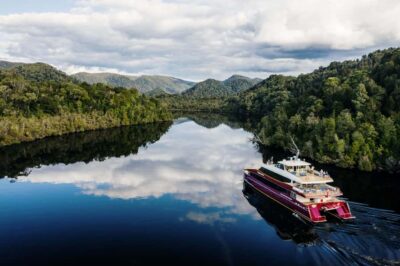
World Heritage Cruise on Gordon River with Lunch
Read our review →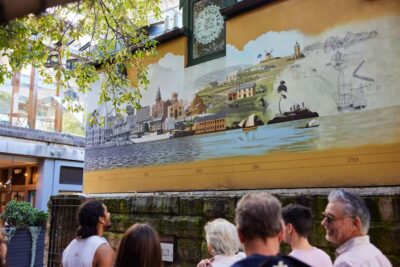
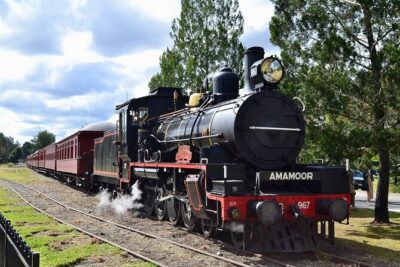
Experience History onboard The Mary Valley Rattler
Read our review →
Snorkel & Dive the Reef: Sustainable, Scientific & Cultural Tour
Read our review →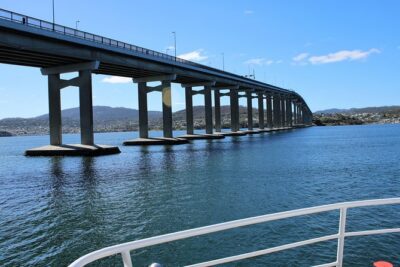
Derwent River Historic Harbour Cruise From Hobart
Read our review →Browse the lists this tour appears in