
Reviewed · AUSTRALIA
Melbourne Coffee Lovers Walk
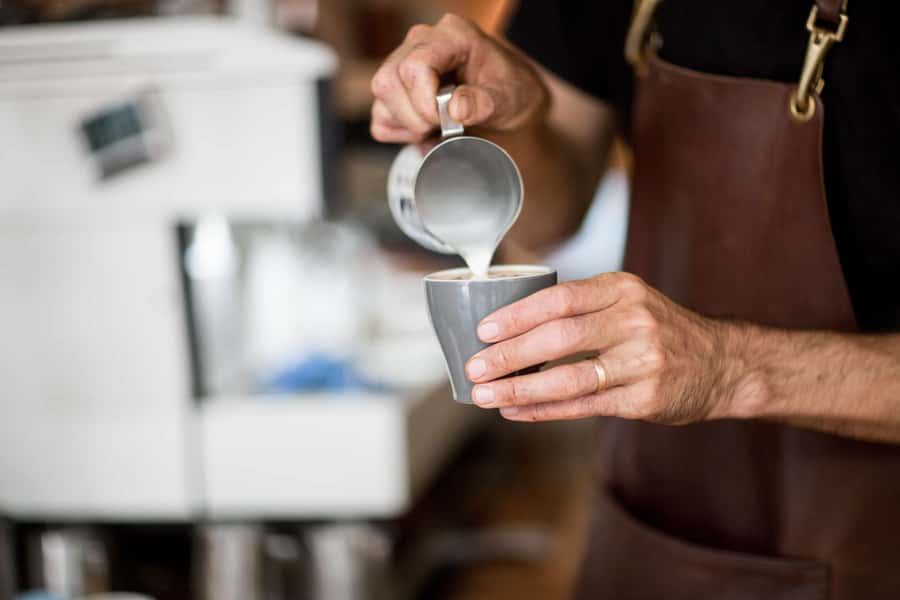
Coffee tells Melbourne’s story one cup at a time. This 2.5-hour small-group walk leads you through central Melbourne’s lanes and back streets, stopping at local cafés that care about bean origin, roasting, and brewing. I like the mix of four coffee tastings and practical commentary from a local barista guide. You do not just drink coffee here. You learn why the cups taste different.
I also like the route through Degraves Street and nearby lanes, since it gives you a useful introduction to Melbourne’s café culture without taking up an entire day. Guides such as Andrew and Monique have earned especially warm praise for their friendly teaching and city stories. The main drawback is simple: food is not included, and four coffees in 150 minutes may be too much for anyone sensitive to caffeine.
In This Review
- Key points at a glance
- Why Melbourne is such a good place for a coffee walk
- Meeting at Degraves Street near Flinders Street Station
- The first café sets the tone
- Three shorter tastings sharpen the comparison
- Espresso and filter make the lesson practical
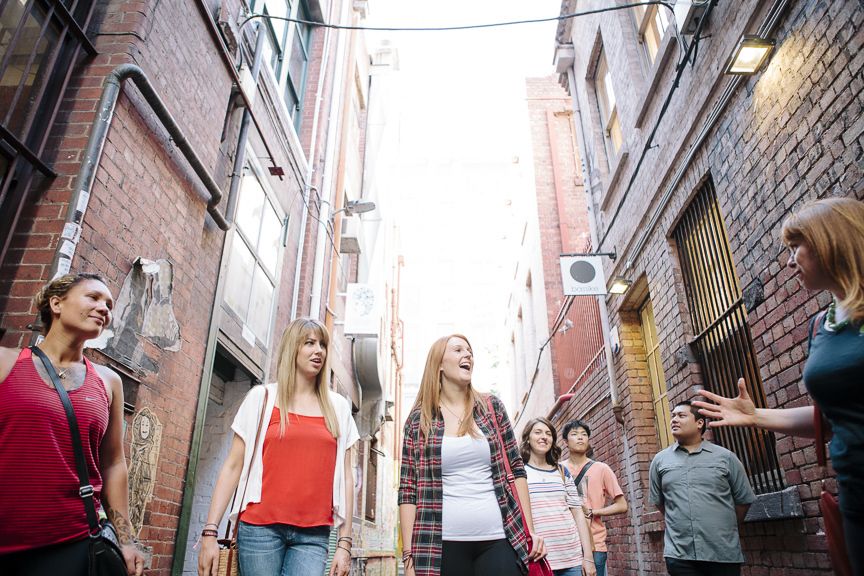
- Walking Melbourne’s lanes between cups
- A guide makes the biggest difference
- Is $70 good value?
- Who should book the Melbourne Coffee Lovers Walk?
- Timing, cancellation, and planning advice
- My verdict: book it for coffee, not just sightseeing
- FAQ
- How long does the Melbourne Coffee Lovers Walk last?
- How many coffees are included?
- Will I try both espresso and filter coffee?
- Where does the tour begin?
- Where does the tour finish?
- Is food included?
- What language is the tour conducted in?
- Can I cancel for a refund?
Key points at a glance
- Four coffees, two brewing styles: You try both espresso and filter coffee, giving you a clear taste of different brewing methods.
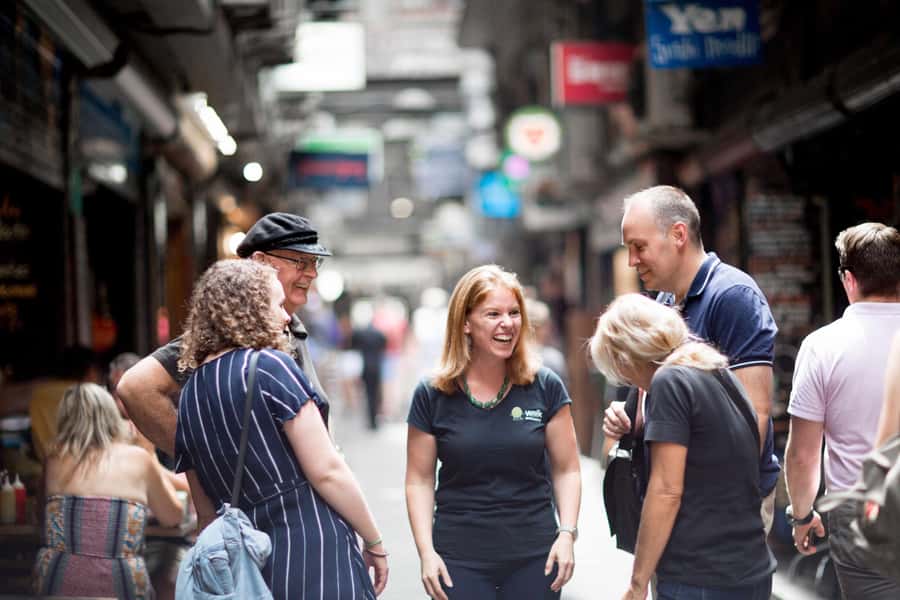
- A local barista leads the way: The guide explains the coffee process and answers detailed questions in plain language.
- Melbourne’s lanes are part of the experience: The walk begins on Degraves Street and finishes on Elizabeth Street, with café stops between.
- The cafés change over time: The route is adjusted regularly to include central Melbourne cafés considered among the city’s best.
- A compact city activity: The 150-minute format fits well on a first day, a rainy day, or a morning before other plans.
- Good public transport access: The meeting point is opposite Flinders Street Station, and central Melbourne trams are free.
Why Melbourne is such a good place for a coffee walk
Melbourne’s coffee culture is not just about grabbing a takeaway flat white. It is also about the bean’s origin, the roast, the grind, the water, and the method used to brew it. This walk gives you a guided introduction to that crop-to-cup chain without requiring you to already know the difference between every coffee on the menu.
The city was judged to have the world’s best coffee in a 2014 survey, ahead of Vienna and Rome. That claim is subjective, of course, but Melbourne clearly takes coffee seriously. The city’s central lanes are a useful setting for seeing how café culture fits into everyday city life.
I particularly like the way the tour uses tastings to make the lesson practical. Instead of hearing a long explanation about espresso and filter coffee, you can compare them in the cup. That makes the information easier to understand and gives you a better chance of ordering something you actually like later.
The tour also suits a first visit to Melbourne because the walk combines two local signatures: café culture and laneways. You get a quick sense of the central city while following a guide who can explain the coffee rather than simply point you toward the next café.
Other trips worth a look in Australia:
- Sydney: Opera House Guided Tour with Entrance Ticket
★ 4.8 · 8,312 reviews - All Inclusive Blue Mountain,Scenic World,Lunch,Koalas,ferry
★ 5.0 · 7,832 reviews - Great Ocean Road Small-Group Eco Tour from Melbourne
★ 5.0 · 6,607 reviews
Meeting at Degraves Street near Flinders Street Station
The walk begins at 15 Degraves Street, at the corner of Flinders Street. Be careful with the address. The meeting point is on Degraves Street, not Flinders Lane, and that distinction matters in central Melbourne, where several nearby streets can sound similar.
The location is convenient. It is opposite Flinders Street Station and close to a major tram stop on Flinders Street. Tram stops on Swanston Street and Elizabeth Street are also about a one-minute walk away. Central Melbourne trams are free, so you do not need a hotel transfer or a separate paid ride to reach the start if you are already in the central city.
Degraves Street is a fitting place to begin. The tour is designed around Melbourne’s back streets, and you start in one of the city’s best-known café lanes rather than at a coach terminal or a distant attraction. You can arrive by train, tram, or on foot, then move straight into the coffee theme.
I would allow a little extra time to find the exact corner. The meeting instructions are clear, but a busy central street can still cause confusion, especially if you arrive just before the start. Bring rain gear. The walk takes place outdoors between café visits, and Melbourne weather can change quickly.
The first café sets the tone
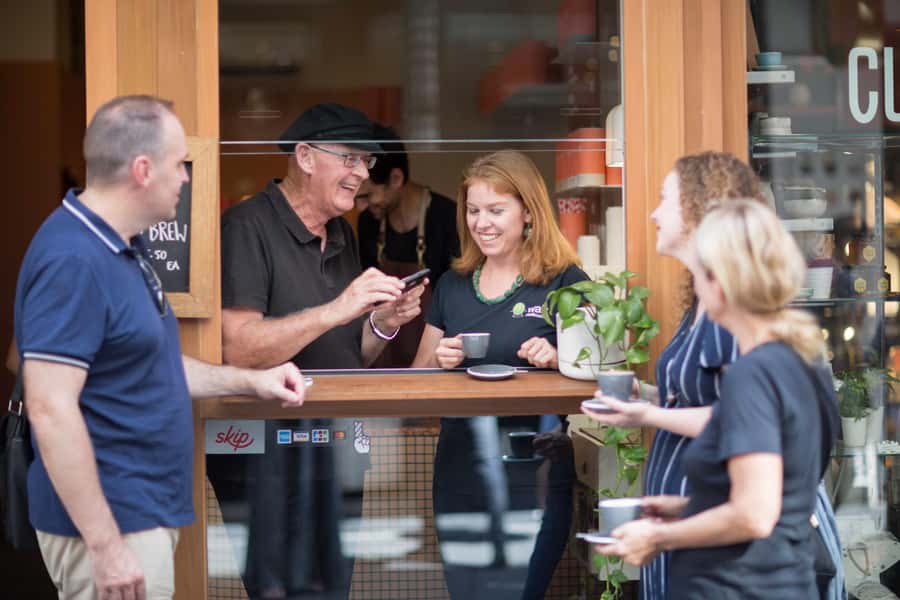
The first café stop includes about 20 minutes for coffee tasting. Since this is the longest tasting stop listed, it gives the guide time to explain the basic ideas behind the tour and set up the crop-to-cup story.
You can expect the guide to discuss where coffee comes from, how it is roasted, and how the bean’s character changes in the cup. The supplied information does not identify a fixed café or a specific coffee served at this first stop, because the venues change regularly. That flexibility is useful, since the route can feature cafés considered among the best in central Melbourne at the time of your visit.
The first tasting is also your chance to ask questions. If you are unsure about espresso, filter brewing, roast levels, or how café coffee differs from what you make at home, ask early. The walk is built around conversation, and the guides are there to explain rather than rush you through four samples.
This stop may be the most useful for beginners. You do not need to arrive with specialist coffee knowledge. A barista guide can give you the basic vocabulary, then use the later tastings to show you how those ideas work in practice.
Three shorter tastings sharpen the comparison
After the first café, the tour visits three more local cafés. Each tasting lasts about 15 minutes. These stops are shorter, but that is part of the design. You get four cups across different places without sitting in one café for most of the afternoon.
The second stop helps broaden the comparison. You might notice differences in aroma, strength, texture, or finish, although the exact coffees depend on the current venues. The guide can help you connect those differences to the beans, the roast, or the brewing method.
The third stop keeps the walk moving through Melbourne’s lanes. This is where the format works better than a single café tasting. You are not only sampling coffee. You are also seeing how the city’s small streets connect cafés, shops, and the central business district.
The fourth stop completes the tasting sequence. Across the four cafés, you try both espresso and filter coffee. That matters because filter coffee can bring out different flavors and textures from espresso, even when the same broad coffee style is involved. You may find one method suits you far more than the other.
Do not expect four large café drinks. The experience is built around tasting, not replacing breakfast or keeping you supplied with full-size lattes. That is good for variety, but it also means you should not book this as a meal. Food is excluded, though the route has plenty of quick, inexpensive options for picking up something to eat along the way.
A completely different kind of day out:
- From Melbourne: Great Ocean Road, 12 Apostles, Wildlife Tour
★ 4.7 · 6,020 reviews - Ocean Rafting: Whitehaven Beach, Snorkelling & Hill Inlet Lookout
★ 5.0 · 4,777 reviews - Laid back, Yarra Valley Wine Tour: Wine, Cider, Gin, Beer + Choc
★ 5.0 · 4,552 reviews - From Sydney: Blue Mountains Full-Day Trip
★ 4.5 · 4,471 reviews
Espresso and filter make the lesson practical
The strongest part of the walk is the chance to taste espresso and filter coffee side by side during a guided route. Coffee talk can become vague when it stays theoretical. A tasting gives you something concrete to compare.
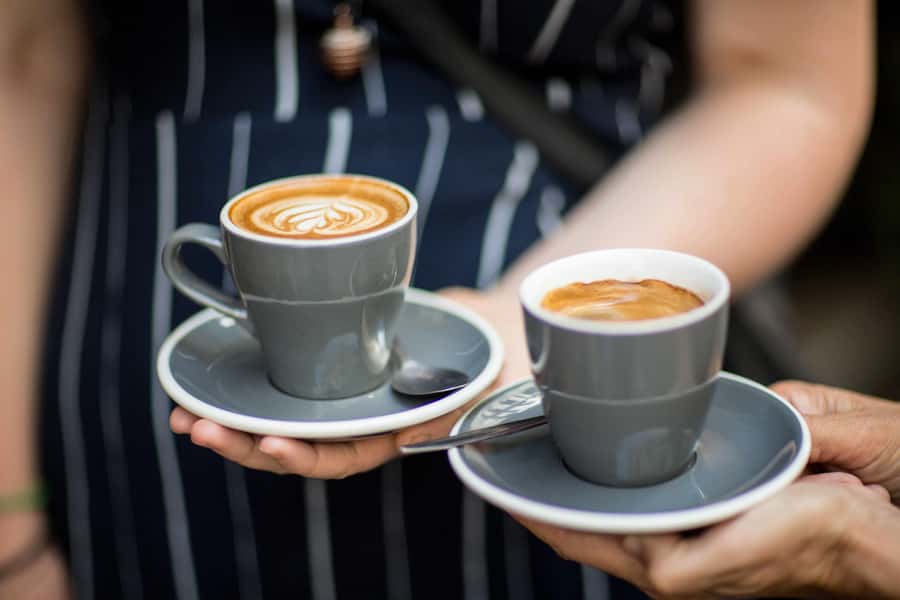
Espresso is concentrated and brewed under pressure. Filter coffee takes a different path, and the cup can feel lighter or show different flavors. The guide can explain these differences as you drink, which is more useful than memorizing definitions before your visit.
You can also ask the questions that come up when you are standing at a café counter. What should you order if you prefer a less intense cup? How does a roast affect flavor? Why can two cafés serve coffee that tastes so different? The tour description specifically invites coffee questions, so this is a good setting for curious beginners and serious coffee fans alike.
The four-cup format has one practical weakness: caffeine. The information does not specify serving sizes or decaffeinated alternatives, so you should not assume those options are available. If you are sensitive to caffeine, ask the guide about the tasting format at the start.
Walking Melbourne’s lanes between cups
The route connects the cafés through Melbourne’s central lanes and back streets. You are not given a fixed list of permanent venues, and that is intentional. The tour changes cafés regularly to include places that currently offer strong coffee in central Melbourne.
That keeps the experience tied to the city’s present café culture rather than turning it into a static museum piece. It also means the precise character of each stop can vary. You may get different café interiors, different beans, and different brewing choices on different dates.
The lane walk adds useful context. You see coffee as part of Melbourne’s city rhythm, not as an isolated tasting in a classroom. The route begins at Degraves Street and finishes at 213 Elizabeth Street, Melbourne VIC 3000. From there, you are still in a central area with access to trams and other city sights.
The walking itself is not described as strenuous, but you should wear comfortable shoes and bring rain gear. The exact route between cafés is not given, so I would avoid planning a tightly timed activity immediately after the tour. Allow a little breathing room for café service and city walking.
A guide makes the biggest difference
The guide is central to the quality of this experience. You are not simply handed four cups and left to work out the differences. A local barista guide leads the walk, explains the coffee process, adds Melbourne stories, and answers questions.
Andrew received especially strong praise for his friendly manner and clear explanations. His approach appears to combine coffee education with local history, which gives the walk more range than a tasting focused only on technical details. Monique was also praised for sharing her expertise and showing how much variety exists across Melbourne’s coffee scene.
The guide names matter because they show what kind of experience to expect. The best version of this tour is conversational rather than formal. You can ask about the cup in front of you, then switch to a question about the city or the café scene.
The live guide operates in English. If you want a self-guided experience or a tour in another language, this will not be the right choice. If you enjoy asking questions and learning through conversation, the format should suit you well.
Is $70 good value?
The price is $70 per person. That is not cheap for four coffees, especially since food and hotel transfers are not included. If you judge the experience only by the number of drinks, you may decide to visit several cafés on your own for less.
The value comes from the combination of tastings, access to changing cafés, a barista guide, and a structured walk through central Melbourne. You are paying for context and comparison. A person who already knows the city’s cafés and feels comfortable choosing beans and brewing styles may prefer to explore independently.
For a first-time visitor, the price is easier to justify. Four separate cafés can take time to plan, and you may not know which places are worth prioritizing. A guide helps you use 150 minutes efficiently and gives you a reason to compare what is in each cup.
The tour can also save you from ordering four full coffees on your own. The tasting format is designed to sample rather than consume a large drink at every stop, although the exact serving details are not provided. Consider the price worthwhile if you care about coffee and want a focused introduction, not if you simply need a morning caffeine boost.
Who should book the Melbourne Coffee Lovers Walk?
I would recommend this walk to several types of visitor:
- Coffee beginners who want to understand the difference between espresso and filter coffee.
- Coffee enthusiasts who enjoy discussing origins, roasting, and brewing with a barista.
- First-time Melbourne visitors who want a short introduction to central lanes and cafés.
- Solo visitors who prefer a small-group activity with an easy subject for conversation.
- Repeat visitors who want to see cafés beyond their usual route through the city.
- People with limited time who can spare 2.5 hours but do not want a full-day tour.
It may not suit you if you dislike coffee, need a substantial meal during an activity, or prefer a fixed route with guaranteed venues. The changing café lineup is a strength for keeping the experience current, but it also means you cannot choose the exact cafés in advance from the information provided.
The caffeine issue deserves attention. Four tastings may be enjoyable for most coffee drinkers, but you should ask about serving size and alternatives if caffeine affects you. I would also avoid pairing the walk with another coffee-heavy activity later that day unless you are very sure of your tolerance.
Timing, cancellation, and planning advice
The tour lasts 150 minutes, and starting times depend on availability. Check the schedule before you build the rest of your day around it. The finish at 213 Elizabeth Street is central, but the walk may not end right beside your next attraction.
You can cancel up to 24 hours in advance for a full refund. The reserve-now, pay-later option also helps if your Melbourne plans are still changing. These policies are useful for a city break where weather and day plans can shift.
Public transport is one of the easiest ways to reach the start. Flinders Street Station is directly opposite the meeting area, and nearby tram stops make the location simple to reach from other parts of central Melbourne. Hotel transfers are not included, but they are not especially important here because the start and finish are both in the city center.
Bring rain gear even if the forecast looks kind. The route moves between indoor cafés, but the walking sections remain exposed. Comfortable shoes are sensible, and a small snack before or during the walk may be useful since food is not included.
My verdict: book it for coffee, not just sightseeing
I would book the Melbourne Coffee Lovers Walk if coffee is part of the reason you want to visit Melbourne. The four tastings, espresso and filter comparison, and barista-led explanations give you more than a list of cafés. You leave with a better sense of how coffee is produced and why the same drink can taste different from place to place.
I also like the easy central location and manageable 2.5-hour length. It fits neatly into a city itinerary, and the walk adds a local angle to streets you might otherwise pass without noticing.
The $70 price is fair for a guided tasting but high for anyone who only wants four drinks. You should also plan for food, rain, and the possibility that the café lineup will differ from what you imagined. For curious coffee drinkers, especially first-time visitors, this is a focused and friendly way to understand one of Melbourne’s defining habits.
FAQ
How long does the Melbourne Coffee Lovers Walk last?
The walk lasts 150 minutes, or 2.5 hours.
How many coffees are included?
Four cups of coffee are included during the experience.
Will I try both espresso and filter coffee?
Yes. The experience includes tastings of both espresso and filter coffee.
Where does the tour begin?
It begins at 15 Degraves Street, at the corner of Flinders Street, opposite Flinders Street Station. This is Degraves Street, not Flinders Lane.
Where does the tour finish?
The walk finishes at 213 Elizabeth Street, Melbourne VIC 3000, Australia.
Is food included?
No. Food is not included, although there are many quick and inexpensive options to pick up along the route.
What language is the tour conducted in?
The live tour guide operates in English.
Can I cancel for a refund?
Yes. You can cancel up to 24 hours in advance for a full refund. You can also reserve now and pay later.
Just added in Australia
- 1hour Scenic Flight Heart Reef, Whitehaven Beach, Hill Inlet, GBR★ 5.0 · 134 reviews
- Fly Raft Package: Whitehaven Beach, Snorkel and Scenic Flight★ 5.0 · 316 reviews
- All-Inclusive Waterfall Explorer Day Trip from Airlie Beach★ 4.5 · 253 reviews
- Airlie Coastal Beach Adventures – Dingo Beach & Cape Gloucester★ 5.0 · 27 reviews
- Airlie Beach Glass Bottom Boat Tour★ 4.5 · 329 reviews
- British Defender 3D2N Whitsunday Snorkelling Sailing Adventure★ 5.0 · 30 reviews
- Bowen Beaches Discovery-Top of the Whitsundays★ 5.0 · 40 reviews
- Airlie Waterfalls & Rainforest Bushwalk Eco Adventure★ 5.0 · 23 reviews