
Reviewed · PERTH TOURS
Marine Discovery Centre
Wild dolphins set the tone. At Bunbury’s Marine Discovery Centre, you can learn about bottlenose dolphins and Koombana Bay without getting wet, then explore aquariums, films, feeding sessions, and hands-on displays at your own pace. I like the 14 themed aquariums and the thoughtful mix of marine science, Indigenous stories, and local history. I also like that the centre keeps dolphins in the wild, with no aquarium or ocean-pen displays.
The main consideration is timing. You may finish the core exhibits in about 90 minutes, so the $16 price works best if you stay for a feeding program, a film, or a possible dolphin visit to the nearby Interaction Zone. Families can easily stretch the visit longer, but adults seeking a large aquarium may find the centre modest in size.
In This Review
- Key points to know before you go
- Starting at the Bunbury Dolphin Discovery Centre
- Following Koombana Bay from river to reef
- Meeting dolphins without putting them in tanks
- The 360-degree Digital Dolphinarium
- Hands-on displays for children and adults
- Four daily feeding sessions
- Koombana Bay’s Indigenous and local story
- How long to stay and how to plan the day
- Is $16 good value?
- Who should visit the Marine Discovery Centre?
- Booking, access, and practical rules
- Should you book it?
- FAQ
- How much does admission to the Marine Discovery Centre cost?
- How long does the visit take?
- What are the opening hours?
- Are there dolphins in aquariums or ocean pens?
- Can I see wild dolphins during the visit?
- Is the centre wheelchair accessible?
- Can I take photographs or touch the animals?
Key points to know before you go
- Four feeding programs daily: Plan your arrival around one of the live feeding sessions if you want more than a self-guided look.
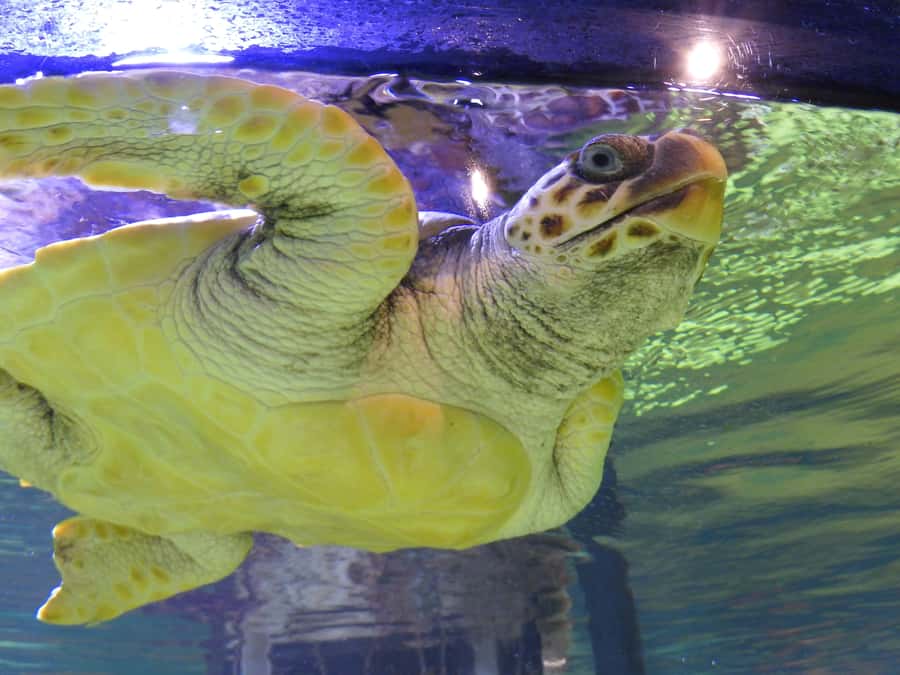
- Fourteen aquariums: Follow the marine story from freshwater river habitats to offshore reef environments.
- No captive dolphins: The centre studies and protects wild bottlenose dolphins in Koombana Bay.
- 360-degree Digital Dolphinarium: The cinema gives you a close look at dolphin life and habitat without entering the water.
- All-day admission: Your ticket is valid from 9am to 3pm, so you can leave for lunch and return.
- Accessible for all ages and abilities: The centre is wheelchair accessible and includes interactive activities for children and adults.
Starting at the Bunbury Dolphin Discovery Centre
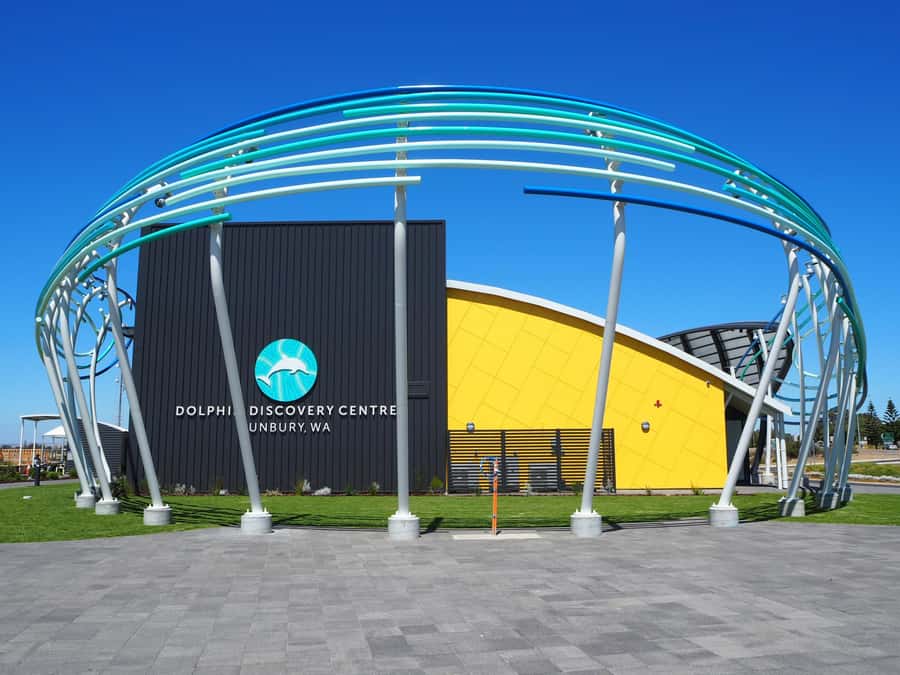
Your visit begins at the Dolphin Discovery Centre in Bunbury, Western Australia. Go to the front tour desk and show your ticket or voucher. From there, you explore independently rather than joining a fixed-length guided tour.
That arrangement suits a family day well. You can move quickly through displays if younger children lose interest, or slow down when a film, aquarium, or history panel catches your attention. I also like the freedom to return later in the same day, especially since the centre is open from 9am to 3pm.
The centre is not a huge public aquarium. Think of it as a focused interpretation centre built around Koombana Bay, its dolphins, and the nearby marine environment. The scale makes it manageable, particularly for children, grandparents, and anyone who prefers not to spend half a day walking through a large indoor attraction.
The suggested visit is about 90 minutes. That is enough time to see the main exhibits, though the ticket remains valid for the entire calendar day during opening hours. You can pair the centre with lunch, a dolphin activity, or a second visit later in the afternoon.
A few more options to weigh up in Perth
- From Perth: Rottnest Island Full-Day Bike and Ferry Trip
★ 4.7 · 2,548 reviews - The Margaret River wine tour for people who don’t do tours!
★ 5.0 · 1,969 reviews - From Perth or Fremantle: Rottnest Island Ferry and Bus Tour
★ 4.6 · 1,246 reviews
Following Koombana Bay from river to reef
The aquariums form the backbone of the visit. Rather than presenting a random collection of fish, they explain the progression from freshwater river areas through coastal waters and out toward offshore reef habitats.
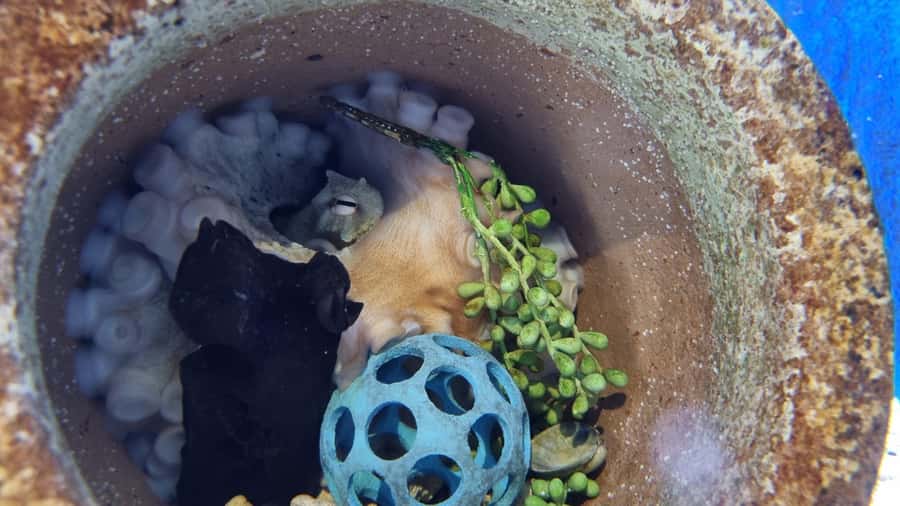
That regional focus gives the displays purpose. You are not simply looking at a shark, an octopus, or coral in isolation. You are seeing marine plants and animals connected to the temperate waters around Bunbury. The setting helps you understand the environment where the local bottlenose dolphins live.
The centre includes 14 aquariums with themed fish and animal displays. You can expect to see examples such as sharks, octopus, coral, and other marine life from the region. The information is designed for a broad audience, so it should work for a child encountering marine biology for the first time as well as an adult wanting more context about Koombana Bay.
I particularly like this local approach. A general aquarium can be entertaining, but a regional centre can make a nearby bay feel more familiar. Afterward, you have a better sense of how river systems, coastal habitats, reef areas, and marine animals connect.
The drawback is that the aquariums are part of a wider educational experience, not the entire attraction. If your main goal is a giant tank or a long parade of rare species, this will not provide that kind of scale. Its value comes from the story tying the displays together.
Meeting dolphins without putting them in tanks
Dolphins are the centre’s main subject, but you will not find dolphins living in aquariums or ocean pens here. The Dolphin Discovery Centre works with the wild bottlenose dolphins of Koombana Bay and focuses on conservation, research, and education.
That choice matters. The centre lets you learn about dolphins while keeping the animals in their natural environment. It also gives the visit a useful link to the wider bay, rather than making the animals a static display behind glass.
If wild dolphins come to the Interaction Zone outside the centre during your visit, staff will let you know. This is a possible bonus, not something you should treat as guaranteed. The centre also offers dolphin tours separately, and one recent booking combined the centre with a dolphin cruise and returned afterward for lunch and coffee.
You should keep expectations sensible. Admission to the Marine Discovery and Interpretive Centre does not promise a dolphin sighting, and the indoor exhibits do not replace time on the water. Still, the chance to hear about a wild pod and possibly receive word of a visit gives the centre a strong connection to the bay.
Do not feed or touch any animals, and leave flash photography turned off. These rules protect the animals and keep the displays comfortable for everyone.
The 360-degree Digital Dolphinarium
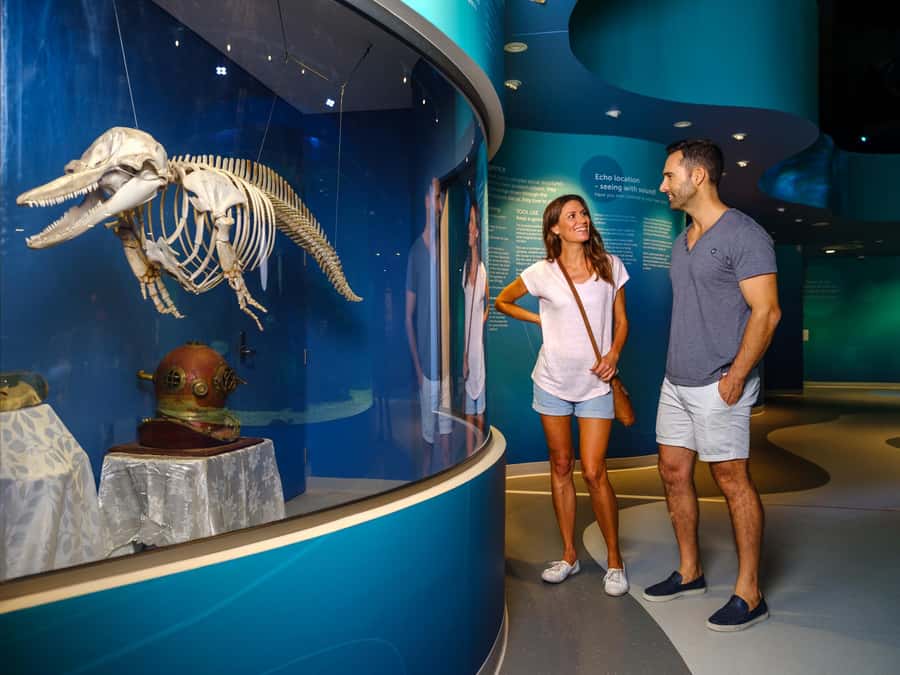
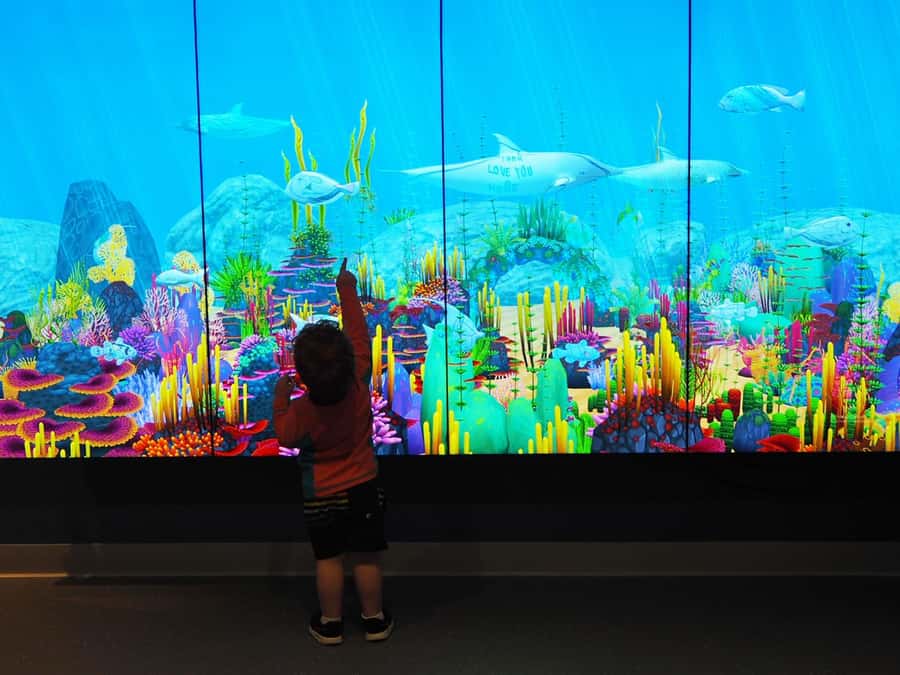
The 360-degree Digital Dolphinarium provides the most cinematic part of the centre. It uses a full-view digital presentation to show the world of dolphins and their environment.
This is useful for visitors who want a stronger sense of being in the marine world without getting wet. It also adds movement and atmosphere to a visit that otherwise relies on aquariums, panels, and hands-on stations.
The exact presentation schedule is not specified, so I would ask at the tour desk when you arrive. That small bit of planning can help you fit the film into a 90-minute visit, especially if you are travelling with children or arranging your day around a feeding session.
The cinema is also a good option if the weather is poor or if some members of your group are less interested in reading display panels. It offers a shared activity that does not depend on swimming, boating, or standing outdoors.
A completely different kind of day out:
- Pinnacles Desert Sunset Dinner and Stargazing Tour
★ 5.0 · 1,034 reviews - Mandurah: Dolphin and Views Cruise
★ 4.6 · 920 reviews - Hidden Gems: Boutique Full-Day Wine, Farm & Lunch Tour
★ 5.0 · 881 reviews - From Fremantle: Rottnest Island Ferry and Bike Day Tour
★ 4.6 · 805 reviews
Hands-on displays for children and adults
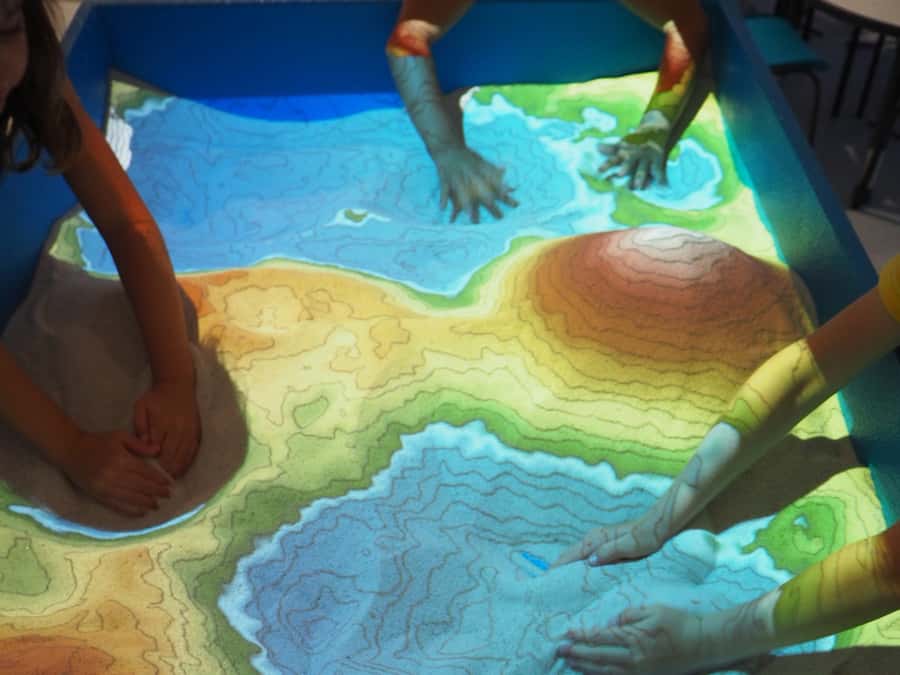
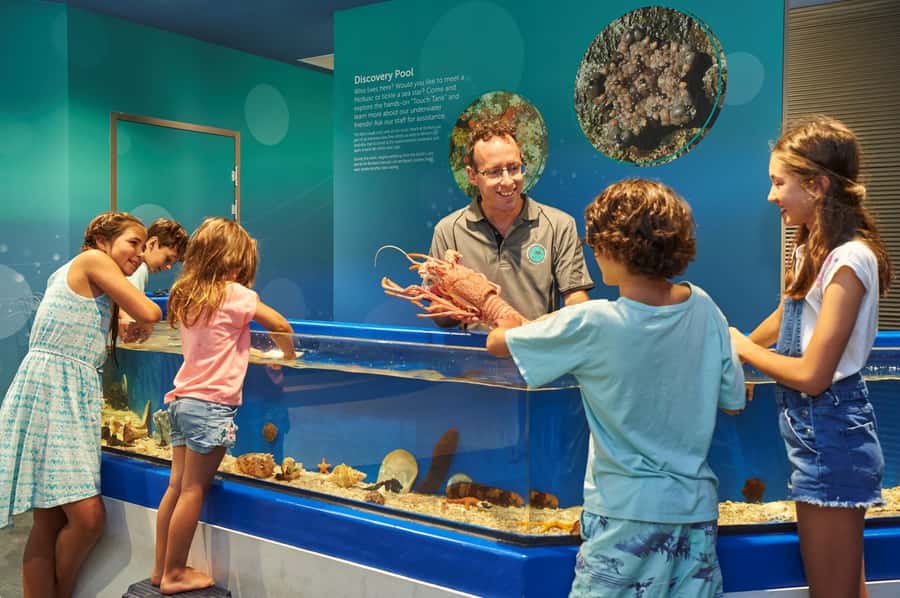
The centre includes interactive displays, activity centres, a Discovery Pool, and 2D and 3D movies. These features keep the visit from becoming a row of aquariums and information boards.
For families, the interactive areas are probably the biggest practical advantage. A verified family booking with three children aged six, four, and four spent about 90 minutes fully occupied by the activities and presentations. That is a useful guide: young children can find enough to do, but you should allow extra time if they enjoy pressing buttons, watching films, and examining the aquariums closely.
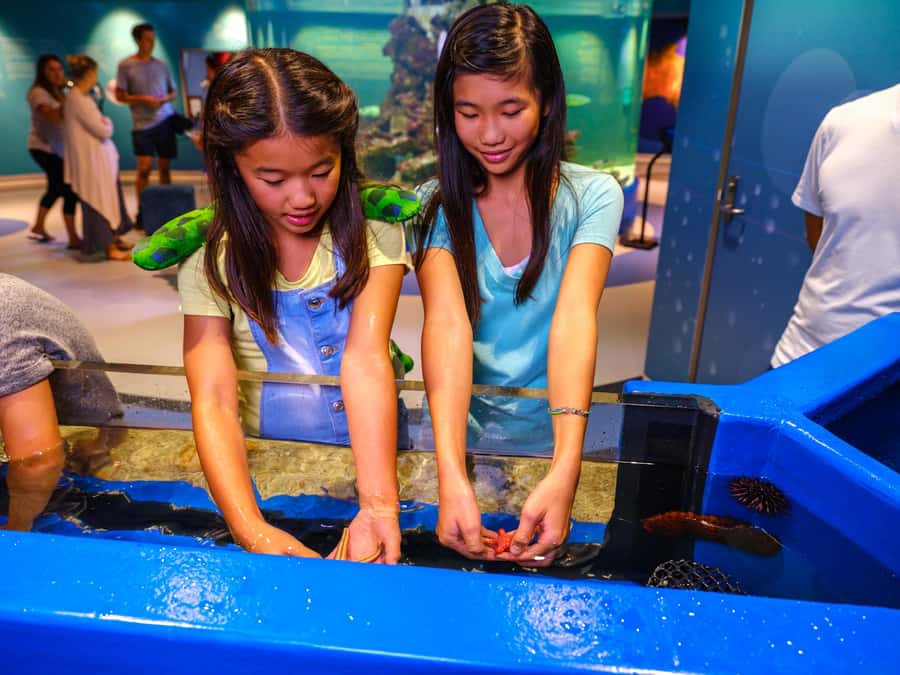
The Discovery Pool adds another hands-on element. The available information does not specify which animals or activities are offered there at every time, so ask staff for the current program. The same applies to the 2D and 3D movie schedule.
Adults should not write off these sections as only for children. The interactive material helps explain the marine environment in a clear way, and the centre’s blend of technology and natural displays gives the visit a more active rhythm.
Still, the centre is educational by design. If you want a fast, purely visual attraction, you may find the information panels and interpretation a little slow. I think the best approach is to choose the displays that interest you, then use the ticket’s all-day validity to avoid rushing.
Four daily feeding sessions
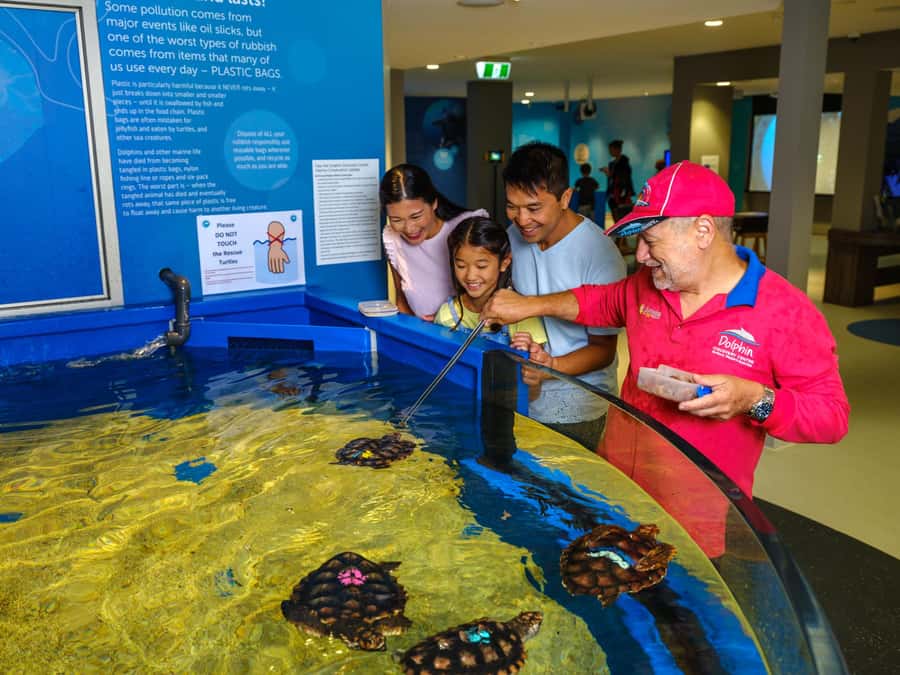
Live feeding is one of the most useful anchors for planning your day. The centre runs feeding programs four times daily, which gives you several chances to catch one without building your whole schedule around a single time.
Ask the front desk for the current feeding times on arrival. The supplied details confirm the frequency but do not list exact times. Arriving early also gives you a better chance of fitting the program between films and the other displays.
Feeding sessions add a practical explanation of animal behaviour and care. You see activity rather than only a resting animal in an aquarium, and staff can connect the feeding to the animal’s needs and habitat.
These sessions may be especially valuable for children, who often remember what an animal does more easily than a paragraph about it. They also help make the $16 admission feel worthwhile. If you only spend a quick hour looking around, the price is reasonable. If you add feeding, films, and interactive areas, it becomes a stronger value.
Remember that feeding animals yourself is not allowed. The centre controls the program, and you should follow staff directions around every display.
Koombana Bay’s Indigenous and local story
The centre goes beyond dolphins and fish. Its interpretation covers the geological, Indigenous, marine, and contemporary story of Koombana Bay.
This wider context is one of the centre’s best features. Marine attractions can sometimes treat nature as a collection of animals, but this centre places the bay within a longer human and environmental story. You get a better sense of why the area matters, how it developed, and how people relate to it today.
The Indigenous interpretation is particularly important because it gives the region a cultural dimension alongside the scientific displays. The available information does not specify the individual stories or communities featured, so I would take time to read the panels rather than rushing through them.
This section may appeal most to adults and older children, though younger visitors can still enjoy the visual displays and aquariums nearby. It also gives you useful background before a dolphin cruise or a visit to the beach Interaction Zone.
How long to stay and how to plan the day
The centre recommends about 90 minutes, and that is a sensible minimum for the principal displays. If you have children, want to attend a feeding program, and plan to watch a film, allow longer.
Your ticket is valid for the whole calendar day during opening hours, from 9am to 3pm. That flexibility is valuable in Bunbury because you can visit in the morning, take a break for lunch, and return for another display or a later feeding session.
A practical plan might look like this:
- Arrive near opening time and check the feeding and movie schedules.
- Walk through the aquariums while the centre is fresh and quiet.
- Attend a feeding program or film.
- Spend time at the Discovery Pool and interactive displays.
- Take a lunch break, then return if you want to watch another presentation.
- Ask whether wild dolphins are visiting the nearby Interaction Zone.
The centre does not require you to follow a set route. That makes it easier for mixed-age groups, though it also means you need to manage your own timing.
Is $16 good value?
At $16 per person, admission is fairly priced for a full-day indoor attraction with 14 aquariums, interactive displays, films, a 360-degree cinema, and four daily feeding programs.
The value depends on how you use the ticket. A short self-guided visit of less than an hour may feel limited, especially for adults who have seen large aquariums elsewhere. A 90-minute visit that includes a feeding session and digital presentation feels more worthwhile.
Families get the clearest value because the centre offers several types of activity in one place. Grandparents travelling with young children can also appreciate the manageable size, seating opportunities that may be available around the displays, and the freedom to leave and return rather than keeping everyone moving for hours.
The all-day ticket improves the deal. You are not forced to choose between the centre and lunch, and you can make a second visit if a feeding session or dolphin notification fits later in the day.
Who should visit the Marine Discovery Centre?
I would recommend this experience most strongly to:
- Families with young children
- Grandparents travelling with children
- Visitors interested in wild dolphins and conservation
- People who want marine wildlife without swimming or boating
- Anyone looking for a weather-proof Bunbury activity
- Visitors who enjoy local history alongside natural science
- People who need a wheelchair-accessible attraction
It is also a good companion to a dolphin cruise or another activity in Koombana Bay. The centre gives you background before going out on the water, while a cruise provides the outdoor experience that the exhibits cannot.
I would be less enthusiastic if you want only a large public aquarium, a guaranteed dolphin encounter, or a full-day guided tour. The centre is self-guided, compact, and dependent on scheduled activities for some of its strongest moments.
Booking, access, and practical rules
The centre is open seven days a week from 9am to 3pm. Admission includes the Marine Discovery and Interpretive Centre and a self-guided visit for the full calendar day.
Wheelchair access is available. That makes the centre suitable for a wider range of abilities, though you can confirm any specific access needs at the front tour desk.
You can cancel up to 24 hours before the activity for a full refund, and a reserve-now, pay-later option is available. Check the available date and starting information when booking, since feeding and movie times are not listed in the supplied details.
Keep flash photography off. Do not feed or touch animals. If wild dolphins visit the Interaction Zone, staff will tell you, but the sighting is not guaranteed.
Should you book it?
Book the Marine Discovery Centre if you want a low-cost, flexible introduction to Koombana Bay’s marine life. The strongest reasons are the 14 local aquariums, four daily feeding programs, interactive displays, and the centre’s responsible decision to keep dolphins in the wild.
I would plan for at least 90 minutes and check the day’s feeding and film times when you arrive. Families should make good use of the all-day ticket, while adults may want to pair the centre with a dolphin cruise or another Bunbury activity.
Skip it if you expect a huge aquarium or a guaranteed close dolphin encounter. Choose it if you value clear interpretation, local context, and a relaxed visit that works for several ages at once.
FAQ
How much does admission to the Marine Discovery Centre cost?
Admission costs $16 per person.
How long does the visit take?
The recommended visit is about 90 minutes, but you can stay longer. Your ticket is valid for the whole calendar day during opening hours.
What are the opening hours?
The centre is open seven days a week from 9am to 3pm.
Are there dolphins in aquariums or ocean pens?
No. The centre works with wild bottlenose dolphins in Koombana Bay, and there are no dolphins kept in aquariums or ocean pens.
Can I see wild dolphins during the visit?
Wild dolphins may visit the Interaction Zone outside the centre. If they do, staff will let you know, but a visit is not guaranteed.
Is the centre wheelchair accessible?
Yes. The activity is wheelchair accessible.
Can I take photographs or touch the animals?
Flash photography, feeding animals, and touching animals are not allowed.
Just added in Perth
- Perth: Optus Stadium Guided Tour★ 4.8 · 375 reviews
- Bunbury: Swim with Dolphins Tour★ 4.4 · 44 reviews
- Swan Valley: Out for the Afternoon Wine Tasting with Lunch★ 4.6 · 34 reviews
- Perth: Full Day Swan Valley Cruise & Wine Tasting With Lunch★ 4.6 · 301 reviews
- From Perth: Swan Valley Winery & Brewery Day Tour With Lunch★ 4.8 · 47 reviews
- Swan Valley Full-Day Winery Experience with Lunch from Perth★ 4.9 · 309 reviews
- Mandurah: Murray River Lunch Cruise★ 4.7 · 138 reviews
- Rottnest Island: Tandem Skydive★ 5.0 · 90 reviews
Perth Tours, compared.

The Margaret River wine tour for people who don’t do tours!
Read our review →
From Perth or Fremantle: Rottnest Island Ferry and Bus Tour
Read our review →
Pinnacles Desert Sunset Dinner and Stargazing Tour
Read our review →

Hidden Gems: Boutique Full-Day Wine, Farm & Lunch Tour
Read our review →
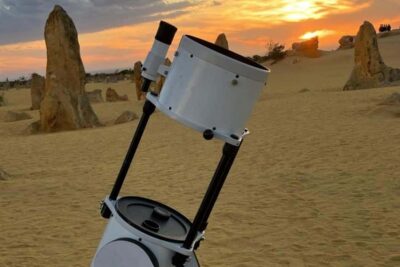
Pinnacles Sunset and Stargazing Tour with Dinner
Read our review →Browse the lists this tour appears in