
Reviewed · AUSTRALIA
Margaret River: Birds of Prey Encounter and Forest Walk
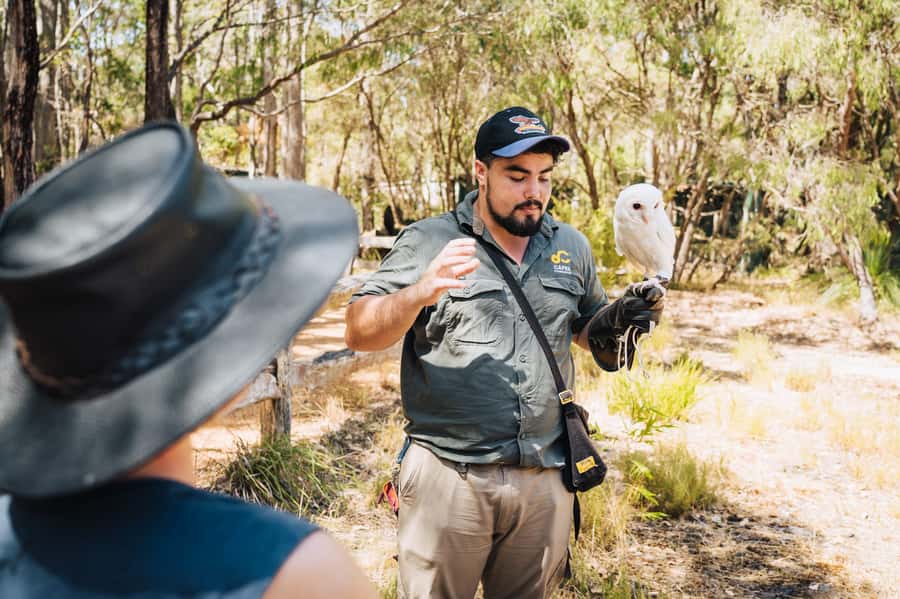
Big birds, close enough to feel the wind. At Capes Raptor Centre, a 90-minute visit brings you near rescued eagles, hawks, falcons, kites, and owls, then sends you along a 1km native forest walk past more birds in care. I like the mix of a lively flight presentation and quiet time among the aviaries, and the staff give the visit real purpose by explaining how injured and displaced raptors are helped. One consideration is that parts of the enclosures have a rustic feel, and the flying display may feature only a small number of bird types.
The twice-daily Bird of Prey Encounter is the main event, with birds flying over the audience, taking food from the air, or eating from a handler’s hand. I also like that the forest walk can happen before or after the presentation, so you are not locked into one rigid order. Guides including Rachel, Robert, Rob, Anne-Marie, Tara, and Cherie have been praised for making the information clear, warm, and entertaining.
In This Review
- Key points to know before you go
- Why Capes Raptor Centre makes a good Margaret River stop
- The Bird of Prey Encounter is the main attraction
- What the flying display can and cannot promise
- The 1km forest walk adds time and calm
- The conservation message is more than background detail
- Is $17 good value for 90 minutes?
- Who will enjoy this experience most?
- Practical tips for planning your visit
- Should you book the Capes Raptor Centre visit?
- FAQ
- Where is the Capes Raptor Centre?
- How long does the Birds of Prey Encounter and Forest Walk last?
- What is included in the ticket?
- Can I choose when to take the forest walk?
- What birds can I see?
- Is the activity wheelchair accessible?
- Is transportation included?
- Can I cancel the booking?
Key points to know before you go
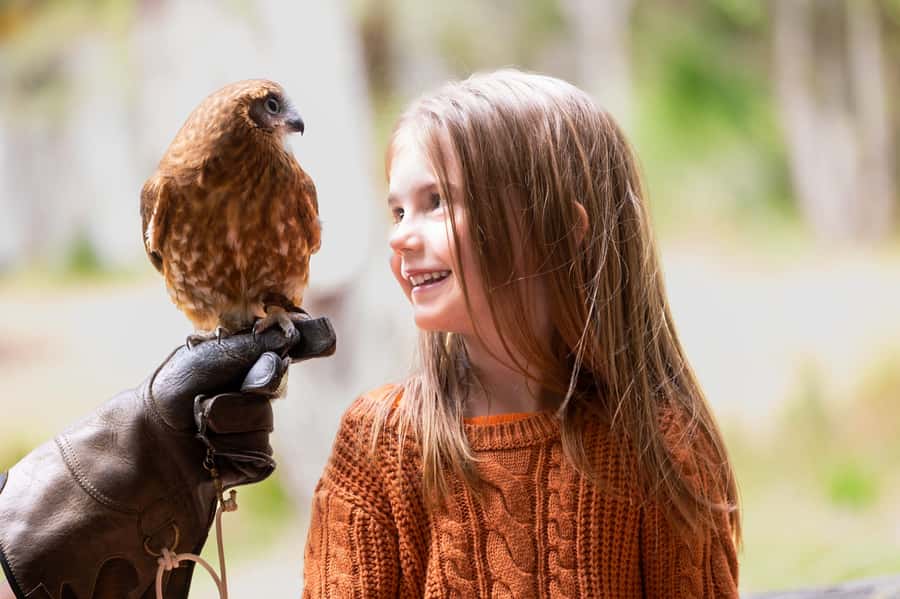
- Close encounters with owls and raptors: You may see birds at very near range and learn about their unusual habits, hunting skills, and adaptations.
- A flight presentation with real movement: Birds can fly overhead, catch food in the air, and feed from a handler’s hand.
- A 1km forest route after the show: The self-guided walk lets you meet other resident birds at your own pace.
- A working rescue centre: The site cares for injured, orphaned, and displaced birds of prey, giving your admission a clear conservation purpose.
- A low-cost Margaret River outing: At $17 per person, the visit offers a full 90 minutes of programming for less than many paid attractions.
- Easy timing for a half-day plan: Capes Raptor Centre is 5 kilometres south of Margaret River townsite and offers encounters twice daily.
Why Capes Raptor Centre makes a good Margaret River stop
Many Margaret River outings focus on wine, food, caves, or beaches. This one gives you something quite different: a direct look at Australia’s raptors and the work involved in caring for them.
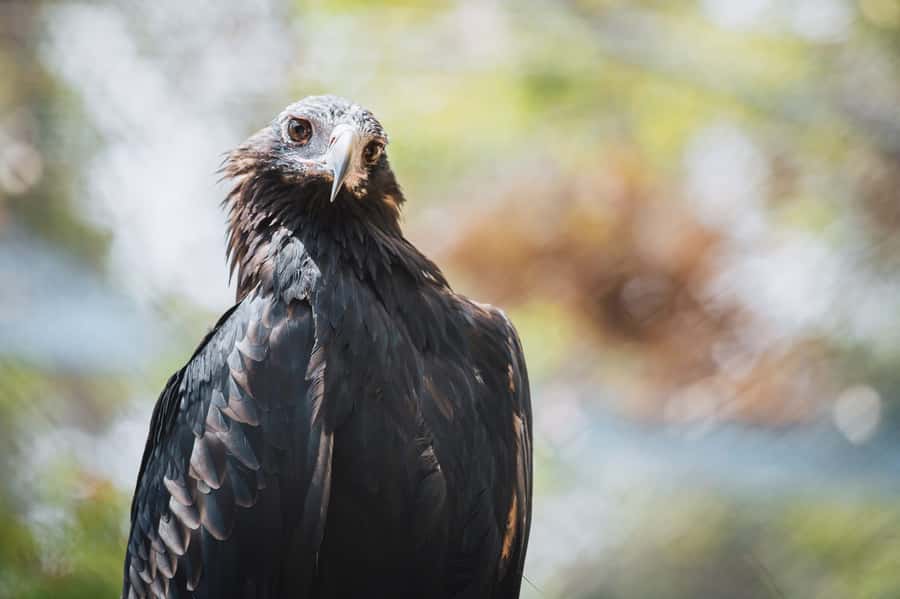
Capes Raptor Centre is described as one of Australia’s largest bird of prey sanctuaries. It provides care for eagles, hawks, falcons, and owls that are injured, orphaned, orphaned, or displaced. That mission changes the mood of the visit. You are not simply watching trained birds perform tricks. You are learning why these animals matter, what threatens them, and why some cannot return to the wild.
I especially value the educational side. The presentation covers bird behaviour and physical adaptations, so you begin to understand how a raptor hunts, flies, feeds, and survives. The talks can also address practical threats. One presentation explained the danger of RATSAK and the poison left in rodents after they have been killed, a sobering lesson about how human products can affect wildlife.
The centre is 5 kilometres south of Margaret River townsite, making it easy to add before or after other local plans. Transportation is not included, so you need to make your own way there. Food and drink are also not included, which is worth noting if you are building a longer day around the visit.
Other trips worth a look in Australia:
- Sydney: Opera House Guided Tour with Entrance Ticket
★ 4.8 · 8,312 reviews - All Inclusive Blue Mountain,Scenic World,Lunch,Koalas,ferry
★ 5.0 · 7,832 reviews - Great Ocean Road Small-Group Eco Tour from Melbourne
★ 5.0 · 6,607 reviews
The Bird of Prey Encounter is the main attraction
The scheduled encounter is the part that gives this outing its energy. It takes place twice daily, though the exact starting times can change, so check availability when choosing your date.
Expect a presenter-led session about the birds, followed by close views and flight activity. The birds may pass over the audience, catch food from the air, or feed from a handler’s hand. That is far more memorable than simply seeing a raptor sitting behind wire. When a bird flies low overhead, you get a quick sense of its size, speed, and silent control.
The experience also includes a close encounter with an owl. A visitor described being particularly impressed by this moment, while another praised the talk about barn owls and kites. You may not get the same bird or identical sequence every time, but the format clearly aims to bring you close without losing sight of the animals’ welfare.
Bonnie, one of the birds used in the presentation, has flown over the audience to the delight of children. Kevin the kite has also become a memorable character, with a personality that adds a little humour to the lesson. These individual birds help turn a general talk about raptors into a more personal experience.
The strongest guides combine facts with good pacing. Rachel and Robert have been praised for keeping children engaged, while Rob has been singled out for his clear and entertaining presentation. Anne-Marie has given informative talks about barn owls and kites, and Tara and Cherie have also received warm praise for their handling of the session.
This matters because raptor presentations can become dry if they are only a list of names and facts. Here, the best moments come when the guide links a bird’s behaviour to the way it lives. You leave with more than a few photographs. You begin to see why a kite flies the way it does, why an owl seems so mysterious, and why a large raptor needs specialist care.
What the flying display can and cannot promise
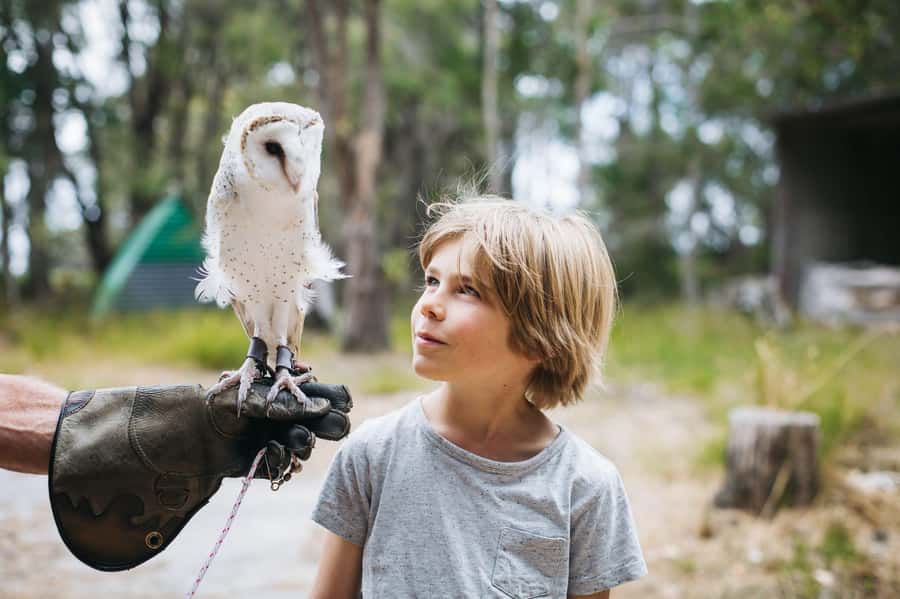
The free-flying section is a major draw, but it helps to keep expectations sensible. The display is not presented as a large-scale show with many different species flying continuously. One comment specifically wished for more than two types of birds in the air.
That does not make the encounter poor value. A smaller presentation can give the handler more time to explain each bird and allow you to focus on what you are seeing. Still, if you expect a long parade of species, you may find the flying portion brief.
The display seems strongest when you treat it as a conservation talk with flight demonstrations, rather than a theatrical production. The birds are the focus, and their behaviour will not always follow a grand entertainment script. That is part of the appeal, but it also means the experience is best for people who enjoy learning about wildlife, not only watching spectacle.
The 1km forest walk adds time and calm
After the encounter, or before it, you can follow the self-guided 1km forest walk. This route takes you through native forest and past additional birds of prey in the centre’s care.
The walk gives the visit a useful second act. The presentation is social and guided, while the forest route lets you slow down and look at the quieter birds. Several people have enjoyed seeing shy residents that might receive less attention during the flight session.
I like this flexible order. If you arrive before the scheduled encounter, you can walk first and then attend the presentation. If the flight session comes first, the forest walk gives you time to process what you have learned. You are not forced to rush straight out after the main talk.
The path also helps you understand the scale of the centre. You see that the work involves more than putting on a show. There are multiple aviaries and a range of birds requiring care. The enclosures have been described as clean and easy to move around, though one person felt that some caged areas could be updated. That is a fair point to keep in mind. This is a working sanctuary with a rustic character, not a polished city zoo.
Allow enough time to walk rather than treating the route as a quick corridor between the entrance and the presentation area. The walk is only 1 kilometre, but your pace will depend on how long you spend looking at each bird and reading or listening to the information available.
A completely different kind of day out:
- From Melbourne: Great Ocean Road, 12 Apostles, Wildlife Tour
★ 4.7 · 6,020 reviews - Ocean Rafting: Whitehaven Beach, Snorkelling & Hill Inlet Lookout
★ 5.0 · 4,777 reviews - Laid back, Yarra Valley Wine Tour: Wine, Cider, Gin, Beer + Choc
★ 5.0 · 4,552 reviews - From Sydney: Blue Mountains Full-Day Trip
★ 4.5 · 4,471 reviews
The conservation message is more than background detail
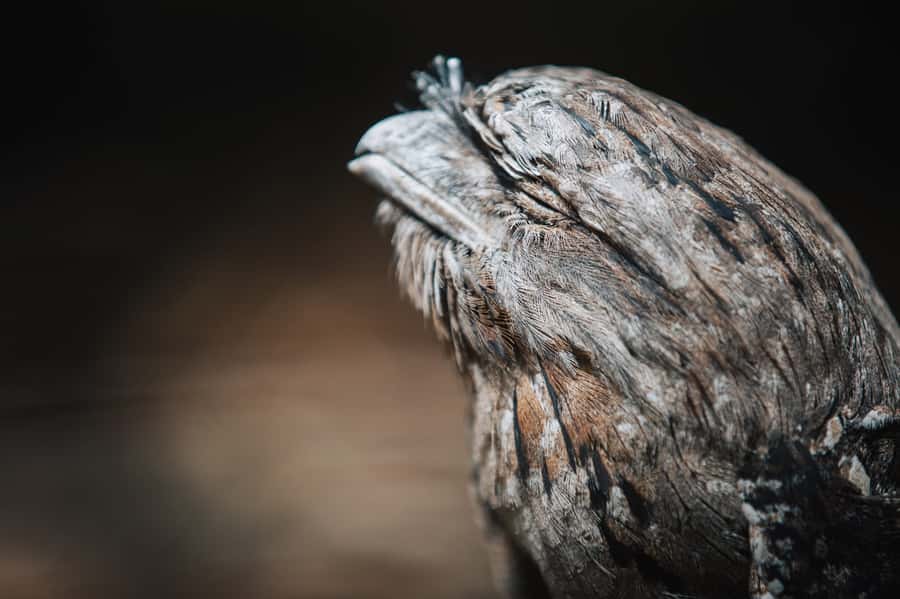
The most worthwhile part of this visit may be the explanation of why raptors need help. Injuries, orphaning, displacement, and human-caused threats all appear in the centre’s work.
The RATSAK discussion is a good example of the educational value. Poison can remain in a dead rodent and then affect a bird that feeds on it. This connects the birds in the aviaries to choices made in ordinary homes and gardens. You are not left with the vague idea that wildlife needs protection. You get a specific example of how harm can happen.
The staff’s attitude also matters. Questions are welcomed, and the team has been praised for answering without judgement. That creates room for useful conversations about what people can do differently.
I appreciate the balance between concern and admiration. The talks explain the risks, but they also show the birds as powerful, clever animals with distinct behaviours. You get both the hard conservation facts and the pleasure of seeing a bird fly, feed, or respond to its handler.
Is $17 good value for 90 minutes?
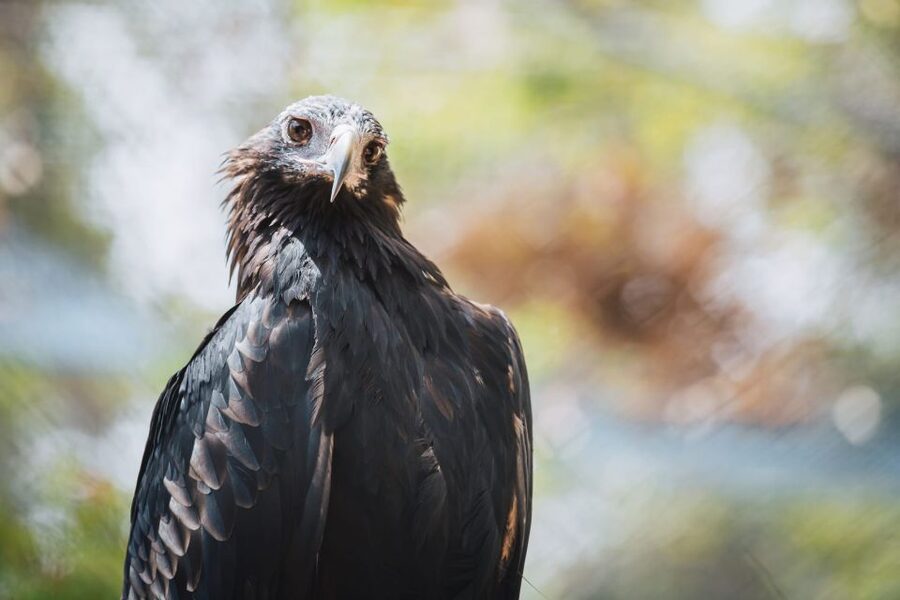
At $17 per person, this is an inexpensive paid attraction in Margaret River. The price includes the scheduled Bird of Prey Encounter and the 1km self-guided walk, so you are paying for both a presentation and time to explore the sanctuary.
The value is especially strong for families. Children get the excitement of a bird flying overhead, while adults can focus on the conservation message and the guide’s explanations. A family does not need to spend a full day here to feel that the admission has delivered something substantial.
It also works well as a shorter stop between other Margaret River activities. You receive 90 minutes of planned content, rather than simply wandering through a small collection of cages. The price would be harder to justify if the walk were closed or the presentation cancelled, but the combination gives you a reasonably full visit.
There are no meals or drinks included, and transportation is not part of the booking. Plan those costs separately. Still, compared with many organised attractions in the region, the admission is modest.
Who will enjoy this experience most?
I would recommend the visit to families, bird lovers, and anyone who wants a wildlife activity with an educational purpose. Children are likely to remember the low flights and close owl encounter, while older visitors may appreciate the details about habitat, feeding, and poisoning risks.
It is also a good choice if you want something that does not depend on a long guided tour. The presentation gives you structure, and the forest walk lets you set your own pace.
People seeking a highly polished entertainment show should adjust their expectations. The sanctuary has a rustic feel, some enclosures may appear ready for improvement, and the flying display can be limited in the number of species featured. The appeal is the birds and the care work, not theatrical scale.
The activity is wheelchair accessible, which makes it a practical option for more visitors. The information is provided in English, and the host or greeter is English-speaking.
Practical tips for planning your visit
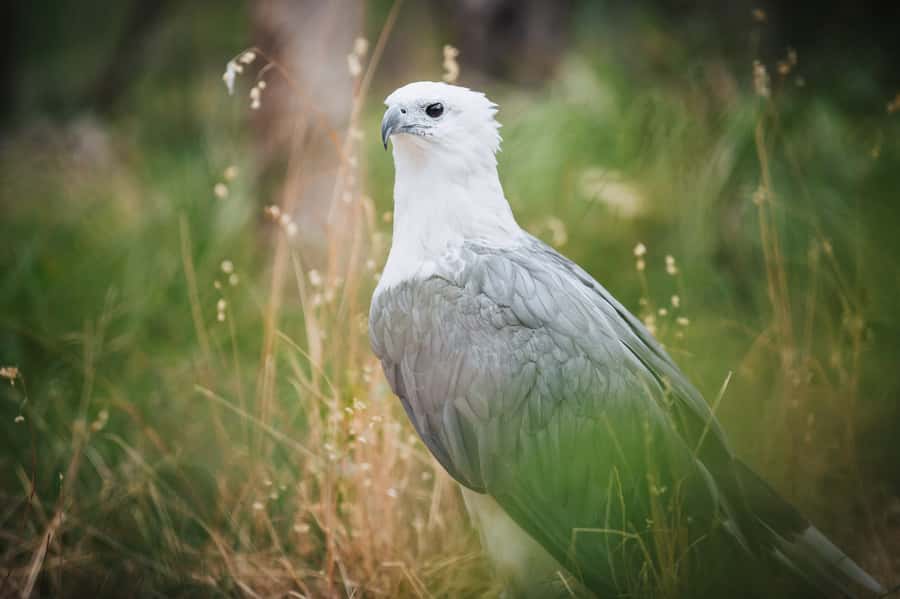
Check the available start times before booking because the encounter runs twice daily. The forest walk can take place either before or after the presentation, so choose the order that best fits your day.
Allow the full 90 minutes. Rushing through the forest route would remove much of the value, especially if you want to stop at the quieter aviaries.
Bring your camera for the photo opportunity with a bird of prey, but pay attention to the handler’s instructions. The most important part of the encounter is seeing the animals safely and respectfully.
If you are travelling with children, prepare them for both sides of the visit. The birds are exciting, but the centre also deals with injury, displacement, and human threats. That combination makes the experience more meaningful, though sensitive children may need a little context.
You can reserve now and pay later, and cancellation is available up to 24 hours before the activity for a full refund. Those terms are useful if your Margaret River plans depend on weather or changing schedules.
Should you book the Capes Raptor Centre visit?
I would book it if you want a low-cost, well-paced wildlife stop with real educational value. The best reasons are the close owl encounter, the birds flying overhead, the 1km forest walk, and the staff’s clear passion for raptor care.
I would skip it only if you want a large, polished bird show with many species in constant flight. The presentation may be smaller than that, and the rustic enclosures will not suit everyone.
For most families and curious visitors in Margaret River, $17 is a fair price for 90 minutes of close animal encounters, useful conservation lessons, and time among birds that many people rarely see at such range.
FAQ
Where is the Capes Raptor Centre?
It is located in Western Australia, 5 kilometres south of the Margaret River townsite.
How long does the Birds of Prey Encounter and Forest Walk last?
The activity lasts 90 minutes.
What is included in the ticket?
The ticket includes a twice-daily Bird of Prey Encounter and a 1km self-guided forest walk.
Can I choose when to take the forest walk?
Yes. The forest walk can take place before or after the Bird of Prey Encounter.
What birds can I see?
The centre cares for eagles, hawks, falcons, kites, and owls, including injured, orphaned, and displaced birds. The exact birds featured in the encounter can vary.
Is the activity wheelchair accessible?
Yes, the activity is wheelchair accessible.
Is transportation included?
No. Transportation to Capes Raptor Centre is not included.
Can I cancel the booking?
Yes. You can cancel up to 24 hours in advance for a full refund. You can also reserve now and pay later.
Just added in Australia
- 1hour Scenic Flight Heart Reef, Whitehaven Beach, Hill Inlet, GBR★ 5.0 · 134 reviews
- Fly Raft Package: Whitehaven Beach, Snorkel and Scenic Flight★ 5.0 · 316 reviews
- All-Inclusive Waterfall Explorer Day Trip from Airlie Beach★ 4.5 · 253 reviews
- Airlie Coastal Beach Adventures – Dingo Beach & Cape Gloucester★ 5.0 · 27 reviews
- Airlie Beach Glass Bottom Boat Tour★ 4.5 · 329 reviews
- Bowen Beaches Discovery-Top of the Whitsundays★ 5.0 · 40 reviews
- Airlie Waterfalls & Rainforest Bushwalk Eco Adventure★ 5.0 · 23 reviews
- British Defender 3D2N Whitsunday Snorkelling Sailing Adventure★ 5.0 · 30 reviews