
Reviewed · WILDLIFE TOURS
Hobart: Admission Ticket to Bonorong Wildlife Sanctuary
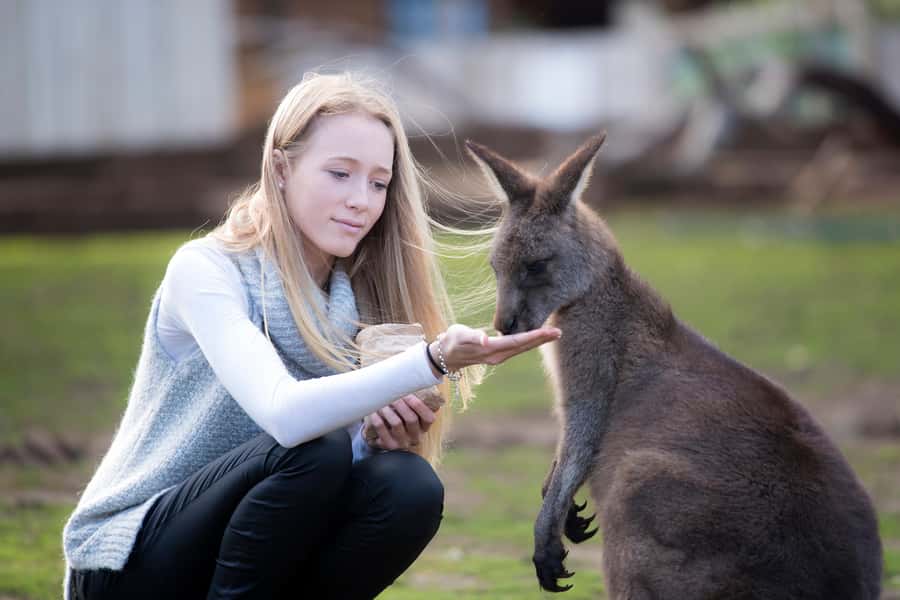
Tasmanian wildlife comes remarkably close here. Bonorong Wildlife Sanctuary gives you a rare chance to hand-feed kangaroos, see Tasmanian devils, and learn why Tasmania remains so important for native Australian species. I especially like the free-roaming kangaroo area and the daily guided tours, which turn a simple animal visit into a useful lesson in wildlife care.
I also like that Bonorong is a sanctuary rather than a standard zoo. Many animals arrive injured, orphaned, or unable to survive safely in the wild. The main drawback is practical: parts of the sanctuary can feel exposed on a hot, sunny day, so you will want sun protection and perhaps extra time for shaded breaks.
In This Review
- Key things to know before you go
- Why Bonorong feels different from a normal zoo
- Start with the kangaroos and wallabies
- Meet Tasmanian devils with a proper explanation
- Wombats and echidnas add slower, stranger charm
- Use the daily tours to understand the sanctuary
- Look for the smaller animals and native birds
- Plan for sun, walking, and a full day
- Is the $25 admission good value?
- Who should visit Bonorong Wildlife Sanctuary?
- Should you book this Hobart wildlife experience?
- FAQ
- What is included in the Bonorong Wildlife Sanctuary ticket?
- How much does admission cost?
- How long is the ticket valid?
- Can I feed the kangaroos?
- Can I see Tasmanian devils at Bonorong?
- Are guided tours included?
- Is Bonorong Wildlife Sanctuary wheelchair accessible?
- Can I bring a dog or other animal?
Key things to know before you go
- Feed kangaroos at close range: Your admission includes a bag of food for the free-roaming kangaroos, making this the most hands-on part of the visit.
- Look for Tasmanian devils: Bonorong offers one of the clearest chances to see this famous Tasmanian animal up close.
- Use the daily tours: Keepers explain the animals, their threats, and the work needed to protect them.
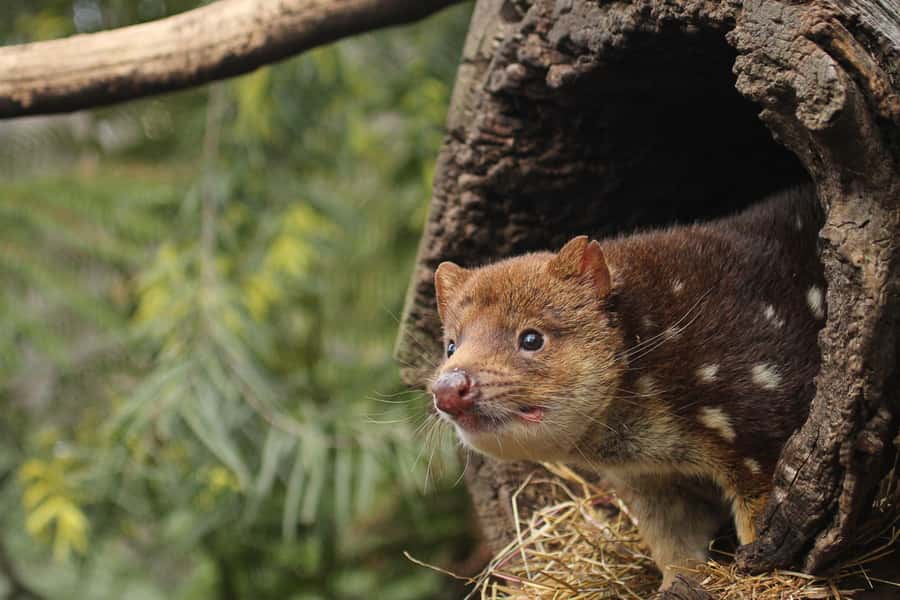
- Expect more than the headline species: Wombats, echidnas, sugar gliders, eastern quolls, parrots, kookaburras, wallabies, and birds are also part of the visit.
- Your ticket lasts 365 days: The admission is valid for a full year, subject to availability and the selected booking conditions.
- Bring your own food plan: Admission and kangaroo food are included, but meals and drinks are not.
Why Bonorong feels different from a normal zoo
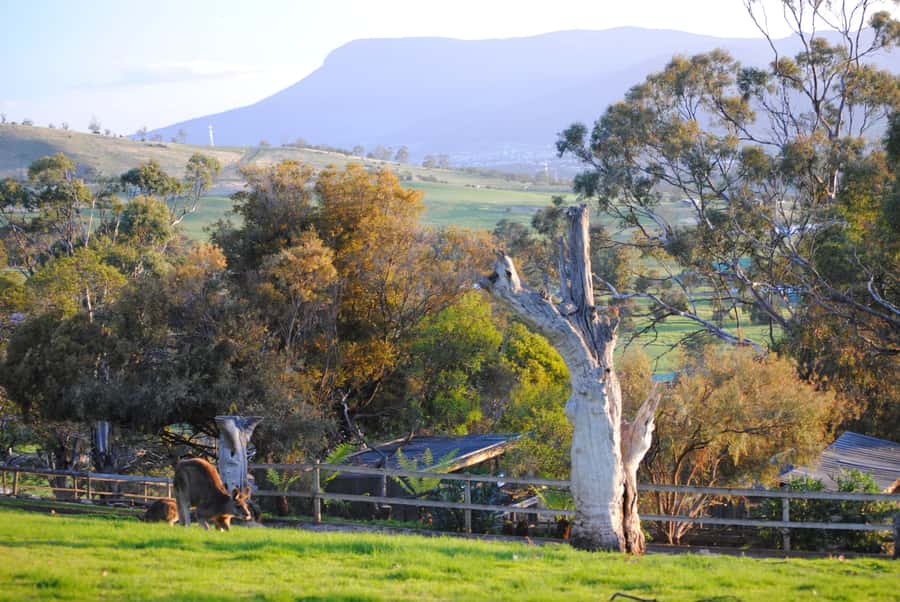
Bonorong’s purpose shapes the whole visit. You are not simply moving from one exhibit to the next to collect animal sightings. The sanctuary cares for animals that are injured, orphaned, disabled, or too young to return safely to the wild. Some may later be released, while others need permanent care.
That distinction matters. A Tasmanian devil here is not just a photo opportunity. It is part of a wider story about animal protection, habitat pressure, injury, and the difficult choices involved in returning wildlife to nature. I find that context makes the close encounters more meaningful.
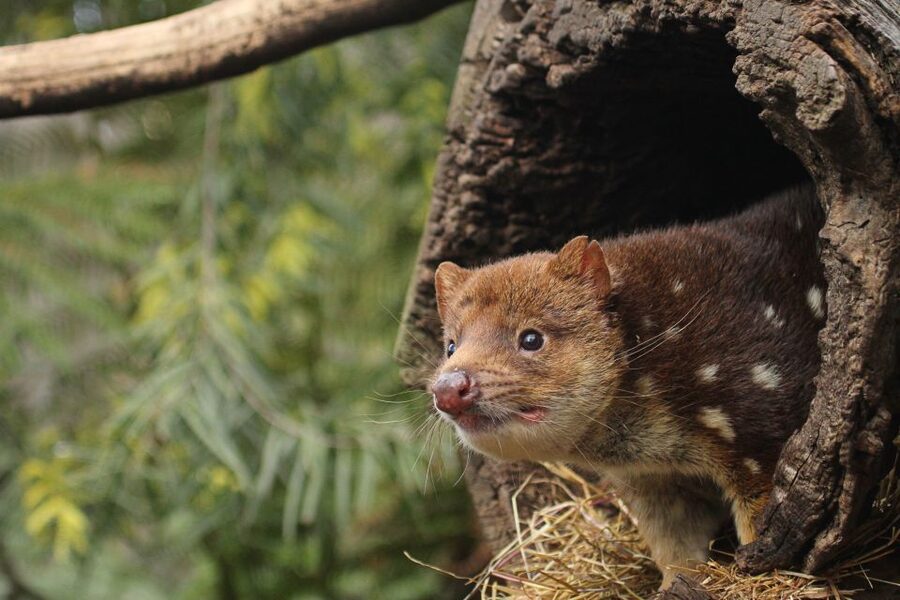
The sanctuary also helps you see species that can be difficult to find in the wild. Tasmania is home to animals that disappeared from mainland Australia long ago, including the Tasmanian devil and the eastern quoll. You may also see wombats, echidnas, sugar gliders, wallabies, native birds, parrots, and kookaburras.
Bonorong is a practical choice for families, first-time visitors to Tasmania, and anyone who wants a reliable introduction to local wildlife. You do not need to depend on luck, weather, or a distant animal sighting. The trade-off is that this is a managed sanctuary, not a wilderness encounter. The value comes from seeing the animals well and learning how they are being cared for.
More Wildlife Tours in Tasmania
- Day Tour in Mt. Field, Mt. Wellington, Bonorong Wildlife Sanctuary and Richmond
★ 5.0 · 735 reviews - From Hobart: Mt. Field, Mt. Wellington and Wildlife Day Tour
★ 4.8 · 261 reviews - Bonorong Wildlife Sanctuary Half-Day Tour from Hobart
★ 4.5 · 158 reviews
Start with the kangaroos and wallabies
For many people, the free-roaming kangaroos are the immediate highlight. Your admission includes a bag of kangaroo food, so you can approach the animals and offer them a snack. The close contact makes this especially memorable for children and for anyone visiting Australia for the first time.
You should follow the keeper’s instructions and let the animals set the pace. The best moments are often quiet ones: a kangaroo accepting food from your hand, a wallaby moving nearby, or an animal pausing long enough for a good photograph. You are close enough to notice their size, movement, and calm behavior in a way that is hard to appreciate from behind a barrier.
The feeding area can also become the place where you spend the most time. One visitor described repeatedly returning to feed the kangaroos because the experience was so enjoyable. That is useful advice: do not rush through this part just because you have a schedule. If the animals are active and the area is comfortable, give yourself a second visit later.
Hand-feeding does not mean every animal will cooperate. Some may already have enough food or may prefer to keep their distance. Treat that as part of the encounter rather than a disappointment. You are entering their space, and the calmer you are, the better the experience tends to be.
Meet Tasmanian devils with a proper explanation
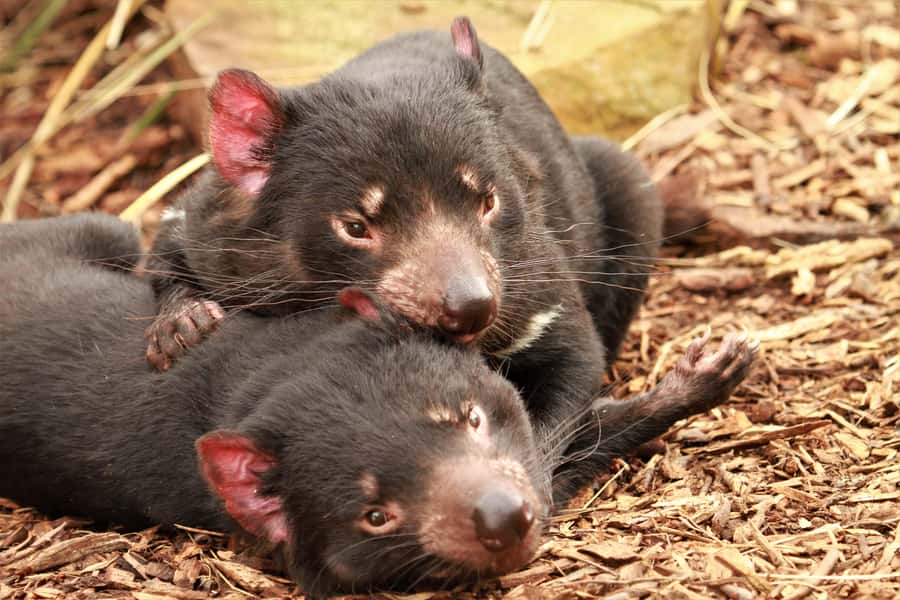
The Tasmanian devil is often the animal that brings people through the gates. Seeing one in person is very different from seeing a photograph or a cartoon character. The animal’s compact build, strong face, and reputation for noisy feeding make it one of Tasmania’s most memorable native species.
A guided presentation helps put the animal in context. The keeper can explain the species in general and then discuss the individual animal in front of you, including its name, age, and why it is at the sanctuary. That personal detail changes the visit from a quick viewing into a story about one animal’s life.
The devils may be active, which adds energy to the stop. You should still expect periods when an animal is resting or less visible. The benefit of a keeper-led visit is that you gain useful information even when the animal is not performing for the crowd.
Bonorong is also a sensible choice if the Tasmanian devil is high on your Tasmania list. Sightings in the wild are never guaranteed, especially during a short stay in Hobart. Here, you have a much more dependable opportunity to see the species and learn about the pressures it faces.
Wombats and echidnas add slower, stranger charm
Wombats have a quiet appeal. They are sturdy, low to the ground, and unlike most animals you will see elsewhere in Australia. At Bonorong, a guided animal visit can include a wombat, with the keeper explaining both the species and the individual animal in care.
The same applies to echidnas. Their spines and unusual shape make them instantly recognizable, but a close look reveals details that a roadside sighting would miss. A keeper can explain how the animal lives and why a particular echidna cannot safely return to the wild.
These stops may feel less dramatic than kangaroo feeding, but they reward attention. I like them because they slow the visit down. Instead of racing toward the most famous animal, you start noticing how different Tasmania’s native species are from one another.
The guided format also helps younger children stay interested. A keeper can answer questions in plain language and point out features you might overlook on your own. The exact animals featured in a tour can depend on the sanctuary’s daily schedule and animal welfare needs, so it is best to treat the tour as a learning opportunity rather than a fixed performance.
More Wildlife Tours in Hobart:
- Tasmania: Wilderness and Wildlife Guided 6-Day Tour
★ 4.6 · 60 reviews - Hobart: Mt Wellington, Richmond, & Bonorong Wildlife Tour
★ 4.6 · 59 reviews - All Inclusive Blue Mountain,Scenic World,Lunch,Koalas,ferry
★ 5.0 · 7,832 reviews - From Melbourne: Great Ocean Road, 12 Apostles, Wildlife Tour
★ 4.7 · 6,020 reviews
Use the daily tours to understand the sanctuary
The daily guided tours are included with admission. They are the best way to understand what Bonorong does and why some animals remain in care. Keepers explain species, threats, and protection work, then often feed or introduce selected animals.
I would make the tour an early priority. It gives you a framework for the rest of the visit, so later you can look at the enclosures and animals with more understanding. You also get the chance to hear about the individual animals, not just broad facts from a sign.
The staff’s affection for the animals is clear in the way the experience is described and delivered. That does not mean the visit avoids difficult subjects. Injured and abandoned animals need care, and not every animal can be released. The sanctuary’s role includes making sure an animal is safe, even when that means permanent protection.
A guided tour may focus on three animals, such as a Tasmanian devil, echidna, and wombat. That combination works well because it gives you three very different examples of Tasmanian wildlife. You can then continue around the sanctuary at your own speed.
Look for the smaller animals and native birds
It would be easy to spend the whole visit with kangaroos and devils, but Bonorong offers a wider view of Australian wildlife. Sugar gliders and eastern quolls are among the less familiar animals you might see. These smaller species are worth seeking out because they show how much more there is to Tasmania than its famous devil.
Native birds add color and movement to the walk. Parrots and kookaburras are part of the collection, and other birds can be viewed with good access and visibility. You may find that the bird areas are particularly rewarding for photography, since their shapes and colors stand out against the simpler animal enclosures.
The sanctuary is reported to be clean and tidy, which matters when you are spending several hours walking between exhibits. There is also a chance to see the animal hospital in operation, including veterinary examinations or treatment of injured animals. That view can be fascinating, though some children may find medical procedures confronting.
If you are visiting with a family, use the animal care work as a chance to explain why sanctuaries exist. The hospital is not just another attraction. It shows the practical side of conservation: treatment, recovery, assessment, and decisions about release or long-term care.
Plan for sun, walking, and a full day
The ticket description gives the experience a 365-day validity period rather than a fixed visit duration. That makes the booking flexible, but you still need to check available start times and plan enough time for the animals, the guided tour, photographs, and breaks.
I would not treat Bonorong as a quick stop if you want to get the most from it. Kangaroo feeding alone may tempt you to linger, and the guided tour gives you a reason to slow down. Add the devils, wombats, echidnas, birds, and smaller mammals, and a generous visit makes sense.
The main comfort issue is shade. On a hot, bright day, you may wish for more covered areas, particularly if you are visiting with young children or spending a long time around the kangaroos. Wear a hat, use sunscreen, and carry water. Food and drinks are not included, although a concession area provides food for purchase.
On-site car parking is included, which simplifies arrival if you are driving from Hobart or elsewhere in Tasmania. Transfers are not included, so you need to arrange your own way to the sanctuary. The site is wheelchair accessible, but you should still allow time and energy for moving around the animal areas.
Smoking and vaping are prohibited. You also cannot bring animals onto the property without permission, including assistance dogs. Skateboards, rollerblades, bicycles, tricycles, and sporting equipment are not allowed because they can create risks for people and animals.
Is the $25 admission good value?
At $25 per person, the ticket offers solid value for a wildlife-focused day. You receive admission, kangaroo food, access to daily guided tours, and on-site parking. The strongest value comes from combining the reliable animal sightings with the personal explanations from the keepers.
A standard attraction ticket might give you access to animals, but Bonorong adds direct feeding and a conservation message. If you care about animal welfare, the sanctuary’s work gives the admission a clear purpose. You can see animals that may not survive without help and learn what that help involves.
The price is also reasonable for a family day if you take advantage of the included features. You do not need to pay extra just to feed kangaroos or join the daily tours. You will need to budget separately for food and drinks, and transport if you are not driving.
The value is weaker for someone seeking a remote wilderness experience. Bonorong cannot replace a national park visit or a chance sighting in the bush. It offers access, education, and close viewing instead. For a short Hobart visit, that reliability may be exactly what you need.
Who should visit Bonorong Wildlife Sanctuary?
I would recommend Bonorong to families, wildlife photographers, first-time visitors to Australia, and anyone determined to see a Tasmanian devil. It also suits people who want a softer introduction to conservation before exploring Tasmania’s wild areas.
Children are likely to remember the kangaroo feeding most, while adults may appreciate the animal hospital, guided explanations, and focus on injured or endangered wildlife. The visit works for mixed-age groups because you can move at your own pace after the tour.
It is also a good choice for visitors with limited time. You can see several distinctive Tasmanian species in one place instead of spending days hoping for sightings. The accessible setting makes it easier for more people to take part, though sun and walking conditions still deserve attention.
I would be less enthusiastic if your main goal is a quiet, untouched natural setting. The sanctuary is managed, and animal encounters happen within a care facility. That is not a flaw, but it is important to book it for what it is: a hands-on wildlife sanctuary with an active conservation role.
Should you book this Hobart wildlife experience?
I think you should book Bonorong if you want close views of Tasmanian wildlife and a reliable chance to see a devil, wombat, or echidna. The free kangaroo food, daily tours, car parking, and $25 price make it an easy addition to a Hobart itinerary.
Give yourself time to stay with the animals rather than rushing through. Bring sun protection, plan to buy your own food and drinks, and keep the sanctuary’s rules in mind. If you want a meaningful encounter that combines animal care with personal contact, Bonorong is a strong choice.
FAQ
What is included in the Bonorong Wildlife Sanctuary ticket?
Admission, a bag of kangaroo food, access to daily guided tours, and on-site car parking are included.
How much does admission cost?
The listed price is $25 per person.
How long is the ticket valid?
The ticket is valid for 365 days. You should check availability for the relevant starting times.
Can I feed the kangaroos?
Yes. A bag of food is included, and you can hand-feed the free-roaming kangaroos within the sanctuary.
Can I see Tasmanian devils at Bonorong?
Yes. Tasmanian devils are among the native animals you can see at the sanctuary, and guided visits may include information about a particular devil in care.
Are guided tours included?
Yes. Admission includes access to daily guided tours in English.
Is Bonorong Wildlife Sanctuary wheelchair accessible?
Yes. The sanctuary is wheelchair accessible.
Can I bring a dog or other animal?
You cannot bring animals onto the property without permission, including assistance dogs. Contact the sanctuary before visiting if this applies to you.
Just added in Hobart
- From Hobart: 5-Day Tasmania West & East Coast Tour★ 4.9 · 369 reviews
- Tasmania: 7-Day West to East Tour★ 4.8 · 115 reviews
- Tasman Peninsula Day Trip with Cruise & Devils from Hobart★ 4.9 · 226 reviews
- Tasmania: Wilderness and Wildlife Guided 6-Day Tour★ 4.6 · 60 reviews
- Tasman Peninsula Tour, Cruise & Port Arthur Historic Site★ 4.9 · 339 reviews
- Signature Wine Tour – Hobart & SE Tasmania★ 4.9 · 48 reviews
- Port Arthur Tasman Sights with Harbour Cruise★ 4.8 · 358 reviews
- Kunanyi & Mt Wellington Explorer Bus: One-Way Bus Pass★ 4.8 · 27 reviews
Wildlife Tours, compared.
All Inclusive Blue Mountain,Scenic World,Lunch,Koalas,ferry
Read our review →
Penguin Parade, & Wildlife Encounters Eco Tour from Melbourne
Read our review →
Blue Mountain Small Group Scenic World, Wildlife, Waterfall
Read our review →
Melbourne Great Ocean Rd Reverse Tour London Bridge Wildlife
Read our review →
Litchfield National Park and Jumping Crocodile Cruise
Read our review →
Blue Mountains Adventure: Scenic World, Zoo & Koala Photo
Read our review →
Browse the lists this tour appears in