
Reviewed · DRINKING TOURS
Hidden Bars & Laneway Legends Tour Of Melbourne
Melbourne’s best stories hide behind ordinary doors. This three-hour walk pairs the city’s famous laneways with three tucked-away bars, giving you a lively look at street art, drinking culture, gold-rush politics, and old city scandals. I especially like the small group size of no more than 12 and the way the tour links Melbourne’s past to its present nightlife. I also like that guides such as Tess, Tom, Bridgette, Daniel, and Lenny bring their own energy and stories to the route.
The main catch is simple: drinks cost extra, and some bars may involve steps. The walking route is flat, but uneven surfaces and stair access can make this a poor fit if you have walking difficulties.
In This Review
- Key points at a glance
- Why this tour gives Melbourne a different first look
- Fed Square sets up the drinking story
- Oliver Lane reveals the city beneath the main streets
- ACDC Lane and Duckboard Place bring the street art into focus
- Ridgway Place turns toward odd city characters
- Meyers Place explains the rise of laneway bars
- Parliament and Chinatown widen the story
- Little Bourke Street supplies the final dose of secrets
- The three bar stops are the social heart
- Price, group size, and what you get
- Guides make or break this walking tour
- Who should book it, and who should skip it
- Should you book the Hidden Bars and Laneway Legends Tour?
- FAQ
- How long does the Hidden Bars and Laneway Legends Tour last?
- Where does the tour begin?
- Where does the tour finish?
- How many bars are included?
- Are drinks included in the ticket price?
- What is the minimum age?
- How large is the group?
- Is the tour suitable for people with walking disabilities?
Key points at a glance
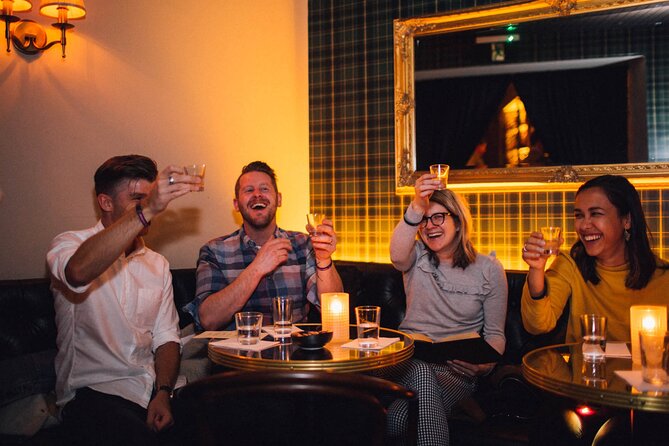
- Three bars in three hours: You visit three different laneway bars, with time for drinks and conversation along the way.
- Stories beyond standard sightseeing: Learn about persecuted barmaids, secret men’s clubs, a hard-drinking police commissioner, and Melbourne’s old red-light district.
- Street art with context: ACDC Lane and Duckboard Place are not just photo stops. Your guide explains how Melbourne’s street art scene developed.
- A compact group: The maximum group size is 12, which helps you hear the guide and keeps the bar visits manageable.
- A useful first-day tour: The included bar map and local food and entertainment advice can help shape the rest of your Melbourne stay.
- Strong guide-led experience: Tess is praised for her storytelling, while Tom, Bridgette, Daniel, and Lenny are all noted for energy, humor, and solid local knowledge.
Why this tour gives Melbourne a different first look
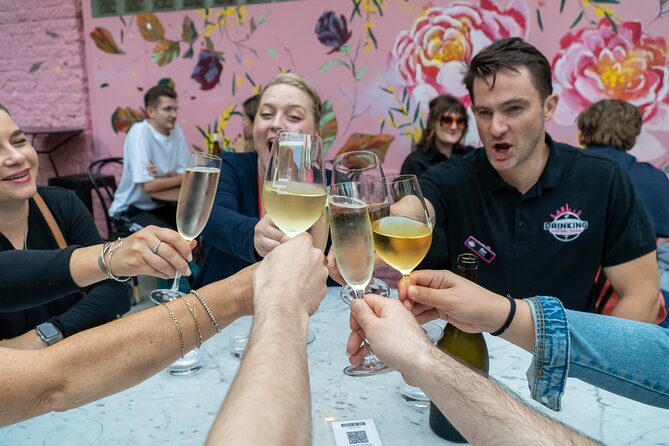
Many city walks point out grand buildings, monuments, and famous civic sites. This one takes a less polished route. You begin with the role alcohol played in Melbourne’s early days, then follow the story into the narrow lanes and small bars that helped define the modern city.
That focus gives the tour a clear personality. I like that the history is not treated as a list of dates. It is tied to drinking rules, police behavior, women’s work, immigration, gold, nightlife, and changing ideas about what a city should allow after dark.
You also get a useful mix of places. Fed Square gives you a civic starting point. The lanes provide street art and architecture. The bars supply the social side. Chinatown and Little Bourke Street add older layers, including links to Melbourne’s former red-light district.
The pace is brisk. Most of the outdoor stops last about five minutes, while Fed Square gets around 10 minutes. That means you will not linger at every lane or building. Instead, the guide gives you the key story, points out details you might miss, and keeps the group moving toward the next bar.
More bar and brewery nights in Melbourne:
- Laid back, Yarra Valley Wine Tour: Wine, Cider, Gin, Beer + Choc
★ 5.0 · 4,552 reviews - Epic Yarra Valley Wine Tour + Lunch, Chocolate & Gin/Beer Option
★ 5.0 · 1,819 reviews - Melbourne: Yarra Valley Wine, Cider, Gin, Beer, & Choc Tour
★ 4.8 · 719 reviews
Fed Square sets up the drinking story
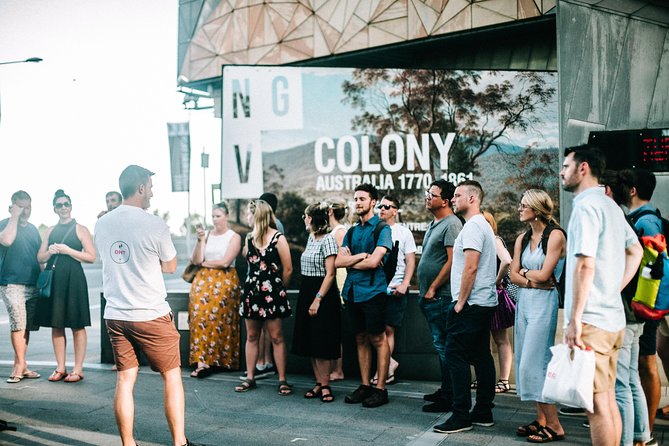
The meeting point is at Federation Square, near the corner of Swanston Street and Flinders Street. It is an easy central location, close to public transport and one of Melbourne’s most recognizable public spaces.
Fed Square was built in 2002 and has long inspired strong opinions about its appearance. The tour uses that modern setting to discuss an older subject: alcohol and Melbourne’s foundation. That is a smart opening because it tells you from the start that this is not only a pub crawl.
I would arrive with enough time to find the meeting point without rushing. The tour begins in the open air, and the walking starts almost at once. Wear casual clothes and comfortable shoes. Melbourne’s route is flat overall, but the lanes have uneven surfaces, and comfort matters more than style here.
Oliver Lane reveals the city beneath the main streets
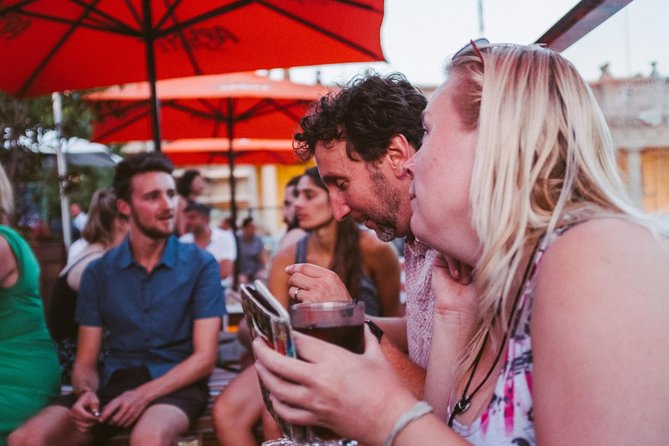
Oliver Lane is the first narrow passage on the route. This is where the guide begins explaining why Melbourne’s lanes became such an important part of the city’s character.
The stop also points you toward places to eat. That detail is useful because the tour is not designed to replace dinner. It gives you a working list of food and drink ideas, so you can return later and try places at your own pace.
I like this early stop because it changes how you look at central Melbourne. A broad street can make a city feel easy to read. A lane suggests another layer, with service entrances, small venues, restaurants, and bars tucked away from the main flow of pedestrians.
The stop lasts only about five minutes, so do not expect a full architectural lecture. The value is in the guide’s explanation and in learning what to watch for as the walk continues.
ACDC Lane and Duckboard Place bring the street art into focus
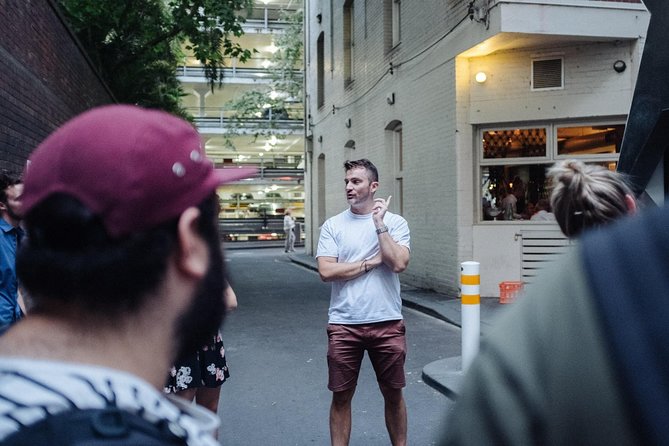
ACDC Lane is one of the route’s strongest visual moments. It is known for its concentrated street art, and the short stop gives you time to look around and take photographs.
The important part is the context. Your guide explains Melbourne’s street art scene rather than simply pointing at painted walls. That turns a quick photo stop into a lesson about how the city’s lanes became associated with public art and creative expression.
Duckboard Place continues the theme. You see more street art, then get suggestions for nearby food and drink locations. These two lanes work well together, since the first gives you a strong visual hit and the second adds more explanation about the scene and its connection to nightlife.
I would keep your phone ready, but do not spend the whole stop looking through a screen. The art is part of the experience, yet the guide’s commentary is what gives the place meaning. With only about five minutes at each lane, you will need to look and listen at the same time.
A few more options to weigh up in Melbourne
- Melbourne’s Living Laneway Scene: Local Bars and Their Stories
★ 5.0 · 542 reviews - Melbourne: Local Laneway Bars and Their Stories
★ 4.8 · 305 reviews - Creepy Tales, Bars & Laneways Of Melbourne Walking Tour
★ 5.0 · 169 reviews - Melbourne Pub Crawl
★ 5.0 · 87 reviews
Ridgway Place turns toward odd city characters
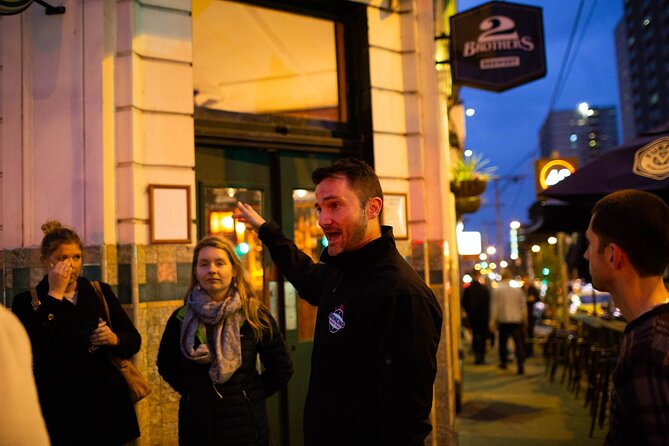
Ridgway Place offers some of the tour’s more unusual material. It is associated with one of Australia’s oldest men’s social clubs and also with the consulate of one of the world’s smallest countries.
The stop also covers Melbourne’s hard-drinking police commissioner and the strange persecution of barmaids. These subjects give you a less tidy version of civic history. The city’s drinking culture did not grow in a vacuum. It was shaped by rules, authority, gender, class, and the people who tried to control public behavior.
This is the kind of stop that makes a guide important. The lane itself may be easy to miss if you walk past alone. With a good storyteller, it becomes a place connected to power, secrecy, and social habits.
Tess receives especially strong praise for her storytelling, while Bridgette is described as energetic and passionate. Those qualities suit this part of the walk. The stories are unusual, and a flat delivery would take the fun out of them.
Meyers Place explains the rise of laneway bars
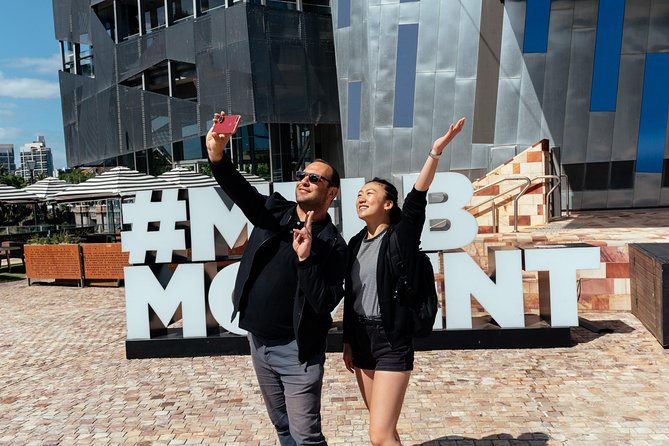
Meyers Place is the spiritual center of Melbourne’s laneway bar culture on this route. Here, the focus shifts from old drinking customs to the rise of the city’s modern small-bar scene.
A key part of the story is an important rule change in the 1980s. The tour uses that change to explain why Melbourne’s bar culture developed in the way it did. You get a sense of how regulations can shape nightlife, and why small venues began to matter so much to the city’s identity.
This is also where you encounter some of the city’s best concealed bars. The tour does not simply take you to large, obvious venues. It favors places that fit the character of the lanes and help explain why Melbourne is associated with small, informal drinking spaces.
The details of the bars can vary. Some are at ground level, while others require steps. If access is important to you, ask before booking or contact the provider for the route used on your date.
Parliament and Chinatown widen the story
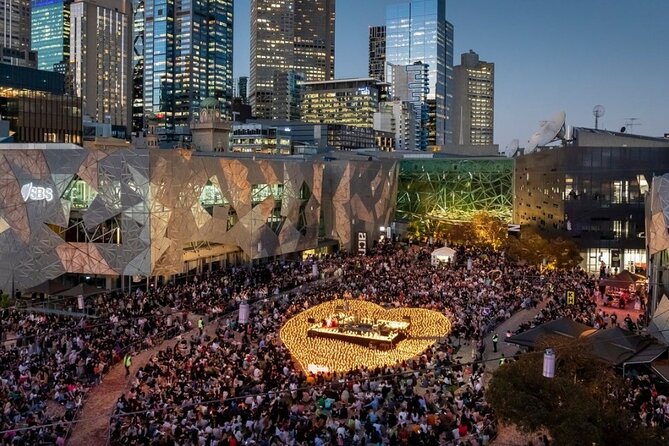
The walk continues toward the Parliament of Victoria, where gold-rush wealth and the creation of Victoria come into the discussion. This stop helps connect the nightlife story to the larger development of the state.
That connection matters. Melbourne’s bars are not an isolated attraction. They are part of a city shaped by sudden wealth, migration, politics, and changing social rules. The Parliament stop gives the tour a broader frame without turning it into a standard government-building walk.
Chinatown follows, described as the world’s second-oldest Chinatown. Here, the focus returns to food, bars, and the many ways the central city has been used over time.
You may find this section especially useful if you plan to eat in Chinatown later. The guide can point out places worth considering, and the included bar map gives you a practical reference after the tour ends.
Little Bourke Street supplies the final dose of secrets
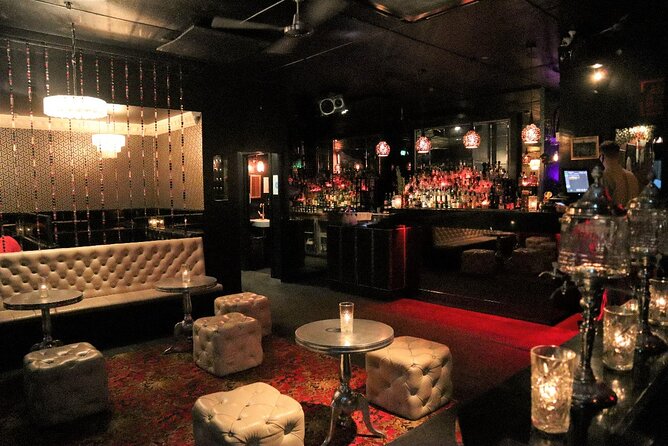
Little Bourke Street brings the walk toward its finish. The area’s former red-light district past provides another set of stories, and the tour links that past to the bars found around the eastern end of Bourke Street.
This is a fitting final outdoor section. You have already heard about police, barmaids, men’s clubs, gold, street art, and changing bar rules. Little Bourke Street adds the less respectable side of city life, showing how nightlife often grows beside secrecy and regulation.
The end point is listed as Reesby, at Level 1, 45 Bourke Street, though the exact finish can change depending on which bars are used. That is worth knowing if you plan a dinner reservation or another activity immediately afterward. Give yourself a little breathing room.
The three bar stops are the social heart
The tour visits three laneway bars. The bars may vary, so you should think of the experience as a guided introduction to Melbourne’s bar culture rather than a fixed tasting menu.
Alcohol is not included in the price. That keeps the base cost lower, but you need to budget for your own cocktails, wine, beer, or other drinks. One stop includes a cheeky trivia quiz, with a chance to win a prize, which adds a playful break from the historical material.
The number of bars feels well judged for a three-hour walk. One bar could feel too brief. A long string of venues could turn the evening into a rushed pub crawl. Three gives you enough variety while leaving room for stories and walking.
Several accounts praise the cocktail selections and the balance between drinks and commentary. Lenny is specifically praised for making three bars feel like the right number. Tom is also praised for making the history and drinks work together without letting one overwhelm the other.
Keep your expectations practical. This is not a beverage tasting led by a sommelier, and it is not a late-night party tour. It is a history walk with drinks built into the route. That distinction makes it a good choice for someone who wants conversation and context, not only alcohol.
Price, group size, and what you get
At $46.61 per person, the tour is reasonably priced for three hours with a professional guide and three bar visits. Since drinks are extra, the final cost will depend on what you order. Still, you are paying for more than entry to venues. You are paying for the route, the stories, the local suggestions, and the time saved finding places on your own.
The maximum of 12 people is a real advantage. A guide can speak to a small group more naturally, and the group can enter smaller bars with less fuss. A smaller party also makes it easier to ask questions and hear details in narrow lanes.
The included map of Melbourne’s best bars is useful after the walk. You can request it at no extra cost. You also get access to expert tips for food, entertainment, and other Melbourne ideas, which adds value if this is one of your first activities in the city.
Photos from the tour can also be provided at no extra charge. That is a nice extra, though I would treat it as a bonus rather than a reason to book.
Guides make or break this walking tour
The strongest praise is directed at the guides. Tess is singled out for storytelling, energy, and informative commentary. Tom is described as engaging and entertaining, with a strong grasp of the city’s past and present. Bridgette, also spelled Brigette in some feedback, receives similar praise for enthusiasm and passion.
Daniel and Lenny are also mentioned positively. Daniel is praised for an experienced approach, while Lenny is credited with good stories and a well-balanced bar selection.
The range of names suggests that the tone may vary from one departure to another. That is normal for a guide-led experience. The common thread is that the guides make the city’s nightlife easier to understand and keep the group involved.
I would book this if you enjoy a guide who talks, jokes, and tells stories rather than one who simply recites facts. The quiz and the social nature of the bar stops also make it easier to meet people from different places.
Who should book it, and who should skip it
I would recommend this tour to first-time visitors who want a quick orientation to central Melbourne. It suits adults interested in cocktails, bars, unusual local history, street art, and small-group walks.
It also works well for people who have already taken a conventional city tour and want a different angle. The material here covers nightlife, drinking rules, former vice districts, and bar culture, so it should feel distinct from a walk focused mainly on architecture and major landmarks.
The minimum age is 18. Service animals are allowed, and the route is near public transport. Casual dress is fine.
I would think twice if you do not drink, dislike bar settings, or want long visits at each sight. You may still enjoy the history, but the three venues are central to the experience. The tour is not recommended for people with walking disabilities because of uneven surfaces, and some bars may require steps.
You can cancel for a full refund up to 24 hours before the start time. Changes made inside that window are not accepted, and the tour may be canceled if its minimum number is not reached.
Should you book the Hidden Bars and Laneway Legends Tour?
Book it if you want Melbourne explained through its lanes, bars, scandals, and street art rather than through a checklist of major buildings. The price is fair for a three-hour small-group walk, especially when you value local guidance and practical bar suggestions.
I would book it early in your Melbourne stay, then use the map and food tips to plan later evenings. Just budget separately for drinks, allow time for uneven ground and possible steps, and leave a cushion after the listed finish.
Skip it if you want a quiet museum-style history tour or a fixed cocktail tasting. For everyone else, this is a lively, useful way to see the city’s less obvious side while learning why Melbourne’s nightlife became such a defining part of its identity.
FAQ
How long does the Hidden Bars and Laneway Legends Tour last?
The tour lasts approximately three hours.
Where does the tour begin?
It begins at Federation Square, near Swanston Street and Flinders Street in Melbourne.
Where does the tour finish?
It finishes around the east end of Bourke Street, with the listed meeting location at Reesby, Level 1, 45 Bourke Street. The exact end point can vary depending on which bars are visited.
How many bars are included?
The tour visits three laneway bars.
Are drinks included in the ticket price?
No. Alcoholic beverages are not included, so you pay separately for drinks.
What is the minimum age?
The minimum age is 18.
How large is the group?
The tour has a maximum of 12 participants.
Is the tour suitable for people with walking disabilities?
It is not recommended for people with walking disabilities because of uneven surfaces. The route is flat, but some bars may require steps.
Just added in Melbourne
- Yarra Valley: Hot Air Balloon Flight & Buffet Breakfast★ 4.8 · 41 reviews
- Yarra Valley Foodies Tour with Chandon and Kangaroo Safari!★ 4.9 · 304 reviews
- Yarra Valley: Winery Tour with Lunch at Yering Station★ 5.0 · 143 reviews
- Yarra River: 1.5-Hour Scenic Sunset Public Cruise★ 4.3 · 57 reviews
- Wilsons Promontory National Park Full-Day Eco Tour★ 4.8 · 53 reviews
- Ultimate Melbourne Walking Tour: History, Laneways & Culture★ 4.8 · 338 reviews
- From Melbourne: Ultimate 2-Day Great Ocean Road Tour★ 4.4 · 78 reviews
- Yarra River Half-Day Rafting Experience★ 5.0 · 21 reviews
Drinking Tours, compared.
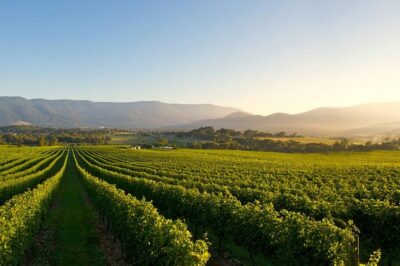
Laid back, Yarra Valley Wine Tour: Wine, Cider, Gin, Beer + Choc
Read our review →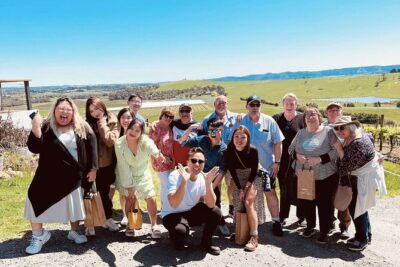
Epic Yarra Valley Wine Tour + Lunch, Chocolate & Gin/Beer Option
Read our review →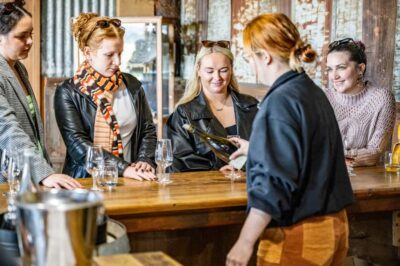
Yarra Valley Wine, Cider, Gin, Beer, & Choc Tour
Read our review →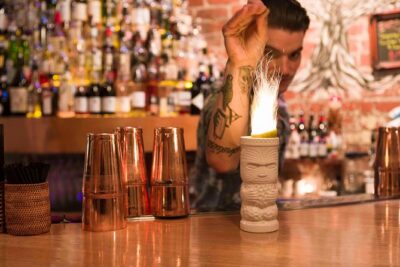
Melbourne’s Living Laneway Scene: Local Bars and Their Stories
Read our review →
Margaret River Wine, Brewery & Distillery Tour with Lunch
Read our review →
Margaret River Winery, Brewery Tour with Gourmet Lunch.
Read our review →
Browse the lists this tour appears in