Reviewed · STREET ART
Fremantle: Convicts, Culture, and Street Art
Fremantle’s stories have sharp edges. This two-hour walk links the port’s convict past, maritime characters, street art, markets, and old streets in a way that feels more like a lively conversation than a classroom lecture. I like the local storytelling, especially the tales of prisoner escapes, whaling stations, immigration, and the forced removal of Indigenous people to Rottnest Island. I also like the route’s variety, which moves from the cappuccino strip and boat harbour to the West End, High Street, the Whaler’s tunnel, and the Roundhouse.
The main thing to consider is the weather. You are outside for the entire walk, and April through August can bring cold conditions and rain. Comfortable shoes are essential, and this tour may not suit you if you prefer indoor sightseeing or a tightly scripted historical lecture.
In This Review
- Key points at a glance
- Starting at Kings Square with a local guide
- Fremantle’s port past and salty characters
- Convict history at the Roundhouse
- Street art, High Street, and the modern town
- The West End and narrow streets
- What the guiding style adds
- Is $46 fair for two hours?
- Weather, footwear, and access
- Who should book this Fremantle walk?
- Final verdict: book it for context, not just photos
- FAQ
- Where does the Fremantle walking tour start?
- How long is the tour?
- What language is the tour in?
- What is included in the price?
- Is hotel pickup included?
- Is bottled water provided?
- Is the tour wheelchair accessible?
- What should I wear?
- Can I cancel for a full refund?
- Can I reserve the tour without paying immediately?
Key points at a glance
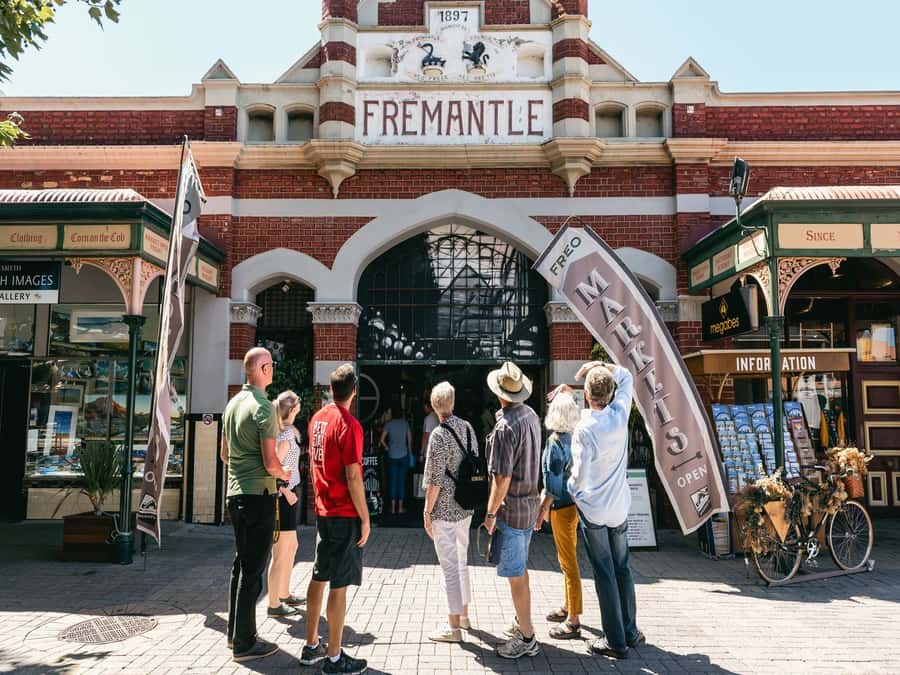
- Convict stories with local character: Learn why almost 10,000 men were transported from Great Britain and Ireland, and how convicts helped build their own prison.
- A broad Fremantle route: See the cappuccino strip, boat harbour, narrow West End streets, High Street, the Roundhouse, and the Whaler’s tunnel.
- History beyond grand buildings: The guide covers maritime work, migrant arrivals, Indigenous displacement, prisoner escapes, and everyday local characters.
- Relaxed, flexible guiding: Guides including Winona, Vaughan, Joanie, and Daniel have been praised for making the walk personal and easygoing.
- Useful first-day orientation: The route gives you ideas for further walks, museums, cafés, and independent exploring.
- Good value at $46: For two hours with a local host and practical tips, the price is fair, particularly if you want context before exploring Fremantle alone.
Starting at Kings Square with a local guide
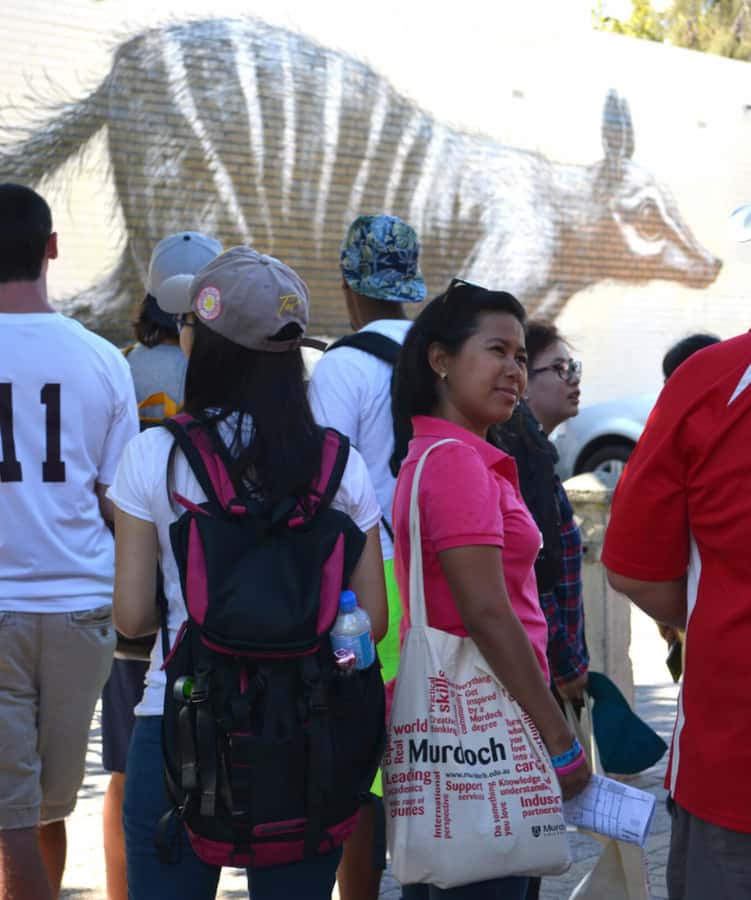
The tour begins at the Fremantle Visitor Information Centre in Kings Square. That is a sensible meeting point because you start near the center of town, with the main streets and historic areas within walking distance.
You are not simply led from one photo stop to another. The appeal is the guide’s narration between the landmarks. Fremantle is compact enough to explore on foot, yet its story can feel scattered if you do not know how the port, prison, immigration, whaling, and Indigenous history fit together. A good guide gives those pieces a clear order.
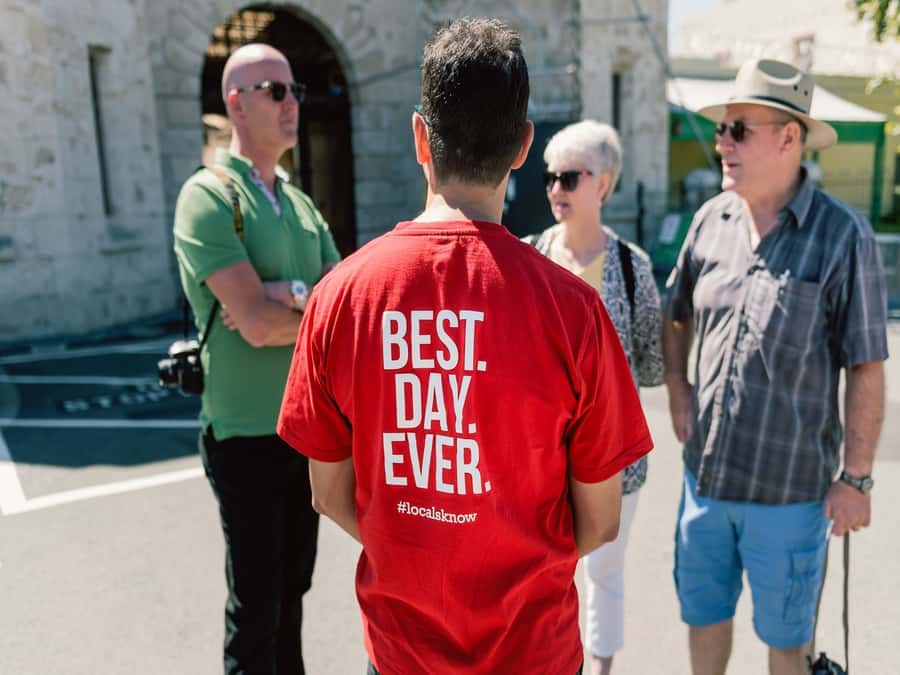
The hosts are a major part of the experience. Winona has been praised for adjusting her talk to the interests of a small group rather than repeating the same speech word for word. Vaughan is also noted for his insight and relaxed pace, while Joanie was described as both informative and easygoing. Daniel brought a personable approach as well.
That range matters because a walking tour depends heavily on the person holding the conversation together. You should expect an English-language tour with a live local host, not an audio guide or a formal lecture.
A few more options to weigh up in Perth
- Melbourne Street Art Tour
★ 5.0 · 378 reviews - Melbourne: Street Art Walking Tour with a Street Artist
★ 4.9 · 147 reviews - Sydney Street Art & Food Tour
★ 5.0 · 120 reviews
Fremantle’s port past and salty characters
Fremantle grew around the sea, and the tour uses that setting well. The boat harbour and waterfront help explain why this place attracted sailors, workers, migrants, and people looking for a new start. The stories are not limited to famous names. You hear about the hard-edged local characters who mixed with newly arrived immigrants and helped shape the town.
The maritime side includes former whaling stations and the work connected with the port. The Whaler’s tunnel is one of the more unusual landmarks on the route, particularly because it appears among the streets, markets, and cafés of modern Fremantle. It gives the tour a physical link to the working port rather than leaving the subject as a string of dates.
I like this kind of stop because it makes local history easier to picture. You are not only hearing that Fremantle once depended on maritime industries. You are seeing a place connected to that past while standing in a town now known for food, shopping, art, and mixed cultural influences.
The tour also includes pioneering figures and local heroes. The supplied details do not identify every person you will hear about, so you should expect the guide to shape the emphasis according to the group and the day. That is a benefit if you enjoy conversation, but less so if you want a fixed list of famous names.
Convict history at the Roundhouse
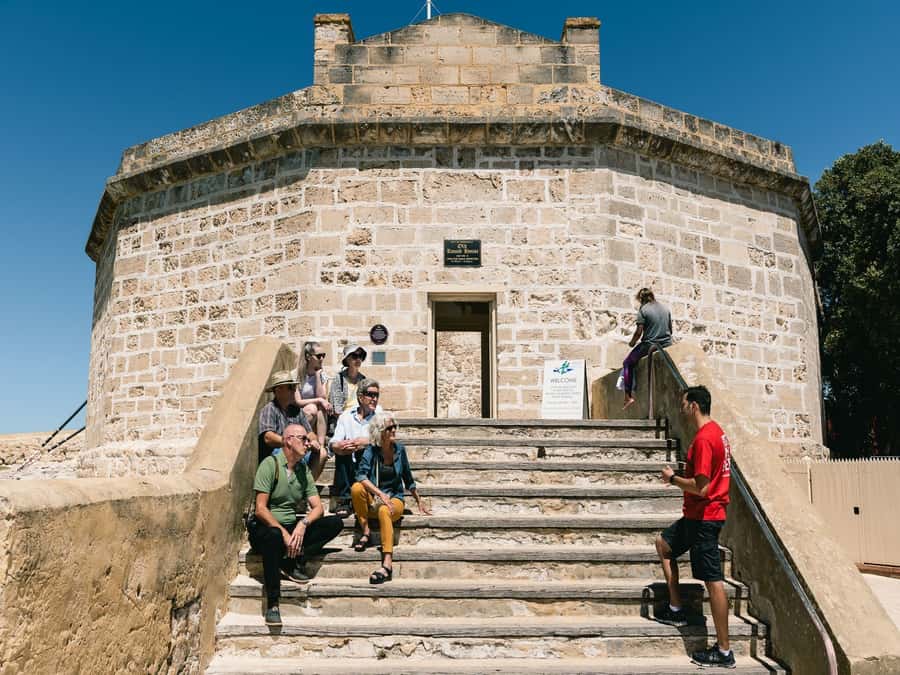
The Roundhouse is one of the most important historical stops. The tour explains why almost 10,000 men were transported from Great Britain and Ireland to Western Australia, and how convicts helped build their own prison.
That detail gives the convict story a practical edge. You are not only hearing about transportation as an abstract colonial policy. You are considering the labor, confinement, and construction that shaped Fremantle itself. The prison was part of the town’s physical development, and the people forced to build it were also part of the town’s early population.
The guide also covers prisoner escapes and convict antics. These stories add humor and drama, but the tour does not present the past as harmless entertainment. The itinerary includes the expulsion of Indigenous people to Rottnest Island, an important and painful part of Western Australia’s colonial story. That wider framing is valuable. It keeps the lighter tales from becoming the whole history.
If you have already visited major convict sites elsewhere in Australia, you may recognize some broad themes. The local setting still gives the material a different feel, especially when the story is tied to Fremantle streets and landmarks rather than presented as a general account of transportation.
Street art, High Street, and the modern town
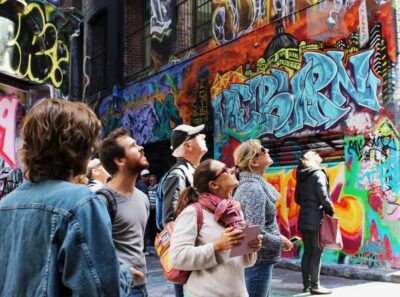
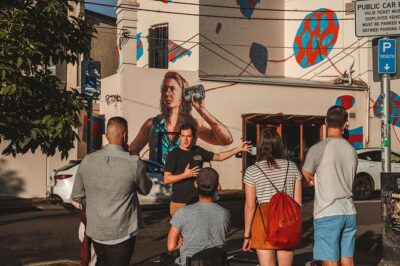
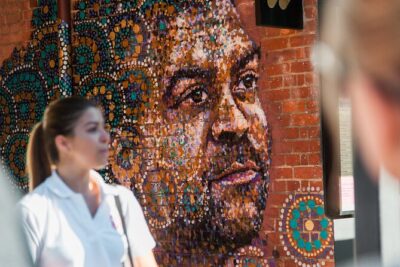
The experience is called Convicts, Culture, and Street Art for good reason. Alongside the older buildings and port stories, the walk points out street art and considers the stories it relays. This adds a modern layer to the tour and helps you see Fremantle as a place that continues to express its identity in public spaces.
Street art can be easy to miss when you explore on your own. You might walk past a work without knowing its local connection or the idea behind it. A guide can direct your attention, explain what you are looking at, and place it beside older stories about migration, labor, and community.
High Street helps connect these periods. You get the contrast between historic architecture, commercial streets, cafés, markets, and newer creative work. The result is a more useful introduction to Fremantle than a route focused only on old buildings.
The tour does not promise a dedicated gallery visit or a long art lecture. If street art is your main reason for booking, keep your expectations measured. It is one strand of a wider walking experience, not the entire subject.
A completely different kind of day out:
- From Perth: Rottnest Island Full-Day Bike and Ferry Trip
★ 4.7 · 2,548 reviews - The Margaret River wine tour for people who don’t do tours!
★ 5.0 · 1,969 reviews - From Perth or Fremantle: Rottnest Island Ferry and Bus Tour
★ 4.6 · 1,246 reviews - Pinnacles Desert Sunset Dinner and Stargazing Tour
★ 5.0 · 1,034 reviews
The West End and narrow streets
The narrow West End streets add another change of pace. Here, the built environment helps you understand how the old port town developed. The route moves through areas where the history feels close to daily life rather than isolated behind a museum door.
This part should appeal to you if you enjoy looking at the shape of a town. The walk gives you time to notice how streets, buildings, harbor activity, and public art sit together. It also gives the guide room to tell anecdotal stories, which are often what make a place memorable after you leave.
The route is described as relaxed rather than rushed. One guide-led walk lasted nearly three hours for a group that lingered over stories and stopped for a robust coffee, even though the advertised duration is two hours. You should plan on two hours, but allow a little flexibility if the group is engaged and the guide is answering questions.
That relaxed pace is an advantage for most people. It lets you look around instead of racing from one location to the next. The tradeoff is that the exact amount of time at each stop may vary.
What the guiding style adds
This tour works best when you want local interpretation, not just directions. The hosts are expected to share history, fun stories, and local tips, and the strongest feedback centers on their ability to make the past understandable and entertaining.
You may hear a mixture of factual material, anecdotes, and humorous details. That combination keeps the walk moving through subjects that could otherwise feel heavy, including convict transportation and the treatment of Indigenous people. The better guides make room for both the strange stories and the serious context.
Small groups appear to be especially rewarding. Winona’s approach with a small party involved asking what the group wanted to learn, then shaping the talk around those interests. That makes the tour feel less like a memorized performance.
You should also feel free to ask questions. One reason to book a guide rather than simply download a walking map is the chance to ask about what you are seeing. Guides have been praised for answering questions and suggesting two museums for further exploration. The names of those museums are not specified, so ask your host directly if you want follow-up ideas.
Is $46 fair for two hours?
At $46 per person, this is not the cheapest way to spend two hours in Fremantle. You can walk the streets without paying for a guide, and many of the public areas on the route are freely accessible.
The value comes from interpretation. You are paying for a local host who connects the port, prison, migration, Indigenous history, street art, and town streets into one story. If you would otherwise spend time searching for background information or miss the meaning of the Whaler’s tunnel and other landmarks, the fee is reasonable.
I would see it as an orientation tour. Book it early in your Fremantle visit, then use what you learn to decide where you want to return. One guide specifically directed a group toward museums they enjoyed the following day, which is exactly the sort of practical benefit that can make the price worthwhile.
The value is weaker if you already know Fremantle well or want a specialist art tour. It is also less appealing if you dislike walking outdoors in uncertain weather. Still, the combination of a two-hour route, local stories, and personal questions gives the experience a fair place in a Western Australia itinerary.
Weather, footwear, and access
Wear comfortable shoes. The route is a walking tour through streets and historic areas, so practical footwear matters more than dressing for photographs.
April through August can be cold and wet. Check the forecast the day before and bring clothing suited to the conditions. There is no bottled water included, so carry your own if you want water during the walk.
Hotel pickup and drop-off are not part of the standard experience. Group bookings can request it, but you should meet at the Fremantle Visitor Information Centre unless that arrangement has been confirmed.
The tour is wheelchair accessible, which is useful to know when comparing walking options. Still, you should contact the local partner 24 hours before departure to confirm the trip and discuss any personal access needs.
Cancellation is free up to 24 hours before departure, and you can reserve now and pay later. Those terms are helpful if your Western Australia plans may shift.
Who should book this Fremantle walk?
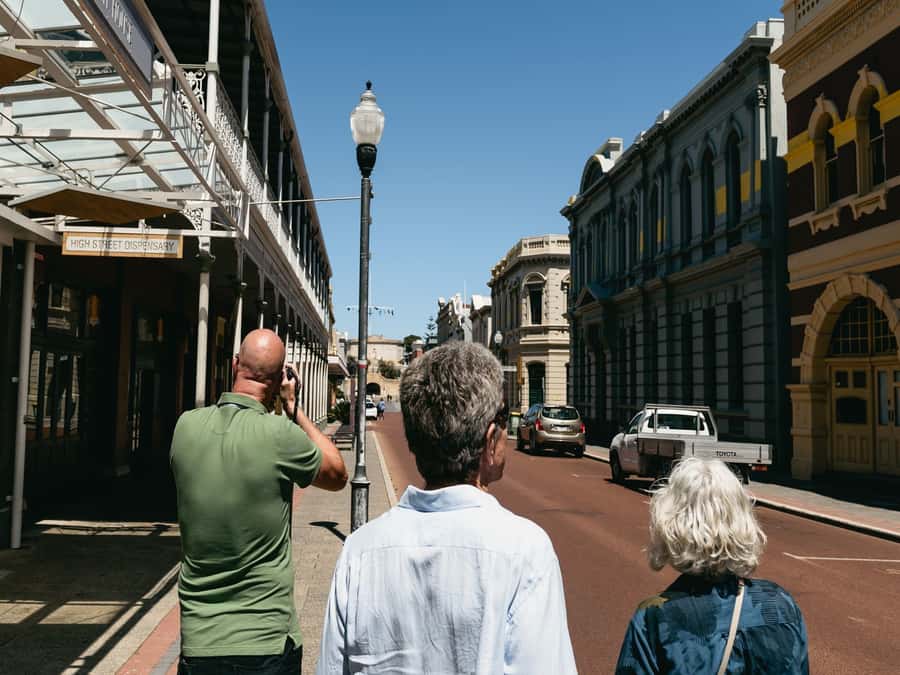
I would recommend it to first-time visitors who want to understand Fremantle before exploring independently. It also suits history fans who prefer stories about ordinary people, prison escapes, working ports, and migration rather than a list of dates.
The tour is a good match for couples, families with older children, and small groups who enjoy asking questions. The relaxed pace should also suit you if you want time to look at street art, markets, and the town’s older streets.
You may want another option if you need a very short route, dislike all-weather walking, or want an in-depth art tour. The street art is part of the experience, but the focus remains the wider story of Fremantle.
The rating is 4.8 from 23 ratings, and the praise is notably consistent about the guides’ preparation, warmth, and ability to make the walk interesting. That does not remove the normal risk that any walking tour depends on the individual host, but the repeated strength of the guiding is encouraging.
Final verdict: book it for context, not just photos
I would book Fremantle: Convicts, Culture, and Street Art if you want a lively introduction to the town’s past and present. The route covers a lot without turning into a stiff history lesson, and the best value comes from hearing how the landmarks connect.
Book it near the start of your stay, wear sensible shoes, and prepare for rain in the cooler months. If you want local stories, a relaxed walk, and useful ideas for what to see next, $46 is a fair price. If you only want street art or a quick waterfront stroll, you can probably explore on your own.
FAQ
Where does the Fremantle walking tour start?
Meet your guide at the Fremantle Visitor Information Centre at Kings Square, Fremantle WA 6160.
How long is the tour?
The advertised duration is two hours. The exact starting time varies, so check availability when booking.
What language is the tour in?
The tour is conducted in English with a live guide.
What is included in the price?
The price includes a two-hour guided walking tour, a professional local host, local history and fun stories, and local tips.
Is hotel pickup included?
Hotel pickup and drop-off are not included as standard. Group bookings can request this service.
Is bottled water provided?
No. Bottled water is not included, so bring your own if needed.
Is the tour wheelchair accessible?
Yes, the activity is listed as wheelchair accessible.
What should I wear?
Wear comfortable shoes and dress for the weather. From April through August, prepare for cold conditions and possible rain.
Can I cancel for a full refund?
Yes. You can cancel up to 24 hours before departure for a full refund.
Can I reserve the tour without paying immediately?
Yes. The reserve-now-and-pay-later option lets you hold a place without paying at the time of booking.
Just added in Perth
- Perth: Optus Stadium Guided Tour★ 4.8 · 375 reviews
- Bunbury: Swim with Dolphins Tour★ 4.4 · 44 reviews
- Swan Valley: Out for the Afternoon Wine Tasting with Lunch★ 4.6 · 34 reviews
- Perth: Full Day Swan Valley Cruise & Wine Tasting With Lunch★ 4.6 · 301 reviews
- From Perth: Swan Valley Winery & Brewery Day Tour With Lunch★ 4.8 · 47 reviews
- Swan Valley Full-Day Winery Experience with Lunch from Perth★ 4.9 · 309 reviews
- Mandurah: Murray River Lunch Cruise★ 4.7 · 138 reviews
- Rottnest Island: Tandem Skydive★ 5.0 · 90 reviews