
Reviewed · WILDLIFE TOURS
Devils at Cradle: Day Keeper Tour and Entry to Wildlife Park
The screams are part of the welcome. At the entrance to Cradle Mountain National Park, Devils@Cradle gives you a close look at Tasmanian devils, spotted-tailed quolls, and eastern quolls while explaining the work needed to protect them. I like the low $17 price, which includes sanctuary entry and a 45-minute keeper tour. I also like the chance to keep exploring after the talk rather than being hurried out.
The main drawback is timing. This is a daytime visit, so some animals may be asleep in their dens, especially outside the more active seasons. The sanctuary is also in a cool, wet part of Tasmania, and the tour runs in rain or shine.
The guide-led walk gives the visit purpose. You are not simply looking at animals behind fences. You learn why these species matter, how the sanctuary supports their future, and why a Tasmanian devil is far more interesting than its cartoon reputation suggests.
In This Review
- Key points before you go
- Why Devils at Cradle makes a good Cradle Mountain stop
- What happens during the 45-minute keeper tour
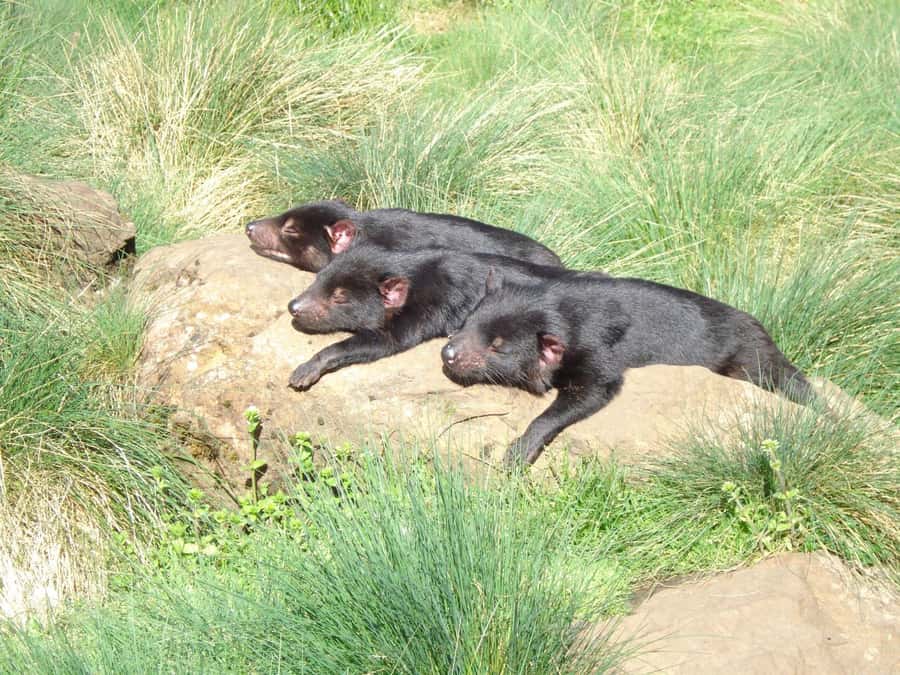
- Seeing devils in their daytime routine
- Meeting spotted-tailed and eastern quolls
- Walking the sanctuary after the guided talk
- Why the conservation message matters
- Price, timing, and practical value
- Paths, steps, and wheelchair access
- Who will enjoy this experience most
- Should you book the Devils at Cradle Day Keeper Tour?
- FAQ
- How long does the Devils at Cradle Day Keeper Tour last?
- What animals can I see at Devils@Cradle?
- What are the opening hours?
- Is parking included?
- Does the tour operate in bad weather?
- Is the sanctuary wheelchair accessible?
- How far is Devils@Cradle from Launceston?
Key points before you go
- Three threatened carnivorous marsupials: See Tasmanian devils, spotted-tailed quolls, and eastern quolls in one sanctuary.
- A 45-minute keeper tour: Follow a professional keeper through the grounds, then continue exploring at your own pace.
- Strong value at $17: General entry, parking, and the guided talk are included.
- Daytime animal behavior: You might see animals sleeping, sunning themselves, play fighting, or searching for food.
- Conservation with real stakes: The sanctuary helps protect species affected by habitat pressure and the fatal facial cancer found in wild Tasmanian devils.
- Prepare for Cradle Mountain weather: Bring warm clothing, and expect woodchip paths, gravel, steps, platforms, and uneven ground.
Why Devils at Cradle makes a good Cradle Mountain stop
Devils@Cradle sits at the entrance to Cradle Mountain National Park, so it fits naturally into a day in the area. You can pair the sanctuary with the park, use it as a shorter wildlife stop, or visit when cold or wet weather makes a long outdoor outing less appealing.
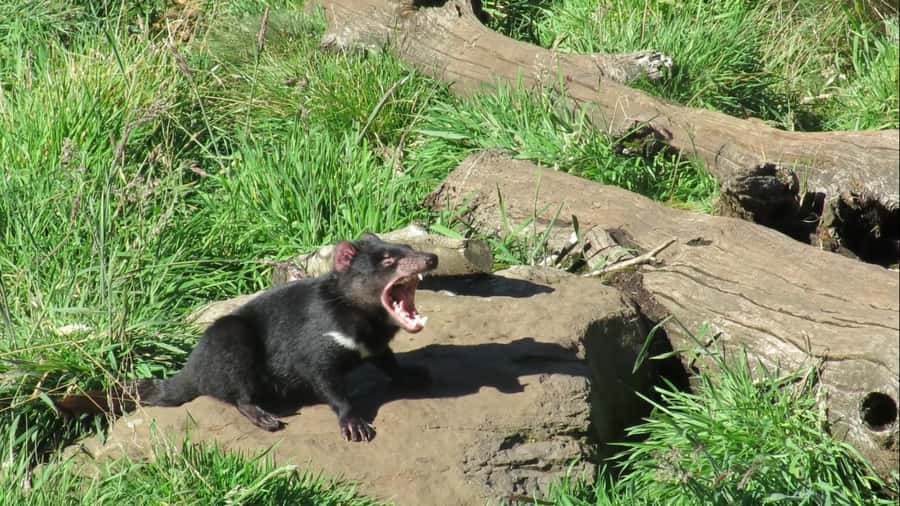
The setting matters. This is not a city zoo with a completely separate feel from Tasmania. The sanctuary is surrounded by the wilderness around Cradle Mountain, and the sound of the animals can feel surprisingly wild. Tasmanian devils are famous for their harsh calls, and hearing those screams helps explain how the animal earned its name.
At the same time, the visit is not only about spectacle. The three species here are Tasmania’s largest carnivorous marsupials, and all face some form of threat in the wild. That gives the 45-minute tour a useful focus: you learn what makes these animals special, what puts them at risk, and why controlled breeding and care programs matter.
I especially like this balance. You get the fun of seeing unusual animals up close, but you also leave with a clearer understanding of the conservation work behind the sanctuary.
More Wildlife Tours in Tasmania
- Day Tour in Mt. Field, Mt. Wellington, Bonorong Wildlife Sanctuary and Richmond
★ 5.0 · 735 reviews - From Hobart: Mt. Field, Mt. Wellington and Wildlife Day Tour
★ 4.8 · 261 reviews - Bonorong Wildlife Sanctuary Half-Day Tour from Hobart
★ 4.5 · 158 reviews
What happens during the 45-minute keeper tour
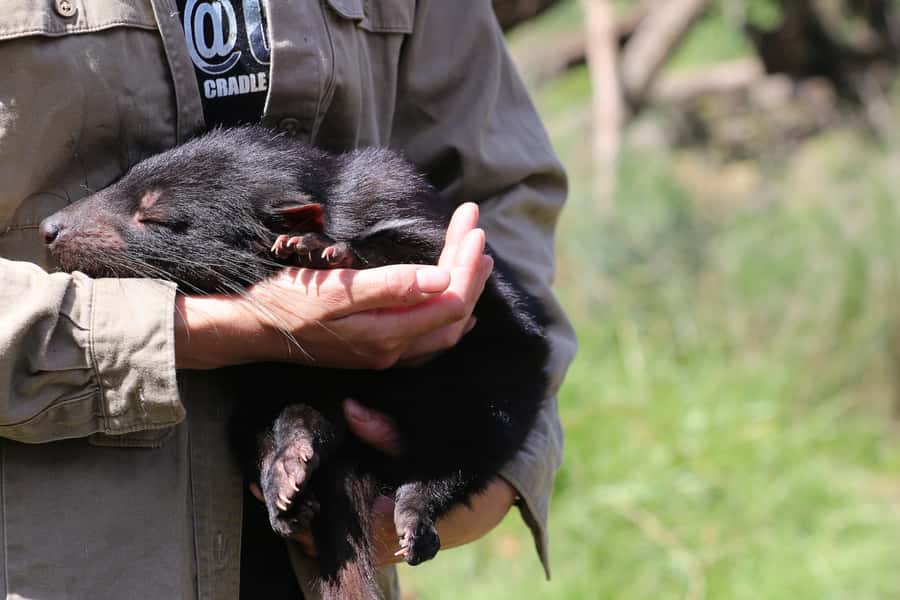
The tour follows a keeper through the sanctuary. The guide explains the animals and the conservation programs while you move through the grounds and view the enclosures from close range.
The quality of the guide is a major part of the experience. Sarah received especially warm praise for her work, and Pru was also singled out for the way she presented information. Other guides were described as passionate, clear, and able to make the talk interesting for both adults and children.
That matters because a Tasmanian devil can be easy to misunderstand. You may first notice the teeth, noise, and fierce expression. A good keeper adds the missing pieces: behavior, family life, feeding habits, and the pressures facing wild populations. One particularly useful sign of a successful talk is that it can change how you view the animals. The devils stop looking like small, angry oddities and start looking like complex native predators worth protecting.
The tour lasts 45 minutes, so it is long enough to provide substance without taking over your day. Families should find the format manageable, and animal-loving children may be especially absorbed by the young devils. Keep in mind that children cannot attend without an accompanying adult.
Seeing devils in their daytime routine
Do not arrive expecting every animal to be racing around. This is a daytime visit, and the animals may be asleep in their dens, resting in the sun, play fighting, or searching for food.
That variety is part of the appeal. A sleeping devil may not make for the most dramatic photograph, but it gives you a better sense of the animal’s ordinary routine. You might see a quieter side that gets lost in the focus on snarling and screaming.
The enclosures allow close viewing, which is one of the strongest practical features of the sanctuary. A keeper can point out behavior as it happens, making the animal easier to understand. If the devils are active during your session, you may get an especially lively demonstration of their energy and sharp social behavior.
Season can affect what you see. One visitor who enjoyed the experience in summer hoped to return in winter, when the animals would be awake and moving around more. That is useful advice, but it is not a guarantee that winter will produce a busier visit. Animal activity always varies. Go for the care and information as much as for a particular photo opportunity.
Meeting spotted-tailed and eastern quolls
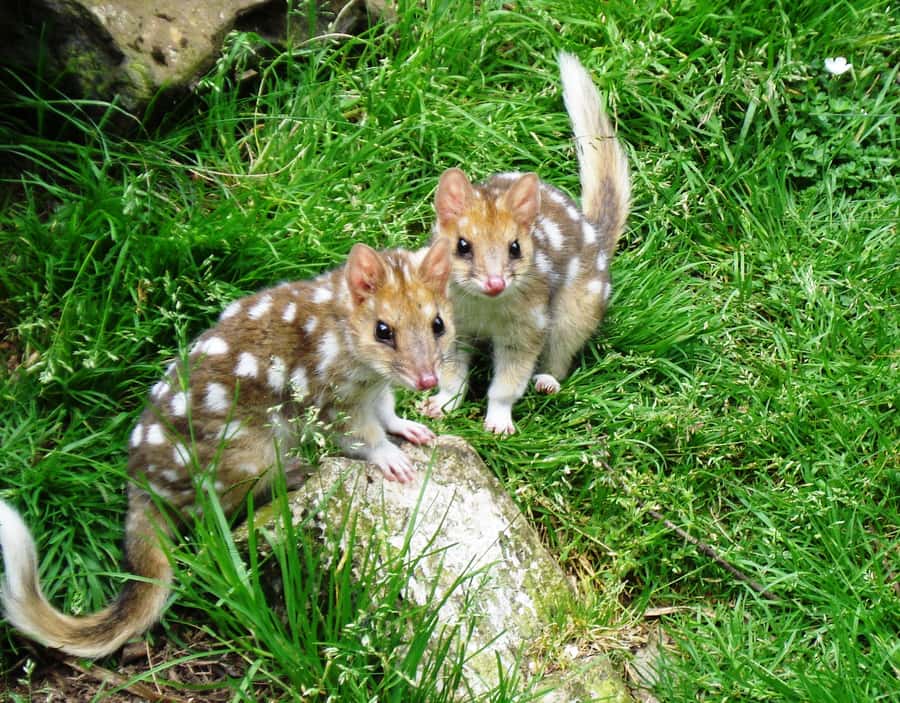
The devils receive top billing, but the quolls are an important reason to take the tour. Devils@Cradle gives you the chance to see both spotted-tailed quolls and eastern quolls, two close relatives that are often less familiar to international visitors.
Seeing all three species together helps you understand Tasmania’s carnivorous marsupial family. The sanctuary does not reduce the visit to a single famous animal. Instead, you see a wider conservation picture, with species that have different habits and different challenges in the wild.
The quolls can also reward patience. Their smaller size and different appearance give the sanctuary visit more variety. Your keeper can explain what you are looking at, which is useful when the animals are resting or tucked into part of an enclosure.
For families, this wider mix keeps the visit moving. For adults interested in Australian wildlife, it adds value beyond the usual Tasmanian devil photo stop.
A completely different kind of day out:
- Bruny Island Food, Sightseeing, Guided Lighthouse Tour & Lunch
★ 5.0 · 2,989 reviews - Full-Day Guided Bruny Island Tour from Hobart
★ 5.0 · 1,331 reviews - kunanyi/Mt Wellington Explorer Bus- Return Tour (2.5 hours)
★ 5.0 · 1,249 reviews - The Freycinet Paddle
★ 5.0 · 985 reviews
Walking the sanctuary after the guided talk
Your ticket includes general admission, so you can continue through the wildlife park after the keeper tour. This is an important part of the value. The tour gives you context, and the self-guided time lets you revisit animals at your own speed.
I would plan at least an hour or two for the whole stop if your schedule allows. The formal talk lasts 45 minutes, but rushing away immediately afterward would make the admission feel less useful. After the guide leaves, you can return to viewing areas, spend more time with an animal that caught your attention, and look at the sanctuary at a slower pace.
The gift shop is another small bonus, especially if you want a conservation-themed souvenir. More importantly, your entry fee supports the facility’s work. That makes the purchase feel connected to the place rather than simply an added retail stop.
One practical point: names on animal displays could be clearer, according to one piece of feedback. If you want to remember individual animals, ask the keeper questions during the talk or check the signs carefully.
Why the conservation message matters
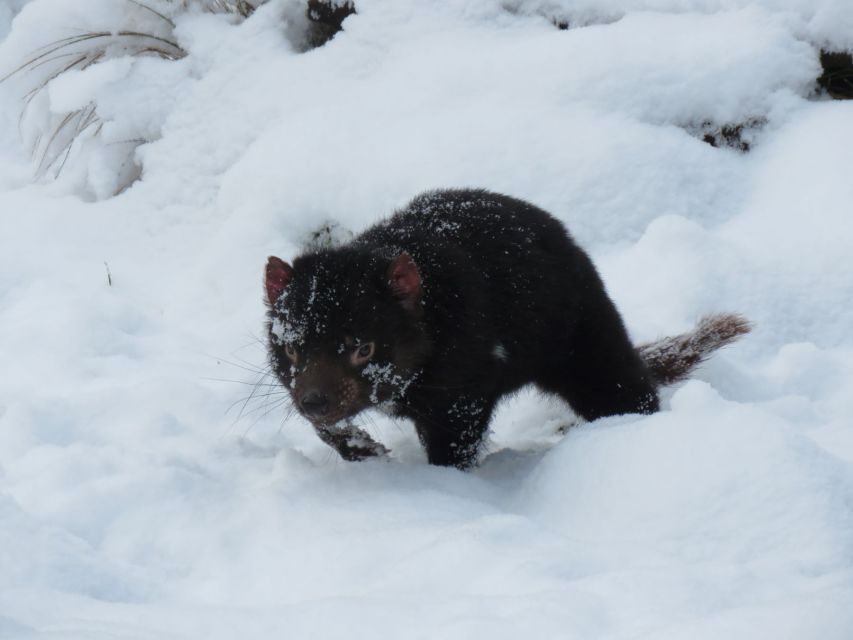
The sanctuary’s work has a serious purpose. Wild Tasmanian devils have suffered from a fatal facial cancer, and the condition has had a major effect on devil populations. The keeper tour explains why protected populations and conservation programs are important while giving you a chance to see healthy animals receiving care.
That context changes the meaning of your visit. You are not simply paying for access to an unusual animal. Your ticket helps support a facility working to preserve Tasmanian wildlife, and the talk explains why that support is needed.
The conservation message is strongest when it stays connected to what you can see. A healthy devil moving around its enclosure is not an abstract symbol. It is a living example of the animals the sanctuary is trying to protect. The same is true of the quolls, which also face threats in the wild.
I would not expect a research lecture or a long technical presentation. This is a short public tour designed to help you understand the animals and the sanctuary’s role. The guides appear to be good at making difficult topics accessible without losing the sense of urgency.
Price, timing, and practical value
At $17 per person, this is one of the easier wildlife experiences to justify in a Cradle Mountain itinerary. The price includes general sanctuary admission, the guided keeper tour, and free parking. You are paying for both a structured introduction and time to explore independently.
The sanctuary is open from 9:30 AM to 5:00 PM. Check the available tour start times before you set out, then leave enough room for the 45-minute talk and extra time afterward.
The location is about a two-hour drive from Launceston. That is too far for a casual detour if Launceston is your only base and you are not already heading toward Cradle Mountain. It makes much more sense as part of a Cradle Mountain day or a wider western Tasmania trip.
The tour operates in all weather. Bring warm clothing, even if the forecast looks mild elsewhere in Tasmania. You will be outdoors, and the Cradle Mountain area can feel cold quickly.
Free parking removes one small travel worry. The combination of parking, entry, and a keeper talk makes the price particularly good for families, couples, and anyone who wants more than a quick look at captive wildlife.
Paths, steps, and wheelchair access
The sanctuary is wheelchair accessible in part, but not every section is equally easy to reach. Reception provides access to the main viewing deck, and a side gate can lead directly into the sanctuary grounds.
You should expect uneven ground, steps, natural woodchip paths, platforms, and compacted gravel. These surfaces may slow you down, particularly in wet weather or if you use a mobility aid.
Staff can accommodate many access requests with prior planning. Contact Devils@Cradle before arrival if you need a specific route or assistance. The useful point is that access is not treated as one simple yes or no answer. Some areas are easier than others, and advance organisation can improve the visit.
Who will enjoy this experience most
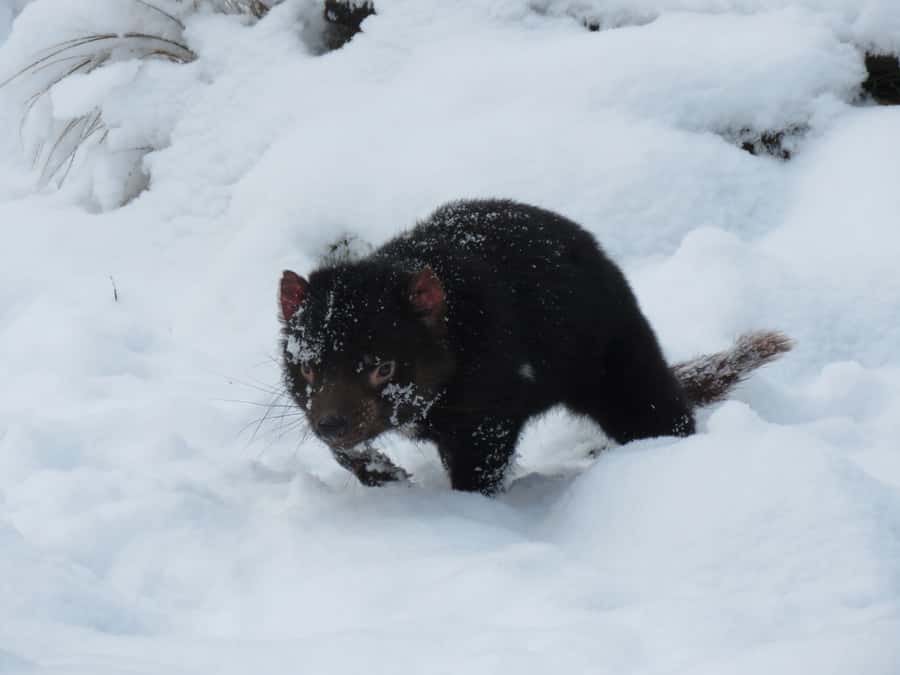
I would recommend the tour to anyone who wants to understand Tasmanian devils rather than only photograph them. The keeper talk adds the background that you will not get from wandering among enclosures alone.
It is a good choice for:
- Families with children who enjoy animals
- Visitors heading to Cradle Mountain
- People interested in Australian wildlife and conservation
- Travelers with a limited budget
- Visitors who prefer a short guided activity followed by free time
- Anyone who wants a weather-friendly stop with both indoor and outdoor elements
It may be less satisfying if your only goal is to see animals constantly moving. Daytime behavior can be quiet, and some devils may be sleeping. It is also not the best match for someone unwilling to walk on uneven paths or dress for cold weather.
The experience suits people who enjoy learning as much as looking. The guide is not decoration. The staff knowledge and passion received the strongest praise, and that personal explanation is what turns the sanctuary from a simple animal viewing area into a worthwhile conservation visit.
Should you book the Devils at Cradle Day Keeper Tour?
Yes, I would book it if Devils@Cradle fits your Cradle Mountain plans. At $17, you receive entry, parking, a 45-minute keeper tour, and time to continue exploring. That is strong value, especially when the guides bring the animals and conservation work to life.
Book it with realistic expectations. Wear warm clothes, allow extra time after the talk, and remember that daytime wildlife can be sleepy. If you want the best chance of seeing lively behavior, ask about the available session times and consider returning in another season.
For a short, useful, and affordable introduction to Tasmania’s devils and quolls, this is an easy recommendation. It gives you close animal viewing, clear conservation purpose, and a better reason to care about what happens to these species beyond the sanctuary gates.
FAQ
How long does the Devils at Cradle Day Keeper Tour last?
The guided keeper tour lasts 45 minutes. Your ticket also includes general entry, so you can continue exploring the sanctuary afterward.
What animals can I see at Devils@Cradle?
You can see Tasmanian devils, spotted-tailed quolls, and eastern quolls. These are Tasmania’s three largest carnivorous marsupials.
What are the opening hours?
Devils@Cradle is open from 9:30 AM to 5:00 PM. Check available tour start times when booking.
Is parking included?
Yes. Free parking at the sanctuary is included.
Does the tour operate in bad weather?
Yes. The tour takes place rain or shine. Warm clothing is recommended.
Is the sanctuary wheelchair accessible?
Some parts are wheelchair accessible. Access is available from reception to the main viewing deck, and a side gate can lead directly into the sanctuary grounds. Other areas include steps, uneven ground, woodchip paths, platforms, and compacted gravel. Staff can accommodate many requests with prior planning.
How far is Devils@Cradle from Launceston?
Devils@Cradle is approximately a two-hour drive from Launceston.
Just added in Tasmania
- The Freycinet Paddle Kayak Tour★ 4.8 · 57 reviews
- From Hobart: 5-Day Tasmania West & East Coast Tour★ 4.9 · 369 reviews
- Tasmania: 7-Day West to East Tour★ 4.8 · 115 reviews
- Tasman Peninsula Day Trip with Cruise & Devils from Hobart★ 4.9 · 226 reviews
- Tasmania: Wilderness and Wildlife Guided 6-Day Tour★ 4.6 · 60 reviews
- Tasman Peninsula Tour, Cruise & Port Arthur Historic Site★ 4.9 · 339 reviews
- Signature Wine Tour – Hobart & SE Tasmania★ 4.9 · 48 reviews
- Port Arthur Historic Site Ghost Tour★ 4.2 · 173 reviews
Wildlife Tours, compared.
All Inclusive Blue Mountain,Scenic World,Lunch,Koalas,ferry
Read our review →

Penguin Parade, & Wildlife Encounters Eco Tour from Melbourne
Read our review →
Blue Mountain Small Group Scenic World, Wildlife, Waterfall
Read our review →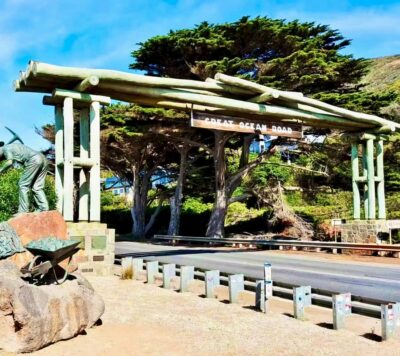
Melbourne Great Ocean Rd Reverse Tour London Bridge Wildlife
Read our review →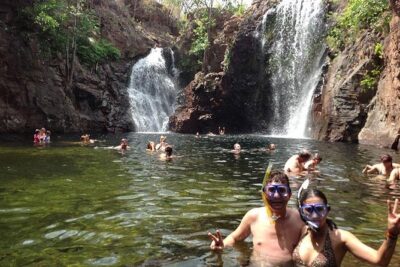
Litchfield National Park and Jumping Crocodile Cruise
Read our review →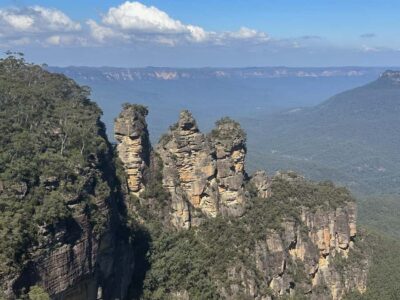
Blue Mountains Adventure: Scenic World, Zoo & Koala Photo
Read our review →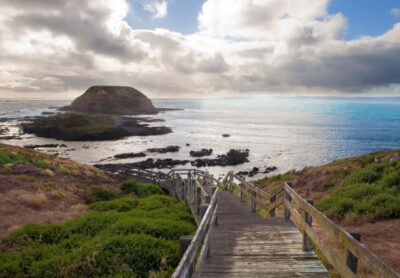
Browse the lists this tour appears in