
Reviewed · WILDLIFE TOURS
Canberra: Kangaroos and Koala Experience Tour
Wild animals meet moonshot history. This four-hour outing from Canberra pairs Tidbinbilla Nature Reserve with the Deep Space Tracking Station, giving you two very different sides of the region in one afternoon. I like the chance to see kangaroos, wallabies, birds, wombats, and possibly a platypus without arranging a car. I also like the personal guiding, especially with Neil, whose sharp eyes and interest in animal behavior can turn a quick roadside sighting into a proper wildlife lesson.
The main trade-off is simple: wildlife is never guaranteed. You may see a remarkable mix of animals, but you should not book this expecting a zoo-style checklist. The gentle walking, chilly late hours, and lack of included water or snacks also mean you need to prepare a little.
- Two strong stops in four hours: Pair Australian wildlife with the Apollo-era Deep Space Tracking Station.
- Neil’s sharp eyes: His bird knowledge, animal behavior insights, humor, and photography skills add real value to the drive.
- A serious wildlife haul is possible: Kangaroos, wallabies, koalas, wombats, emus, parrots, and even a platypus have all been spotted.
- Small-group feel: The comfortable vehicle makes the outing easier and more personal than exploring the reserve alone.
- Seasonal departure times: Plan for a 1:00 PM winter departure or a 3:00 PM summer departure.
- Bring your own refreshments: Water and snacks are not supplied, and the reserve can feel cold later in the day.
In This Review
- Why This Half-Day Tour Works in Canberra
- Pickup Times and the Drive Beyond Canberra
- The Deep Space Tracking Station and Australia’s Moonshot Role
- Entering Tidbinbilla Nature Reserve
- Koalas, Birds, and the Hard-to-Spot Platypus
- What the Guide Adds to the Experience
- Walking, Weather, and Family Practicalities
- Photography Without Losing the Moment
- Is $95 a Fair Price?
- Who Should Book This Canberra Wildlife Tour?
- Should You Book the Kangaroos and Koala Experience?
- FAQ
- How long is the Kangaroos and Koala Experience Tour?
- How much does the tour cost?
- What time does the tour depart?
- Is hotel pickup included?
- What animals might I see?
- Are animal sightings guaranteed?
- Is the koala visit in the wild?
- What should I bring?
- Is the tour suitable for children?
- Can I cancel the booking?
Why This Half-Day Tour Works in Canberra
Canberra is often treated as a city of museums, galleries, and government buildings. That is fair, but it leaves out the bushland surrounding the capital. Tidbinbilla Nature Reserve offers a useful change of pace, with open country, native trees, animal habitat, and views that feel far removed from the city.
I like the design of this tour because it does not spend four hours chasing one species. You get wildlife, local scenery, and a dose of Australian space history. If you have only one free afternoon in Canberra, that mix gives you more variety than a standard wildlife visit.
The tour costs $95 per person. That is not the cheapest way to reach Tidbinbilla, especially if you already have a car. Still, the price includes hotel pickup from major hotels and motel chains, transport, reserve entry, the tracking station visit, and a live English-speaking guide. The real value comes from the guide’s ability to locate animals and explain what you are seeing.
I would pay particular attention to that last point. Kangaroos and wallabies are not difficult to find in Australia, but identifying smaller wildlife, spotting birds, or locating a platypus can be much harder without local help. One outing produced kangaroos, red-necked wallabies, kookaburras, bowerbirds, rosellas, koalas, and a platypus. That is an excellent result, though never a promise.
Pickup Times and the Drive Beyond Canberra
Pickup is arranged from different places around central Canberra and nearby hotel areas. The exact time can shift with the number of people on board and the order of pickups, so I would keep roughly 30 extra minutes free around the stated time. That matters if you have dinner plans, an evening event, or a timed reservation afterward.
The regular winter departure is 1:00 PM, with pickups beginning around 12:30 PM. In the warmer months, from October through March, departure is 3:00 PM, with pickups beginning around 2:30 PM. The seasonal change is practical rather than cosmetic. The later summer start gives you more daylight, while the winter trip reaches the reserve as the afternoon begins to cool.
The drive to Tidbinbilla takes about 30 to 40 minutes through Canberra’s rural outskirts. You ride in a clean, comfortable tour vehicle, looking out at Australian trees and open country along the way. This is not a luxury vehicle experience, but it removes the need to navigate unfamiliar roads or watch for every animal yourself.
I would bring a jacket in every season. The tour can run into the evening, and one winter outing took place in temperatures around 0 degrees Celsius. The guide kept the vehicle warm, but you will still want proper layers when you step outside.
More Wildlife Tours in Australia:
- All Inclusive Blue Mountain,Scenic World,Lunch,Koalas,ferry
★ 5.0 · 7,832 reviews - From Melbourne: Great Ocean Road, 12 Apostles, Wildlife Tour
★ 4.7 · 6,020 reviews - Penguin Parade, & Wildlife Encounters Eco Tour from Melbourne
★ 5.0 · 3,774 reviews
The Deep Space Tracking Station and Australia’s Moonshot Role
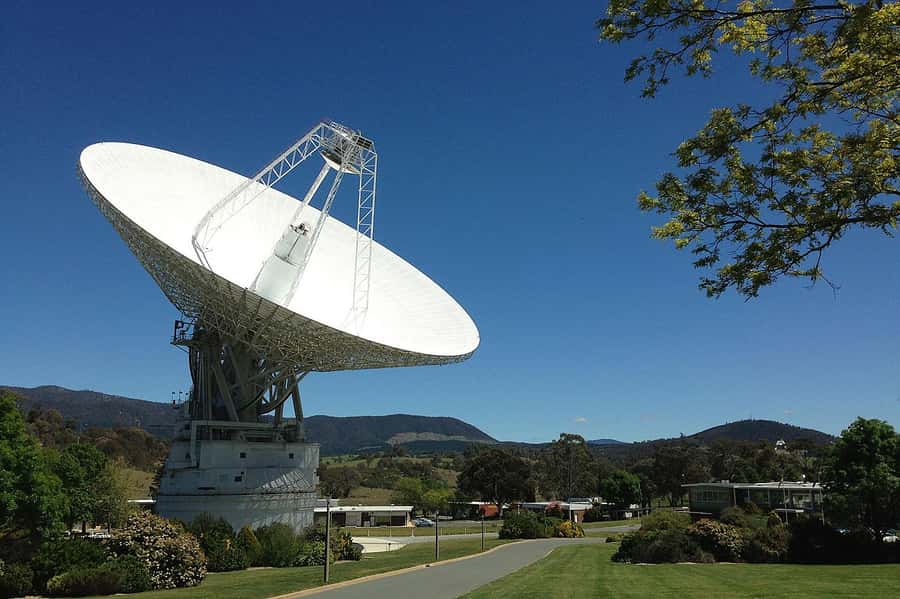
The Deep Space Tracking Station is an unusual first major stop. It gives the outing a historical and scientific edge before the wildlife portion begins. You learn about Australia’s part in the Apollo missions, the first moon landing, and later work tracking spacecraft far beyond Earth.
This stop is especially useful if your group includes people who are not focused only on animals. The station shows that the Canberra region is connected to global events in a way that is easy to miss from the city center. It also breaks up the drive before you spend time looking through bushland for movement.
I would set expectations correctly. This is a visit to a tracking station, not a full space museum tour or an extended technical program. Its value is the context and the chance to understand why this remote-looking site mattered to space exploration.
The station also makes the tour feel less repetitive. A wildlife trip can involve stretches of quiet driving while the guide searches for animals. Adding a space stop gives the afternoon two clear themes and helps justify the four-hour format.
Entering Tidbinbilla Nature Reserve
Tidbinbilla is the heart of the experience. Once inside the reserve, the guide looks for animals in their usual habitat rather than taking you through a conventional animal park. That difference matters. You are watching for movement, shape, sound, and behavior, and the sighting feels more earned when it happens.
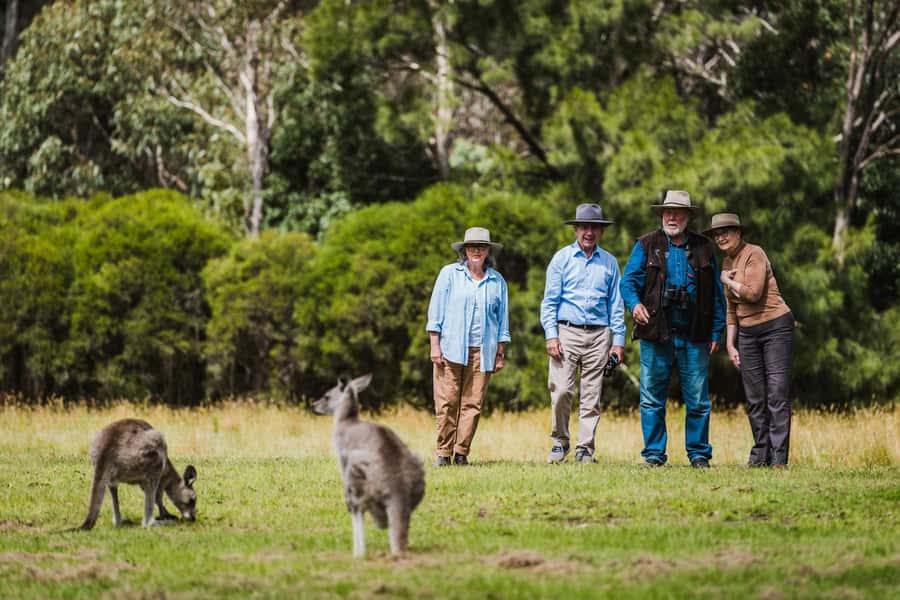
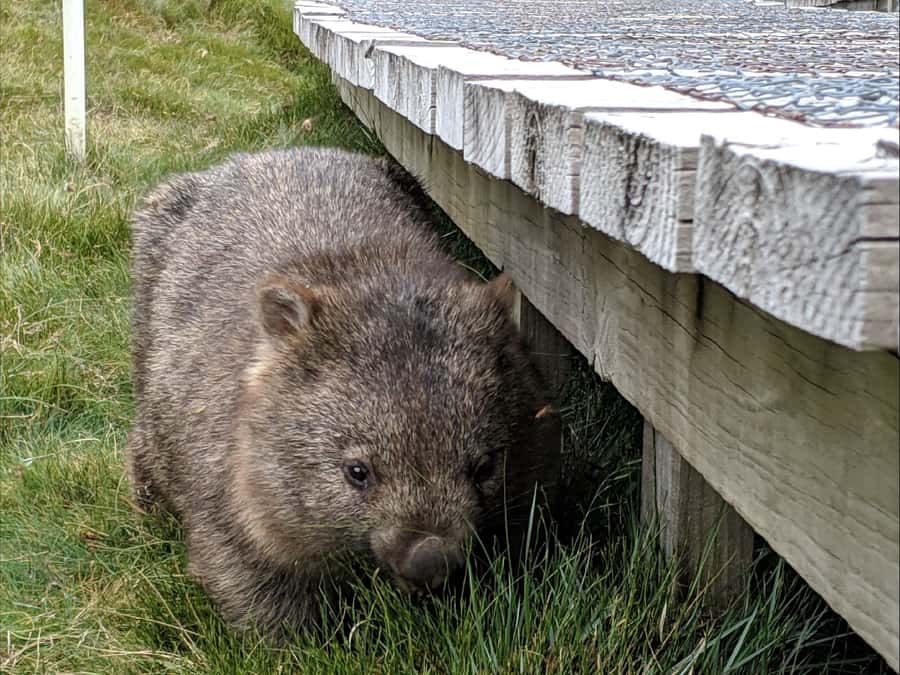
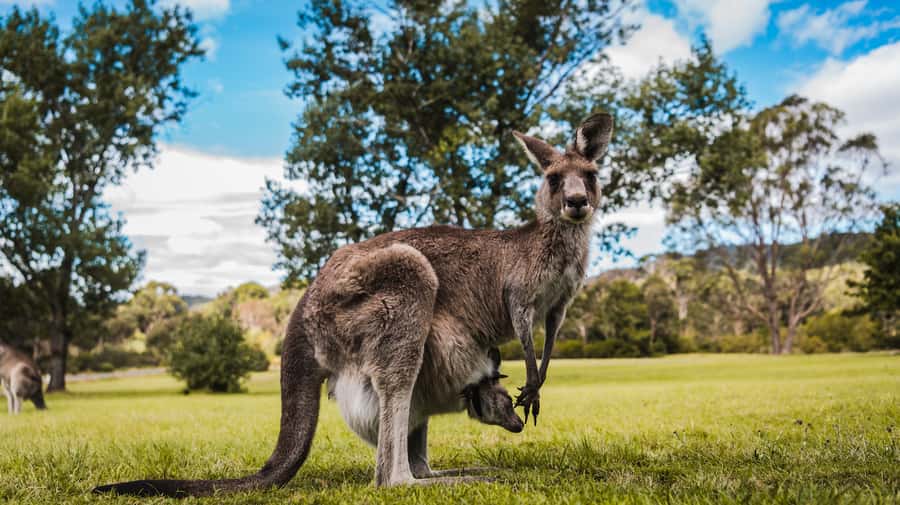
The most regular prize is the eastern grey kangaroo. You may see a single animal, a group resting in the grass, or a mother with a joey. The tour specifically highlights the charming sight of a kangaroo and joey together, a small moment that can be more memorable than a long list of species.
Wallabies are another frequent sight. Red-necked wallabies have been seen alongside kangaroos, and the smaller animals can be easier to miss from a moving vehicle. This is where an experienced guide earns the fee. Neil is repeatedly praised for noticing animals quickly and stopping or positioning the vehicle so you have a better chance to see them.
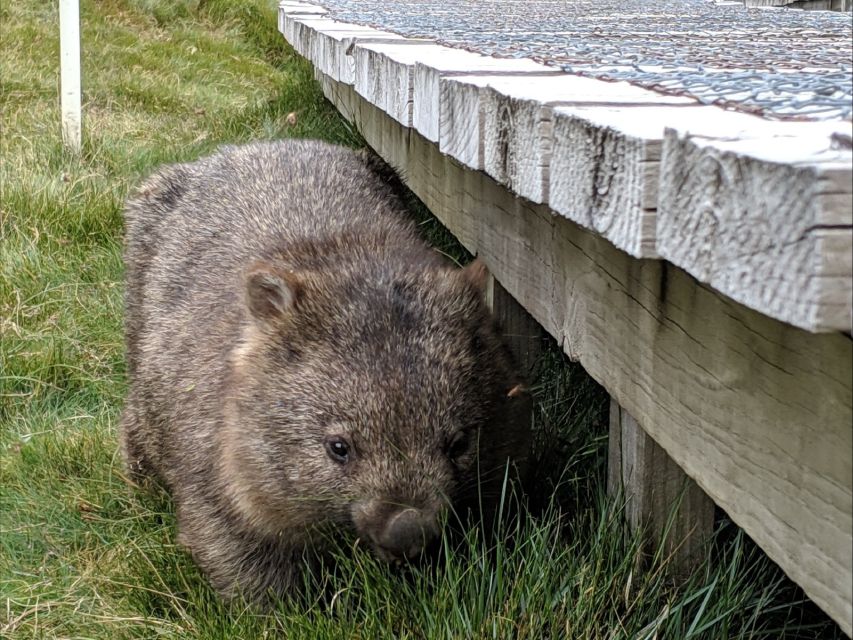
Wombats are also possible, sometimes in impressive numbers. One outing produced about eight wombats. That is a reminder that the reserve can surprise you, but it is also a reason not to expect the same result every afternoon.
Koalas, Birds, and the Hard-to-Spot Platypus
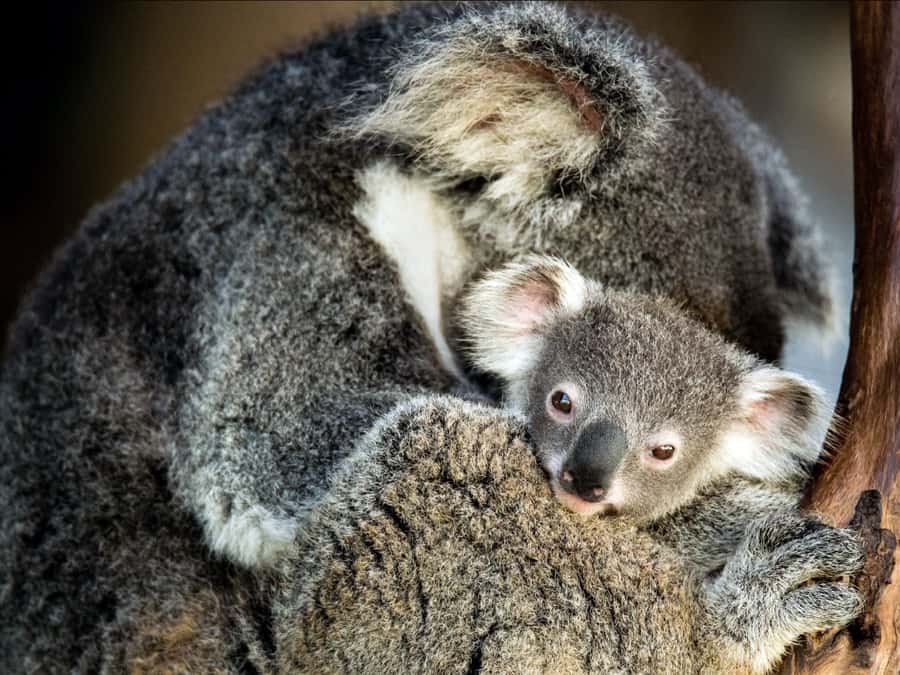
Koalas are a headline feature, but you should understand the setting. The tour includes a close look at a koala colony in a unique breeding enclosure, rather than relying only on a lucky sighting high in a eucalyptus tree. This improves your chance of seeing koalas clearly and makes the animal encounter more accessible for families and photographers.
That enclosure is a strength, though it also means the koala portion is not quite as wild as the kangaroo and wallaby sightings. I see this as a fair compromise. You get a more dependable view of koalas while still spending much of the afternoon in a protected natural reserve.
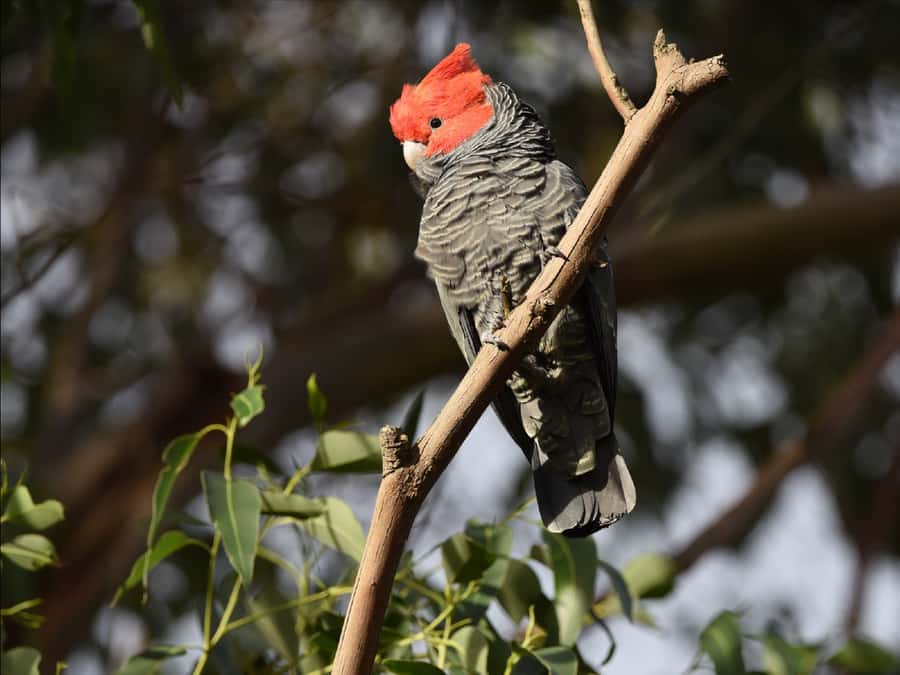
Birdlife adds plenty of motion and color. Depending on the day, you might see colorful parrots, rosellas, kookaburras, bowerbirds, or other native species. If you enjoy birds, tell the guide early. Neil has been praised for carrying his own bird book and explaining species in detail, which can turn a passing flash of feathers into a proper identification.
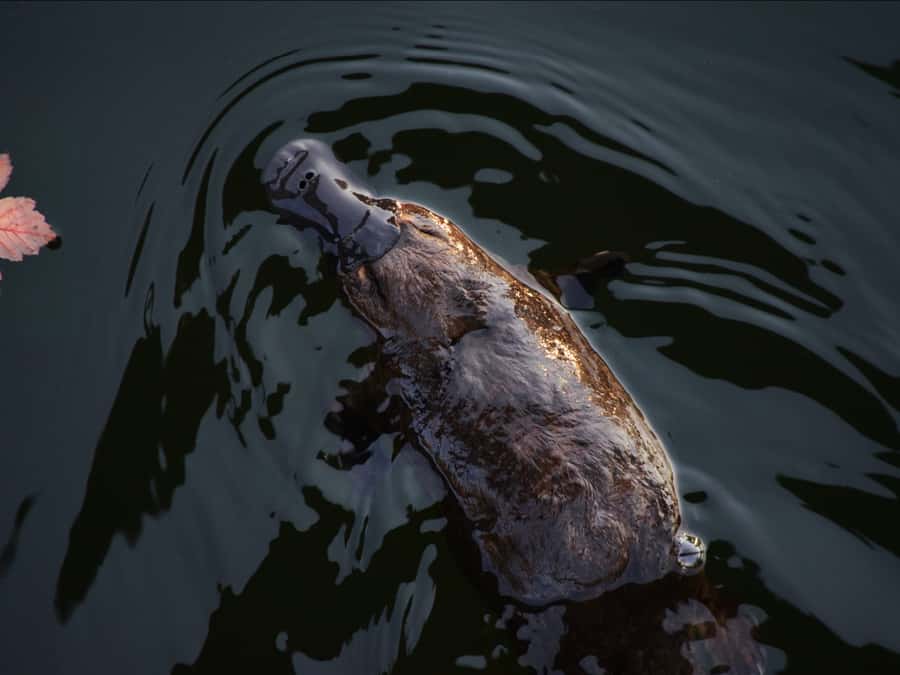
The platypus is the great bonus. It is regularly seen, but the odds are much lower than for kangaroos or wallabies. One estimate puts a sighting at about 30 percent of visits. That is a useful figure because it keeps expectations realistic. You might see one, but you should treat it as luck rather than a promised feature.
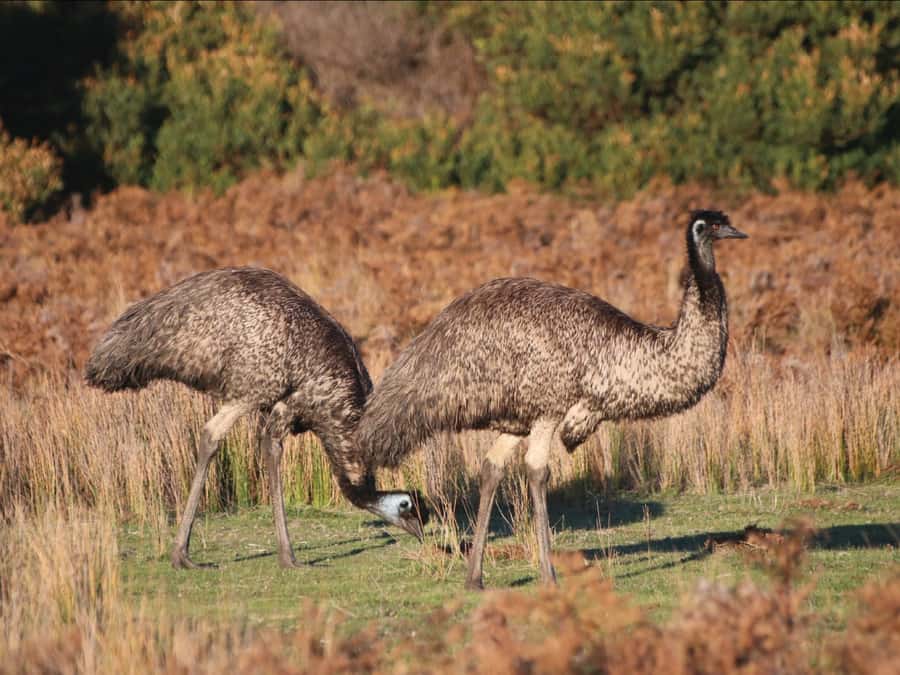
Emus are also possible. The reserve can produce a varied set of animals in one afternoon, but animal behavior, weather, light, and seasonal conditions all affect what appears. The best approach is to value the sightings you get instead of measuring the trip against an exact checklist.
A few more options to weigh up in Australia
- Highlights of Canberra Full Day Tour
★ 5.0 · 406 reviews - Canberra: City Highlights Day Tour with Entrance Fees
★ 4.8 · 114 reviews - Badass Women of Canberra: Meet the Women Who Shaped the Nation
★ 5.0 · 112 reviews - Canberra Day Trip from Sydney
★ 4.5 · 98 reviews
What the Guide Adds to the Experience
The guide is the biggest reason to choose this tour instead of driving to Tidbinbilla independently. Neil is praised for local wildlife knowledge, bird identification, animal behavior, history, humor, and photography. Those skills matter in different ways.
First, he helps you find animals. A guide who knows where a species tends to feed or rest has a better chance of spotting it than someone making a first visit. Second, he adds meaning. You learn about daily animal behavior, reserve management, Australian wildlife, and the long human history of the continent, including Aboriginal peoples.
Third, he adjusts to the group. One outing was shaped around a visitor’s wish to see wildlife, while another included extra care for someone with mobility difficulties. That does not make the tour fully accessible, but it does suggest a considerate and flexible guiding style.
The humor helps, too. Four hours of wildlife watching can include quiet patches. A guide who can explain, entertain, and keep the group interested makes those pauses feel like part of the experience rather than dead time.
Walking, Weather, and Family Practicalities
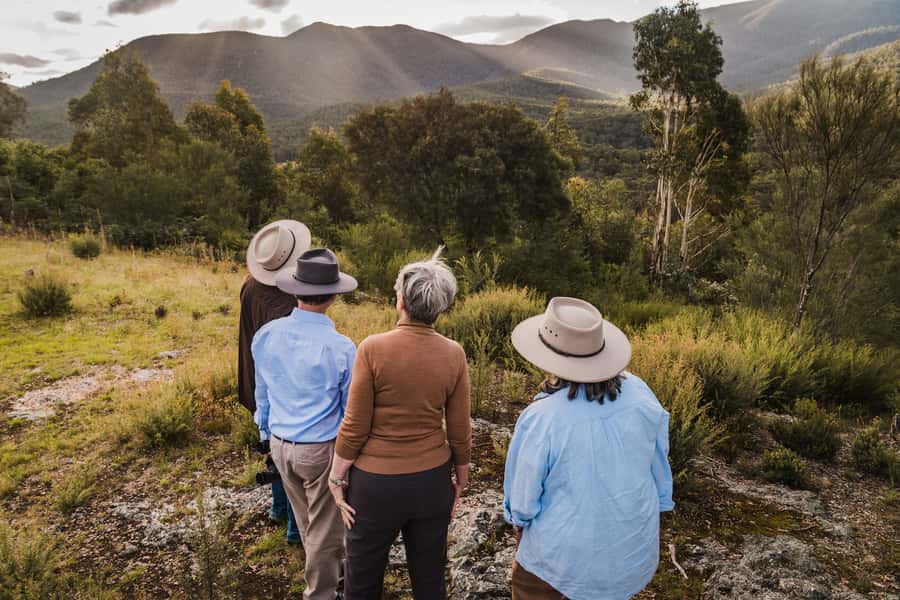
The walking is gentle, but it is not zero-walking. You should wear comfortable shoes and be ready for short walks and viewing stops. The activity may not suit you if you have serious mobility limitations, though the guide has helped a participant with mobility issues.
Light rain or wind usually does not stop the tour. In unusual conditions, the guide discusses the available options with the group. I would still check the forecast, bring a jacket, and dress in layers. Afternoon warmth can fade quickly as the outing runs toward evening.
Bring your own water and snacks. Nothing is supplied, and four hours is long enough for thirst or hunger to distract you from a good sighting. Keep the food simple and easy to carry. You will also need to follow reserve rules: feeding and touching the animals are not allowed.
The tour is family-friendly, but children must be accompanied by an adult. It suits families who can accept a little waiting and uncertainty. Younger children may enjoy the kangaroos and koalas most, while older children often get more from the tracking station and bird spotting.
Drones are not allowed. That is worth noting if you carry camera equipment or hoped to film the reserve from above.
Photography Without Losing the Moment
This is a good outing for casual photographers and a useful one for people who want to improve their wildlife shots. The guide’s photography experience can help you notice animals and find a better angle. Still, you should bring realistic expectations.
Wild animals do not pose on demand. A kangaroo may turn away, a platypus may surface for seconds, and a koala may sit motionless in a difficult spot. A phone can capture the memory, but low evening light may challenge small cameras.
I would keep your equipment ready but not spend the entire tour staring through a screen. The best part is often the behavior: a joey close to its mother, a wallaby moving through the trees, or a bird calling from nearby. Take the picture, then look up.
Is $95 a Fair Price?
At $95, this is a reasonable package if you do not have a car or do not want to plan the reserve visit yourself. You receive transport from major accommodation areas, entry to Tidbinbilla, the tracking station visit, wildlife searching, and a guide for four hours.
The value is strongest for international visitors who want a manageable introduction to Australian animals. You avoid the work of finding the reserve, judging where to stop, and knowing which distant shape is a kangaroo, wallaby, or wombat. You also get a broader outing than a simple koala encounter.
The price is less compelling if you already have a vehicle, plenty of time, and confidence exploring independently. A self-guided visit may give you more freedom to stay longer at one place. You would, however, give up the trained eyes, commentary, hotel pickup, and chance of spotting animals you might otherwise miss.
Free cancellation up to 24 hours before departure and the option to reserve now and pay later make booking less risky. Still, check the pickup location and time carefully. One past booking involved an incorrect hotel and pickup time, although the guide worked hard to recover the day.
Who Should Book This Canberra Wildlife Tour?
I would choose this tour if you want a compact introduction to Australian wildlife without renting a car. It is particularly good for first-time visitors, families, photographers, bird watchers, and anyone who enjoys mixing nature with history.
It also suits you if you want a guide who does more than point at animals. Neil’s strongest qualities are his sharp eyes, animal behavior knowledge, bird expertise, local background, humor, and care for the group. Those details can make the difference between seeing a distant kangaroo and understanding what the animal is doing.
I would hesitate if you need guaranteed sightings, dislike cool evening conditions, or want a long, strenuous walk. The tour is gentle and vehicle-based, with short walking sections. Its pleasures come from patience, chance, and good guiding.
Should You Book the Kangaroos and Koala Experience?
Book it if your Canberra plans leave one free afternoon and you want wildlife without the hassle of driving. The combination of Tidbinbilla, koalas in a breeding enclosure, open-country animal sightings, and the Deep Space Tracking Station gives you a lot for four hours.
Go in with flexible expectations. Kangaroos and wallabies are regular possibilities, while wombats, emus, birds, koalas, and platypuses depend on the day. Bring water, snacks, comfortable shoes, and a warm jacket. If you can accept that wildlife writes its own schedule, this is a friendly, well-priced way to see a side of Canberra that city sightseeing misses.
FAQ
How long is the Kangaroos and Koala Experience Tour?
The tour lasts four hours and includes transport, the Deep Space Tracking Station, and wildlife viewing at Tidbinbilla Nature Reserve.
How much does the tour cost?
The listed price is $95 per person.
What time does the tour depart?
From April through September, departure is at 1:00 PM. From October through March, departure is at 3:00 PM. Pickup times begin earlier and can vary by location and the number of people being collected.
Is hotel pickup included?
Yes. Pickup and drop-off are available from major hotels and motel chains in and around central Canberra.
What animals might I see?
Possible sightings include eastern grey kangaroos, wallabies, koalas, wombats, platypuses, colorful parrots, emus, kookaburras, bowerbirds, and rosellas.
Are animal sightings guaranteed?
No. Wildlife behavior is unpredictable, and the tour cannot guarantee every listed species. Kangaroos, wallabies, colorful parrots, koalas, wombats, and other animals are regularly seen, while platypus sightings are less certain.
Is the koala visit in the wild?
The tour includes a close look at a koala colony in a breeding enclosure. Other wildlife viewing takes place around Tidbinbilla Nature Reserve.
What should I bring?
Bring comfortable shoes, a jacket, water, and snacks. Water and snacks are not included.
Is the tour suitable for children?
Yes, it is family-friendly, but children must be accompanied by an adult.
Can I cancel the booking?
You can cancel up to 24 hours in advance for a full refund. A reserve-now-and-pay-later option is also available.
Just added in Australia
- 1hour Scenic Flight Heart Reef, Whitehaven Beach, Hill Inlet, GBR★ 5.0 · 134 reviews
- Fly Raft Package: Whitehaven Beach, Snorkel and Scenic Flight★ 5.0 · 316 reviews
- All-Inclusive Waterfall Explorer Day Trip from Airlie Beach★ 4.5 · 253 reviews
- Airlie Coastal Beach Adventures – Dingo Beach & Cape Gloucester★ 5.0 · 27 reviews
- Airlie Beach Glass Bottom Boat Tour★ 4.5 · 329 reviews
- Bowen Beaches Discovery-Top of the Whitsundays★ 5.0 · 40 reviews
- Airlie Waterfalls & Rainforest Bushwalk Eco Adventure★ 5.0 · 23 reviews
- British Defender 3D2N Whitsunday Snorkelling Sailing Adventure★ 5.0 · 30 reviews
Wildlife Tours, compared.
All Inclusive Blue Mountain,Scenic World,Lunch,Koalas,ferry
Read our review →
Penguin Parade, & Wildlife Encounters Eco Tour from Melbourne
Read our review →
Blue Mountain Small Group Scenic World, Wildlife, Waterfall
Read our review →
Melbourne Great Ocean Rd Reverse Tour London Bridge Wildlife
Read our review →
Litchfield National Park and Jumping Crocodile Cruise
Read our review →
Blue Mountains Adventure: Scenic World, Zoo & Koala Photo
Read our review →
Browse the lists this tour appears in