
Reviewed · HISTORICAL TOURS
Albany’s Historic Whaling Station Admission Ticket
Whaling history is never a gentle afternoon. Albany’s Historic Whaling Station turns a former processing site into a clear, hands-on museum, with short films, real machinery, whale-oil tanks, and the preserved Cheynes IV whale chaser. I like the freedom of a self-guided visit, and I especially like the mix of hard history, marine art, and unusual objects such as scrimshaw.
The main drawback is the weather. Much of the site is spread across outdoor areas, and wind or rain can shorten your visit. The subject itself may also feel confronting, especially around the processing displays. Still, for $26.49 per person and roughly two to three hours of things to see, this is a strong-value stop for anyone curious about Albany’s past.
In This Review
- Key details before you go
- A 20-minute drive from Albany brings you to the old factory
- Inside the whale-oil tanks, the story gets personal
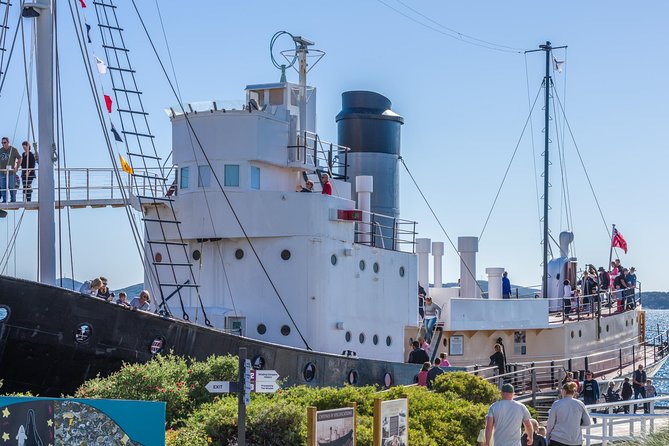
- Board the Cheynes IV, a rare preserved whale chaser
- The blue whale skeleton explains the scale
- Marine art and scrimshaw add a quieter side
- A small wildlife area gives families another reason to linger
- The café and free BBQ area help with a longer visit
- Is $26.49 good value for two to three hours?
- Who should book this Albany attraction?
- My verdict on Albany’s Historic Whaling Station
- FAQ
- How long does a visit to Albany’s Historic Whaling Station take?
- What are the opening hours?
- How far is the station from Albany CBD?
- Can I explore the museum without a guide?
- Can I board the Cheynes IV?
- Is food included in the admission price?
- Is the station suitable for children?
- Does the experience operate in bad weather?
- What is the cancellation policy?
Key details before you go
- A former whaling factory becomes the museum: You see the original setting of the industry, not just a collection of objects in a modern gallery.
- The Cheynes IV is the star attraction: You can climb aboard the only preserved whale chaser ship in the world.
- Blue whale scale is made real: A giant skeleton gives you a much better sense of the animal’s size than photographs can.
- Short films run inside whale-oil tanks: The unusual setting adds weight to the story and gives the visit a memorable edge.
- You set the pace: Plan on two to three hours, but you can spend less time on difficult displays or linger over the parts that interest you.
- A garden barbecue area adds flexibility: You can bring food and use the free BBQ facilities, though food and drinks are not included.
A 20-minute drive from Albany brings you to the old factory
From Albany’s CBD, the station is about a 20-minute scenic drive. That short journey matters because this is not a downtown exhibit squeezed into a single room. You arrive at the actual site connected with Albany’s whaling industry, where the buildings, tanks, ship, and outdoor setting help explain how the work once operated.
Admission is pre-purchased, so you can arrive ready to explore rather than spend time arranging entry. The opening hours listed for the current operating period are 9:00 AM to 5:00 PM, Monday through Sunday. Give yourself at least two hours if you want to see the principal displays without rushing.
I would allow closer to three hours if you want time for the films, the ship, the art collections, the wildlife area, and a break at the café. The visit is self-guided, which means you do not have to move with a group or wait for a fixed tour time. That is useful if one person in your party wants to read every panel while another is ready to move on.
More entry tickets in Australia:
- From Brisbane: Australia Zoo Transfer and Entry Ticket
★ 4.9 · 1,539 reviews - Brisbane: Moreton Island Return Ferry & Adventure Day Pass
★ 4.3 · 1,195 reviews - SEA LIFE Sydney Aquarium Entry Ticket
★ 4.3 · 1,025 reviews
Inside the whale-oil tanks, the story gets personal
The converted whale-oil tanks are among the site’s most unusual spaces. Short films are shown inside them, putting the history in a setting that is directly tied to the old industry. This is more effective than watching a film in an ordinary auditorium because the building itself keeps reminding you what the tanks were used for.
The subject is not softened. Whaling was a major part of Albany’s working past, but it involved the killing and processing of enormous animals. You may find some displays confronting, especially if you have a strong connection to marine life. That honesty is part of the value, but it also means this is not a light, purely entertaining attraction.
I like that the station presents the industry as history rather than pretending it never happened. You can look at the machinery, artifacts, and memorabilia, then consider the scale of the operation and the people who worked there. The visit gives you a sense of a former local trade that shaped the area, even if you find the subject uncomfortable.
Board the Cheynes IV, a rare preserved whale chaser
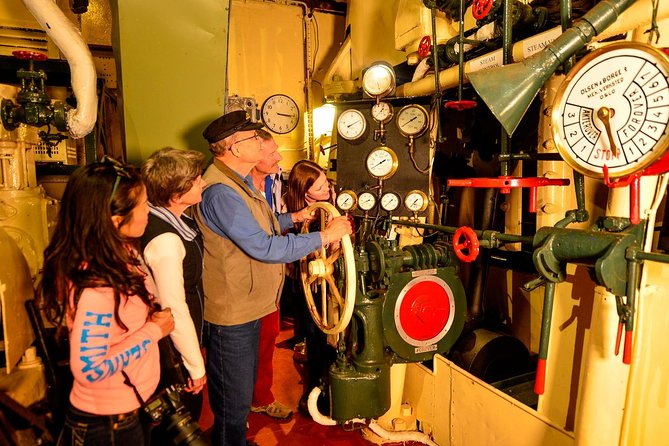
The Cheynes IV is the clearest reason to make the drive. You can go aboard the preserved whale chaser and get close to the vessel used in the industry. The ship makes the work feel physical. Instead of only reading about whale chasers, you can see the compact working environment and picture the demands placed on the crew.
It is described as the only preserved whale chaser ship in the world, which gives this part of the visit unusual importance. You do not need to be a ship enthusiast to appreciate it. A real vessel carries the story in a way a model cannot.
You should expect some movement around the site and ship, so a moderate level of physical fitness is recommended. Children must be accompanied by an adult. The information does not promise full accessibility details, so anyone with mobility concerns should check directly before booking.
Take your time here. The ship is easy to treat as a quick photo stop, but it is one of the places where the station’s history becomes easiest to understand. The old factory tells you what happened. The Cheynes IV helps show how the work was carried out.
The blue whale skeleton explains the scale
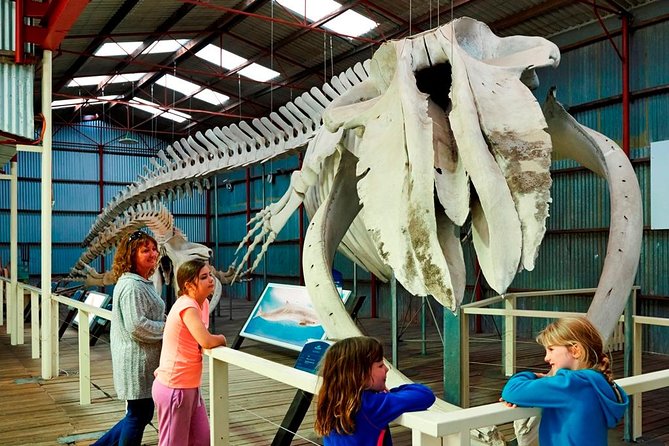
The giant blue whale skeleton is another powerful part of the visit. A blue whale is difficult to understand from a picture or a sentence about its length. Standing beside the bones gives you a physical comparison and makes the animal’s size plain.
This display also changes the emotional balance of the museum. The factory and processing exhibits focus on the human industry. The skeleton draws your attention back to the animal itself. I like that the station does not leave the story only on the machinery and human workers.
The skeleton should appeal to families, children, and anyone interested in marine life. It also gives younger visitors a strong visual anchor when the written material becomes too dense. If you are visiting with children, this may be the easiest place to begin before explaining the more difficult parts of the site.
More history tours in Australia:
- Ultimate Melbourne Walking Tour: History, Laneways & Culture
★ 5.0 · 1,451 reviews - Puffing Billy Railway: Heritage Steam Train Journey
★ 4.6 · 1,195 reviews - Morning World Heritage Cruise on the Gordon River from Strahan
★ 5.0 · 1,193 reviews - Strahan: World Heritage Cruise on Gordon River with Lunch
★ 4.8 · 1,143 reviews
Marine art and scrimshaw add a quieter side
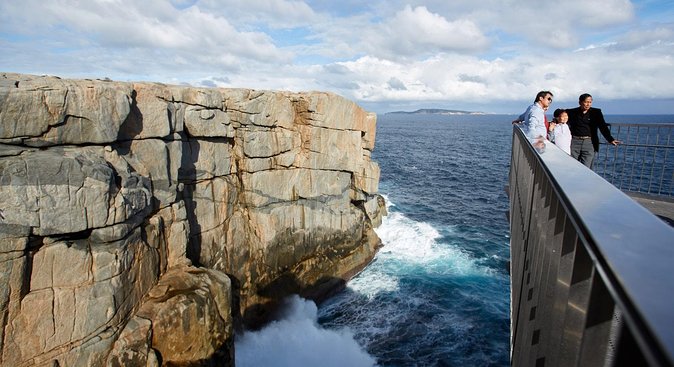
The station includes a well-regarded collection of marine animal art and precious scrimshaw art. These displays provide a slower, more detailed counterpoint to the factory and ship. Scrimshaw, with its carved artwork, links maritime life, craftsmanship, and the culture of whaling communities.
I would not rush this section. The industrial exhibits are large and dramatic, but smaller artworks reward patience. You might find this part especially appealing if you enjoy museums that combine social history with decorative art.
The collection also helps show that the whaling story was not only about equipment and production. It involved seafaring traditions, personal objects, art, and the way people represented the animals and ocean around them. That broader view makes the visit feel more complete without turning it into a lecture.
A small wildlife area gives families another reason to linger
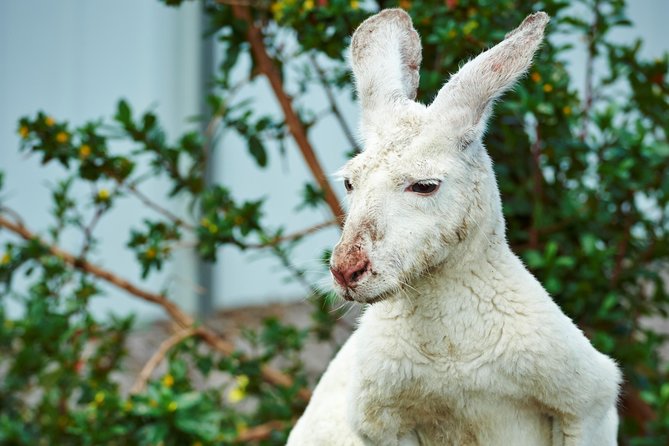
One review described the site as having a small Australian wildlife enclosure. The supplied information does not give a detailed list of animals or activities, so I would treat this as an extra rather than the main reason to visit.
For families, though, an outdoor wildlife area can break up the more serious museum displays. Children who have had enough of artifacts may appreciate a change of scene. You can also use the garden setting for a pause before returning to the exhibits.
The site is open in all weather, but that does not mean every part will feel equally pleasant in poor conditions. Dress for wind and rain if the forecast looks uncertain. One wet and windy day led to a shorter visit, which is a useful warning for anyone planning to stay outdoors for several hours.
The café and free BBQ area help with a longer visit
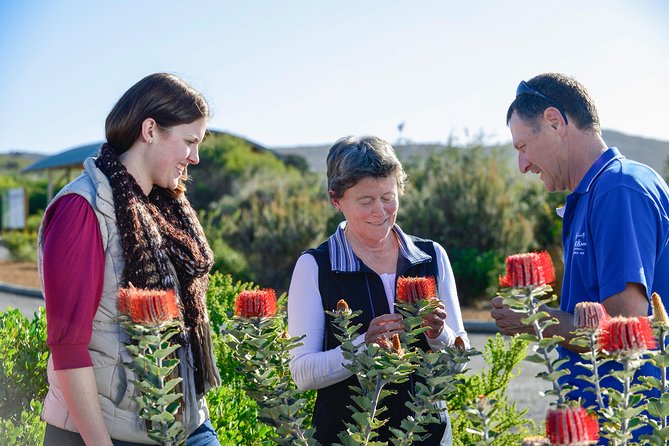
Food is not included, and lunch and drinks are specifically excluded from the admission price. There is a café overlooking one of Albany’s picturesque bays, giving you a place to pause if you prefer to buy refreshments on site.
Free BBQ facilities are available in the flower garden. This is a practical bonus, especially if you are building the station into a longer day out and want to bring your own food. The BBQ option also makes the $26.49 admission feel more flexible, since you are not forced to leave immediately when you get hungry.
I would not assume that a meal is part of the ticket. Bring food or budget for the café separately. The garden and bay views can turn a two-hour museum visit into a more relaxed half-day stop, provided the weather behaves.
Is $26.49 good value for two to three hours?
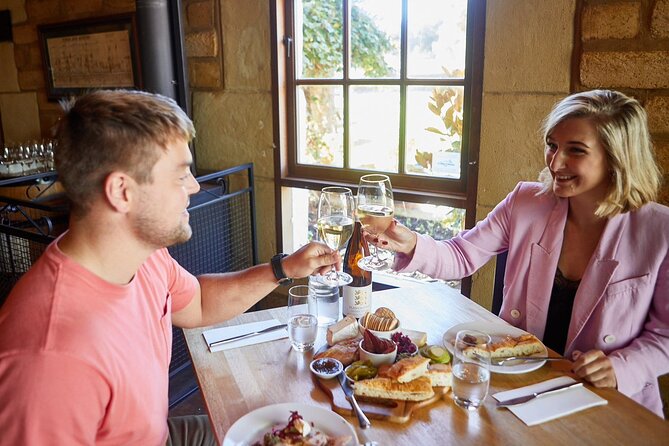
At $26.49 per person, the admission offers good value if you are willing to spend time with the site. You are not paying only to enter a small exhibit. The ticket covers the factory displays, short films, whale-oil tanks, the Cheynes IV, the blue whale skeleton, marine art, scrimshaw, and the other museum exhibits.
The self-guided format also helps. You can move quickly through displays that do not interest you, then spend more time on the ship or art collection. A fixed guided tour can be informative, but it can also make you hurry. Here, the pace is yours.
The value drops if you expect a polished, modern attraction with constant entertainment. This is a working-history museum, and parts of it may feel old-fashioned or exposed to the weather. The subject is serious, and some displays may not suit very young children or anyone who prefers lighter attractions.
The free BBQ facilities add value, but only if you plan to use them. Food and drinks cost extra, and the ticket does not include lunch. I see the admission as worthwhile for people who enjoy authentic places with a strong connection to local history, rather than for someone looking for a quick scenic stop.
Who should book this Albany attraction?
I would recommend the station to you if you enjoy:
- Local history told through original buildings and equipment
- Ships, maritime culture, and working vessels
- Marine life and large natural history displays
- Museums where you can explore without a guide
- Family outings with a mix of indoor and outdoor areas
- Unusual collections such as scrimshaw
- Honest treatment of difficult subjects
You may want to think twice if you dislike whaling-related material, have limited time in Albany, or are visiting during rough weather without suitable clothing. The station operates in all weather, but wind and rain can limit how long you want to stay outside.
Children need an adult with them, and the moderate fitness recommendation is worth taking seriously. The experience is not described as a fully seated museum visit. You will be moving between displays, outdoor areas, tanks, and the ship.
The flexible ticket policy is useful if your plans change. You can cancel for a full refund up to 24 hours before the experience start time. Changes or cancellations made within 24 hours are not accepted and are not refunded, based on local time.
My verdict on Albany’s Historic Whaling Station
I like this attraction because it does not hide behind a neat, comfortable version of the past. You see the old processing setting, the working ship, the artifacts, and the evidence of an industry that was once central to Albany. The blue whale skeleton and marine art also keep the focus on the animals and ocean, not only on the machinery.
The best visit is unhurried. Allow two to three hours, dress for changing weather, and bring food if you want to use the garden BBQ. If you have only a short stop in Albany, focus on the Cheynes IV, whale-oil tanks, blue whale skeleton, and main factory exhibits.
I would book it if you want an authentic, unusual museum with a strong local connection. I would skip it only if the subject is too confronting for you, or if bad weather makes an outdoor-heavy visit unattractive. For most history-minded visitors, the combination of real place, preserved ship, and clear exhibits makes the $26.49 ticket a sensible buy.
FAQ
How long does a visit to Albany’s Historic Whaling Station take?
The approximate duration is two to three hours. You can spend less time if you focus on the main displays, or stay longer if you watch the films, explore the art collections, visit the wildlife area, and use the café or garden.
What are the opening hours?
The station is listed as open every day from 9:00 AM to 5:00 PM for the operating period from July 1, 2025, through June 30, 2027.
How far is the station from Albany CBD?
The station is about a 20-minute scenic drive from Albany CBD.
Can I explore the museum without a guide?
Yes. The experience is self-guided, so you can explore the exhibits at your own pace.
Can I board the Cheynes IV?
Yes. The experience includes access to the Cheynes IV, described as the only preserved whale chaser ship in the world.
Is food included in the admission price?
No. Food, drinks, and lunch are not included. A café is available, and free BBQ facilities can be used in the flower garden.
Is the station suitable for children?
Children are welcome, but they must be accompanied by an adult.
Does the experience operate in bad weather?
Yes. It operates in all weather conditions. You should dress appropriately, especially because parts of the site are outdoors.
What is the cancellation policy?
You can cancel at least 24 hours before the experience start time for a full refund. Cancellations or changes made less than 24 hours before the start time are not accepted and are not refunded.
Just added in Australia
- West MacDonnell Ranges Half day Tour -Small Group★ 4.5 · 99 reviews
- The Gap and Natural Wonders★ 4.5 · 31 reviews
- National Anzac Centre General Entry Ticket★ 4.5 · 210 reviews
- Granite Skywalk Porongurups★ 4.5 · 24 reviews
- Whitehaven Beach Club Transfers from Airlie Beach★ 4.5 · 233 reviews
- Whitsunday Islands Sail, SUP & Snorkel Tour- Small group★ 5.0 · 64 reviews
- Albany Wildlife and Scenic Cruise★ 5.0 · 74 reviews
- Providence Whitehaven Beach Sailing and Snorkeling Cruise★ 4.0 · 214 reviews
Historical Tours, compared.

Ultimate Melbourne Walking Tour: History, Laneways & Culture
Read our review →
Puffing Billy Railway: Heritage Steam Train Journey
Read our review →
Morning World Heritage Cruise on the Gordon River from Strahan
Read our review →
World Heritage Cruise on Gordon River with Lunch
Read our review →
Experience History onboard The Mary Valley Rattler
Read our review →
Snorkel & Dive the Reef: Sustainable, Scientific & Cultural Tour
Read our review →
Derwent River Historic Harbour Cruise From Hobart
Read our review →Browse the lists this tour appears in