
Reviewed · HISTORICAL TOURS
Albany: Historic Whaling Station Entry Ticket
Whaling’s past feels startlingly close here. Albany’s Historic Whaling Station gives you access to a restored processing factory, the preserved whale chaser Cheynes IV, and a large marine skeleton display that includes a giant blue whale. I especially like the way the site explains the work through real machinery, films, artifacts, and trails rather than relying on a single museum room. I also like that your $25 ticket covers the Regional Wildflower Garden and Australian Wildlife Park, turning a museum visit into a full-day outing.
The subject can be difficult. You will see and hear how whales were processed, and the story is not softened. That honesty gives the attraction its value, but younger children or visitors sensitive to animal suffering may find parts upsetting. Wear comfortable shoes, allow several hours, and arrive early enough to make the most of the 9:00 AM to 5:00 PM opening hours.
In This Review
- Key things to know before you go
- Why Albany’s whaling station matters
- Starting at the restored processing factory
- Films inside the former whale oil tanks
- Climbing aboard Cheynes IV
- The marine skeletons and giant blue whale
- Authentic artifacts, scrimshaw, and marine art
- Wildflowers, wildlife, and a full day outdoors
- How much time should you allow?
- The $25 ticket and overall value
- Who will enjoy this experience most?
- Should you book Albany’s Historic Whaling Station?
- FAQ
- Where is Albany’s Historic Whaling Station located?
- How much does entry cost?
- How long is the ticket valid?
- What are the opening hours?
- What does the ticket include?
- Is the attraction wheelchair accessible?
Key things to know before you go
- The factory is the heart of the visit: Restored machinery and working spaces show how a whaling station operated.
- Cheynes IV is a rare survivor: You can climb aboard the world’s only preserved whale chaser ship.
- The blue whale skeleton changes the scale of the story: The marine display makes these animals feel enormous and real.
- Films add movement and sound: Short films in converted whale oil tanks, including a striking 3D movie, bring the past to life.
- Your ticket covers more than the museum: Gardens, picnic areas, free BBQs, and the Australian Wildlife Park are included.
- Plan around the separate opening hours: The station opens at 9:00 AM, while the garden and wildlife park open at 10:00 AM.
Why Albany’s whaling station matters
Albany’s whaling station was the last operating station in Australia. That fact gives the site a direct connection to a trade that shaped the town’s past, while also making clear why the industry eventually ended.
The attraction is recognized as a heritage site and presents the entire operation, not just a few objects rescued from it. You can move through the factory, see equipment and processing areas, and follow trails that explain how the work affected the people and the town. The result is more immediate than a standard museum display.
I appreciate the plain approach. You are not asked to admire whaling. You are asked to understand what happened. The exhibits show the tools, clothing, memorabilia, and other objects linked to the industry, while the films and displays explain the process in a way that makes the human and animal cost hard to ignore.
That balance is important. The attraction is educational, but it is not a cheerful theme park. It gives you the facts and lets you form your own response. A recent visitor described the experience as sad because of the whales killed, while also appreciating that commercial whaling no longer takes place in Australia. That emotional reaction is part of the visit, not a flaw in it.
More entry tickets in Australia:
- From Brisbane: Australia Zoo Transfer and Entry Ticket
★ 4.9 · 1,539 reviews - Brisbane: Moreton Island Return Ferry & Adventure Day Pass
★ 4.3 · 1,195 reviews - SEA LIFE Sydney Aquarium Entry Ticket
★ 4.3 · 1,025 reviews
Starting at the restored processing factory
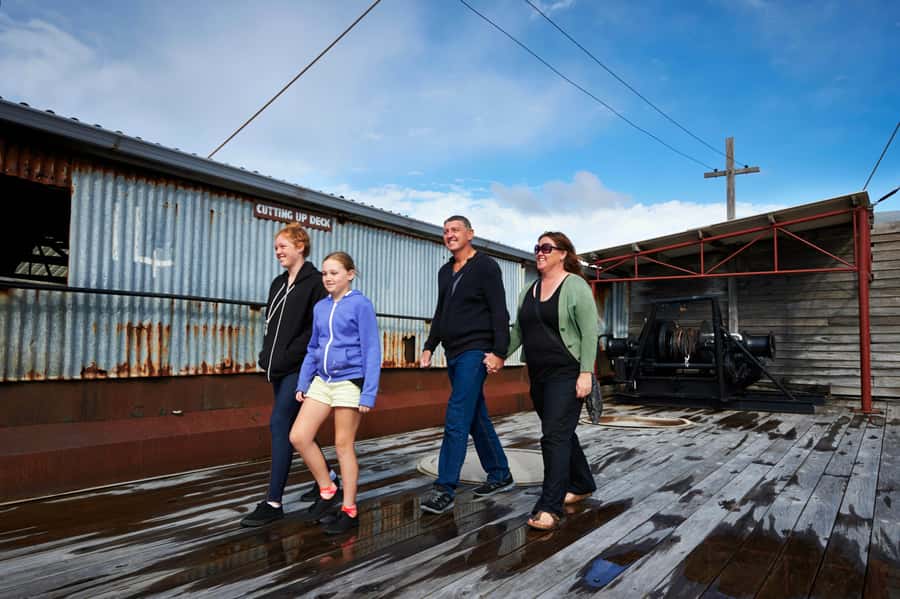
Begin with the restored whale processing factory. This is where the scale and physical nature of the industry become clear. Instead of reading about whaling in abstract terms, you can see the place where the work was carried out and follow the sounds and sights associated with it.
The factory is one of the strongest parts of the attraction because it gives the story a practical shape. You can connect the artifacts in the museum to the machinery and spaces around you. The station’s trails also help you move through the site while adding context along the way.
Give yourself time here. It is easy to hurry through a building filled with large objects, but the details matter. Look at the equipment, the arrangement of the work areas, and the objects preserved from the station’s operating years. The attraction is at its best when you pause to consider how many different jobs were needed to keep a whaling station running.
The factory can also be confronting. If you are hoping for a light family activity, this is not simply a collection of old boats and seaside photographs. The subject involves killing and processing whales, and the setting does not hide that fact.
Films inside the former whale oil tanks
Short films are shown inside converted whale oil tanks. This is an inventive use of the old structures and gives you a change of pace after the factory exhibits.
The setting itself helps. You are watching the story in tanks that once held a product made by the station, so the building is part of the lesson. The films provide sound, movement, and visual scale that static objects cannot match.
One film is presented in 3D. A recent visitor found the effect so convincing that the whales seemed to move right past their face. That gives you a good idea of the film’s purpose: it is designed to make the animals feel close and powerful, not simply to deliver dates and facts.
I would not make the films your only reason to visit, but they are a useful part of the sequence. They add an emotional layer to the machinery and artifacts. If you are visiting with children, check their comfort level before entering, since the subject matter can be serious even when the presentation is visually engaging.
Climbing aboard Cheynes IV
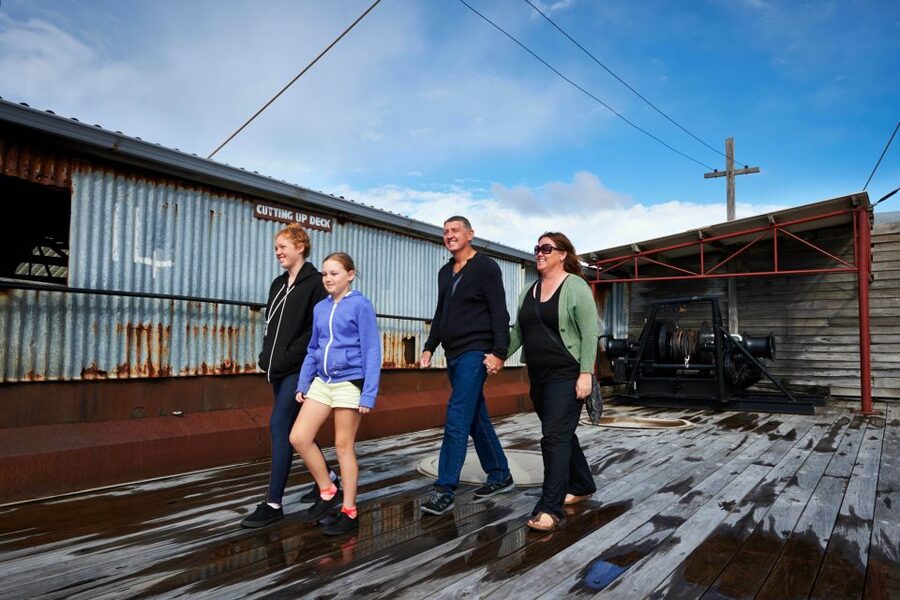
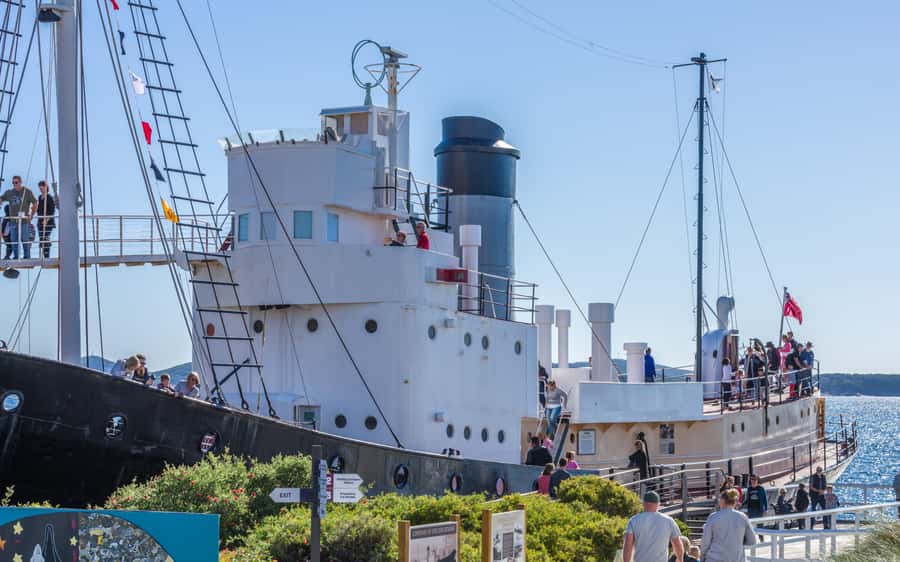
The Cheynes IV is the world’s only preserved whale chaser ship, and boarding it is one of the clearest highlights of the day. The ship gives you a sense of the vessel used in the chase, rather than showing only a model or photograph.
A ship is particularly effective in this setting because it connects the factory to the sea. After seeing where whales were processed, you can step aboard the vessel associated with finding and pursuing them. The two parts of the story make more sense together.
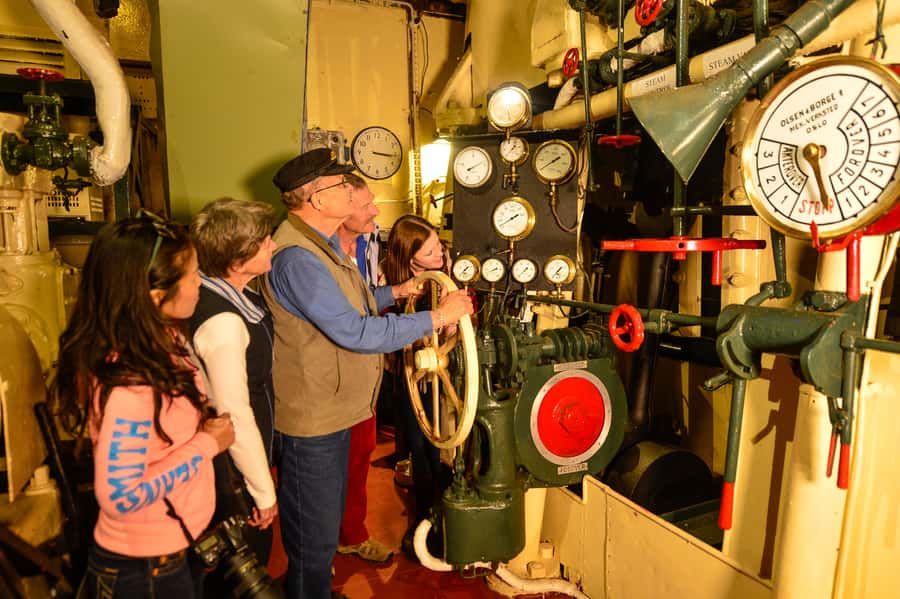
Take your time as you move around the Cheynes IV. Look at the working spaces and imagine the vessel in use, then compare that practical setting with the more formal museum exhibits on shore. The ship helps turn a complicated industrial story into something you can follow from start to finish.
Comfortable shoes are essential. The attraction specifically advises them, and the site includes trails, factory areas, the ship, gardens, and wildlife displays. Bare feet are not permitted, and smoking and vaping are also prohibited.
More history tours in Australia:
- Ultimate Melbourne Walking Tour: History, Laneways & Culture
★ 5.0 · 1,451 reviews - Puffing Billy Railway: Heritage Steam Train Journey
★ 4.6 · 1,195 reviews - Morning World Heritage Cruise on the Gordon River from Strahan
★ 5.0 · 1,193 reviews - Strahan: World Heritage Cruise on Gordon River with Lunch
★ 4.8 · 1,143 reviews
The marine skeletons and giant blue whale
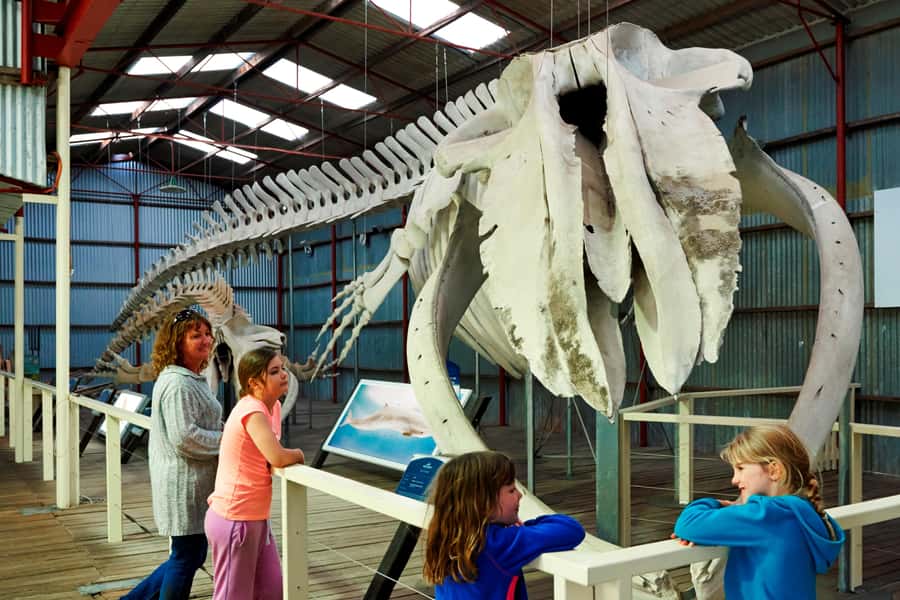
The marine skeleton display provides the most memorable visual moment for many people. The giant blue whale skeleton is the star, but the wider collection helps show the size and variety of marine life.
A skeleton can communicate scale in a way that photographs rarely do. Standing beneath or beside a whale’s bones gives you a direct sense of how large the animal was. One visitor was surprised by the size of a pygmy whale skeleton, which gives you a useful warning: even the smaller examples may seem enormous when displayed in full.
This section works well for families because it offers a clear visual hook. Children can begin with the size of the bones and then ask questions about the animals, the industry, and the ocean. Adults may spend more time considering the contrast between the beauty of the skeletons and the story of how the animals were killed.
The display is also a reminder that this is not just a local history museum. The attraction connects Albany to marine life, scientific observation, and the wider story of whales in Australian waters.
Authentic artifacts, scrimshaw, and marine art
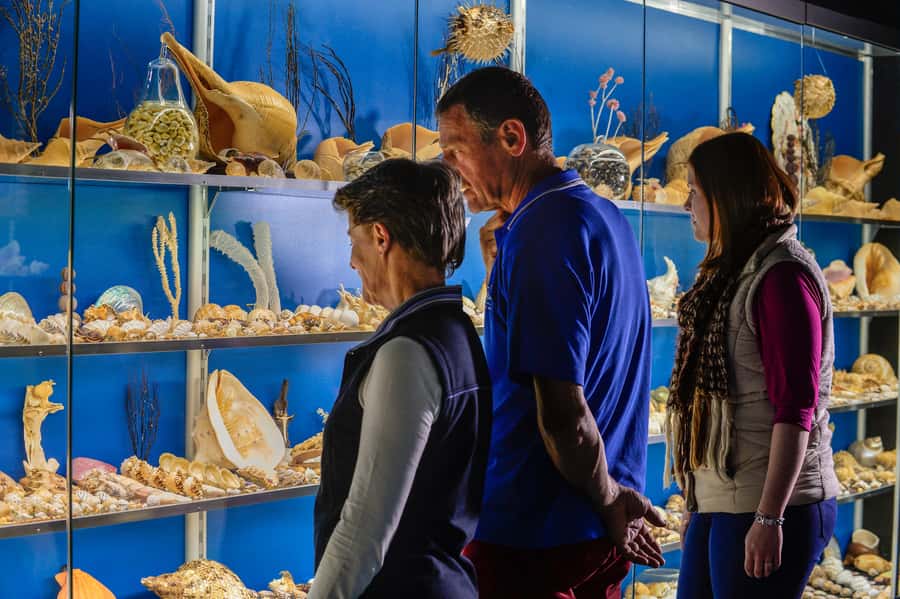
The museum exhibits contain authentic whaling artifacts and memorabilia. These smaller objects fill in the human side of the story, showing how the industry was part of daily life and local identity.
You can also see scrimshaw art, made by carving or engraving on whale-related materials. The pieces are visually delicate, but their presence raises difficult questions about the way whales were used. The attraction does not need to pretend those questions are absent. In fact, seeing the art alongside the factory and ship encourages you to think about the culture that grew around the industry.
The marine animal art collection adds another point of view. It shifts attention from machinery and labor to the animals themselves. Together, the art, artifacts, and memorabilia make the visit more than a tour of an abandoned workplace.
This is a good section for visitors who enjoy close looking. The factory supplies scale and atmosphere, while the museum rooms reward patience. If you rush, you will still see the major objects, but you may miss the connections between the station, the local community, and the marine world.
Wildflowers, wildlife, and a full day outdoors
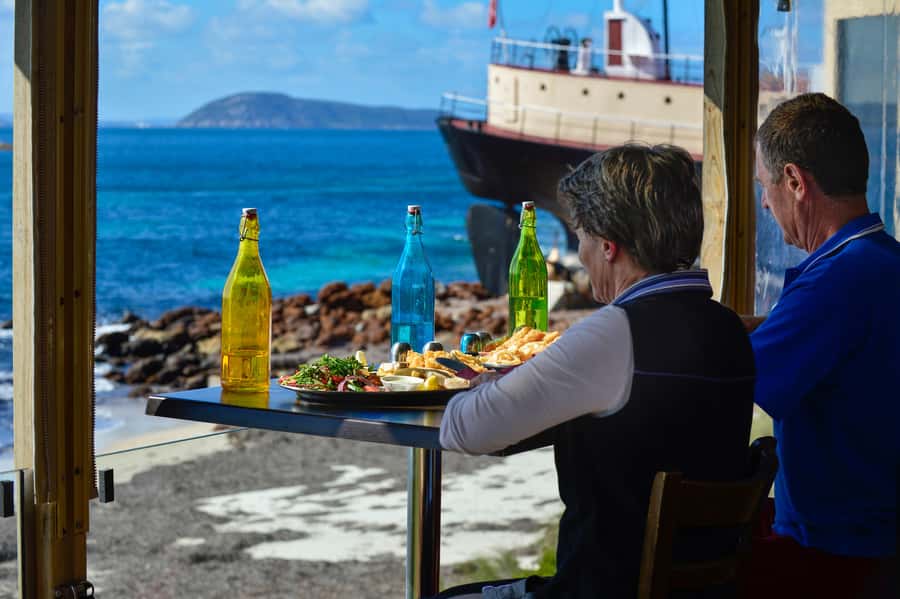
The ticket includes the Regional Wildflower Garden and Australian Wildlife Park. These areas open at 10:00 AM and remain open until 5:00 PM, so you can add them after the station opens or save them for later in the day.
The garden represents more than 100,000 species of native plants from the region. That number gives the plant collection considerable scope, but the practical benefit is simple: you get a chance to slow down outdoors after the darker industrial exhibits.
The Australian Wildlife Park adds a family-friendly change of mood. You can meet the native animal collection and pair the museum visit with a look at local wildlife. The combination makes the attraction work for mixed groups, especially when some people are keen on history and others prefer animals and gardens.
Free on-site BBQs and a picnic area make it easier to stay for the day without paying for a restaurant meal. You can also relax at the café, which overlooks one of Albany’s picturesque bays. The café is useful for a break, though the main value of the ticket comes from the number of included areas rather than food or drink.
A sensible plan is to arrive when the station opens, explore the factory and Cheynes IV first, then visit the skeletons and museum displays. After 10:00 AM, add the garden and wildlife park, with a picnic or BBQ break if you want to stretch the visit into a full day.
How much time should you allow?
The ticket is valid for one day from first activation. The attraction does not set a short guided-tour schedule, so you can shape the visit around your own pace.
A quick visit focused on the factory, Cheynes IV, films, and skeletons could take several hours. If you add the garden, wildlife park, café, and picnic area, the site can comfortably fill much of the day. The inclusion of several different areas is what gives the $25 price its strength.
Do not arrive just before closing and expect to see everything. The Historic Whaling Station closes at 5:00 PM, and the garden and wildlife park also close at 5:00 PM. The station opens earlier, at 9:00 AM, so morning arrival gives you the best chance to cover the main indoor exhibits before spending time outside.
The attraction is open seven days a week, except December 25. That makes it easy to fit into an Albany itinerary, though you should still check the opening hours when planning a holiday visit.
The $25 ticket and overall value
At $25 per person, this is a solid-value day attraction if you plan to use the full ticket. You are not paying only for entry to one factory. The price includes all exhibitions, the Regional Wildflower Garden, and the Australian Wildlife Park, along with access to the picnic area and free BBQs.
The value is strongest for families and visitors who enjoy several kinds of activities in one place. You can move from industrial history to marine science, then to native plants and animals without buying separate admissions.
Solo visitors who only want a quick museum stop may find the cost less compelling, especially if they spend little time in the garden or wildlife park. I would judge the price by your intended length of stay. For a full day, it is reasonable. For a very short stop, it becomes more of a personal choice.
The attraction also offers free cancellation up to 24 hours before the visit and a reserve-now, pay-later option. Those terms are useful if your South Coast plans may change. The ticket is wheelchair accessible, though comfortable footwear remains a good idea for the full site.
Who will enjoy this experience most?
I would recommend the station to anyone interested in Albany’s past, maritime history, conservation, museums, or unusual working sites. It also suits families who want an outing with both indoor exhibits and outdoor space.
The site works particularly well for people who prefer real places and original objects over polished entertainment. The preserved factory and Cheynes IV carry more weight than a modern recreation could, while the films help younger visitors connect with the subject.
You should think carefully if you are uncomfortable with displays about animal death. The attraction explains an industry that killed whales, and the material can be sad. That does not make the visit unsuitable, but it does mean you should prepare children and allow space for questions.
English is the stated language for the host or greeter and the attraction information. Wheelchair access is available. If you need detailed information about individual trails, ship areas, or exhibit spaces, contact the attraction before arrival rather than assuming every part has the same access.
Should you book Albany’s Historic Whaling Station?
Yes, if you can spare at least several hours and want a thoughtful look at Albany’s past. The restored factory, preserved Cheynes IV, blue whale skeleton, 3D film, and authentic artifacts give the visit real substance. The included gardens, wildlife park, BBQs, and picnic area make $25 a fair price for a longer outing.
I would not choose it as a rushed stop between other attractions. Give the factory and ship proper attention, then use the garden and wildlife park to make the day more relaxed. Book it if you value honest local history and original places. Skip it only if you want a purely lighthearted seaside activity or prefer not to confront the realities of whaling.
FAQ
Where is Albany’s Historic Whaling Station located?
The meeting point is 81 Whaling Station Road, Torndirrup, Western Australia 6330, Australia.
How much does entry cost?
The listed price is $25 per person.
How long is the ticket valid?
The ticket is valid for one day from the time you first activate it.
What are the opening hours?
The Historic Whaling Station is open daily from 9:00 AM to 5:00 PM. The Regional Wildflower Garden and Australian Wildlife Park are open daily from 10:00 AM to 5:00 PM. The attraction is closed only on December 25.
What does the ticket include?
Entry includes all exhibitions at the Historic Whaling Station, the Regional Wildflower Garden, and the Australian Wildlife Park. Free BBQs and a picnic area are also available on site.
Is the attraction wheelchair accessible?
Yes, the experience is listed as wheelchair accessible. Comfortable shoes are recommended, and smoking, vaping, and bare feet are not allowed.
Just added in Australia
- 1hour Scenic Flight Heart Reef, Whitehaven Beach, Hill Inlet, GBR★ 5.0 · 134 reviews
- Fly Raft Package: Whitehaven Beach, Snorkel and Scenic Flight★ 5.0 · 316 reviews
- All-Inclusive Waterfall Explorer Day Trip from Airlie Beach★ 4.5 · 253 reviews
- Airlie Coastal Beach Adventures – Dingo Beach & Cape Gloucester★ 5.0 · 27 reviews
- Airlie Beach Glass Bottom Boat Tour★ 4.5 · 329 reviews
- Bowen Beaches Discovery-Top of the Whitsundays★ 5.0 · 40 reviews
- Airlie Waterfalls & Rainforest Bushwalk Eco Adventure★ 5.0 · 23 reviews
- British Defender 3D2N Whitsunday Snorkelling Sailing Adventure★ 5.0 · 30 reviews
Historical Tours, compared.

Ultimate Melbourne Walking Tour: History, Laneways & Culture
Read our review →
Puffing Billy Railway: Heritage Steam Train Journey
Read our review →
Morning World Heritage Cruise on the Gordon River from Strahan
Read our review →
World Heritage Cruise on Gordon River with Lunch
Read our review →
Experience History onboard The Mary Valley Rattler
Read our review →
Snorkel & Dive the Reef: Sustainable, Scientific & Cultural Tour
Read our review →
Derwent River Historic Harbour Cruise From Hobart
Read our review →Browse the lists this tour appears in